
When you are packing for a mid-day run along the East Coast Park or preparing for an intense session at a local fitness centre, keeping your water ice-cold is a top priority. In the search for the ultimate insulated container, finding the right camelbak bottle or rival flask can make the difference between a refreshing draft and a lukewarm disappointment. While marketing campaigns frequently boast about specific hours of ice retention, the actual performance of these sports bottles in daily use depends on a mix of engineering choices, lid designs, and environmental conditions.
To establish a clear winner, you must look beyond brand logos. Pure cold retention is dictated far more by vacuum insulation quality and the specific lid mechanism you choose than by the brand name alone. Fully sealed screw-cap models from all three manufacturers—CamelBak, Hydro Flask, and Thermos—consistently outperform wide-mouth or straw-lid designs in keeping water cold over extended periods. Because heat transfer occurs most rapidly through non-insulated openings, the seal design is the ultimate deciding factor.
If your primary goal is absolute thermal efficiency, Thermos and Hydro Flask generally lead the market with their tightly sealed screw-cap models. However, CamelBak excels in active-hydration convenience, offering innovative bite valves and magnetic caps that allow for fast, one-handed sipping during workouts. This ease of use introduces a minor trade-off, as active-use lids are inherently less insulated than solid, heavy-duty screw caps. Choosing the right bottle requires balancing how long you need your water to stay cold against how easily you want to drink it.
Products mentioned in this guide
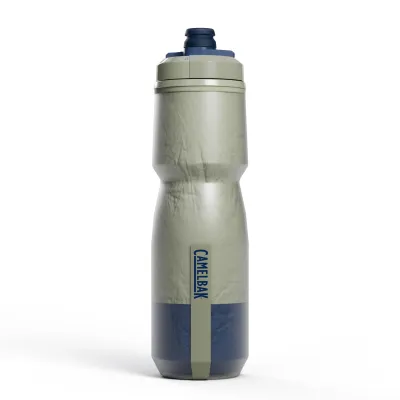
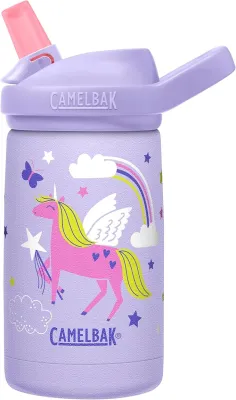
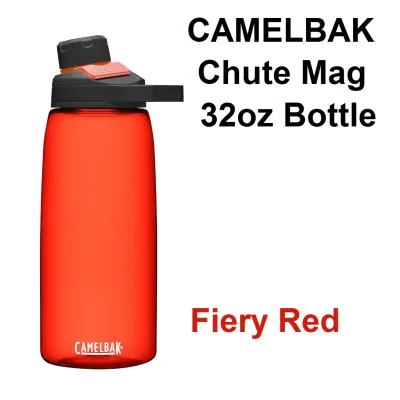
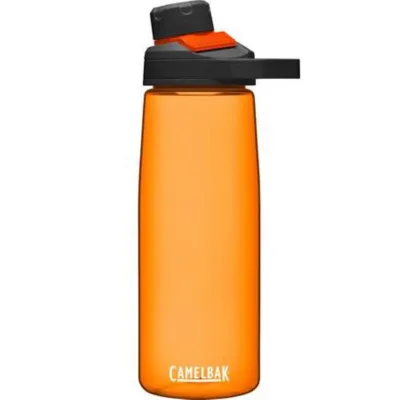
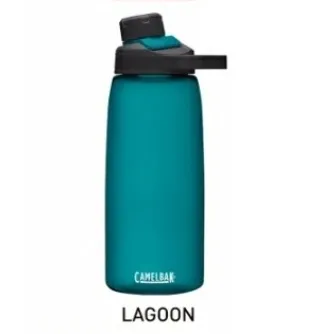
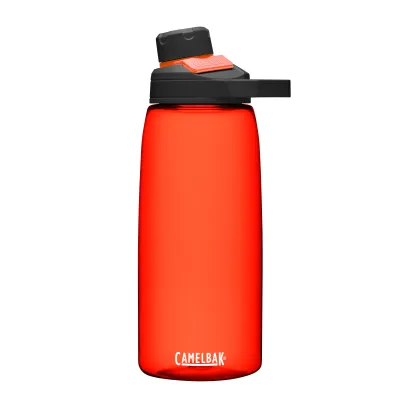
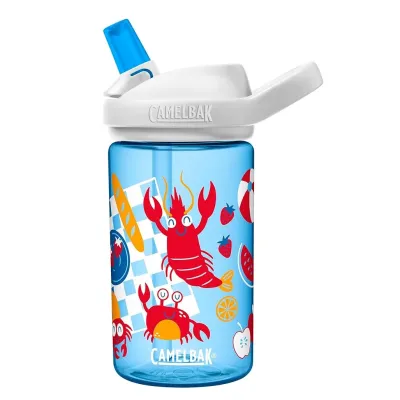
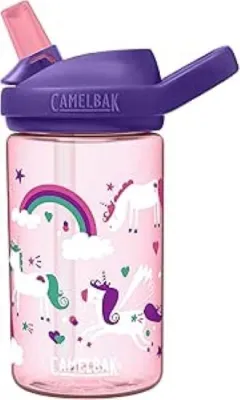
Prices are valid at publication and may change. Please refer to the product page for the latest price.
Understanding Insulation: Why Lid Design Matters More Than Brand
To understand why sports bottles perform differently, it helps to look at the physics of thermal transfer. Premium insulated bottles utilize double-wall vacuum insulation. This construction features an inner and outer wall of stainless steel with the air completely evacuated from the space between them. Because a vacuum contains no air molecules, heat cannot transfer via conduction or convection across this barrier. This leaves radiation as the only remaining pathway for heat transfer, which manufacturers minimize by applying reflective coatings to the inner steel walls.
Despite this highly effective barrier, heat eventually finds a way into your bottle. This brings us to the “weakest link” principle of thermal dynamics: heat transfer always occurs fastest through the path of least resistance. In any insulated sports bottle, that path is the lid. While the body of the bottle is protected by a vacuum barrier, the lid is typically made of solid plastic, silicone gaskets, and thread mechanisms. These materials do not have vacuum properties, meaning heat slowly but continuously conducts through the top of the container.
This reality is why straw lids and bite valves, despite their convenience for cycling or running, are less effective at preserving ice. A straw lid requires an internal pathway and an air vent to allow liquid to flow freely without creating a vacuum inside the bottle. This open pathway creates a direct point of contact between the cold water inside and the warm ambient air outside, accelerating the rate of temperature equalization.
In contrast, a solid flex cap or a heavy-duty screw-cap lid creates a complete, airtight seal. These lids often feature thick silicone gaskets that compress tightly against the bottle rim, blocking air exchange and significantly slowing down heat conduction. When choosing a sports bottle, you should always check the specific model’s lid mechanism and seal quality. If maximum ice preservation is your main goal, a simple, fully sealed screw-cap model will always outperform a complex, multi-piece active drinking lid.
Brand Breakdown: Design Philosophies and Trade-Offs
Every major sports bottle brand approaches hydration with a distinct design philosophy. These philosophies shape how each manufacturer balances thermal performance, material durability, and user convenience, resulting in unique trade-offs for different types of athletes.

CamelBak: Built for Active Hydration
CamelBak has built its reputation on keeping athletes hydrated without forcing them to stop or slow down. This focus is highly evident in their popular active-use models, such as the Eddy+ and the Chute Mag. The Eddy+ features a signature bite-valve and straw mechanism that allows you to drink upright without tilting the bottle—a major advantage when you are on a stationary bike or a treadmill. The Chute Mag utilizes a high-flow magnetic cap that snaps securely out of the way while you drink, preventing the cap from hitting your face.
While these active-use designs are incredibly convenient, they do impact overall temperature retention. The complex mechanisms in the Eddy+ bite valve and the Chute Mag cap introduce more joints, seams, and air pathways where heat can seep in. CamelBak does offer vacuum-insulated stainless steel versions of these models, which provide excellent cold retention for daily workouts. However, if you choose an active straw lid, you must accept that your ice will melt faster than it would in a bottle with a solid, non-vented cap.
Hydro Flask: The Premium Insulation Standard
Hydro Flask focuses on clean aesthetics, reliable thermal performance, and versatile customization. Their product lineup revolves around wide-mouth and standard-mouth options, paired with their signature flexible strap caps. The brand relies on its proprietary double-wall vacuum insulation to maintain cold temperatures, and their solid screw caps are highly regarded for their tight seals and minimal thermal leakage.
For workouts, Hydro Flask offers accessory lids like the Wide Mouth Straw Lid. While this lid makes it much easier to sip water during a gym session, it does trade off some of the extreme temperature retention provided by their solid Flex Cap. A notable benefit of the Hydro Flask design is its durable powder-coated finish. This textured exterior provides a secure, non-slip grip even when your hands are sweaty from Singapore’s high humidity, while also adding a protective layer that resists scratches and minor impacts.
Thermos: Heritage and Thermal Efficiency
Thermos is the pioneer of vacuum insulation technology, and their design philosophy remains firmly rooted in maximizing thermal efficiency and utilitarian function. Rather than focusing on trendy lifestyle aesthetics, Thermos prioritizes robust engineering. Their sport-cap models are designed to keep liquids cold for long periods, utilizing heavy-duty gaskets and locking push-button lids that seal tightly to prevent any thermal exchange.
This utilitarian focus means that Thermos bottles often prioritize performance over lightweight materials or minimalist designs. A Thermos sports bottle may feel slightly heavier or bulkier than its competitors, and the aesthetic options are generally more traditional. However, for users who prioritize maximum ice retention above all else—such as outdoor workers, long-distance hikers, or athletes training in extreme heat—the superior thermal sealing of a Thermos bottle is difficult to beat.
Real-World Variables That Dictate Ice Retention
When you read manufacturer claims about a bottle keeping drinks cold for a set number of hours, it is important to remember that these tests are conducted under highly controlled laboratory conditions. In the real world, several dynamic variables will dictate how long your water actually stays ice-cold.
- Ice-to-Water Ratio: The thermal mass of your beverage plays a massive role in temperature retention. Filling a bottle with room-temperature water and adding three or four ice cubes will result in rapid ice melt, as the ice must immediately work to lower the temperature of the surrounding water. To maximize cold retention, fill at least one-third to one-half of your bottle with ice before adding cold water.
- Ambient Temperature: The climate you operate in has a direct impact on heat transfer. Rucking or running outdoors in Singapore's tropical heat, where temperatures regularly exceed 30°C, will cause ice to melt much faster than using the same bottle inside an air-conditioned fitness center. High ambient heat warms the exterior steel wall, which slowly transfers energy across the vacuum seal over time.
- Frequency of Opening: Every time you open your bottle to take a sip, you break the internal microclimate. Cold air escapes, and warm, humid ambient air rushes inside. If you are constantly sipping from your bottle during a long workout, the frequent air exchange will accelerate ice melt regardless of the brand you are using.
- Pre-Chilling: Filling a warm stainless steel bottle with cold water causes the water to immediately absorb heat from the inner steel wall. To prevent this, pre-chill your bottle by rinsing it with ice water or leaving cold water inside for a few minutes before emptying it and filling it with your actual workout drink.
Beyond Temperature: Weight, Durability, and Gym Usability
While keeping your water cold is important, a sports bottle must also fit seamlessly into your active lifestyle. Several secondary factors—such as weight, physical durability, leak prevention, and ease of cleaning—will heavily influence your daily satisfaction with your choice.
Weight and Portability
Vacuum-insulated stainless steel bottles are significantly heavier than their single-wall plastic or aluminum counterparts. This weight difference is negligible during a short gym session where the bottle sits on the floor, but it becomes a major consideration for long-distance trail running or hiking. If you are carrying your bottle in a backpack or a running vest, the extra weight of insulated steel can contribute to fatigue. In these scenarios, you must decide if the luxury of ice-cold water is worth the physical effort of carrying a heavier load.
Durability and Denting
Sports bottles are prone to drops, knocks, and rough handling. Stainless steel is highly durable, but a hard fall onto concrete can cause denting. A severe dent can compromise the bottle’s insulation if the inner and outer steel walls come into physical contact, which permanently destroys the vacuum barrier. Powder-coated finishes, like those found on Hydro Flask and select CamelBak models, offer excellent resistance to superficial scratches and provide a tactile grip. Bare stainless steel finishes, often favored by Thermos, will show scratches more easily but won’t suffer from paint peeling over years of rugged use.
Leak-Proof Reliability
There is nothing worse than opening your gym bag to find your change of clothes soaked because a water bottle leaked. Solid screw caps offer the most reliable, leak-proof seal because they use simple thread tension to compress a silicone gasket. Active lids, such as CamelBak’s bite valves or push-button flip caps, rely on mechanical latches and spring-loaded seals. While highly convenient, these mechanisms can leak if they are not fully engaged, if the locking switch is accidentally bumped inside your bag, or if small debris gets trapped in the silicone seals.
Cleaning and Maintenance
To prevent the buildup of bacteria and mold, sports bottles require regular cleaning. Wide-mouth bottles are exceptionally easy to clean because you can easily reach inside with a standard sponge or bottle brush. Straw lids, bite valves, and multi-piece sports caps are far more complex. These designs feature narrow pathways, small vents, and deep crevices that require specialized cleaning brushes to reach. If you do not have the time to meticulously clean and dry these intricate parts after every workout, a simpler wide-mouth screw-cap bottle will be much easier to maintain over the long run.
How to Choose the Right CamelBak Bottle or Competitor for Your Activity
To find the perfect match for your workouts, you should match the bottle’s design strengths to your specific athletic activities and hydration habits.
- Choose a CamelBak bottle if: You prioritize fast, seamless hydration during high-movement activities. If you are cycling, running on a treadmill, or driving, the ability to sip upright using a bite valve or a magnetic quick-cap is incredibly valuable. You are willing to trade a small amount of long-term ice retention for the convenience of one-handed, spill-free drinking.
- Choose a Hydro Flask if: You want a versatile, premium bottle that balances strong thermal insulation with a highly customizable design. If you transition frequently between the gym, the office, and weekend outdoor trails, the combination of excellent cold retention, durable powder coating, and interchangeable lid options makes this a highly adaptable companion.
- Choose a Thermos if: Your absolute top priority is keeping your water as cold as possible for the longest duration. If you work outdoors, participate in all-day sports tournaments, or go on extended hikes in hot climates, the unmatched thermal engineering and rugged, utilitarian design of a Thermos bottle will ensure you always have ice-cold hydration when you need it most.
- Verify first if: You are purchasing a specific model with a straw lid but expect maximum ice retention. Always check the manufacturer's specific lid specifications and user reviews, as straw lids inherently reduce thermal efficiency compared to standard, fully sealed caps.
Frequently Asked Questions (FAQ)
Can I put my insulated sports bottle in the freezer to make the water colder?
You should never put a vacuum-insulated stainless steel sports bottle in the freezer. Because water expands as it freezes, the liquid inside will exert immense physical pressure on the container. This expansion can easily deform the stainless steel body, rupture the internal welds, or compromise the vacuum seal entirely, rendering the insulation useless. Additionally, because the vacuum barrier is highly effective at blocking heat transfer, the cold air of your freezer will not actually cool the liquid inside the bottle efficiently. To get ice-cold water, it is always best to add ice cubes directly to the bottle or pre-chill your water in a separate container in the refrigerator before filling your flask.
Why does my stainless steel bottle smell metallic or retain odors?
A metallic smell or lingering odor in a stainless steel bottle is rarely caused by the steel itself, as high-quality food-grade stainless steel is naturally resistant to absorbing odors. Instead, odors typically develop from residual bacteria growing in hard-to-reach areas, or from organic compounds absorbing into the porous silicone gaskets and plastic components of the lid.
To safely remove these odors, create a cleaning paste using baking soda and warm water, or soak the affected parts in a mixture of warm water and white vinegar for about 30 minutes. Avoid using harsh chlorine bleach or highly abrasive scrubbers, as these can permanently damage the protective chromium oxide layer on the stainless steel, leading to corrosion. Always check your specific bottle manufacturer’s care instructions before applying any cleaning solutions to ensure you do not void the warranty or damage the seals.
Community discussion
Share your experience or ask a question. Comments are reviewed before publication.