
When you are exercising under the intense tropical heat of Singapore, keeping your hydration ice-cold is more than just a preference—it is a critical factor in managing your core body temperature and sustaining your athletic performance. If you are searching for a high-performance insulated sports bottle, CamelBak is likely one of the first brands you will consider. However, with numerous premium competitors on the market, it is important to understand how CamelBak actually compares when it comes to keeping your water ice-cold during long runs, intense gym sessions, or daily commutes.
The short answer is that CamelBak’s vacuum-insulated stainless steel bottles perform on par with other premium hydration brands in terms of raw thermal retention. Because almost all high-end insulated bottles utilize the same fundamental double-wall vacuum technology, the differences in how long they keep drinks cold are minimal when comparing identical capacities. Instead, the real differentiators are lid design, drinking mechanics, and overall usability, which directly impact how much ambient air enters the bottle and how easily you can load ice.
When deciding on the right bottle for your routine, your choice should depend on your specific hydration habits. If you prioritize hands-free, spill-resistant sipping while moving, CamelBak’s specialized lid systems make it an exceptional choice. If your absolute priority is maximum ice retention, rapid chugging, and effortless cleaning, a traditional wide-mouth bottle from a competing brand may serve you better.
Products mentioned in this guide
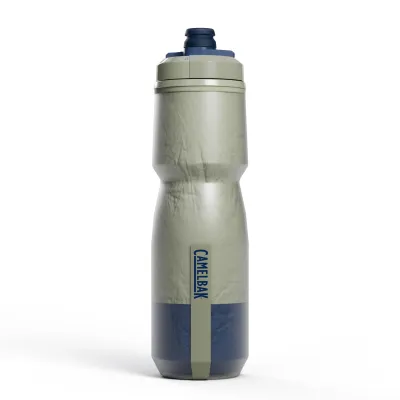
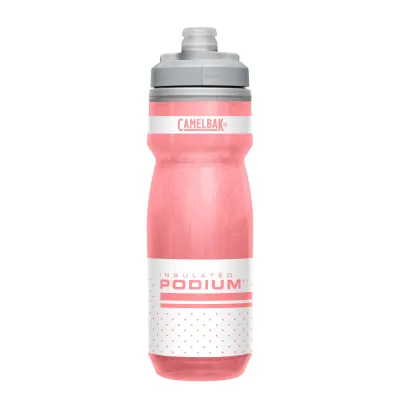
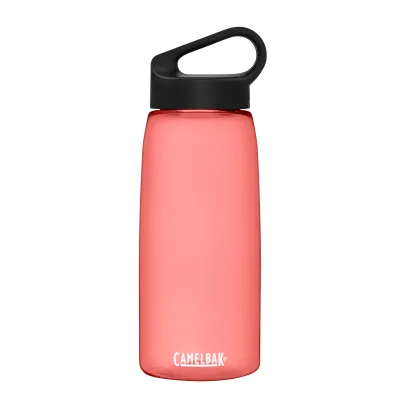
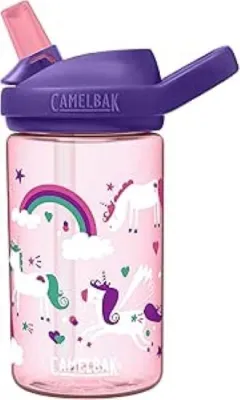
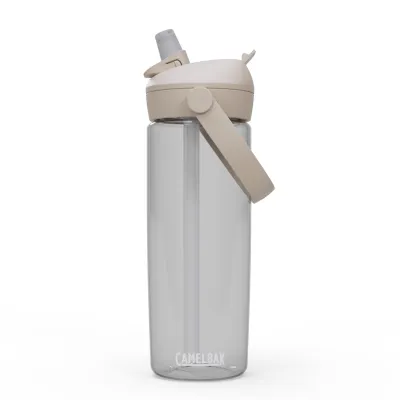
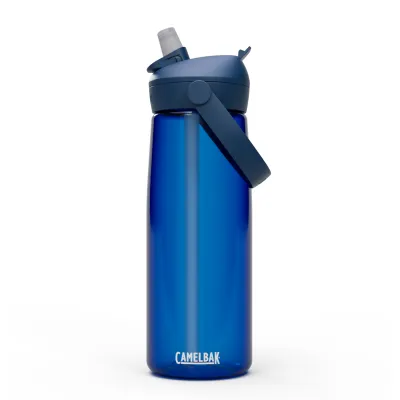
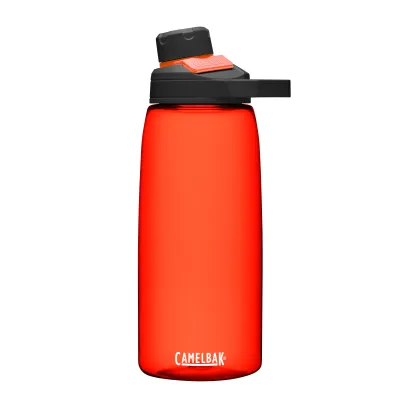
Prices are valid at publication and may change. Please refer to the product page for the latest price.
The Science of Cold Retention: What Actually Keeps Water Cold
To understand how different bottles compare, it helps to look at the physical principles of thermal insulation rather than relying on promotional marketing claims. The primary mechanism behind modern cold retention is double-wall vacuum insulation. An insulated bottle consists of an inner and an outer vessel, typically made of 18/8 food-grade stainless steel, which are welded together. The air between these two walls is completely evacuated during manufacturing, creating a near-perfect vacuum.
Because a vacuum contains no air molecules, it effectively eliminates conductive and convective heat transfer. Conduction requires physical contact between molecules to transfer heat, while convection relies on the movement of fluids or gases. Without a medium between the inner and outer walls, the intense ambient heat cannot easily penetrate the bottle’s core. Radiation, the third form of heat transfer, is minimized by applying reflective coatings to the inner stainless steel wall, which bounces radiant heat away from your cold beverage.
While the vacuum body is highly efficient, the lid represents the primary weak point in any insulated bottle’s thermal defense. Lids are typically made of plastic and silicone, which do not insulate as effectively as a double-walled steel vacuum. Every time you open a bottle to take a sip, you introduce warm ambient air into the chamber, which accelerates ice melt. Lids with complex drinking mechanisms, such as built-in straws or bite valves, often have thinner seals and more surface area exposed to the outside air, leading to faster thermal decay than a simple, solid screw-on cap.
Another critical factor in temperature retention is the volume-to-surface-area ratio. Larger bottles, such as 32-ounce (approximately 946 ml) or 40-ounce models, contain a greater thermal mass of cold liquid and ice relative to their external surface area. Consequently, a larger bottle will naturally keep your water cold longer than a smaller 18-ounce (approximately 532 ml) bottle, even if both use the exact same insulation technology.
Finally, real-world cold retention is heavily influenced by user habits rather than brand differences. To maximize the performance of any insulated bottle, you should practice pre-chilling. Filling your bottle with ice water for a few minutes before dumping it out and refilling it with your actual drink cools the inner steel wall, preventing it from absorbing heat from your beverage. Additionally, maximizing your ice-to-water ratio is the single most effective way to ensure your drink remains ice-cold throughout the day.
CamelBak’s Design: How Lid Mechanics Affect Temperature and Use
CamelBak has built its reputation on innovative lid designs that cater specifically to active users. Their two most popular insulated designs are the Eddy+ and the Chute Mag, both of which offer distinct advantages and minor trade-offs regarding thermal efficiency and everyday convenience.

The Eddy+ features CamelBak’s signature bite valve and straw system. This design allows you to drink without tilting the bottle, which is incredibly convenient when you need to keep your eyes on the path while running or cycling. However, because the bite valve and straw system require an open pathway for air to enter the bottle as you sip, they introduce slightly more thermal transfer than a completely sealed, solid cap. The exposed silicone valve can also absorb ambient heat, meaning the first sip of water sitting in the straw may feel slightly warmer than the water insulated deep inside the flask.
In contrast, the Chute Mag utilizes a high-flow magnetic spout lid. The cap features a magnetic handle that keeps the lid out of your face while you drink, and it screws down tightly to create a highly secure, leak-proof seal. Because the Chute Mag lid completely seals the spout when closed, it offers superior thermal retention compared to the Eddy+ straw lid. It prevents warm air from entering the bottle when not in use, making it a better option if you need your water to stay cold for extended periods in hot outdoor environments.
When it comes to durability and weight, CamelBak’s stainless steel bottles are built to withstand rugged outdoor activities. The 18/8 stainless steel construction is highly resistant to drops and impacts, though heavy drops can occasionally dent the outer wall. If a drop is severe enough to puncture the outer wall or compromise the weld, the vacuum seal will fail, rendering the insulation ineffective. The trade-off for this durability is weight; insulated steel bottles are significantly heavier than their single-walled plastic counterparts, which is an important consideration if you are packing light for a long trek.
In Singapore’s humid climate, external condensation can make a bottle incredibly slippery and difficult to hold. CamelBak addresses this by applying a durable powder-coat finish to the exterior of their stainless steel bottles. This sweat-proof coating ensures that even when the bottle is filled with ice, the exterior remains completely dry and easy to grip, preventing accidental drops during high-intensity workouts or while navigating busy commuter routes.
Maintaining these complex lid systems requires regular attention, particularly in tropical environments where warmth and humidity create ideal conditions for mold growth. The intricate channels inside the Eddy+ bite valve and the threads of the Chute Mag lid must be disassembled and cleaned thoroughly. While the stainless steel bottle bodies are highly durable, neglecting to clean the silicone valves and plastic straws can lead to hygiene issues that cut the usable lifespan of your bottle short.
CamelBak vs. Other Insulated Brands: Key Comparison Dimensions
When comparing CamelBak to other leading insulated sports bottle brands, it is important to look past basic temperature claims and evaluate how these bottles perform across practical, everyday dimensions.
Hydration Speed and Spill Resistance
CamelBak excels in scenarios that require quick, spill-free hydration. The Eddy+ bite valve is completely spill-proof even when open, making it ideal for bumpy car rides, desk use, or high-movement workouts where dropping a bottle could cause a major mess. Traditional wide-mouth bottles from competing brands offer incredibly fast hydration because you can chug water directly from the rim, but they require you to stop your activity, unscrew a cap with both hands, and risk spilling water down your shirt if you drink while moving.
Ice Compatibility
The ease with which you can load ice into your bottle directly impacts how cold you can keep your drink. CamelBak’s Chute Mag and wide-mouth variants have generous openings that easily accommodate standard home ice cubes or large block ice. However, if you use the Eddy+ straw lid, you must be careful not to pack the bottle so tightly with ice that it blocks or crushes the internal straw, which can restrict water flow and make drinking difficult.
Weight and Portability
CamelBak designs its bottles with highly functional carrying options. The Chute Mag features an integrated magnetic handle that is comfortable to hold with two fingers, while other models include durable, flexible carry loops. These loops make it easy to clip the bottle to a backpack using a carabiner. Some competing brands use rigid metal handles or flexible TPU straps; while these are highly durable, CamelBak’s integrated, low-profile loops often feel more streamlined when packing a gym bag or sliding the bottle into a side pocket.
Price and Value Proposition
In Singapore, premium insulated bottles generally fall into a similar price band, typically ranging from S$35 to S$70 depending on the capacity and lid style. When you pay a premium for a CamelBak, you are not necessarily buying significantly better vacuum insulation than what a mid-range brand offers. Instead, you are paying for patented lid ergonomics, reliable leak-proof engineering, high-quality powder coating, and a robust warranty.
Comparison Matrix
The table below outlines the key design differences between CamelBak’s specialized lid models and traditional wide-mouth insulated bottles to help you identify which style matches your daily routine.
| Feature / Dimension | CamelBak (Straw/Spout Models) | Traditional Wide-Mouth Brands |
|---|---|---|
| Primary Lid Type | Bite valve, magnetic spout, or push-button | Screw-top, flip-cap, or chug lid |
| Spill Resistance | High (ideal for bags and movement) | Moderate to High (depends on seal lock) |
| Ice Compatibility | Moderate (straws limit ice size) | High (accommodates large cubes/block ice) |
| Cleaning Effort | High (requires brush for straws/valves) | Low (easy access for sponges) |
| Best Use Case | Running, cycling, driving, desk work | Gym, hiking, rapid chugging, hot/cold versatility |
Matching the Bottle to Your Workout or Outdoor Activity
Choosing the right insulated bottle is ultimately about matching its specific design features to the physical demands of your favorite activities. No single bottle is perfect for every environment, so understanding your primary use case is key.
Running and Cycling
For runners and cyclists, safety and ease of access are paramount. Drinking while navigating traffic on Singapore’s park connectors or roads requires one-handed, eyes-free operation. CamelBak’s Eddy+ is highly suited for this, as you do not need to tilt your head back to drink, allowing you to maintain your line of sight. However, if you are cycling on challenging terrain, always prioritize safety: pull over to a safe spot to drink if you feel off-balance. For cycling cages, verify that the bottle’s outer diameter matches your bike’s bottle cage before purchasing, as some insulated steel bottles are wider than standard plastic cycling bottles.
Hiking and Trekking
If you are trekking through nature reserves like Bukit Timah or hiking long trails, durability and capacity are your main priorities. You will want a larger bottle (at least 32 ounces / 946 ml) to ensure you have enough water to stay hydrated in the humid forest canopy. Look for bottles with robust carry loops that can be securely clipped to your backpack. In these scenarios, a fully sealed screw-top lid like the Chute Mag is preferable to a straw lid, as it provides maximum thermal efficiency and prevents dirt or insects from contaminating the drinking surface.
Gym and Weightlifting
During high-intensity gym sessions or weightlifting workouts, you often want to chug water quickly between sets to rehydrate fast. Traditional wide-mouth bottles or high-flow spout lids are ideal here, as they do not restrict water flow. Furthermore, gym environments make it easy to refill your bottle with ice and water, meaning long-term cold retention is less of a concern than rapid flow and easy post-workout cleaning.
Office and Commuting
For daily commuting on the MRT or working at a desk, your primary concern is preventing leaks that could ruin electronics or documents in your bag. A bottle with a secure, locking lid is essential. CamelBak’s leak-proof guarantees provide peace of mind when tossing the bottle into a crowded backpack. Additionally, check that the bottle’s base diameter fits standard car cup holders or the side pockets of your daily pack to ensure convenient transport.
Decision Framework Summary
- Choose CamelBak if you need hands-free, spill-proof sipping on the move, value specialized lid ergonomics, and want a reliable bottle for active sports, driving, or desk work.
- Choose a wide-mouth alternative if you prioritize rapid chugging, maximum ice capacity, simple cleaning routines, and need a bottle that can easily transition between hot and cold beverages.
How to Verify Cold Retention and Build Quality Before Buying
To ensure you are investing in a high-quality insulated bottle that will perform reliably over the long term, use this practical checklist before making your purchase.
- Check the Manufacturer Specifications: Look closely at the product packaging or online listing. Ensure it explicitly states "double-wall vacuum insulation" and specifies "18/8 food-grade stainless steel" (also known as Grade 304). Avoid bottles that only claim to be "double-walled" without mentioning a vacuum, as air-filled double walls offer very poor thermal retention.
- Inspect the Lid Seal: Examine the quality of the silicone gaskets inside the lid. High-quality gaskets should be thick, pliable, and seat deeply within the lid channel to prevent air from leaking in or liquid from leaking out. A complex lid with loose or thin gaskets is highly prone to leaking and thermal loss.
- Read User Reviews for Thermal Decay: When shopping on online marketplaces, filter customer reviews using search terms like "sweating," "ice melting," or "lost vacuum." If multiple users report that the bottle's exterior becomes cold to the touch or sweats when filled with ice, it indicates a high rate of manufacturing defects or a fragile vacuum seal that fails easily upon minor impact.
- Verify the Warranty and Support: A reputable brand should offer a solid warranty against manufacturing defects, specifically covering the failure of the vacuum insulation. Before buying, verify how to claim the warranty in Singapore, as shipping a defective bottle internationally can sometimes cost more than the bottle itself.
Frequently Asked Questions (FAQ)
Can I put hot drinks in a CamelBak insulated bottle?
While CamelBak’s stainless steel vacuum-insulated bodies are perfectly capable of retaining heat, you must never put hot liquids in bottles equipped with straw or bite-valve lids, such as the Eddy+. Attempting to drink hot liquids through a straw can cause severe burns to your mouth and throat. Additionally, hot liquids generate steam pressure inside the sealed bottle, which can cause hot liquid to spray violently out of the straw when opened. If you wish to carry hot coffee or tea, always use a wide-mouth, screw-top lid design that is explicitly rated by the manufacturer for hot beverages, and always follow the safety instructions provided.
Why does my insulated bottle sweat even though it claims to be sweat-proof?
In highly humid environments like Singapore, condensation can occasionally form on the outside of your bottle, but this does not always mean your bottle is broken. When the ambient humidity is extremely high, the air is saturated with moisture. If you open the lid frequently, or if the plastic lid itself becomes cold, the moisture in the air will condense on these cold surfaces, creating a light layer of sweat. However, if the stainless steel body of the bottle feels cold to the touch or sweats heavily, this indicates that the vacuum seal has failed. A properly functioning vacuum-insulated bottle should always have an exterior wall that remains at room temperature.
How do I clean a CamelBak bite valve to prevent mold?
To prevent mold and bacteria buildup in Singapore’s humid climate, you should clean your bottle’s lid components regularly. First, completely disassemble the lid by pulling the bite valve out of the cap and removing the plastic straw. Soak all the components in warm, soapy water for about ten minutes; for a deeper clean, you can use a mild vinegar solution. Use a specialized, thin straw brush to scrub the inside of the straw and the small channels inside the bite valve. Rinse everything thoroughly with clean water, and lay the pieces out in a well-ventilated area to air-dry completely before reassembling them. Never store your bottle with the lid tightly closed while it is still damp inside.
Community discussion
Share your experience or ask a question. Comments are reviewed before publication.