
Quick Answer: Which Camping Shower Tent Offers the Best Waterproofing?
When selecting a portable camping shower tent, waterproof performance is a dual-sided challenge: you must protect yourself from external weather while managing the high volume of water sprayed inside the enclosure. No single brand or model is universally the most waterproof option for every scenario. Instead, performance depends entirely on the tent’s structural design (pop-up versus pole-supported) and floor configuration (integrated bathtub versus floorless drainage).
Traditional pole-based tents from established outdoor brands generally offer superior water retention and fully taped seams. These models are engineered to handle both heavy external rainfall and high-volume internal sprays without leaking into the surrounding campsite. Because their frames distribute tension evenly, manufacturers can apply heavy-duty polyurethane coatings and robust seam tapes that remain intact over multiple uses.
Conversely, lightweight pop-up brands prioritize instant setup, rapid drainage, and high portability over absolute water containment. These tents are highly effective for quick splash protection and basic privacy, but they often feature floorless or mesh-drainage designs that allow water to exit immediately onto the ground. Understanding these design philosophies is key to choosing a tent that matches your specific campsite requirements, water delivery system, and environmental conditions.
Products mentioned in this guide
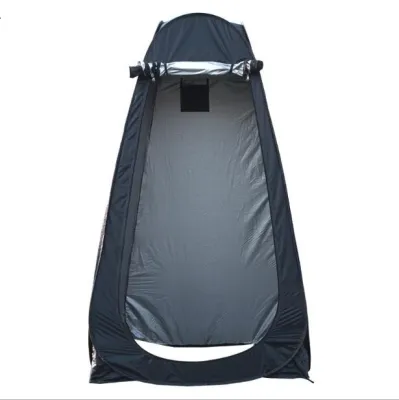
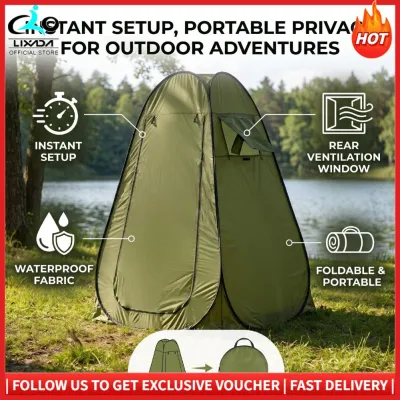
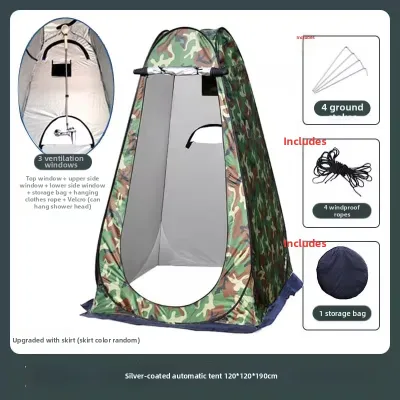
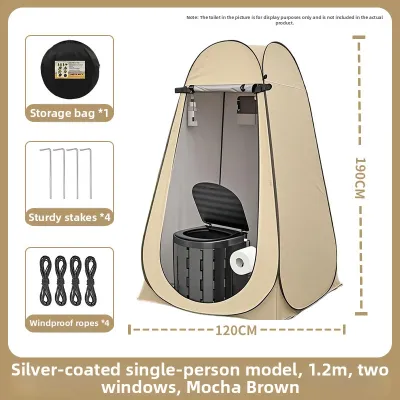
Prices are valid at publication and may change. Please refer to the product page for the latest price.
Understanding Waterproof Ratings and Shower Tent Design
To accurately evaluate how different brands perform, you must first understand the technical metrics and structural features that dictate a tent’s water resistance. Relying solely on brand reputation can lead to poor purchases if the specific model’s specifications do not match your camping environment.

Hydrostatic Head (HH) Ratings
The primary metric for fabric water resistance is the Hydrostatic Head (HH) rating, measured in millimeters (mm). This rating indicates the height of a water column that the fabric can support before moisture penetrates the weave. For example, a fabric rated at 1000mm can withstand a one-meter column of water, which is generally sufficient to repel light, vertical rainfall. Ratings of 2000mm to 3000mm provide robust protection against heavy tropical downpours and high-velocity winds.
However, shower tent waterproofing differs significantly from standard sleeping tents. While a sleeping tent only needs to repel external rain, a shower tent must withstand pressurized water sprayed from the inside. When a portable shower pump sprays water at close range, the kinetic energy of the droplets can exceed the static pressure limits of low-HH fabrics. Therefore, a higher HH rating (ideally 1500mm or higher) is highly desirable for the walls of a shower tent to prevent misting or weeping during use.
Seam Construction
The fabric itself is rarely the first point of failure; instead, water typically penetrates through the seams. Every time a sewing machine needle punctures the fabric during manufacturing, it leaves microscopic holes. Budget-friendly shower tents often feature stitched, untaped seams. Under the pressure of a sustained internal shower spray, water will inevitably seep through these needle holes, dripping down the exterior or pooling along the frame.
High-performance brands address this by applying a heat-activated polyurethane (PU) tape over all stitched seams during production. This tape creates a continuous, waterproof barrier over the needle punctures. Some premium models utilize welded seams, which use heat and pressure to fuse the fabric panels together without any stitching, offering the highest level of water resistance available.
Floor Design and Water Retention
The floor of a shower tent determines how water is managed once it leaves the shower head. There are two primary floor designs, each serving a distinct purpose:
- Bathtub Floors: These floors are constructed from heavy-duty, highly waterproof materials like polyethylene (PE) or high-denier Oxford polyester. The floor material curves upward several inches along the sides of the tent before meeting the wall fabric, resembling a bathtub. This design is engineered to contain 20 to 30 liters of water without leaking, preventing mud from forming inside the tent and keeping the surrounding campsite dry. Bathtub floors usually require a dedicated drain port or a manual pump-out system to empty the collected greywater.
- Floorless and Mesh-Drainage Designs: These designs prioritize rapid drainage. They either lack a floor entirely or feature a mesh perimeter that allows water to drain directly into the ground. While this prevents water from pooling inside the tent, it offers no water containment. If you are showering on clay or packed soil, this design can quickly turn the tent floor into a muddy puddle, making a separate plastic foot mat necessary.
How Popular Brands Approach Shower Tent Waterproofing
Different segments of the outdoor gear market approach shower tent design with varying priorities. By looking at how these categories are engineered, you can better identify which style aligns with your camping setup.
Pop-Up and Lightweight Brands
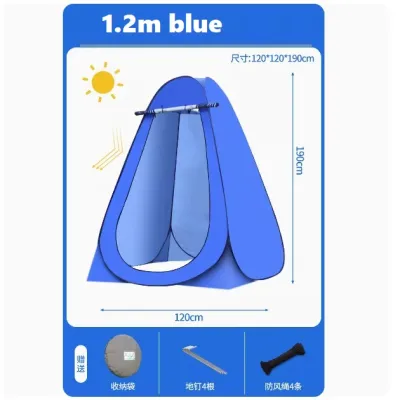
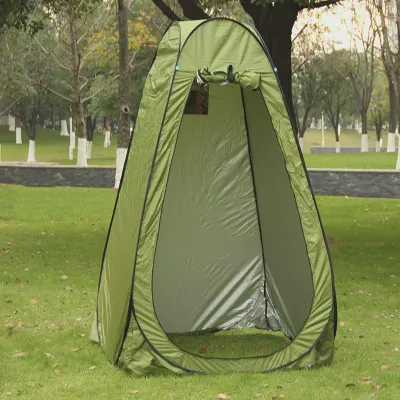
Pop-up shower tents are highly popular due to their convenience and low price point, typically ranging from S$30 to S$80. These tents utilize a flexible spring-steel loop frame that allows the structure to spring open instantly when unpacked. The body is usually constructed from lightweight polyester (such as 190T or 210D) with a thin polyurethane coating, yielding an HH rating of roughly 800mm to 1200mm.
Because the spring-steel frame places constant, high tension on the fabric, the seams are subjected to continuous stretching. This tension makes it difficult for manufacturers to apply durable, long-lasting seam tape. Consequently, many pop-up brands omit seam taping entirely or only tape the roof seams. These tents are excellent for quick beach trips or changing rooms where splash protection is the main goal, but they are not designed to handle heavy, sustained internal spraying or severe external storms. Most rely on floorless designs or removable Velcro floors with mesh borders to ensure rapid drainage, preventing the lightweight frame from collapsing under the weight of pooled water.
Traditional Pole and Cabin Brands
Established camping brands design shower tents that mimic the structure of traditional dome or cabin sleeping tents. These models utilize manual fiberglass or steel pole frames, which provide a highly stable and rigid skeleton. This structural stability allows the use of heavier, more durable fabrics, such as 150D to 300D Oxford polyester, with HH ratings frequently exceeding 1500mm to 2000mm.
Because the frame does not twist or fold tightly like a pop-up tent, the factory-applied seam tape remains secure and does not peel or crack easily over time. These tents almost always feature heavy-duty PE bathtub floors designed to contain water. This makes them highly reliable when using high-volume portable shower pumps, as they can hold a significant amount of water without weeping. These models are typically priced between S$80 and S$180, reflecting their superior materials, weather resistance, and structural longevity.
Heavy-Duty and Overlanding Brands
For campers who travel in 4×4 vehicles or camp in extreme weather conditions, premium overlanding brands offer vehicle-mounted shower tents. These systems are permanently bolted to a vehicle’s roof rack or awning system and deploy via folding aluminum arms. They are constructed from exceptionally robust materials, such as heavy ripstop polyester (300D to 600D) or poly-cotton canvas, treated with high-grade durable water repellents (DWR).
These tents prioritize extreme weather resistance, structural strength, and long-term durability. They feature heavy-duty, oversized zippers protected by thick external storm flaps to prevent wind-driven rain from penetrating the enclosure. Because they are suspended from a vehicle rack, they are naturally floorless, allowing water to drain directly onto the ground or into a portable greywater collection basin. While they offer unmatched wind resistance and fabric durability, they are heavy (often weighing 10kg or more), expensive (typically ranging from S$250 to S$500+), and require a vehicle roof rack for installation.
Lab Ratings vs. Real-World Shower Water Retention
There is often a noticeable discrepancy between a tent’s laboratory waterproof rating and how it performs during an actual camping trip. Understanding the physical dynamics of a camp shower can help you avoid unexpected leaks.
The "Shower Head Effect"
A tent’s Hydrostatic Head rating is determined in a controlled laboratory setting using static, uniform water pressure applied to the exterior of the fabric. This test simulates steady, vertical rainfall. It does not account for the localized, high-velocity impact of a pressurized shower spray hitting the fabric from the inside.
When you use a 12V portable shower pump or a pressurized gravity bag, the water droplets exit the nozzle with significant kinetic energy. If the shower head is positioned close to an untaped seam or a low-HH wall fabric, this kinetic energy can force water straight through the weave of the material. This is why a tent rated at 1000mm HH—which is perfectly fine for light rain—may still mist or weep on the outside when subjected to a direct, close-range internal shower spray.
Floor Pooling and Seam Stress
When showering in a tent with an integrated bathtub floor, water often accumulates faster than it can drain, especially if you are camping on uneven ground or clay-heavy soils that do not absorb water quickly. A standard ten-minute shower can easily deposit 20 to 30 liters of water onto the tent floor, translating to 20 to 30 kilograms of dead weight.
This volume of water exerts significant outward hydrostatic pressure on the floor-to-wall seams. In budget tents, these bottom seams are a primary failure point. If the stitching is weak or the seam tape has degraded, the weight of the pooled water will force its way through the stitching, muddying the ground directly beneath and around your tent. Ensuring the floor seams are welded or heavily reinforced is critical if you plan to use high-volume water systems.
Wind, Splash, and Tent Height
Shower tents are unique because they are tall (typically 2.0 to 2.2 meters) and have a very narrow footprint (usually 1.2 by 1.2 meters). This high, narrow profile makes them highly susceptible to wind. In coastal camping areas, such as beachside sites in Singapore, strong sea breezes can easily deform the walls of a lightweight tent.
When the wind pushes the tent walls inward, it reduces the internal clearance, forcing the shower spray directly against the fabric. If the tent is not properly secured with guy lines, this deformation can also cause water to splash out of the ventilation mesh or the door zipper. Using heavy-duty stakes and tensioning all guy lines is essential not only for structural safety but also to maintain the tent’s shape so that water drains correctly down the walls and into the floor reservoir.
Decision Framework: Choosing the Right Waterproof Shower Tent
To select the most reliable portable camping shower tent for your needs, evaluate your camping style, water system, and environmental conditions against this structured decision framework.
Choose a traditional pole tent with a PE bathtub floor if:
- You require strict water containment: You want to keep greywater from muddying your immediate campsite or need to collect the water for proper disposal.
- You use a high-pressure electric shower pump: Your water system delivers a high volume of pressurized spray that requires robust, taped seams and thick fabric to prevent misting.
- You camp in fixed locations for multiple days: You do not mind a slightly longer setup time (5 to 10 minutes) in exchange for superior structural stability, wind resistance, and reliable waterproofing.
Choose a lightweight pop-up tent with a mesh/drainage floor if:
- You prioritize rapid setup and teardown: You are moving campsites frequently and want a privacy shelter that deploys in seconds.
- You shower on self-draining ground: You camp primarily on sandy beaches, gravel, or highly absorbent soils where water can drain immediately without creating mud.
- You use a low-pressure gravity bag: Your water delivery system is a simple solar shower bag hung overhead, which produces a gentle, low-pressure flow that does not stress the seams.
Choose a heavy-duty overlanding tent if:
- You travel with a vehicle setup: Your vehicle is equipped with a roof rack or awning system capable of supporting a permanently mounted accessory.
- You camp in extreme weather: You frequently encounter high winds, heavy tropical downpours, or rugged off-road environments where lightweight tents would fail.
- You want maximum durability: You are willing to invest in premium materials like heavy canvas or thick ripstop polyester for a semi-permanent, highly robust shelter.
Critical Pre-Purchase Verification Checklist
Before finalizing your purchase, always verify these specifications on the manufacturer’s product label:
- Seam Taping: Confirm that the product description explicitly states "fully taped seams" or "welded seams," rather than just "stitched."
- Fabric Thickness: Look for a minimum fabric denier of 150D for pole tents, or a high-density polyester (such as 190T or 210D) for pop-up models.
- Hydrostatic Head Rating: Ensure the walls have a verified HH rating of at least 1500mm if you plan to use a pressurized shower pump.
- Floor Attachment: Check if the floor is fully integrated, removable via zipper, or completely floorless, and match this to your campsite's soil type and drainage rules.
Frequently Asked Questions (FAQ)
Can I apply aftermarket waterproofing spray to a shower tent?
Yes, you can apply aftermarket durable water repellent (DWR) sprays to the exterior of a shower tent to restore water-beading performance on the fabric walls. However, these sprays only address surface absorption; they cannot fix leaking floor seams, structural tears, or untaped needle holes. For physical leaks along the stitching, you must use a specialized liquid seam sealer applied directly to the inside of the seams.
Does a higher Hydrostatic Head rating mean the tent will last longer?
No. A higher Hydrostatic Head (HH) rating only measures a fabric’s resistance to water penetration under pressure. It does not indicate fabric tear strength, resistance to UV degradation, or the quality of the frame. A tent with a high HH rating can still degrade rapidly if exposed to prolonged tropical sunlight or if constructed from low-denier fabrics that tear easily under wind loads.
How do I prevent mold on the waterproof coating after showering?
To protect the polyurethane (PU) waterproof coating, you must dry the tent completely before packing it away. In warm, humid climates like Singapore, storing a damp tent will lead to mold growth and hydrolysis, a chemical process that breaks down the PU coating, making it sticky and non-waterproof. Always pitch the tent at home to air-dry, avoid using harsh chemical soaps that strip the coatings, and store it in a cool, dry place.
Community discussion
Share your experience or ask a question. Comments are reviewed before publication.