
Choosing between a canoe and a kayak is the first major decision you will face when venturing into water sports. Neither watercraft is universally superior; the right choice depends entirely on your intended water environment, passenger capacity, gear requirements, and preferred paddling mechanics.
Choose a canoe if you prioritize carrying multiple passengers, bringing along bulky gear, or paddling with family and pets. The open-deck design of a canoe allows for easy entry, exit, and movement, making it highly suitable for calm-water outings, casual fishing, and multi-day camping trips where storage volume is paramount.
Choose a kayak if you prioritize speed, efficient straight-line tracking, solo paddling, and navigating narrower, windier, or more active waterways. A kayak’s lower center of gravity and double-bladed paddle offer superior efficiency and control, making it the ideal choice for covering long distances, navigating coastal swells, or exploring tight mangrove channels.
Products mentioned in this guide
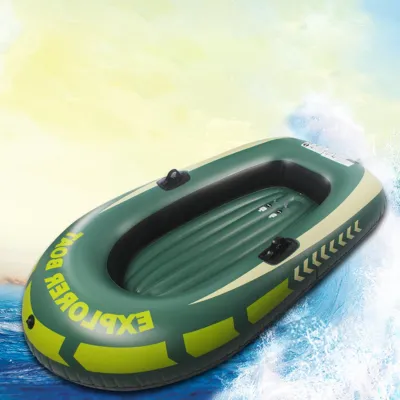
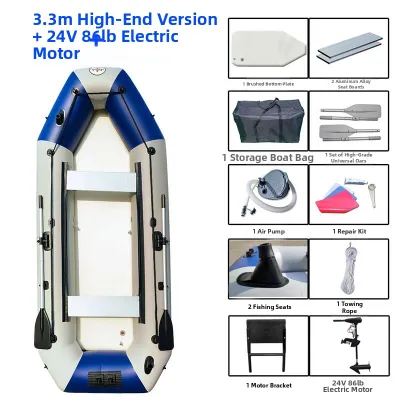
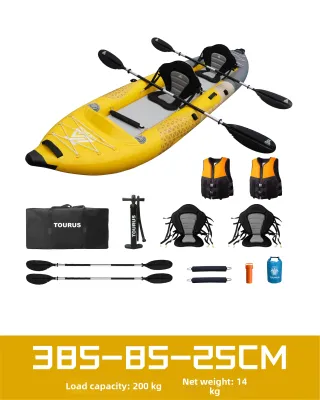
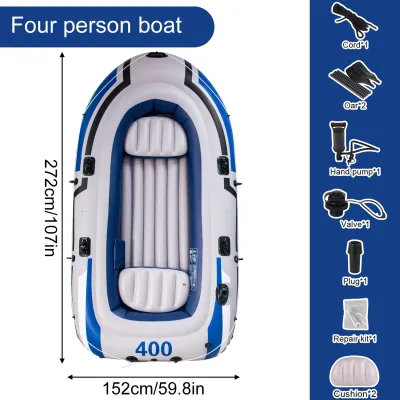
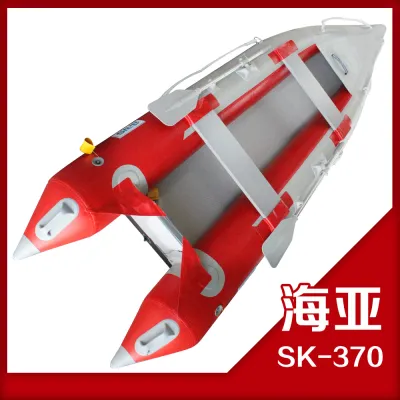
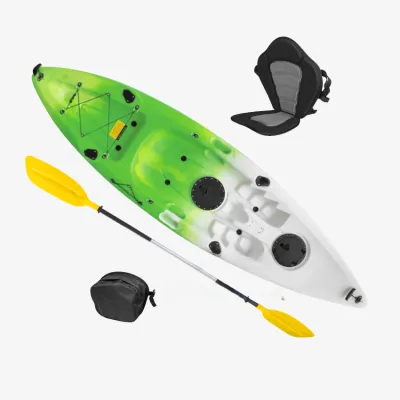
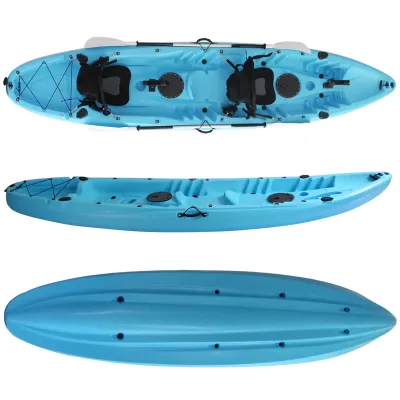
Prices are valid at publication and may change. Please refer to the product page for the latest price.
Verify first if you have physical mobility limitations, lack secure storage space, or are unsure how you will transport a rigid hull. In urban environments where space is at a premium, the physical dimensions and weight of your watercraft will dictate how often you actually get it onto the water.
Core Structural and Mechanical Differences
Understanding the fundamental design differences between canoes and kayaks is essential for predicting how each will behave on the water. These structural variations directly influence everything from your physical comfort to how much effort is required to move forward.
Hull Design and Deck Configurations
Canoes are traditionally characterized by an open-top deck design with high side walls (gunwales). This open architecture provides unrestricted space to load gear, stretch your legs, and change positions. However, the high sides act like sails, catching the wind and making the craft more difficult to control in strong crosswinds.
Kayaks generally feature a closed-deck design where the paddler sits inside a cockpit, or a sit-on-top design where the deck is sealed and self-bailing. Closed-deck kayaks excel at shedding water from waves and rain, and their low-profile hulls offer minimal wind resistance. Sit-on-top models are highly popular for recreational use because they eliminate the feeling of confinement and allow water to drain through scupper holes.
Seating Position and Center of Gravity
In a canoe, you sit on a raised bench seat or kneel directly on the hull floor. This elevated position provides an excellent vantage point for scanning the water, but it raises your center of gravity. A higher center of gravity makes the watercraft feel more sensitive to sudden shifts in body weight, requiring conscious balance from the occupants.
In contrast, a kayak positions you much lower, with your seat virtually level with or slightly below the waterline. Your legs extend forward inside the cockpit or along the deck. This low seating position dramatically lowers your center of gravity, providing an inherently stable feel and allowing you to use your lower body to help edge and control the boat.
Paddling Mechanics and Efficiency
Canoeists use a single-blade paddle, requiring a grip on the T-handle at the top and a hand on the shaft. Because you only paddle on one side of the craft at a time, you must master steering strokes—such as the J-stroke or the sweep stroke—to maintain a straight course. This single-sided paddling is a rhythmic, elegant art that requires practice to prevent the boat from constantly veering off-course.
Kayak paddling utilizes a double-bladed paddle, with blades offset on either end of a single shaft. You hold the shaft with both hands and use alternating left-and-right strokes, utilizing torso rotation to drive the boat forward. This continuous, alternating motion makes tracking straight highly intuitive for beginners and allows for rapid acceleration and efficient cruising.
Tracking and Maneuverability
Hull shape plays a decisive role in how easily a boat turns versus how well it holds a straight line. Canoes often have flatter bottoms and wider beams, which offer great stability but require more effort to keep moving in a straight line over long distances. Some canoes feature a slight keel line to assist with tracking.
Kayaks are typically longer and narrower relative to their width, with V-shaped or rounded hulls that slice through the water. This streamlined profile, combined with the low seating position, allows kayaks to track exceptionally well. Many touring and sea kayaks also feature foot-controlled rudders or drop-down skegs to help maintain a straight course in windy conditions.
Matching the Watercraft to Your Intended Activities
Matching your watercraft to your preferred paddling environment and activity type ensures you do not end up with a boat that is frustrating or unsafe to use.

Calm Lakes and Slow-Moving Reservoirs
For peaceful paddling on inland reservoirs, calm lakes, and slow rivers, both crafts have distinct advantages. Canoes are the ultimate choice for leisurely social outings, family picnics, and wildlife watching. The open hull allows you to pack a cooler, bring a shade umbrella, and easily share the space with a partner or children.
If your goal is to cover distance quickly, get a solid aerobic workout, or explore narrow, winding inlets and mangrove roots, a recreational kayak is highly efficient. Its maneuverability allows you to navigate tight spaces where a longer, wider canoe would struggle to turn.
Coastal Waters and Open Seas
Coastal environments present challenges like wind, waves, chop, and strong tidal currents. In these conditions, standard open canoes are generally unsuitable and unsafe. Because of their open decks and high sides, canoes can easily take on water from waves and are highly susceptible to being pushed off-course by coastal winds.
Sea kayaks are specifically engineered for these demanding environments. They feature long, narrow hulls, sealed bulkheads for buoyancy, and tight cockpits that can be sealed with a spray skirt to keep water out. These design features allow experienced paddlers to safely navigate coastal swells, chop, and open crossings.
Fishing and Gear-Heavy Trips
For anglers and overnight campers, the choice depends on your gear configuration and how you prefer to fish. Canoes offer unparalleled load capacity, allowing you to carry heavy camping gear, large tackle boxes, and rigid coolers without worrying about weight limits. The open deck also makes it easier to stand up to cast, provided you have a wide, stable hull.
On the other hand, modern fishing kayaks are highly specialized machines. Typically designed as wide, sit-on-top platforms, they offer exceptional stability for standing. Many are equipped with pedal-drive systems, leaving your hands completely free to manage your fishing rod. They also feature integrated track systems for mounting fish finders, rod holders, and cameras, making them a self-contained fishing platform.
Whitewater and Rapids
Navigating rapids and fast-flowing rivers requires specialized equipment and advanced skills. While both whitewater canoes and whitewater kayaks exist, they are highly specialized versions of the standard crafts. Whitewater kayaks are short, highly maneuverable, and designed to roll easily if flipped. Whitewater canoes are outfitted with extensive flotation bags to prevent swamping.
Regardless of which craft you choose, navigating rapids carries inherent risks. It requires professional instruction, specialized safety gear (such as whitewater-rated helmets and high-buoyancy PFDs), and a thorough understanding of swiftwater rescue techniques. Never attempt whitewater paddling without proper training.
Skill Level, Stability, and the Learning Curve
Each watercraft presents a unique learning curve and physical demands that you must consider before purchasing.
Initial vs. Secondary Stability
Stability is categorized into two types: initial (primary) stability and secondary stability. Initial stability refers to how steady the boat feels when it is resting flat on calm water. Secondary stability refers to the boat’s ability to resist capsizing when it is tilted or edged on its side.
Canoes generally offer excellent initial stability. When you step into a wide-beam canoe on calm water, it feels rock-solid. However, if a canoe is leaned past its limit, it tends to capsize suddenly with very little warning.
Kayaks, especially narrower touring models, can feel slightly “tippy” initially. However, they possess excellent secondary stability. Experienced kayakers can lean the boat significantly on its edge to carve tight turns without capsizing, relying on the hull’s design to keep them upright.
The Learning Curve for Beginners
For a complete novice, a kayak is generally easier to paddle competently on day one. The double-bladed paddle and alternating stroke mechanics make moving forward and steering highly intuitive. You can easily correct your course with simple paddle adjustments, allowing you to enjoy your first outing without frustration.
Learning to paddle a canoe solo or in tandem requires more patience and coordination. If you are paddling with a partner, you must synchronize your strokes and communicate constantly to avoid fighting each other’s steering. Learning to steer a canoe efficiently from the stern seat requires mastering subtle paddle angles, which takes time and dedicated practice.
Capsize Recovery and Re-entry
Capsizing is an eventual reality in water sports, and your ability to recover depends heavily on your craft. If an open canoe capsizes in deep water, it fills completely with water. Emptying a swamped canoe and climbing back in from deep water is physically demanding and usually requires a second boat or specialized rescue equipment.
With a sit-on-top kayak, capsize recovery is straightforward. Because the hull is sealed and buoyant, you simply flip the kayak back over and climb back on from the side. For a sit-in kayak, recovering from a capsize requires knowing how to perform a “wet exit” (slipping out of the cockpit underwater) and executing a self-rescue using a paddle float, or mastering the Eskimo roll to upright yourself without exiting.
Physical Mobility and Biomechanics
Your physical health and joint mobility should play a significant role in your decision. Entering and exiting a sit-in kayak requires you to sit very low to the ground and slide your legs into a confined space, which can be challenging if you have stiff knees, hips, or lower back issues.
Canoes offer a more natural, upright sitting position on a raised bench, making them easier to step into and out of for individuals with limited flexibility. However, stepping into a canoe requires careful balance to keep your weight centered over the keel line. Sit-on-top kayaks offer a middle ground, providing relatively easy boarding and a comfortable, open leg position.
Practical Logistics: Transport, Storage, and Gear
Owning a watercraft involves significant off-water responsibilities. In urban environments where living spaces are compact, these logistical factors are often the ultimate deciding factor.
Storage Constraints in Urban Environments
Rigid canoes and kayaks are long, bulky items. A typical single kayak ranges from 3 to 4.5 meters in length, while tandem canoes can easily exceed 5 meters. Before buying, you must have a concrete plan for where to store your boat.
In high-density housing areas, such as apartments or condominiums, storing a rigid boat can be incredibly difficult. Fire safety regulations often strictly prohibit storing large items in common corridors or stairwells. You will need to verify if your building has dedicated watercraft storage racks, or if you have enough space inside your home, balcony, or private garage to mount the boat on a wall or ceiling hoist.
Transport and Vehicle Roof Racks
Transporting a rigid watercraft requires a vehicle equipped with a certified roof rack system, proper cradles or foam blocks, and heavy-duty tie-down straps. Loading a heavy canoe or double kayak onto a car roof often requires two people and a degree of physical strength.
If you do not own a car, transport becomes a major hurdle. You will need to rely on specialized transport services or choose a paddling location that offers on-site storage lockers. Always ensure your transport method complies with local transport authority guidelines regarding load overhangs and secure fastening.
Inflatable and Folding Alternatives
If storing and transporting a rigid hull is not feasible, high-quality inflatable or folding models are excellent alternatives. Modern inflatable kayaks and canoes utilize drop-stitch technology—the same material used in stand-up paddleboards—allowing them to be inflated to high pressures, resulting in a remarkably rigid and efficient hull.
Folding kayaks use a collapsible frame covered by a durable waterproof skin, mimicking the performance of a rigid touring kayak. These alternative watercraft can be deflated or disassembled and packed into a large backpack, making them easy to store in a closet, transport in a car boot, or even take on public transport.
- Inflatable Pros: Easy storage, highly portable, excellent stability, quick setup with a high-pressure pump.
- Inflatable Cons: Susceptible to wind, requires thorough drying before storage to prevent mold, slightly slower than rigid hulls.
- Folding Pros: Excellent tracking and speed, packs down small, durable hull materials.
- Folding Cons: Higher initial cost, longer assembly and disassembly times, requires careful maintenance of moving parts.
Essential Gear Checklist
Regardless of which craft you choose, you must budget for essential safety and performance gear. Never hit the water without the following items:
- Personal Flotation Device (PFD): A properly fitted, coast-guard-approved PFD is non-negotiable for every passenger.
- Paddle: Ensure your paddle is the correct length for your height and the width of your boat.
- Bailer or Bilge Pump: Essential for clearing water from your hull or cockpit after a capsize or heavy rain.
- Dry Bags: Keep your phone, keys, extra clothing, and safety gear completely dry and secure.
- Communication Device: A waterproof VHF radio or a mobile phone in a certified waterproof pouch is vital for calling for assistance.
- Navigation Lights: Mandatory if you plan to paddle during low-light conditions, dawn, or dusk.
Always verify local maritime and port authority regulations regarding mandatory safety equipment, permitted paddling zones, and registration requirements before launching.
Safety Boundaries and Pre-Trip Checks
Safety on the water depends on preparation, environmental awareness, and knowing your personal limits. Equipment can assist you, but it cannot replace sound judgment.
Weather, Wind, and Tide Checks
Before heading out, always check the local weather forecast, wind speeds, and tidal currents. Tropical environments are prone to sudden, severe thunderstorms and lightning strikes. If a lightning warning is active, delay your launch or head to the nearest safe shore immediately.
Wind is a paddler’s greatest adversary. Strong offshore winds can make it incredibly difficult to paddle back to shore, especially in a high-sided canoe. Tidal currents can also create dangerous chop and pull you off-course rapidly. Always plan your route to paddle against the wind or current on the way out, ensuring you have an easier journey on the return leg when you are tired.
Adhering to Capacity Limits
Every watercraft has a maximum weight capacity specified by the manufacturer. This capacity includes the weight of all passengers, gear, water, and accessories. Never exceed this limit, as an overloaded boat sits lower in the water, making it highly unstable and prone to swamping from minor waves.
When loading your boat, distribute the weight evenly. Keep heavy items as low as possible and centered along the keel line. Secure all gear to prevent it from shifting suddenly, which can destabilize the craft and cause a capsize.
Knowing When to Stop
Fatigue, dehydration, and heat exhaustion can set in quickly when paddling under a tropical sun. Monitor your energy levels and those of your companions. Always carry more fresh drinking water than you think you will need, along with sun protection.
If you encounter deteriorating weather, rising winds, or equipment malfunction, do not hesitate to cut your trip short. Identify safe, alternative landing zones along your route before you set out, so you always have a backup plan if you need to exit the water quickly.
The Value of Professional Instruction
While paddling may seem straightforward, taking a certified course from a recognized paddling association is highly recommended. Professional instruction will teach you efficient stroke techniques to prevent shoulder strain, essential self-rescue maneuvers, and navigation safety. Gaining these skills under the guidance of a qualified instructor builds confidence and ensures you can handle unexpected situations safely.
Frequently Asked Questions (FAQ)
Is it easier to flip a canoe or a kayak?
Whether a canoe or a kayak is easier to flip depends on the type of stability you are testing and how you move your body. Canoes have high initial stability, meaning they feel very steady when flat on calm water, but they can flip suddenly if you lean too far over the side or stand up carelessly. Kayaks, particularly sit-in models, may feel slightly more sensitive to minor body movements initially, but they possess superior secondary stability, allowing them to tilt further on their edge without capsizing. Ultimately, user movement, improper weight distribution, and rough water conditions dictate tipping risk more than the boat type alone.
Can I use a kayak paddle in a canoe?
Yes, you can use a kayak paddle in a canoe, but it is generally inefficient for long-term use. Because canoes are wider and sit higher out of the water than kayaks, a standard kayak paddle will be too short, forcing you to lean awkwardly over the gunwales to make contact with the water. This awkward angle causes water to drip directly into the open canoe hull and places excessive strain on your shoulders and lower back. If you choose to use a double-bladed paddle in a canoe, you will need to purchase an extra-long paddle specifically designed for high-sided crafts.
Do I need a license to paddle a canoe or kayak in Singapore?
In Singapore, you do not need a personal license to paddle a non-motorized canoe or kayak for recreational purposes. However, you must strictly adhere to the zoning laws and regulations set by local authorities such as the Public Utilities Board (PUB) for reservoirs and the Maritime and Port Authority (MPA) for coastal waters. Certain reservoirs only permit paddling within designated zones and require you to launch from approved rental centers or clubs. For coastal paddling, you must stay clear of commercial shipping lanes and port limits. Always check the latest official guidelines from PUB and MPA before planning your route.
Community discussion
Share your experience or ask a question. Comments are reviewed before publication.