
For HDB home use, choosing between a cast iron and a vinyl-coated 5kg kettlebell depends on whether you prioritize floor protection and noise reduction (vinyl-coated) or grip texture, compact size, and lifelong durability (cast iron). In the compact layout of a Singapore apartment, your fitness equipment must coexist with delicate flooring and close neighbors. While both options provide the exact same 5kg of resistance, their physical designs alter how they feel in your hands and how they impact your living space.
Understanding these material differences is essential before bringing new gear into your home. A wrong choice could lead to chipped floor tiles, noise complaints from neighbors downstairs, or a slippery grip during dynamic exercises. By evaluating how each material performs under typical apartment conditions, you can select the ideal tool for a safe and effective home workout.
Floor Protection and Noise Reduction for Apartment Living
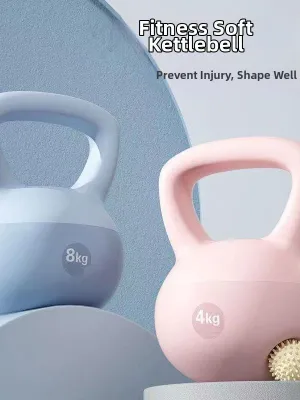
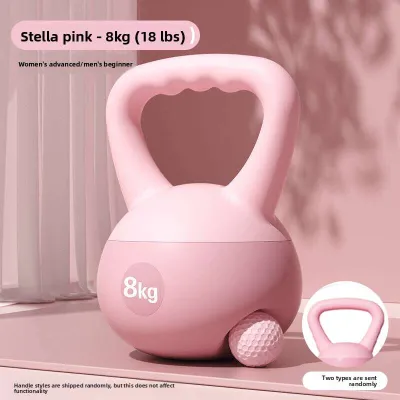
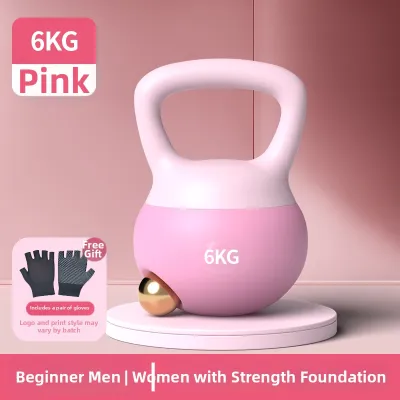
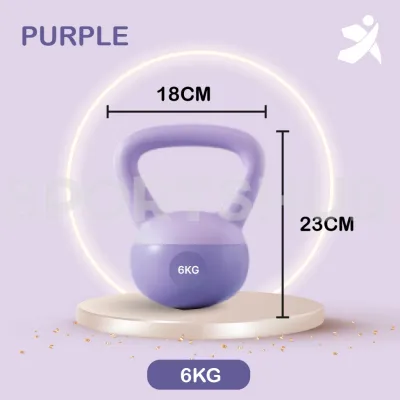
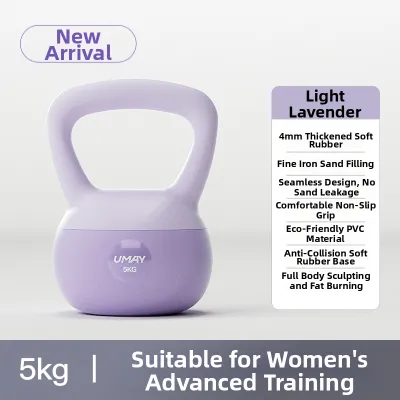
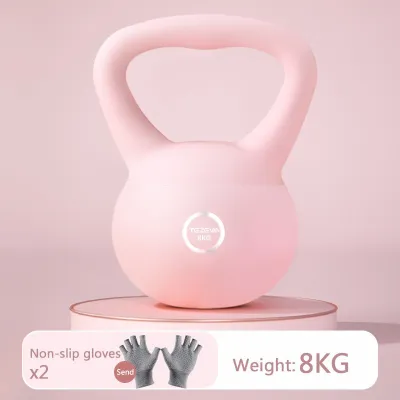
Living in an HDB flat means sharing walls and floors with neighbors, making noise management a primary concern during workouts. When you set down a kettlebell, the impact creates structure-borne noise that can easily travel through the concrete floor slab. A vinyl-coated kettlebell features a layer of polyvinyl chloride (PVC) or similar plastic wrapped around the metal core. This outer layer acts as a minor shock absorber, dampening the metallic clatter when the weight touches the floor and reducing the risk of surface scratches on vinyl planks or laminate flooring.
Products mentioned in this guide
![【SG Seller】1 PCS Kettlebell Quality Solid Fitness Household Dumbbell Lifting 5KG [Fast Shipping]](https://img.lazcdn.com/g/p/0607b799c91e1b5fa6bea9c4d83e7018.png_400x400q80.png_.webp)
Prices are valid at publication and may change. Please refer to the product page for the latest price.
In contrast, a traditional cast iron kettlebell is solid metal from handle to base. If you place it down too quickly on bare homogeneous or ceramic tiles, the hard iron can easily chip the glaze or crack the tile. To use a cast iron kettlebell safely in an HDB apartment, you must invest in high-density rubber tiles or a thick exercise mat. This extra layer is necessary to absorb the impact and prevent direct metal-to-tile contact.
Regardless of the material you choose, dropping a 5kg weight from any height poses a risk to your flooring and peace of mind. It is highly recommended to check your building management guidelines or HDB renovation rules regarding floor load limits and noise disturbances. Creating a dedicated workout zone with interlocking foam or rubber mats is the most reliable way to keep your home gym neighbor-friendly and protect your property from accidental damage.
Grip Texture, Handle Sizing, and Workout Comfort
At a weight of 5kg, a kettlebell is relatively small, which directly affects its handle dimensions and overall ergonomics. Vinyl-coated kettlebells are often bulkier because the protective coating adds several millimeters of thickness to the body and sometimes the handle horns. For individuals with smaller hands, this added bulk can make the handle feel awkwardly thick, potentially compromising your grip security during high-repetition movements like swings or cleans.

Cast iron kettlebells are cast as a single piece of metal, allowing for a more compact and streamlined profile. The handle diameter is typically standardized and matches the natural contour of your hand. Furthermore, the surface of cast iron is naturally porous, especially when finished with a matte powder coating. This texture provides excellent friction, helping you maintain a secure hold even when your hands begin to sweat.
In Singapore’s warm and humid climate, sweat management is a critical factor for workout safety. When vinyl coatings get wet, they can become incredibly slick, making dynamic exercises like kettlebell swings more challenging to perform safely. Cast iron handles hold gym chalk exceptionally well, allowing you to dry your palms and maintain a consistent, slip-resistant grip throughout your entire training session.
Durability, Chipping, and Long-Term Maintenance
Investing in home gym equipment means looking at how well the materials withstand daily wear and tear over several years. Vinyl-coated kettlebells are highly practical for preventing immediate scratches, but the vinyl shell itself is susceptible to damage. Over time, friction against storage racks, contact with other weights, or exposure to sunlight near a balcony can cause the vinyl to split, peel, or harden. Once the outer shell is compromised, moisture can seep underneath, leading to hidden rust on the inner metal core.
Cast iron kettlebells are renowned for their near-indestructible structural durability. They do not have an outer plastic shell that can peel or tear. However, they are not entirely maintenance-free. Most cast iron weights are finished with paint or powder coating to protect the raw iron from the air. If this coating chips due to accidental impacts, the exposed iron will quickly rust when exposed to Singapore’s high relative humidity.
To maximize the lifespan of your kettlebell, proper maintenance and storage are essential. After every workout, wipe down the handle and body with a dry microfiber cloth to remove corrosive sweat. Store your equipment indoors in a dry, well-ventilated area rather than on an open balcony. For cast iron models, checking the surface periodically for minor chips and touching them up with a rust-preventative paint can keep the weight in pristine condition for decades.
Decision Framework: Choosing Your 5kg Kettlebell
To finalize your decision, evaluate your specific living arrangements, flooring setup, and workout preferences against the unique characteristics of each material.
Choose a vinyl-coated kettlebell if:
- You do not own thick rubber gym mats and want to minimize the risk of scratching your floors.
- Your workouts consist primarily of slow, controlled movements where the weight is rarely swung dynamically.
- You prioritize noise dampening to keep your workouts as quiet as possible for family members or downstairs neighbors.
Choose a cast iron kettlebell if:
- You already have a dedicated workout area equipped with high-density rubber flooring.
- You prefer a traditional, textured grip that remains secure even when your hands are sweaty.
- You want a compact, space-saving design with a standardized handle size for dynamic movements.
- You are looking for a lifelong investment that will not peel, crack, or degrade over time.
Before purchasing, verify your training space by measuring where you plan to store the weight and checking the thickness of your current exercise mat. Ensuring your setup can handle the physical demands of kettlebell training will protect both your home and your body.
Frequently Asked Questions (FAQ)
Do I still need a workout mat if I buy a vinyl-coated kettlebell?
Yes, you should still use a workout mat even with a vinyl-coated kettlebell. While the vinyl coating is excellent for preventing surface scratches and dampening minor clatter, it does not provide enough shock absorption to protect your subfloor from a drop. A 5kg weight dropped from waist height concentrates all its force onto a very small surface area, which can easily crack underlying tiles or dent wooden floors. A high-density rubber or foam mat is necessary to distribute this impact force safely.
Will a 5kg kettlebell damage standard HDB floor tiles?
Simply placing a 5kg kettlebell gently on standard HDB homogeneous or ceramic tiles will not cause any damage. However, dynamic impacts from dropping, dragging, or knocking the weight against the floor can easily shatter or chip the tiles. The force of a moving weight is significantly higher than its static weight. Always inspect your floor tiles for existing hairline cracks and ensure you perform your exercises over a protective barrier like a dedicated gym mat to prevent costly floor repairs.
Community discussion
Share your experience or ask a question. Comments are reviewed before publication.