
Selecting the right kettlebell material is the most critical decision you will make when building a compact home gym. The choice between cast iron, vinyl-coated, and competition steel determines not only how much you pay upfront, but also how the weight feels in your hand, how long the equipment lasts, and whether your home flooring remains undamaged.
There is no single “best” material for every lifter. The ideal choice depends on your training style, living situation, and budget. Traditional cast iron offers a rugged, compact design suited for general strength training and heavy lifts. Vinyl-coated options provide a budget-friendly entry point with built-in surface protection, making them popular for beginners. Competition steel kettlebells feature standardized dimensions across all weights, offering the precise balance and handle consistency required for high-rep ballistic movements.
For general strength training and long-term durability, cast iron is the industry standard. If you are a beginner or live in an apartment where floor scuffs are a primary concern, a quality vinyl- or rubber-coated iron bell is a practical starting point. For dedicated lifters focusing on technical consistency, high-rep endurance, or kettlebell sport, investing in competition steel is the most effective path forward.
Products mentioned in this guide




Prices are valid at publication and may change. Please refer to the product page for the latest price.
Cast Iron Kettlebells: Durability and Classic Feel
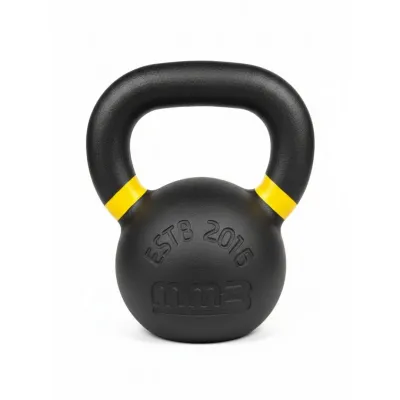
Traditional cast iron kettlebells are molded from a single piece of molten metal. This single-cast manufacturing process is vital for safety, as cheaper iron bells with welded handles can shear or break under high ballistic forces. Once cast, these bells are typically finished with a powder coat, enamel, or basic paint to protect the raw iron from immediate oxidation.
One of the primary advantages of cast iron is its compact physical footprint. Because iron is highly dense, these kettlebells remain relatively small even as the weight increases, allowing for a natural range of motion close to the body. They also offer a classic, rugged feel and generally provide the best long-term cost-per-kilogram value among solid metal weights.
However, cast iron has distinct physical limitations. Because the physical size of the bell grows with its weight, the handle diameter and window size change significantly as you progress. This variation can disrupt muscle memory and alter how the bell rests against your forearm during overhead movements. Additionally, chipped paint or powder coating exposes the raw iron underneath, which can rust quickly if exposed to moisture.
Best Use Case: Cast iron is ideal for general strength training, heavy “grinds” like strict overhead presses, goblet squats, and Turkish get-ups, as well as outdoor workouts. It is the best choice for lifters who prioritize space-saving storage and lifetime durability over floor aesthetics.
Vinyl-Coated Kettlebells: Floor Protection and Budget Appeal
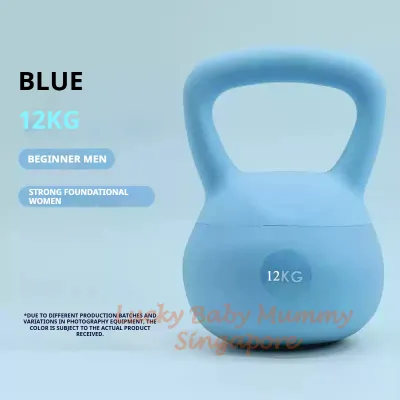
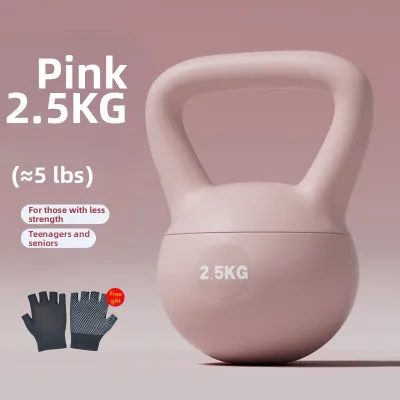
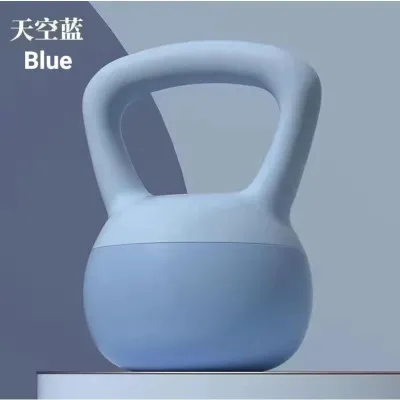
Vinyl-coated kettlebells feature a colorful outer shell made of dipped vinyl, neoprene, or rubber that encases the weight’s body. This protective sleeve is designed to cushion impacts and prevent the metal from directly contacting your surroundings. Underneath this coating, however, lies a critical construction difference that buyers must verify: the core material.

High-quality coated bells use a solid cast iron core, while budget-focused alternatives often use a cheaper cement or sand mixture. The primary advantage of a quality vinyl or rubber coating is floor protection. It reduces the risk of minor scratches on hard surfaces and dampens the metallic clanging noise when setting the weight down. Furthermore, the bright color-coding makes it easy to identify different weights at a glance.
Despite their visual appeal, coated kettlebells have notable drawbacks. The vinyl or neoprene sleeve can peel, crack, or become sticky over time, especially when exposed to friction or sweat. Cement-filled models are significantly bulkier than solid iron equivalents because cement is far less dense. This increased volume alters the bell’s center of mass, making it swing wider and potentially bang against your forearms during cleans and snatches. Additionally, handles that are fully coated in smooth vinyl can become exceptionally slippery when wet with sweat.
Best Use Case: Coated kettlebells are well-suited for beginners, apartment or HDB dwellers with hard tile or wood flooring, light-to-moderate home workouts, and buyers working within a strict initial budget.
Competition Kettlebells: Uniform Size for Technical Precision
Competition kettlebells, also known as sport kettlebells, are engineered specifically for Girevoy Sport (kettlebell lifting competitions). Unlike cast iron bells, which grow larger as they get heavier, every competition kettlebell has the exact same external dimensions, handle diameter, and bell shape, regardless of whether it weighs 8kg or 32kg.
To achieve this uniformity, competition bells are constructed from steel with a hollow core. Manufacturers adjust the weight by varying the thickness of the steel walls or adding internal counterweights. The standardized 33mm to 35mm handle is left unpainted and polished to a smooth finish, allowing the bell to rotate easily within your palm during high-rep ballistic movements like snatches and cleans. This design minimizes friction, reducing the risk of blisters and hand tears.
The primary limitation of competition kettlebells is their premium price point, as steel construction and precision engineering require a higher manufacturing budget. Additionally, lighter competition weights (such as 8kg or 12kg) have a much larger physical footprint than their cast iron counterparts, which can feel unwieldy for smaller lifters or during two-handed exercises. The smooth steel handles also require the consistent use of gym chalk, as they offer very little natural traction when bare.
Best Use Case: These are designed for kettlebell sport practitioners, advanced lifters focusing on high-rep ballistic endurance, and home gym owners who value technical consistency across all weight ranges.
How to Choose the Right Material for Your Training and Space
Selecting the right kettlebell requires balancing your physical training goals with the practical constraints of your living space and budget.
Training Style Alignment
Your primary exercises should dictate your material choice. If your routine consists of slow, controlled strength movements—often called “grinds”—such as strict overhead presses, goblet squats, and Turkish get-ups, cast iron is highly efficient. For high-rep ballistic movements like snatches, cleans, and jerks, competition steel is superior because the consistent handle size protects your hands and preserves your technique. If your workouts consist primarily of basic two-handed swings and goblet squats, a vinyl-coated iron bell is more than sufficient.
Floor Protection and Living Space
For those living in apartments or HDB flats, floor protection is a primary operational constraint. Standard residential flooring, such as ceramic tiles, homogenous tiles, or engineered timber, is highly susceptible to cracking or deep scratching under the impact of heavy weights. While vinyl or neoprene coatings offer a small buffer against minor scuffs, they cannot absorb the kinetic energy of a dropped weight. To prevent structural damage and noise complaints from neighbors below, you must install high-density rubber flooring—such as 15mm to 20mm thick rubber gym tiles—regardless of which kettlebell material you choose.
Budget vs. Long-Term Value
Budget considerations should balance upfront costs against long-term durability. Vinyl-coated cement bells are the most economical initial purchase, often costing under S$40 for lighter weights. However, their bulkiness and fragile coatings mean they are frequently replaced as your strength progresses. Cast iron represents a mid-tier investment (typically S$50 to S$150 depending on weight) that can last a lifetime. Competition steel bells are premium equipment, often priced from S$100 to over S$250 per bell, but they offer unmatched durability and technical precision for serious lifters.
Handle Texture and Grip Management
The interface between your hand and the bell is a critical safety point. Powder-coated cast iron offers a natural, matte texture that holds chalk well and provides a reliable grip. Smooth steel handles on competition bells are designed to slide smoothly within the palm during high-rep transitions, but they require chalk to prevent slipping when your hands sweat. Vinyl-coated handles, or cast iron handles that have been fully coated in slick vinyl, present a significant safety hazard when wet, as they repel chalk and force you to rely entirely on raw grip strength.
Sizing and Weight Progression for Home Workouts
Choosing the right material is only half the decision; you must also select a starting weight that allows you to build proper mechanics safely.
Starting Weight Guidelines
For foundational ballistic movements like the two-arm swing, general guidelines suggest a starting weight of 8kg to 12kg for women, and 12kg to 16kg for men. These ranges accommodate average fitness levels while ensuring the weight is heavy enough to engage the posterior chain but light enough to control. Form must always dictate your progression; if your lower back rounds or your grip fails, you must drop to a lighter weight.
Single vs. Pairs
You do not need to buy kettlebells in pairs initially. A single bell is highly versatile, allowing you to perform single-arm swings, goblet squats, lunges, and Turkish get-ups. Investing in a single, high-quality cast iron or competition bell is often more beneficial than buying a cheap pair of poorly constructed weights. As your strength and coordination improve, you can purchase a second matching bell to introduce double cleans, double front squats, and renegade rows to your routine.
Adjustable Kettlebells as an Alternative
For space-constrained home gyms, adjustable kettlebells are an appealing alternative. These units use a central locking mechanism to hold stackable weight plates inside a standard-sized shell, allowing you to adjust the weight from 12kg to 32kg in a single unit. While highly cost-effective and space-saving, adjustable models have mechanical parts that can rattle, bulkier handles, and are not suitable for heavy drops or high-impact ballistic training.
Maintenance and Care by Material Type
Proper maintenance extends the lifespan of your equipment and ensures your workouts remain safe.
- Cast Iron Care: In humid climates, bare iron is highly susceptible to oxidation. Always wipe your kettlebell dry with a clean towel immediately after a sweaty session. Inspect the surface regularly for chips in the powder coat; if bare metal is exposed, apply a light coat of rust-inhibiting paint to prevent corrosion.
- Vinyl-Coated Care: Clean the outer shell with a damp microfiber cloth and a mild, non-abrasive soap. Avoid leaving coated weights in direct sunlight or near heat sources, as UV exposure and high temperatures can cause the vinyl or rubber to degrade, crack, or become sticky.
- Competition Steel Care: Steel handles are typically left bare or lightly polished to allow the hand to slide without friction. To maintain this surface, use a fine wire brush to regularly remove packed chalk and sweat residue. If you notice any tiny metal burrs on the handle, lightly smooth them out with fine-grit sandpaper to protect your hands.
- Floor Mat Hygiene: A frequently overlooked maintenance step is cleaning beneath your gym mats. Moisture can easily become trapped between the rubber mats and your floor, leading to mold growth on the floor and hidden rust on the bottom of your kettlebells. Lift your mats monthly to clean and dry the subfloor.
Frequently Asked Questions (FAQ)
Can I use a vinyl-coated kettlebell for kettlebell sport?
Vinyl-coated kettlebells are unsuitable for kettlebell sport. The smooth, coated handles become highly slippery when wet with sweat, which increases the risk of losing your grip during high-rep sets. Additionally, the varying physical dimensions of coated bells disrupt the precise forearm placement and rack position required for competitive lifting techniques.
Do cast iron kettlebells rust in Singapore's humid climate?
Yes, cast iron kettlebells can rust in high-humidity environments if they are neglected. To prevent rust, always wipe down the bell after use to remove sweat, store it indoors in a dry area rather than on an open balcony, and promptly touch up any chipped paint or powder coating with a rust-resistant sealant.
Are cement-filled kettlebells as good as solid cast iron?
Cement-filled kettlebells are not as durable or functional as solid cast iron. Because cement is less dense than iron, these bells are significantly bulkier for the same weight, which alters their center of mass and interferes with proper swing mechanics. The outer plastic or vinyl shell is also prone to cracking, which can cause the internal cement mixture to leak.
Community discussion
Share your experience or ask a question. Comments are reviewed before publication.