
Choosing between a chain and a nylon basketball net for an outdoor court in Singapore depends entirely on your specific court environment and how much time you want to spend on upkeep. There is no single winner that excels in every scenario, as Singapore’s intense tropical climate presents unique challenges for both materials. The constant cycle of heavy downpours and scorching UV radiation will degrade any net over time, but they fail in completely different ways.
Chain nets offer exceptional resistance to physical tearing and solar degradation, making them highly durable against rough play and intense sunlight. However, the persistent high humidity and frequent rain in Singapore make metal nets highly susceptible to oxidation and rust if they lack proper protective coatings.
Nylon nets, on the other hand, are completely immune to rust and provide a classic playing experience. Their primary vulnerabilities are solar UV radiation, which gradually weakens the synthetic fibers, and moisture retention, which can lead to mold and mildew growth in shaded or poorly ventilated areas.
Products mentioned in this guide
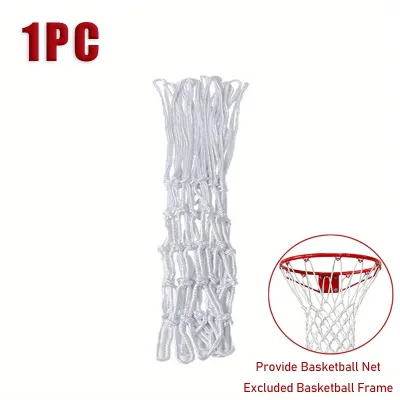
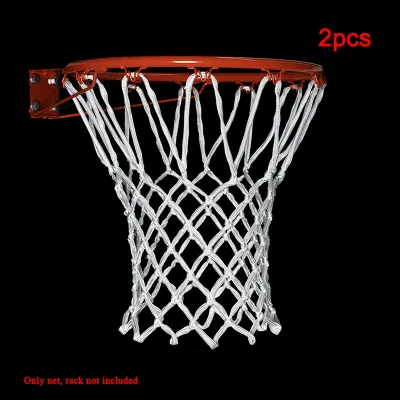
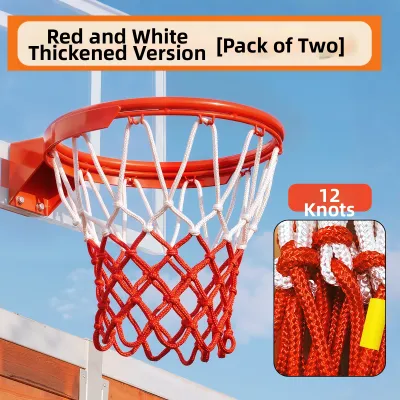
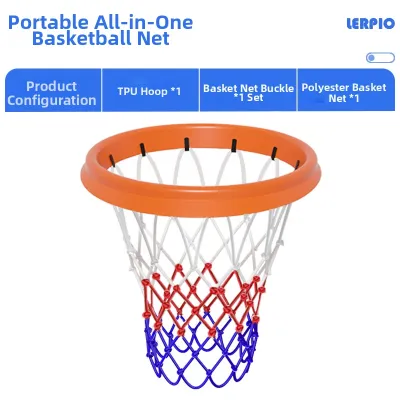
Prices are valid at publication and may change. Please refer to the product page for the latest price.
Weather Resistance: How Heat, Rain, and Humidity Affect Each Material
Singapore’s climate is characterized by high temperatures, abundant rainfall, and relative humidity levels that frequently exceed 80 percent. These factors create a punishing environment for outdoor sports equipment, requiring players and facility managers to understand how different materials degrade over time.
Chain Nets and the Threat of Oxidation
Metal chain nets are highly valued for their structural toughness, but their longevity in Singapore is directly tied to their surface treatment. When steel chains are exposed to frequent rain and constant humidity, moisture settles in the links, initiating the chemical process of oxidation. To prevent rapid rusting, you must verify the specific finish of the chain before purchasing. Look for chains specified as hot-dip galvanized, zinc-plated, or finished with an outdoor-grade powder coating. Uncoated or poorly plated steel chains can begin to show rust spots within just a few months of exposure to tropical rain, which eventually weakens the links and stains the basketball.
Nylon Nets and UV Degradation
Nylon is a synthetic polymer that offers excellent elasticity and strength, but it is highly sensitive to ultraviolet (UV) light. The intense, year-round tropical sun in Singapore breaks down the chemical bonds within standard nylon fibers, a process known as photo-degradation. Over time, this causes the net to lose its elasticity, fade in color, and become brittle. Additionally, because nylon can absorb water, a wet net that remains damp in Singapore’s humid air becomes a breeding ground for mold, mildew, and rot. When selecting a nylon net, it is crucial to check the product specifications for built-in UV inhibitors and anti-microbial or weather-resistant coatings that prevent water absorption.
Wind Stability and Movement
Wind resistance is another factor where these materials behave differently. During sudden afternoon thunderstorms, strong gusts can easily blow lightweight nylon nets upward, sometimes causing them to tangle around the rim or flip inside out. Chain nets are significantly heavier, allowing them to remain stable and hang straight even during severe weather, ensuring the hoop is always ready for play once the rain stops.
Play Experience: Sound, Ball Feedback, and Player Comfort
Beyond pure durability, the material of your basketball net significantly shapes the sensory and physical experience of every shot you take.

Acoustic Feedback
For many players, the sound of a successful shot is a key part of the game’s appeal. Chain nets produce a loud, metallic clinking sound when the ball passes through, which is highly satisfying and easily heard even on a noisy outdoor court. Nylon nets deliver the traditional, soft “swish” sound that many players prefer for its classic, satisfying tone.
Ball Interaction and Consistency
The physical behavior of the ball as it passes through the net varies between the two materials. Nylon nets are flexible and expand slightly, guiding the ball smoothly downward in a predictable trajectory. Chain nets are rigid; if the links are too tight or heavy, they can occasionally catch the ball, slow it down excessively, or cause unpredictable bounces when shots hit the rim or the upper loops of the chain.
Player Comfort and Safety
Player safety is a critical consideration, especially on public courts where players of all skill levels gather. Nylon nets are soft and forgiving, posing virtually no risk of injury during normal play. Chain nets, however, consist of hard metal links that can cause painful finger abrasions, pinches, or cuts if a player’s hand makes contact with the net during a layup, rebound, or dunk. If the court is frequently used for aggressive play or by younger players, the soft texture of nylon is generally much safer.
Maintenance and Safety: Keeping Your Net Functional and Injury-Free
Regular maintenance is essential to extend the lifespan of your outdoor basketball net and protect players from unnecessary injuries.
Chain Net Maintenance Checklist
To keep a chain net in safe working order, perform a visual inspection at least once a month.
- Check for rust: Look closely at the connection points between links and where the net attaches to the rim.
- Inspect link integrity: Ensure no links have bent open or developed sharp, jagged edges that could cut a player's hand or damage the basketball.
- Apply protection: If permitted by the manufacturer, apply a thin layer of outdoor-grade rust-inhibiting spray or rust converter to vulnerable areas to halt early oxidation.
Nylon Net Maintenance Checklist
Nylon nets require different care to combat the effects of moisture and sun.
- Clean dirt and debris: Gently rinse the net with clean water to remove accumulated dirt, grit, and salt deposits that can abrade the fibers.
- Inspect for fraying: Run your hands along the loops to check for thinning sections, loose threads, or snapping fibers.
- Ensure proper drying: If the hoop is in a shaded area, check that the net is drying completely after rain to prevent mold from rotting the material.
Safety Boundaries and Replacement Triggers
Never ignore a damaged net. If a chain net develops broken links with sharp protrusions, or if a nylon net has multiple frayed loops that are close to snapping, stop using the hoop immediately. A compromised net can catch a player’s finger or alter the path of the ball unexpectedly. Replace the net promptly rather than attempting temporary fixes.
How to Choose: Decision Framework for Your Outdoor Setup
To make the right choice for your outdoor hoop, evaluate your specific court conditions, usage patterns, and maintenance preferences.
When to Choose Chain
A chain net is highly suitable if:
- The hoop is located in an open, high-wind area where lightweight nets constantly tangle.
- The court is unsupervised or prone to vandalism, where a nylon net might be easily cut or stolen.
- You want a long-term installation and are willing to perform regular rust checks and apply protective coatings.
When to Choose Nylon
A nylon net is the better option if:
- Player safety is your top priority, particularly if players frequently play above the rim or dunk.
- You prefer a quiet playing experience and consistent, smooth ball feedback during shooting practice.
- You do not mind replacing the net every year or two as the tropical sun gradually wears down the fibers.
Crucial Compatibility Checks
Before purchasing any net, always inspect your basketball rim. Standard rims feature twelve welded hooks to secure the net. Verify that the attachment loops of your chosen chain or nylon net match the hook spacing and style of your rim. Some heavy-duty or anti-theft rims require specific net attachment systems, so checking compatibility beforehand prevents installation issues.
Installation and Care: Maximizing the Lifespan of Your Outdoor Net
Proper installation and proactive care are the final steps in ensuring your basketball net survives the demanding Singapore climate.
Secure Installation Practices
When hanging your net, ensure that every loop is securely and evenly fastened to the rim hooks. Uneven weight distribution puts excessive stress on specific loops, leading to premature tearing in nylon nets or bent links in chain nets. If your rim has sharp or rusted hooks, sand them down or cover them to prevent them from cutting into nylon fibers during installation.
Establishing an Inspection Routine
Set a recurring schedule—such as the first weekend of every month—to inspect the hoop. Catching minor issues early, like a slightly open chain link or a small frayed section on a nylon net, allows you to address them before they lead to a complete structural failure.
Knowing When to Stop and Replace
If you notice significant structural degradation, do not attempt temporary DIY repairs with household wire, zip ties, or string. These makeshift solutions often create sharp edges or uneven tension, increasing the risk of player injury. If the net’s integrity is compromised, consult the manufacturer’s guidelines or replace the net entirely with a fresh, outdoor-rated model.
Frequently Asked Questions (FAQ)
Can I use a standard indoor nylon net on an outdoor hoop?
No, using a standard indoor nylon net on an outdoor hoop in Singapore is not recommended. Indoor nets are designed for climate-controlled environments and typically lack the necessary UV-inhibitor treatments and moisture-resistant coatings. When exposed to intense tropical sunlight and heavy rain, an indoor net will degrade rapidly, becoming brittle, fading, and rotting within a matter of months. Always check the product packaging to verify that the net is explicitly rated for outdoor or all-weather use before installing it.
How do I know when it is time to replace my outdoor basketball net?
You should replace your outdoor basketball net as soon as you observe clear signs of structural failure or safety hazards. For chain nets, key indicators include visible rust that flakes off onto your hands or the ball, bent or broken links, and sharp metal edges. For nylon nets, look for severe fraying, snapping threads, significant discoloration, or stretched-out loops that cause the net to lose its shape. Replacing a degraded net promptly ensures a safe playing environment and maintains consistent ball feedback.
Community discussion
Share your experience or ask a question. Comments are reviewed before publication.