
Minimizing chalk dust inhalation and skin irritation during indoor climbing requires a combination of smart gear selection, proper chalk formats, and mindful gym habits. In enclosed, air-conditioned climbing gyms, fine magnesium carbonate particles can easily become suspended in the air, leading to respiratory discomfort. At the same time, the moisture-wicking properties of climbing chalk can strip your hands of essential oils, causing dry, cracked skin.
By choosing a chalk bag designed for dust containment, you can significantly reduce the amount of loose powder that escapes into your breathing zone. Features such as secure closure systems, dust-trapping interior linings, and structured rims play a vital role in keeping chalk where it belongs. Combining these design elements with the right chalk format and skin care routine helps maintain both your performance and your physical well-being.
Recognizing Chalk Dust and Skin Irritation Signals
Climbing in an indoor environment means sharing a limited volume of air with other active climbers. In air-conditioned gyms, you might notice subtle signs of respiratory irritation, such as a dry throat, occasional coughing, or mild nasal congestion. These symptoms occur when fine chalk particles bypass the upper respiratory tract’s natural filters, irritating the sensitive linings of your airways.
Products mentioned in this guide

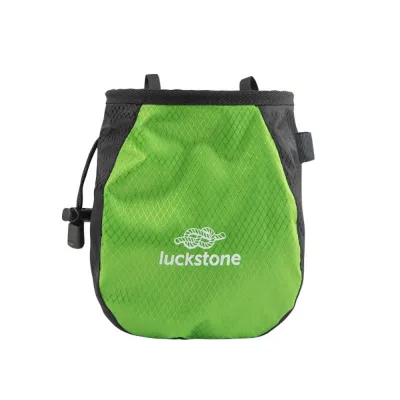
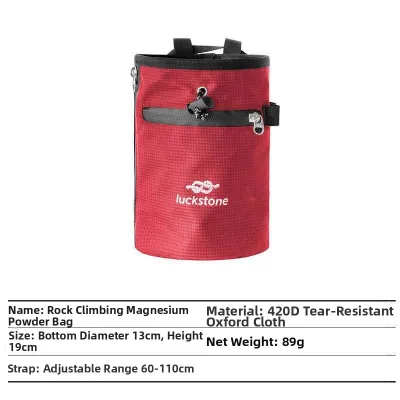


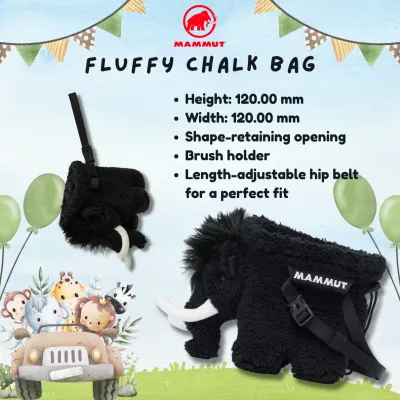
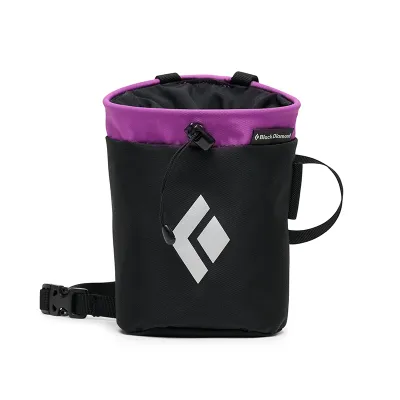

Prices are valid at publication and may change. Please refer to the product page for the latest price.
On your hands, the moisture-wicking properties of chalk can become a source of skin distress. While normal chalk usage leaves the skin feeling dry, excessive exposure can lead to painful cracking, deep fissures, redness, and a burning sensation, particularly in the creases of your fingers.
It is important to distinguish between typical dryness and more serious skin conditions like irritant contact dermatitis. If your skin remains intensely red, itchy, or starts to scale even after washing and moisturizing, you may be experiencing a localized inflammatory reaction. Added ingredients in some commercial chalks, such as artificial dyes, drying agents, or fragrances, can trigger or worsen these skin responses.
Recognizing when to pause your climbing session is crucial. If you experience persistent coughing, wheezing, or shortness of breath, step out of the climbing area into fresh air immediately. For skin that is bleeding, cracked open, or showing signs of infection, stop climbing, clean the area, and consult a healthcare professional.
Evaluating Chalk Bag Designs for Dust Containment
The primary defense against airborne chalk is the structural design of your chalk bag. When evaluating different models, pay close attention to the closure system. Traditional drawstrings with plastic toggles are common, but their effectiveness depends on how tightly the cord lock pulls the fabric together. Look for bags featuring a double-drawstring system or an inner fabric sleeve that creates a secondary barrier against dust escape.

For transport and storage, roll-top closures and zippered lids offer a much more reliable seal than standard drawstrings. A roll-top design, similar to those found on dry bags, allows you to roll the collar down tightly and secure it with a buckle, virtually eliminating dust leakage inside your climbing pack. Zippered lids provide a flat, secure seal that prevents the bag from accidentally opening and spilling loose powder when compressed.
The interior lining of the bag also plays a significant role in managing loose dust. Smooth nylon or polyester linings allow chalk particles to slide freely, increasing the likelihood of a dust cloud every time you dip your hand. In contrast, high-pile fleece or brushed fabric linings act as a physical trap, holding onto fine particles and reducing the amount of loose dust floating inside the bag.
Bag shape and rim rigidity affect both accessibility and dust containment. A stiffened, reinforced rim keeps the bag open for quick, one-handed dipping while climbing, which is highly convenient. However, a wide, permanently open mouth allows more dust to escape into the air during dynamic movements. Consider a bag with a slightly tapered opening or a flexible rim that can be easily compressed when not actively in use.
How you carry your chalk bag also influences dust dispersion. Wearing a chalk bag on a loose waist belt allows it to bounce against your lower back as you climb, shaking loose dust out of the opening. Opting for a snug, adjustable waist strap or positioning the bag closer to your harness loops can minimize this movement. If you prefer bouldering, a dedicated floor bucket with a wide, stable base and a magnetic roll-top closure is often a better choice than a waist-worn bag.
Selecting Chalk Types and Brush Materials
The physical format of the chalk you put in your bag is just as important as the bag’s design. Loose powder chalk consists of fine, unbonded particles that easily become airborne with the slightest movement. Compressed blocks offer a middle ground, as you must manually break off pieces, but they still generate significant dust. Chalk balls—porous fabric pouches filled with magnesium carbonate—are highly effective at minimizing dust because the mesh fabric limits the amount of powder released onto your hands with each squeeze.
Beyond the format, you must check the ingredient labels on chalk packaging. Many specialty chalks contain added drying agents, such as silica or alcohol, designed to keep hands dry for longer periods. While beneficial for high-friction performance, these additives can severely dry out sensitive skin and increase the risk of painful cracking. Choosing pure, additive-free magnesium carbonate is a safer approach if you are prone to skin irritation or eczema.
Cleaning holds is a standard part of climbing, but the brush you use can impact both the rock and your skin. Brushes with natural boar’s hair bristles are highly recommended because they effectively sweep away packed chalk and skin oils without polishing the holds or creating excessive airborne dust. Synthetic nylon bristles, while durable, tend to be stiffer and can cause more friction against your skin if you accidentally brush against your fingers.
The design of the brush handle also deserves attention. Repetitive brushing of holds can cause friction blisters on your fingers, especially when your skin is already dry from chalk. Look for brushes with ergonomic handles made from wood or molded, lightweight materials that provide a secure grip without sharp edges. A comfortable handle allows you to clean holds efficiently with less physical strain on your hands.
Maintenance, Cleaning, and Gym Etiquette
Keeping your climbing gear clean is essential for reducing long-term dust exposure and maintaining hygiene. Over time, chalk bags accumulate sweat, skin oils, and old chalk, creating an environment where bacteria can thrive. Periodically empty your chalk bag completely and wash it according to the manufacturer’s care instructions. Most fabric bags can be hand-washed in warm water with a mild, fragrance-free detergent and left to air dry completely.
Your climbing brushes also require regular maintenance. Impacted chalk and oils build up between the bristles, reducing their cleaning efficiency and causing you to brush harder, which generates more airborne dust. Wash your brushes under warm running water, using a small drop of dish soap if necessary to break down skin oils. Allow them to dry with the bristles facing down to prevent water from weakening the handle attachment.
Establishing a post-climb skin care routine is vital for restoring your skin’s natural moisture barrier. As soon as you finish climbing, wash your hands thoroughly with cool water and a gentle, non-stripping soap to remove all traces of chalk. Follow up immediately with a rich, fragrance-free moisturizer or a dedicated climbing salve containing ingredients like beeswax, shea butter, or calendula to soothe dry skin and promote healing.
Mindful gym etiquette plays a massive role in keeping shared indoor spaces comfortable for everyone. Avoid the common habit of clapping your hands together or blowing forcefully on your fingers after chalking up, as this immediately sends a cloud of fine dust into the air. Instead, gently rub your hands together inside the chalk bag to distribute the powder, and tap off any excess back into the bag before pulling your hands out.
Safety Boundaries and When to Seek Help
While optimizing your gear and routine can greatly reduce discomfort, it is important to recognize the limits of self-management. If you experience severe respiratory symptoms, such as persistent wheezing, chest tightness, or difficulty breathing while climbing, you must stop immediately and seek medical attention. These symptoms can indicate underlying respiratory conditions, such as asthma, which require professional diagnosis and prescribed treatment.
Similarly, if your skin develops deep, painful cracks that bleed, show signs of infection, or if you experience a widespread rash, consult a qualified dermatologist. Gear adjustments, such as switching to a different chalk bag or using a chalk ball, are preventative measures and cannot replace medical treatment for active skin infections or severe contact allergies.
Finally, pay attention to the overall environment of your climbing gym. If you notice that the air consistently feels heavy with dust or if many climbers are coughing, check with the gym management regarding their ventilation standards, air filtration systems, and chalk policies. Many modern facilities utilize high-efficiency particulate air (HEPA) filtration and have specific rules regarding the use of loose chalk to protect the health of their community.
Frequently Asked Questions (FAQ)
Can I use a standard ziplock bag instead of a dedicated chalk bag?
Using a standard plastic ziplock bag is not recommended for climbing. Plastic bags degrade quickly under the friction of repeated hand entry, leading to tears and sudden spills. They also lack a structured opening, making it difficult to access chalk quickly while on a route, and they do not feature moisture-wicking linings to help manage sweat and dust. A dedicated climbing chalk bag is designed with durable materials, secure closures, and functional linings specifically built to withstand the demands of climbing while containing dust.
Does liquid chalk eliminate the need for a dust-containing chalk bag?
Liquid chalk significantly reduces airborne dust during application because the magnesium carbonate is suspended in alcohol, which evaporates on your skin without releasing loose particles. However, it does not completely eliminate the need for a dust-containing chalk bag if you choose to supplement with dry chalk during long climbs. Additionally, liquid chalk containers must be kept tightly sealed to prevent the alcohol from evaporating and drying out the product. Because liquid chalk has a high alcohol content, it can be exceptionally drying, making proper post-climb skin care even more critical to prevent irritation.

Community discussion
Share your experience or ask a question. Comments are reviewed before publication.