
Climbing is an inherently high-risk sport where safety depends on proper training, sound judgment, and secure gear systems rather than any single grip enhancer. No chalk or grip lotion can compensate for inadequate physical preparation, poor hand placement, or compromised safety checks. Before attempting any route, always verify your harness, knots, and belay system, and stop climbing immediately if you experience severe skin tears, muscle fatigue, or a failing grip.
When managing hand moisture, neither chalkless grip enhancers nor traditional magnesium carbonate chalk is universally superior. The optimal choice depends on your individual sweat volume, skin type, the ambient humidity of your climbing venue, and local gym regulations. While traditional chalk offers instant moisture absorption and a familiar tactile feel, chalkless alternatives—such as liquid chalks and residue-free grip lotions—excel in longevity and dust reduction. This guide breaks down the mechanical differences, performance variables, and environmental factors to help you select the optimal grip solution for your climbing style.
Understanding Chalkless vs Traditional Chalk Formulations
To make an informed choice, you must first understand what these products are made of and how they interact with your skin. Traditional climbing chalk consists of magnesium carbonate, a naturally occurring mineral that is highly porous. It is widely available in loose powder, solid blocks, or compressed fabric chalk balls. Its primary function is straightforward: it acts as a mechanical sponge, rapidly absorbing moisture and oils from your skin to keep your hands dry and prevent slippage on holds.
Products mentioned in this guide
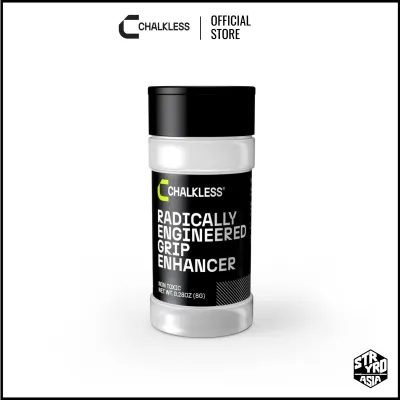
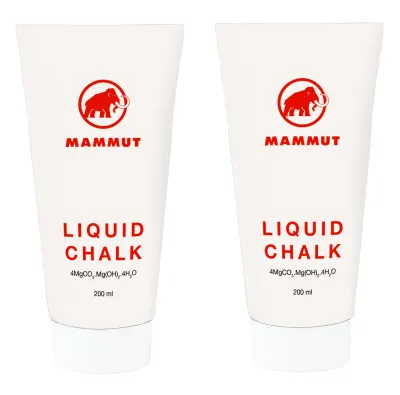
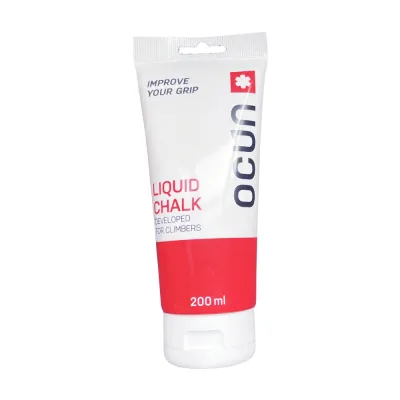
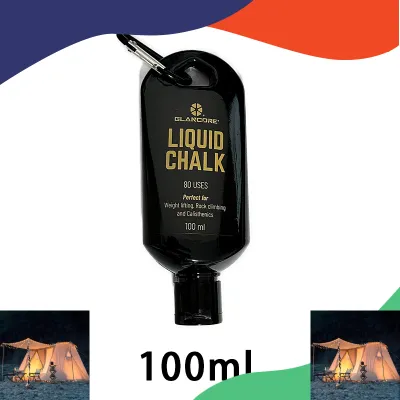
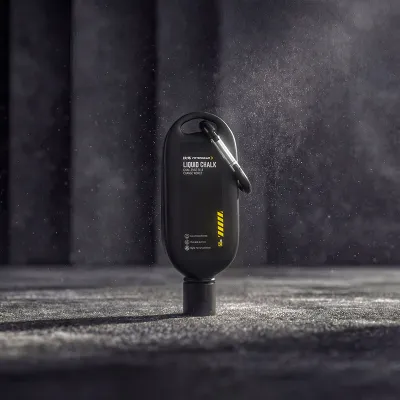
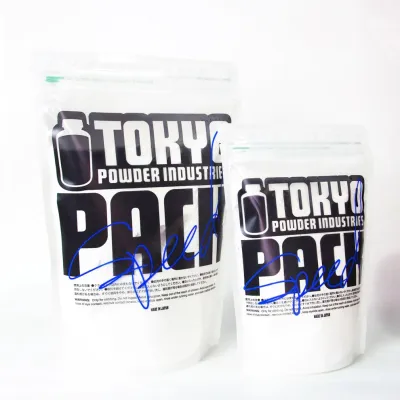
Prices are valid at publication and may change. Please refer to the product page for the latest price.
In contrast, chalkless alternatives and liquid chalks utilize different chemical formulations to dry your hands. Liquid chalk is typically a mixture of magnesium carbonate and isopropyl alcohol. When applied, the alcohol evaporates rapidly, leaving behind a thin, exceptionally even coating of chalk that binds tightly to the micro-crevices of your skin. Other truly chalkless grip lotions or cream-based enhancers may omit magnesium carbonate entirely, relying instead on silica, cosmetic-grade drying agents, or specialized resins. These formulations work by creating a temporary hydrophobic barrier on your skin, actively blocking sweat production or increasing surface friction without leaving a heavy, powdery residue.
Comparing Grip, Sweat Control, and Skin Feel
Managing sweat and maintaining friction is a highly individual challenge that depends on your body chemistry and local climate. In warm, highly humid environments—such as outdoor crags or non-air-conditioned indoor gyms in Singapore—sweat management becomes a continuous battle. Traditional loose chalk absorbs moisture instantly upon contact, making it highly effective for immediate relief. However, if you suffer from hyperhidrosis (excessive sweating), traditional chalk can quickly saturate, turning into a slick, muddy paste that actually reduces friction.

Chalkless liquid options handle heavy sweat differently by establishing a preventative barrier. Because they require a brief drying time to allow the alcohol or solvent to evaporate, they cannot be applied instantly mid-climb. However, once dry, they form a resilient base layer that resists sweat breakthrough much longer than loose powder. For climbers with dry, sensitive, or easily torn skin, the high alcohol content in many liquid chalks can be overly aggressive, leading to painful cracking and over-drying. If your skin is naturally dry, you must carefully monitor your hands for signs of irritation.
The tactile feedback of these two options also differs significantly. Traditional chalk provides a textured, powdery layer that many climbers rely on for sensory feedback, allowing them to feel the micro-texture of the rock or plastic. Chalkless lotions often leave a bare-skin or slightly tacky sensation. To find what works for you, always check product ingredient labels for alcohol concentration, added drying agents like rosin (colophony), or soothing skin conditioners like aloe vera to gauge how a specific formula will interact with your skin type.
Application, Reapplication, and Session Convenience
The practical logistics of your climbing session should heavily influence your choice of grip enhancer. Traditional loose chalk is incredibly convenient for mid-route reapplication. If you are halfway up a long sport route or working a demanding bouldering project, you can easily dip one hand into your chalk bag, coat your fingers, and continue climbing within seconds. This “dip-and-climb” simplicity is unmatched, making loose chalk the preferred choice for long, continuous efforts where hands inevitably sweat over time.
Liquid and chalkless products require a more deliberate application process. You must pour a small amount onto your palms, rub your hands together thoroughly, and wait several seconds for the formula to dry completely. This makes mid-climb reapplication virtually impossible while hanging from a wall. However, the durability of a single application of liquid chalk is generally much higher than that of loose powder. A single application can often last through an entire bouldering circuit or a short sport pitch without needing a touch-up.
Portability and cleanliness are areas where chalkless options clearly excel. Traditional chalk is notoriously messy; a poorly sealed chalk bag or an accidental spill in your backpack can coat your climbing shoes, harness, and extra clothes in fine white dust. Liquid chalk and grip lotions come in securely sealed squeeze bottles, eliminating the risk of messy spills. They are exceptionally easy to transport, making them a highly convenient option for climbers who commute to the gym with their gear packed alongside everyday items.
Navigating Gym Rules and Outdoor Ethics
Your choice of grip enhancer is not just a personal preference; it is also governed by the rules of the venues where you climb. Many modern commercial indoor climbing gyms enforce strict rules regarding chalk usage. To maintain clean indoor air quality and reduce the strain on expensive ventilation systems, some gyms ban loose chalk entirely, mandating the use of liquid chalk or chalk balls. Fine airborne chalk dust can settle on gym surfaces and be inhaled by climbers, making dust-free chalkless alternatives a highly responsible choice for indoor training.
When climbing outdoors, environmental ethics and Leave No Trace principles come into play. Traditional white chalk leaves highly visible marks on natural rock surfaces, which can take months or even years to wash away in dry climates. These white streaks can detract from the natural beauty of the crag and mark out “cheat sheets” of holds, stripping away the challenge of route-finding for subsequent climbers. Some sensitive outdoor areas require climbers to use color-matched chalk that blends in with the local rock, or to use residue-free chalkless alternatives that leave no visual footprint.
Cleanup and gear maintenance also differ between the two types. Traditional chalk dust accumulates rapidly on climbing ropes, belay devices, and the rubber soles of your climbing shoes, requiring regular brushing and washing to maintain optimal performance. Chalkless products leave minimal residue on your gear and the climbing holds themselves. This means less time spent brushing holds mid-session and a cleaner environment for everyone sharing the wall.
Decision Framework: Which Grip Option Fits Your Climb?
To determine the best option for your climbing style, use this practical decision framework based on your typical climbing environment and physical needs:
Choose Traditional Chalk if:
- You require instant, on-the-go moisture absorption that you can easily apply with one hand mid-climb.
- You prefer the classic, textured feel of powder on your fingertips and rely on that tactile feedback to judge friction.
- You climb primarily in well-ventilated indoor gyms or outdoor crags where loose chalk is fully permitted.
- You want a highly cost-effective option, as traditional block chalk often costs only a few S$ per pack and lasts for many sessions.
Choose Chalkless or Liquid Options if:
- Your local indoor climbing gym strictly bans loose chalk to maintain air quality and reduce dust.
- You need a long-lasting base layer for high-humidity environments, deep-water soloing, or short, intense bouldering sessions.
- You want to minimize mess in your gear bag and avoid leaving highly visible white marks on outdoor rock faces.
- You want to keep your climbing ropes, shoes, and hardware free from heavy chalk dust accumulation.
Always verify your skin compatibility before committing to a product. If you have sensitive skin or known allergies to solvents like isopropyl alcohol, test a small amount of liquid chalk on your forearm first. Additionally, if you are climbing in extreme cold, keep in mind that the evaporation and drying times of liquid products will be significantly slower, which may require you to adjust your pre-climb routine.
Frequently Asked Questions (FAQ)
Can You Combine Chalkless Liquids and Traditional Chalk?
Yes, combining these two products is a highly effective technique used by many experienced climbers. Applying a thin layer of liquid chalk at the start of your session serves as an excellent, long-lasting base layer that seals your pores and blocks initial sweat. Once that base layer dries, you can use traditional loose chalk or a chalk ball for quick, mid-climb touch-ups on your fingers. This hybrid approach offers the best of both worlds: the deep sweat prevention of a liquid barrier combined with the convenient, on-the-go reapplication of traditional powder.
Do Chalkless Products Leave Residue on Climbing Holds?
While truly chalkless lotions and high-quality liquid chalks leave far less airborne dust, some formulations can still leave a residue on climbing holds. Liquid chalks containing rosin or colophony (added to increase tackiness) can leave a sticky, glassy buildup on both plastic gym holds and natural rock. Over time, this resin buildup can actually make holds slicker and harder to grip for other climbers. Always check product labels to ensure they are rosin-free if you climb in gyms or crags where resinous grip enhancers are restricted, and always brush the holds after your session to keep them clean.

Community discussion
Share your experience or ask a question. Comments are reviewed before publication.