
Quick Answer: Which Heart Rate Monitor Is Right for Your Ride?
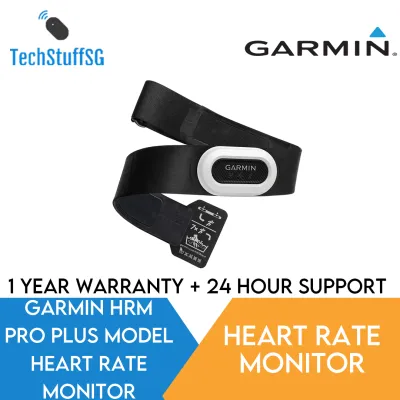
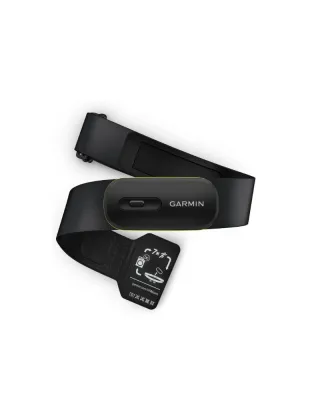
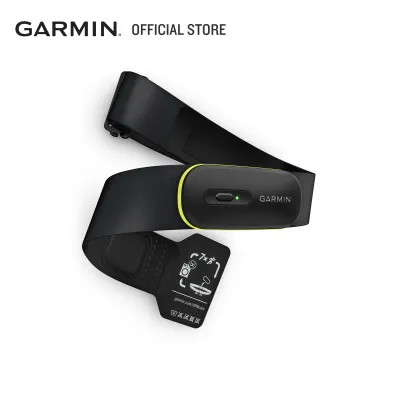
Choosing the right heart rate monitor (HRM) for cycling depends on how you train and what you value most during your rides. If your routine involves high-intensity interval training (HIIT), steep climbs, or rapid sprints where your heart rate spikes and drops quickly, a chest strap is generally the preferred choice. These devices measure electrical signals directly from your heart, providing near-instantaneous data.
Conversely, if your rides consist of steady-state endurance training, casual commuting, or long weekend tours along the Park Connector Network (PCN), an optical wristband or armband sensor offers excellent convenience. These optical sensors are easier to put on and integrate seamlessly into everyday smartwatches. Ultimately, your decision will hinge on your specific training goals, comfort preferences, and the compatibility of your existing cycling devices.
How Chest Strap and Optical Sensors Measure Heart Rate
To understand why these two types of monitors perform differently on the road, it helps to look at the underlying technology that powers them. Chest straps utilize electrocardiography (ECG) to track your heart rate. This is the same basic technology used in medical environments to record the electrical activity of the heart. The strap contains conductive pads that sit against your skin, detecting the electrical impulses generated with every heartbeat. Because these impulses travel directly through the chest cavity, the sensor captures the exact moment your heart contracts, resulting in highly responsive data transmission.
Products mentioned in this guide
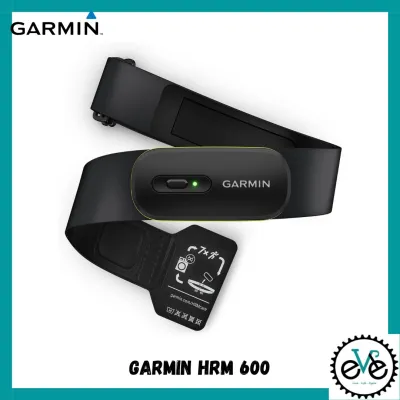
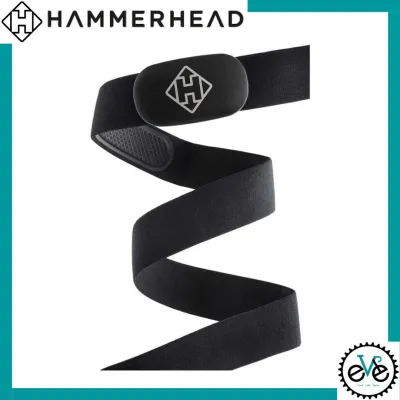
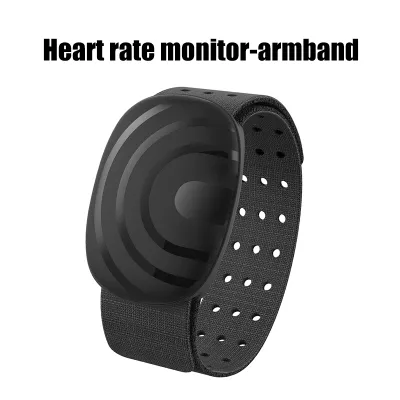
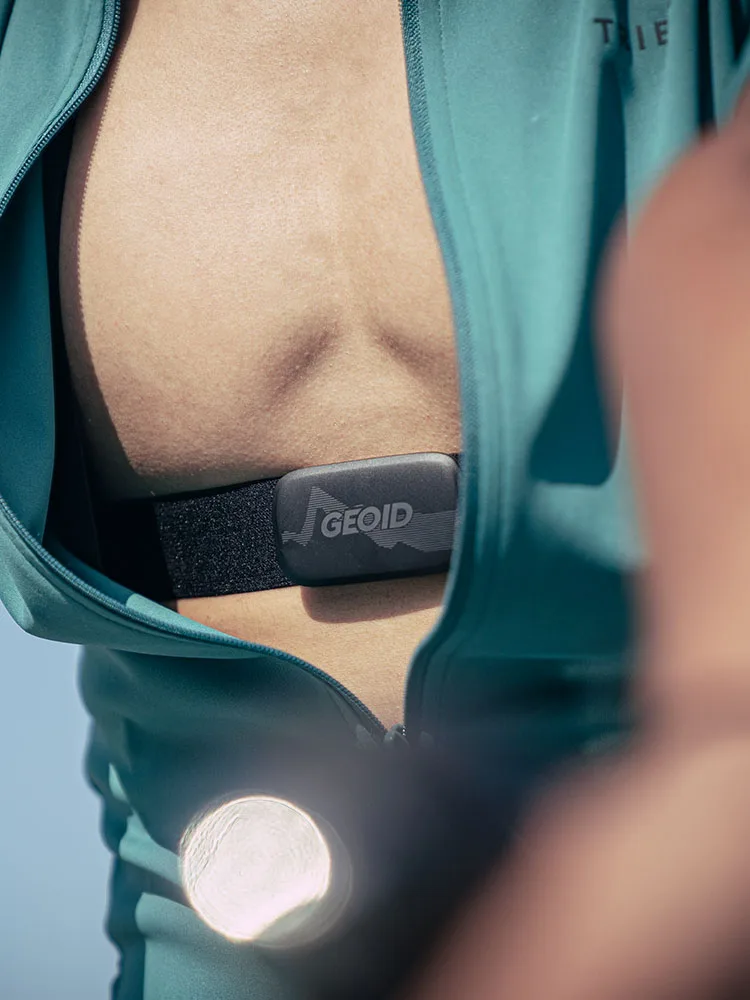
Prices are valid at publication and may change. Please refer to the product page for the latest price.

Optical sensors, whether worn on the wrist or the arm, rely on a completely different method called photoplethysmography (PPG). These devices feature small light-emitting diodes (LEDs) that shine light through your skin to illuminate the underlying capillaries. A photodiode sensor then measures the changes in light absorption as blood pulses through your vessels. Because blood absorbs green light, the sensor can calculate your heart rate by analyzing the rhythmic fluctuations in light reflection.
While PPG technology has advanced significantly, it faces unique physical challenges during cycling. When you grip the handlebars, especially over rough pavement or during out-of-the-saddle climbs, the muscles and tendons in your wrists and forearms tense up. This physical flexion can temporarily restrict local blood flow or cause the sensor to shift slightly on your skin. When the sensor loses its optimal positioning or encounters restricted blood flow, the optical readings can become temporarily erratic or delayed.
Accuracy and Reliability During Cycling Workouts
When evaluating accuracy, it is helpful to break down your rides into different training styles, as each sensor type responds differently to the physical demands of cycling.
Steady-State Riding During long, consistent endurance efforts where your power output and cadence remain relatively stable, both chest straps and optical sensors perform remarkably well. Once you settle into a steady tempo, the blood flow in your limbs becomes highly predictable, allowing optical sensors to track your heart rate zones with high precision. For the vast majority of recreational cyclists and endurance riders, the difference in average heart rate readings between the two technologies during a steady two-hour ride is practically negligible.
Intervals and Sprints The performance gap becomes noticeable when your effort levels change rapidly. During short, explosive intervals, micro-sprints, or sudden steep climbs, your heart rate climbs rapidly within seconds. Because chest straps measure electrical signals, they register these sudden spikes almost instantly. Optical sensors, however, must wait for the physical surge of blood to travel from your heart to your wrist or arm. This physical distance introduces a natural lag, often ranging from several seconds to nearly half a minute. If your training relies on precise, short-duration power or heart rate targets, this delay can make it difficult to stay in the correct training zone.
Environmental Factors External conditions also play a significant role in sensor reliability. In warm, humid environments, heavy sweating is inevitable. For chest straps, sweat actually improves performance by enhancing the electrical conductivity between the skin and the electrode pads. For optical sensors, however, a thick layer of sweat or road grime sliding under the sensor can scatter the LED light, leading to inaccurate readings. Conversely, in cooler weather, peripheral blood flow decreases as your body works to keep your core warm. This reduced skin perfusion can make it difficult for optical wrist sensors to detect a strong pulse signal during the initial miles of your ride.
Verification Step Because sensor designs and internal algorithms vary widely across brands, cyclists should always check the manufacturer’s specifications for the device’s sampling rate and intended sports profiles. Some optical sensors are optimized specifically for running and may struggle with the unique wrist angles of cycling, while others feature advanced motion-filtering algorithms designed to mitigate handlebar vibrations.
Comfort, Fit, and Convenience on the Bike
Beyond data accuracy, the physical experience of wearing a heart rate monitor for hours at a time is a critical factor in your overall satisfaction.
Chest Straps To function correctly, a chest strap must be worn snugly around your ribcage, just below the chest muscles. For some riders, this tight fit can feel restrictive, particularly during deep breathing on hard climbs. Over long distances, the constant friction of the elastic band against sweaty skin can lead to chafing or mild skin irritation. Additionally, chest straps require a small amount of moisture on the electrodes to establish a reliable connection at the start of a ride, which can feel cold and uncomfortable when you first put them on.
Optical Wristbands Smartwatches and fitness trackers worn on the wrist represent the ultimate in convenience. There are no extra straps to wash, and you can easily start tracking your ride with a single tap on your wrist. However, to get accurate readings while cycling, the watch band must be worn tighter than usual and positioned slightly higher up the forearm, away from the wrist bone. This tight fit can sometimes feel uncomfortable during long rides, especially when your wrists are bent while riding in the drops or holding onto flat handlebars.
Optical Armbands For cyclists seeking a middle ground, optical armbands worn on the forearm or bicep have become increasingly popular. By moving the sensor away from the wrist, these bands avoid the extreme muscle tension and joint flexion associated with gripping the handlebars. The skin on the upper arm is also less prone to rapid temperature drops, ensuring better blood perfusion. Many riders find the soft, elastic armband much more comfortable than a tight chest strap or a heavy smartwatch, making it an excellent compromise for those who want reliable data without the chest constriction.
Battery and Maintenance The two sensor types also differ in how they are powered and maintained. Most chest straps use user-replaceable coin-cell batteries (such as CR2032), which can last anywhere from several months to over a year of regular use. This means you rarely have to worry about charging your strap before a ride. Optical sensors, on the other hand, rely on rechargeable lithium-ion batteries. While they eliminate the need to buy replacement batteries, they typically require charging after 10 to 30 hours of use, adding another device to your pre-ride charging routine.
Data Connectivity and Bike Computer Compatibility
Before choosing a heart rate monitor, you must ensure it can communicate seamlessly with your existing cycling electronics, whether you use a dedicated bike computer, a smartwatch, or a smartphone.
Wireless heart rate monitors transmit data using two primary protocols: ANT+ and Bluetooth Smart (BLE). ANT+ is a highly stable, low-power wireless standard that allows a single sensor to broadcast its data to multiple receiving devices simultaneously. This is particularly useful if you want to display your heart rate on both your handlebar-mounted bike computer and a stationary trainer setup at the same time. Bluetooth Smart, while traditionally limited to a single connection, is universally supported by smartphones, tablets, and modern laptops, making it the standard choice for indoor training applications.
Most dedicated cycling computers are designed to pair effortlessly with ANT+ sensors, whereas older smartwatches or phone-based training apps may rely solely on Bluetooth. To avoid compatibility issues, look for a heart rate monitor that features dual-band broadcasting, meaning it can transmit both ANT+ and Bluetooth signals at the same time. This flexibility ensures that your monitor will work with your current setup and remain compatible if you upgrade your bike computer or training software in the future.
Decision Framework: Choose Your Cycling HRM
To help you make the final choice, use this straightforward decision framework based on your riding style and equipment preferences.
Choose a Chest Strap if:
- You perform structured interval workouts, power-based training, or competitive races where split-second accuracy is vital.
- You want a highly reliable connection to a dedicated cycling computer via ANT+.
- You prefer a "set-and-forget" battery life that lasts for months without needing a recharge.
- You do not mind the physical sensation of a snug band around your chest.
Choose an Optical Wristband if:
- You prioritize everyday convenience and want a single device for tracking steps, sleep, and daily activities alongside your rides.
- Your cycling consists mostly of steady-state endurance rides, commuting, or casual touring.
- You prefer a rechargeable device and already use a smartwatch ecosystem.
- You find chest straps uncomfortable or restrictive during deep breathing.
Choose an Optical Armband if:
- You want a comfortable alternative to a chest strap but find that wrist-based sensors lose accuracy when you grip the handlebars.
- You prefer wearing a soft, elastic band on your forearm or bicep.
- You want a rechargeable sensor that offers a solid balance of accuracy and convenience.
Verify First if:
- You have sensitive skin or allergies to specific synthetic fabrics or silicone, as some strap materials can cause irritation.
- You use a pacemaker or other implanted medical devices, in which case you should consult your physician before using an electromagnetic chest strap.
- Your existing bike computer or training app requires a specific transmission protocol (ANT+ or Bluetooth) to function.
Frequently Asked Questions (FAQ)
Can I use my smartwatch for cycling instead of a dedicated HRM?
Yes, you can certainly use a smartwatch for casual rides and steady-state endurance training. Most modern smartwatches track heart rate reliably when your effort is consistent and your hands remain in a relaxed position on the handlebars. However, if you frequently ride over rough terrain, climb out of the saddle, or perform high-intensity intervals, the rapid wrist movements and muscle tension can cause temporary data dropouts or lag. For these types of rides, pairing a dedicated chest strap or optical armband to your smartwatch or bike computer will provide much more consistent data.
Do I need to wet the chest strap electrodes before every ride?
Yes, moistening the electrode pads on a chest strap is highly recommended before you start pedaling. Because chest straps rely on electrical conductivity to detect your heart’s signals, a dry connection can result in erratic readings, spikes, or a complete lack of signal during the first few minutes of your ride. Once you begin sweating, your body’s natural moisture will maintain the connection, but applying a few drops of water, saliva, or a specialized electrode gel to the pads before putting the strap on ensures accurate tracking from your very first pedal stroke.
Community discussion
Share your experience or ask a question. Comments are reviewed before publication.