
Finding the right 1kg ankle weights for home workouts in Singapore requires balancing fitness goals with the realities of apartment living. In high-density housing like Housing & Development Board (HDB) flats, sound travels easily through concrete floors, and delicate flooring materials like vinyl, laminate, or polished tiles are highly susceptible to scratches. The ideal 1kg ankle weights for a quiet, neighbor-friendly home gym must feature soft, non-abrasive outer shells, secure fastening systems that eliminate shifting noises, and a design that keeps the weight stable during low-impact movements.
By focusing on specific material choices, weight distribution, and smart workout modifications, you can enjoy an effective strength-training routine without disturbing your family or neighbors. This guide breaks down the essential design features to look for, how to adapt your exercises for a quiet home environment, and what to verify before making an online purchase.
What Makes Ankle Weights Apartment-Friendly?
Acoustic performance is a primary concern in Singapore’s multi-story residential buildings. Impact noise occurs when a physical object strikes the floor, sending structural vibrations directly through the concrete slab to the ceiling of the unit below. For example, a heavy, loose ankle weight sliding down and hitting the floor during a leg drop can create a sharp, disruptive thud.
Products mentioned in this guide
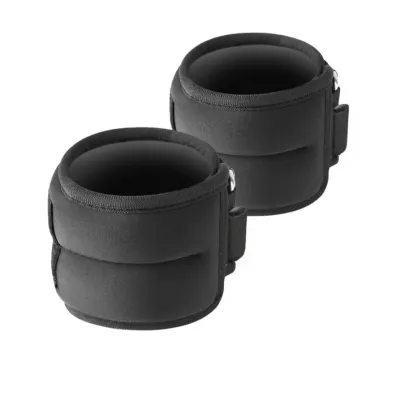
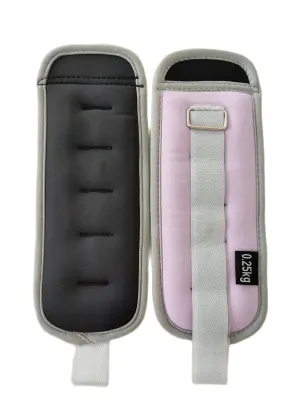
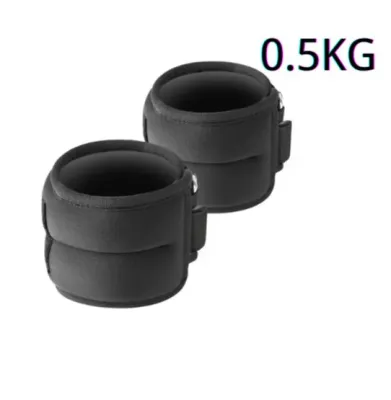
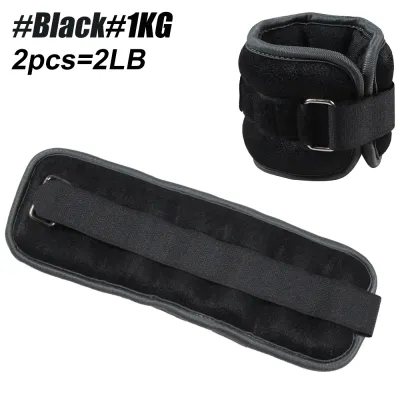
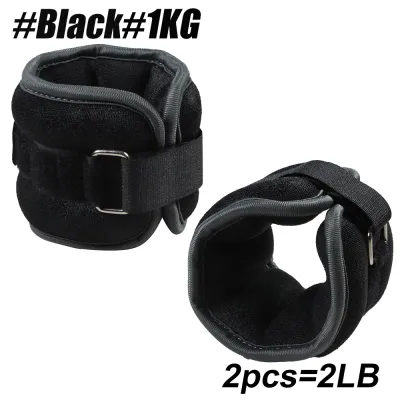
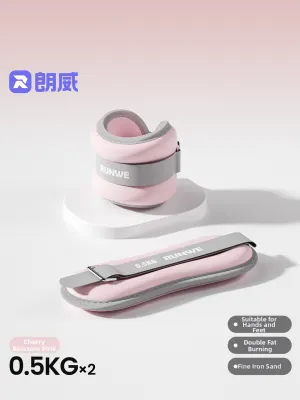
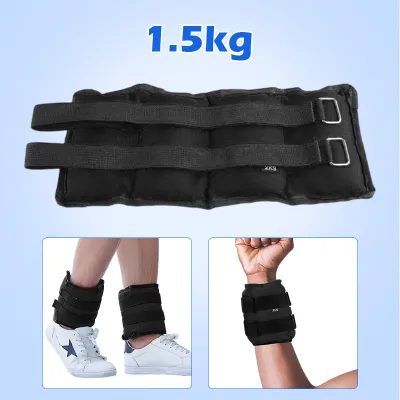
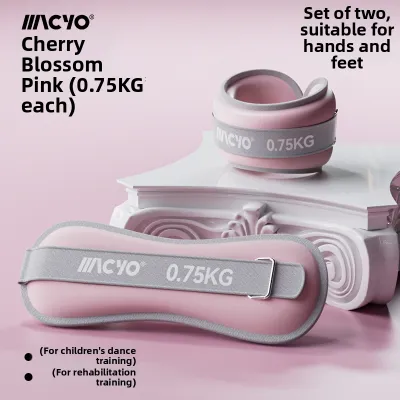
Prices are valid at publication and may change. Please refer to the product page for the latest price.
Airborne noise, on the other hand, is generated by the equipment itself. This includes the rustling sound of loose sand shifting inside a cheap fabric pouch, the metallic clinking of steel inserts, or the loud tearing sound of low-grade hook-and-loop fasteners being adjusted repeatedly. An apartment-friendly weight minimizes both types of noise by using dampening materials and snug-fitting designs that do not rattle or shift during movement.
Flooring protection is equally critical. Many modern Singapore apartments feature luxury vinyl tiles (LVT), engineered wood, or polished porcelain tiles. Rough canvas, exposed metal buckles, or hard plastic adjusters can easily leave permanent scuffs or deep scratches when you perform floor-based exercises like donkey kicks or fire hydrants. Soft, smooth outer textures act as a protective barrier between the weight and your floor, ensuring your home remains damage-free.
Weight distribution plays a vital role in safety and noise control. If a 1kg weight is bulky or poorly balanced, it alters your natural biomechanics. This imbalance can lead to joint strain in the ankles or knees, causing you to lose control of your leg movements. When control is compromised, you are more likely to drop your feet heavily onto the floor, creating unnecessary impact noise and increasing the risk of minor joint injuries. A well-distributed weight hugs the ankle closely, moving as an extension of your body rather than an unstable external force.
Key Design Features That Reduce Noise and Scratches
The outer shell material is your first line of defense against floor damage and noise. Soft neoprene is a highly popular choice because it provides a cushioned barrier that absorbs minor impacts. However, in Singapore’s hot and humid climate, neoprene can absorb sweat quickly, requiring regular washing to prevent odors.

Silicone-coated weights offer a modern alternative; they are completely waterproof, easy to wipe clean after a sweaty session, and provide a natural grip against the skin or leggings, though they lack the plush softness of fabric. Cotton blends are highly breathable and comfortable against bare skin, but they tend to wear out faster and offer less structural support for the internal weights. Avoid exposed hard plastic buckles or metal D-rings that can clatter against the floor.
The internal filling directly influences how the weight behaves and sounds when you move. Fine sand is a traditional filling that conforms easily to the shape of your ankle, providing a comfortable, customized fit. However, if the seams are not double-stitched, sand can leak out, creating a mess on your floor.
Iron sand is denser than regular sand, allowing the weight to be sleeker and less bulky while maintaining the same 1kg mass. Steel shots or solid steel bars offer the most compact profile, but they must be encased in tight, individual pockets; otherwise, they will clank together with every movement, creating distracting airborne noise.
Fastening mechanisms are crucial for keeping the weight securely in place. A wide hook-and-loop strap is ideal because it distributes the 1kg load across a larger surface area, reducing pressure points on your Achilles tendon and preventing the weight from sliding down. Look for designs where the hook-and-loop strap is fully integrated and covers the entire circumference of the band.
D-ring adjusters are excellent for securing a tight fit, but they should be wrapped in fabric or silicone. Exposed metal or hard plastic D-rings can rattle against the floor during floor exercises, creating annoying clicking sounds and risking scratches on your tiles.
Workout Adjustments for Quiet and Safe Home Use
Modifying your exercise selection is the most effective way to ensure your home workouts remain entirely silent. High-impact movements like jumping jacks, jump squats, or high knees should be avoided when wearing 1kg ankle weights. The added mass increases the gravitational force on your joints upon landing, which not only risks knee and ankle strain but also amplifies the impact noise transmitted through your floor.
Instead, focus on slow, controlled, low-impact exercises. Movements such as standing leg lifts, side-lying hip abductions, donkey kicks, and slow lunges allow you to target your muscles effectively without generating any impact noise. Focus on the mind-muscle connection and maintain a slow tempo to maximize the resistance.
Using a high-quality fitness mat is non-negotiable for apartment workouts. A standard thin yoga mat (usually 3mm to 5mm) is designed for grip, not impact absorption. For workouts involving ankle weights, opt for a high-density exercise mat made of natural rubber or thick EVA foam, ideally between 8mm and 15mm thick. This extra cushioning serves two purposes: it dampens any residual impact from your feet touching the ground and acts as a protective shield for your vinyl or tiled floors against accidental drops or friction from the weights.
Spatial clearance is a simple yet often overlooked safety factor, especially in compact Singapore apartments. Before beginning your routine, establish a clear workout zone. Stand in the center of your space and perform a full range of leg swings in all directions to ensure you will not accidentally strike baseboards, sofa legs, coffee tables, or walls. Striking a hard object with a 1kg ankle weight can cause painful bruising, damage your furniture, and create a sudden, loud noise that will disturb your household and neighbors.
Pre-Purchase Checklist for E-Commerce Shoppers
When browsing online marketplaces, filtering user reviews is an invaluable step to gauge real-world performance. Instead of relying solely on star ratings, use the search function within the review section to look for keywords like “noise”, “slip”, “scratch”, “slide”, or “smell”. Pay close attention to reviews from buyers who mention using the weights on hard floors or during sweaty workouts. If multiple reviews complain that the straps slide down during basic leg lifts or that the fabric feels rough against bare skin, it is best to look for another option.
Verifying the exact weight specification is critical to avoid disappointment. Many online listings can be misleading, advertising “1kg ankle weights” when they actually mean a total weight of 1kg for the pair (0.5kg per ankle). Read the product description carefully to confirm whether the weight is “1kg each” or “1kg per pair”. For an effective lower-body workout, you generally want a true 1kg of resistance on each ankle.
Checking the seller’s return and exchange policy is highly recommended before making a purchase. Because you cannot physically test the fit, stiffness, or comfort of the weights online, you need the flexibility to return them if they do not suit your body shape. When the package arrives, try them on over your clean workout leggings first. If the material feels too rigid, the fasteners rattle, or the strap does not tighten sufficiently around your ankles, initiate a return rather than risking an uncomfortable or noisy workout.
Frequently Asked Questions (FAQ)
Are High-Impact Jumping Exercises Safe With Ankle Weights?
Performing high-impact jumping exercises while wearing 1kg ankle weights is generally not recommended for home workouts. The additional weight at the end of your limbs significantly amplifies the rotational force and impact stress on your ankle, knee, and hip joints during takeoff and landing. This increased stress can lead to joint strain, tendonitis, or ligament injuries, especially if your form slips.
Furthermore, jumping with added weight dramatically increases the impact noise transmitted through your apartment floor, making it highly disruptive to neighbors living below you. To protect your joints and maintain a quiet home environment, stick to controlled, low-impact movements that rely on steady muscle tension rather than momentum.
Do Silicone Weights Grip Better Than Fabric Options?
Silicone ankle weights generally offer superior grip compared to traditional fabric options, particularly when worn directly against bare skin or smooth athletic leggings. The natural friction of silicone prevents the weight from sliding up and down your leg during movement, which minimizes chafing and keeps the resistance properly positioned.
However, silicone does have trade-offs. It is completely non-breathable, meaning sweat will pool underneath the band during intense workouts. While this makes them incredibly easy to clean—you can simply wipe them down with a damp cloth or rinse them under the tap—some users find the sweaty sensation uncomfortable. Neoprene and cotton fabric options absorb sweat and feel softer against the skin, but they require regular machine washing to prevent bacterial growth and odor, and they may slip more easily if the straps are not pulled tightly.
Community discussion
Share your experience or ask a question. Comments are reviewed before publication.