
Selecting the right knee support requires matching the brace’s design and compression level to your specific physical demands. While 3M offers various knee guards under its well-known product lines, the ideal choice depends on whether you need joint stabilization for heavy lifting, flexible support for running, or gentle compression for daily recovery. This guide helps you navigate support levels, design types, and fit requirements to make an informed decision based on manufacturer specifications and your activity needs.
Knee guards function as external support systems, helping to manage joint stability, warmth, and proprioception—the body’s ability to perceive its position and movement in space. When selecting a support, it is crucial to understand that there is no single model that excels in every scenario. A brace that provides the rigid stability required for heavy squats will likely be too restrictive and heavy for a long-distance run, while a lightweight sleeve designed for daily recovery will fail to offer the structural reinforcement needed under heavy axial loads.
By analyzing the mechanical demands of your chosen activity and comparing them against the structural features of different knee guard designs, you can identify a model that supports your joints without hindering your performance or recovery. This systematic approach ensures that you invest in a tool that actively aids your physical well-being while avoiding common pitfalls such as skin irritation, restricted circulation, or premature wear of the equipment.
Products mentioned in this guide
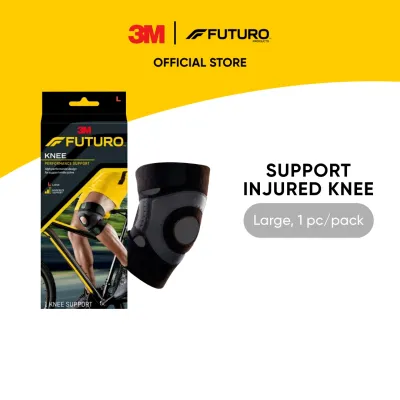
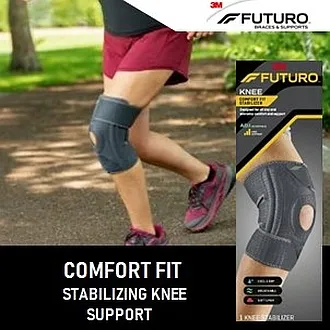
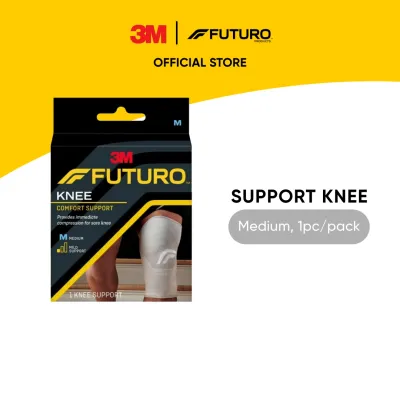
Prices are valid at publication and may change. Please refer to the product page for the latest price.
Decoding 3M Support Levels and Design Types
To choose the right knee guard, you must first understand how manufacturers categorize their products by support levels. 3M typically classifies its knee supports into three primary tiers: mild, moderate, and firm. Each tier corresponds to a specific level of joint restriction, compression, and intended use, allowing users to select a product that matches the severity of their joint discomfort or the intensity of their physical activity.
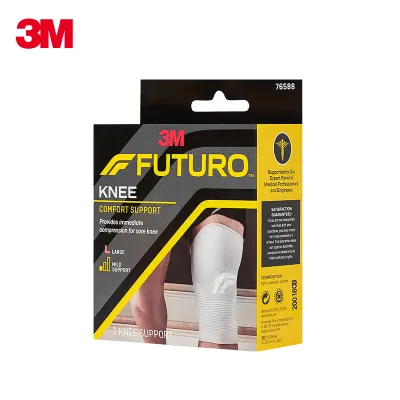
Mild support models are generally designed for everyday wear, minor aches, or general joint stiffness. These products are typically lightweight, highly flexible sleeves made from knit or elastic materials that provide gentle, uniform compression. They do not contain rigid structural elements like metal stays or hinges, meaning they offer maximum range of motion while helping to retain joint warmth and improve blood circulation during low-impact movements.
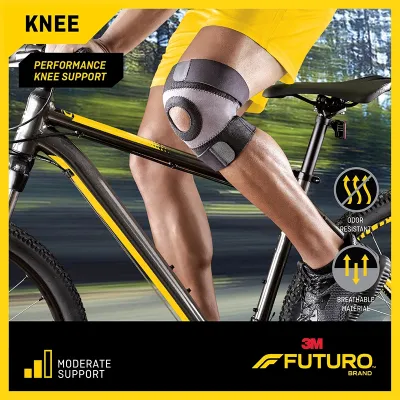
Moderate support models introduce additional stabilizing elements to help manage minor sprains, strains, or chronic joint instability. These guards often feature flexible side stabilizers, such as spiral stays, or adjustable strap systems that allow you to customize the compression around the patella. They strike a balance between structural reinforcement and flexibility, making them highly suitable for dynamic sports that require lateral movement and quick changes of direction.
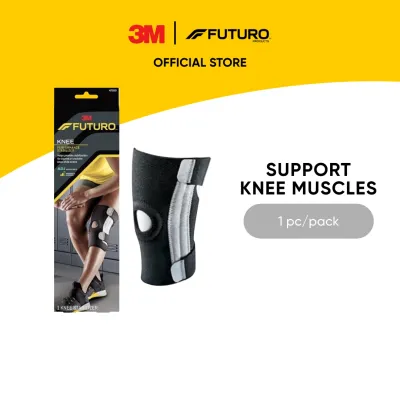
Firm support models represent the highest level of stabilization available in over-the-counter guards. These products are engineered for moderate-to-severe joint instability, post-injury recovery, or activities that place extreme stress on the knee joint. They frequently incorporate rigid stabilizers, dual-pivot hinges, and heavy-duty strapping systems to physically restrict lateral movement (varus and valgus stress) while allowing the knee to flex and extend safely along its natural path.
Beyond support levels, the physical design of the knee guard plays a critical role in its usability and comfort. Sleeve-style guards are pull-on designs that slip over the foot and slide up the leg. They provide continuous, even compression across the entire joint and are highly low-profile, making them easy to wear under daily clothing. However, because they lack adjustable straps, obtaining an exact fit is critical, as a sleeve that is too loose will slide down, while one that is too tight can restrict circulation.
Wrap-around and strap-style designs, by contrast, feature an open construction that wraps around the knee and secures with hook-and-loop fasteners. This design is highly adjustable, allowing you to customize the tightness at different points of the leg to accommodate swelling or unique anatomical shapes. They are also much easier to put on and take off, especially for individuals with limited mobility or those who prefer not to remove their shoes to apply the guard.
When browsing options, always read the product packaging and manufacturer specifications carefully to verify the stated support level and intended use cases. Do not rely solely on the visual appearance of the guard, as two models may look similar but offer vastly different levels of compression or structural reinforcement due to internal stabilizers or material density.
Matching the Right Design to Running, Weightlifting, and Recovery
Selecting a knee guard for running requires prioritizing flexibility, breathability, and patellar tracking. During a run, the knee joint undergoes thousands of repetitive flexion and extension cycles, generating continuous impact forces and significant sweat accumulation. A running-friendly guard must accommodate this high-frequency movement without causing friction, chafing, or excessive heat buildup behind the knee.

For runners, a lightweight, breathable knit sleeve with mild-to-moderate compression is often the most effective choice. Look for models that feature an open patella design or a built-in patella gel ring, which helps keep the kneecap properly aligned without applying direct, uncomfortable pressure to the joint. The material should feature moisture-wicking properties to draw sweat away from the skin, reducing the risk of chafing during long-distance runs. Avoid heavy, thick neoprene sleeves or models with rigid side hinges, as these will restrict your natural running gait and add unnecessary weight to your stride.
Weightlifting demands a completely different set of structural characteristics, focusing on joint warmth, high compression, and stability under heavy axial loads. When performing squats, deadlifts, or overhead presses, the knee joint is subjected to immense downward pressure that requires maximum stabilization. The primary goal of a weightlifting knee guard is to provide robust compression that enhances proprioception, helping you maintain proper joint alignment and control throughout the lift.
For lifting activities, wrap-around designs with adjustable straps or thick, firm-support sleeves are highly recommended. These designs allow you to tighten the support significantly before a heavy set to maximize joint stability, and then loosen or remove the guard between sets to restore full circulation. The materials used in lifting guards are typically denser and less flexible than those used for running, prioritizing structural integrity and heat retention over breathability. This heat retention keeps the joint lubricated and warm, which is essential for preventing stiffness during heavy training sessions.
Daily recovery requires a focus on comfort, prolonged wearability, and gentle compression to manage mild swelling or stiffness. Whether you are recovering from a tough workout, standing for long periods at work, or managing chronic joint discomfort, a recovery guard should support the knee without restricting your ability to perform daily tasks. The guard must be comfortable enough to wear for several hours at a time and thin enough to fit discreetly under standard trousers.
A mild compression sleeve made from soft, breathable knit fabrics is the ideal choice for daily recovery. These sleeves provide a gentle squeeze that promotes blood flow and helps reduce minor fluid retention without restricting your natural range of motion. Unlike sports-specific guards, recovery sleeves should avoid bulky straps, thick padding, or rigid stabilizers that can bunch up behind the knee when sitting or cause discomfort during prolonged wear. The focus is on subtle, consistent support that aids the body’s natural healing processes during rest and light movement.
It is vital to remember that knee guards are supportive tools and do not replace proper lifting mechanics, running form, or professional physical therapy. Relying on a brace to mask pain while continuing to use poor form or overloading the joint can lead to more severe injuries over time. Always view the knee guard as a temporary aid to assist your movement, rather than a permanent substitute for joint strength and mobility.
Essential Fit and Feature Checks Before You Buy
Before purchasing a knee guard, performing a thorough fit and feature check is essential to ensure the product performs safely and effectively. An improperly fitted knee guard can cause more harm than good, leading to restricted blood flow, skin irritation, or a complete lack of joint support. Taking precise measurements and evaluating the physical features of the guard will help you avoid these common issues.
To determine your correct size, always refer to the specific sizing chart provided by the manufacturer on the product packaging. Use a flexible measuring tape to measure the circumference of your leg at the points specified by the brand—typically around the center of the kneecap, as well as a set distance above the thigh and below the calf. Do not guess your size based on your clothing size or previous purchases from other brands, as sizing standards vary significantly between manufacturers. If your measurements fall between two sizes, it is generally safer to choose the larger size to prevent excessive constriction, unless you require highly targeted, short-duration compression for specific athletic events.
Material composition is another critical factor to evaluate, particularly if you have sensitive skin or plan to wear the guard in warm, humid climates like Singapore. Neoprene is a common material used in knee supports due to its excellent durability, elasticity, and heat-retaining properties. However, neoprene can trap sweat against the skin, potentially leading to heat rashes or allergic contact dermatitis for sensitive individuals. If you are prone to skin irritation, look for alternative materials such as breathable knit blends, nylon, or spandex, which offer superior ventilation and moisture management.
The grip and durability features of the guard determine how well it stays in place during dynamic movements. Look for sleeves that incorporate silicone grip strips or wave patterns along the inner top border, as these prevent the guard from sliding down your thigh during repetitive bending. For wrap-around models, inspect the quality and width of the hook-and-loop fasteners; wider straps distribute pressure more evenly across the leg and are less likely to fray or lose their grip over time.
Finally, you must establish clear stop conditions for using a knee guard to protect your physical health. While a guard can help manage mild discomfort, it should be removed immediately if you experience signs of compromised circulation or nerve compression. These signs include numbness, tingling, a cold sensation in your foot, skin discoloration, increased pain, or worsening swelling. If any of these symptoms occur, discontinue use of the guard and consult a healthcare professional to evaluate your joint health and ensure you are using the correct type of support.
Frequently Asked Questions (FAQ)
Can I wear a 3M knee guard all day for recovery?
While mild compression sleeves are designed for extended wear during daily activities, it is generally not recommended to wear them continuously all day and night unless specifically directed by a physician. Active support braces with rigid stabilizers or tight straps should only be worn during the physical activity itself. Avoid wearing any compression support while sleeping, as your circulation naturally slows down when lying down, and you cannot actively monitor for signs of restricted blood flow, numbness, or nerve compression.
How do I wash and maintain my knee guard?
To preserve the elasticity of the technical fabrics and ensure the longevity of the fasteners, always follow the specific care instructions printed on the product tag. As a general rule, hand wash the knee guard in cool water using a mild, gentle soap. Before washing, secure all hook-and-loop straps to prevent them from snagging the delicate knit fibers of the sleeve. Rinse the guard thoroughly to remove all soap residue, and air dry it flat in a shaded area away from direct sunlight or high heat sources, as machine drying can degrade the elastic fibers and warp plastic or metal stabilizers.
Does a knee guard replace physical therapy or medical treatment?
No, a knee guard is a supportive accessory designed to provide temporary symptomatic relief and mechanical stability; it is not a medical cure for joint injuries or chronic conditions. Relying solely on a brace to mask pain while continuing high-impact activities can lead to progressive joint damage, muscle imbalances, or muscle atrophy from over-reliance on external support. For persistent pain, acute injuries, or post-surgery rehabilitation, always consult a doctor or a qualified physiotherapist to address the root cause of the issue through targeted strengthening exercises and professional treatment.
Community discussion
Share your experience or ask a question. Comments are reviewed before publication.