
Selecting the right basketball backpack requires balancing specialized storage, material durability, and carrying comfort. To transport your court gear efficiently, a dedicated, ventilated shoe compartment is non-negotiable to isolate dirt and moisture from your clean apparel. Additionally, a water-resistant base is essential to protect your gear from damp court floors, while ergonomic straps ensure heavy loads are distributed evenly during your commute. By focusing on these core features, you can find a bag that protects your investment in high-performance footwear and keeps your gear organized.
In Singapore’s warm and humid climate, choosing a bag with proper ventilation is particularly critical. Sweat-soaked jerseys and damp court shoes left in an unventilated space quickly become breeding grounds for bacteria and persistent odors. Whether you are commuting via the MRT to an indoor sports hall or heading to an outdoor concrete court, your backpack must serve as a mobile locker that keeps your gear dry, secure, and easy to carry.
Quick Answer: Core Selection Criteria for Basketball Backpacks
When evaluating a basketball backpack, the most critical feature is a dedicated, ventilated shoe compartment. This zone must be physically separated from the main storage area, ideally using a breathable mesh panel or metal grommets to allow airflow. This design prevents the dirt, dust, and moisture accumulated on your outsoles from transferring to your clean clothes, towels, or personal electronics.
Products mentioned in this guide
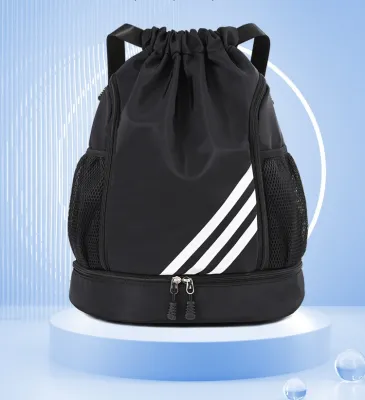
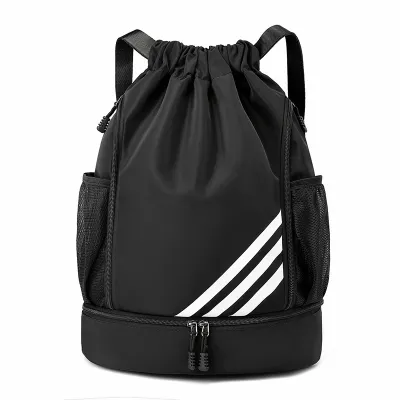
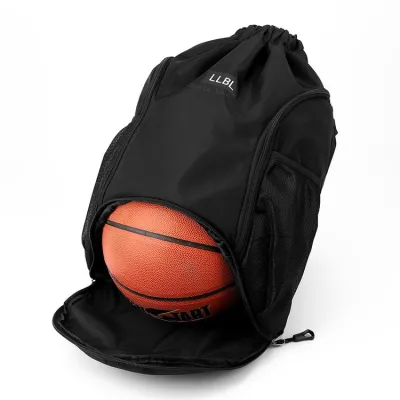
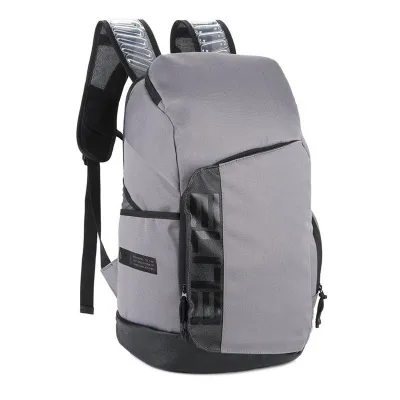
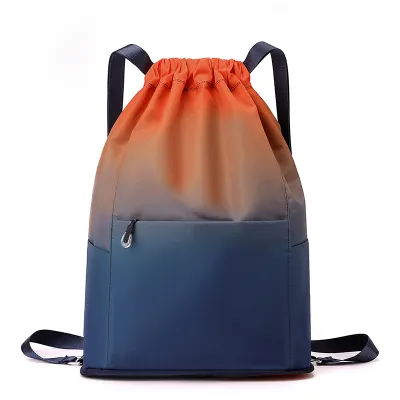
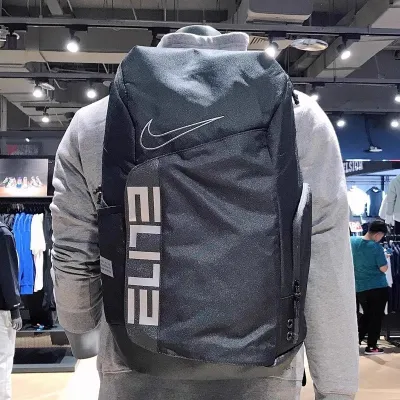
Prices are valid at publication and may change. Please refer to the product page for the latest price.
Equally important is the durability of the bag’s base. Basketball bags are frequently dropped on rough concrete, dusty locker room floors, or damp outdoor court sidelines. A reinforced, water-resistant bottom panel—typically made of heavy-duty tarpaulin or high-denier polyester with a polyurethane coating—prevents moisture from seeping upward and protects the fabric from premature wear and tearing.
Effective organization requires specialized zones rather than a single, cavernous compartment. Look for deep external mesh pockets designed to hold large water bottles, secure zippered pockets for keys and phones, and a spacious main compartment that can accommodate a change of clothes without crushing your shoes. These distinct zones save time and keep your gear accessible during quick transitions on the court.
Finally, ergonomic design is essential for managing heavy loads. Carrying a basketball, a pair of high-top shoes, a large water bottle, and personal items can easily add up to several kilograms. Thickly padded shoulder straps, a breathable mesh back panel to reduce back sweat, and an adjustable sternum strap help distribute this weight evenly across your torso, reducing strain on your shoulders and lower back.
Evaluating Shoe and Gear Storage Features
Shoe Isolation and Ventilation
To protect both your expensive basketball shoes and the rest of your gear, examine how the shoe compartment is integrated into the backpack. The most effective designs feature an independent shoe tunnel that inserts from the bottom or side of the bag. This tunnel should be lined with an easy-to-clean, water-resistant material that prevents wet mud or court dust from leaking into the main compartment.

Ventilation mechanisms are vital for odor control. Look for bags that incorporate physical metal eyelets, mesh ventilation strips, or breathable fabric gussets. These features allow air to circulate continuously, helping to dry out damp shoes during your commute home. A high-quality shoe compartment should also feature a wide, gusseted opening, allowing you to slide high-top sneakers in and out easily without scraping the collars or damaging the zippers.
Capacity and Layout Verification
When shopping for a basketball backpack, check the manufacturer’s specified internal volume, which is typically measured in liters. A capacity of 30 to 35 liters is generally sufficient for players who carry shoes, a change of clothes, and basic accessories. If you need to carry a full-sized basketball inside the bag alongside your shoes, look for a capacity of 40 liters or more.
Verify how the internal space is partitioned. Some bags feature a flexible fabric divider that allows the shoe compartment to expand upward into the main compartment when in use. While this design keeps the bag’s exterior profile streamlined, it reduces the available space for other large items. Ensure the main compartment remains wide enough to hold bulky items like thick towels, warm-up hoodies, and knee or ankle braces without forcing the zippers.
Tech and Valuables Protection
Many players transition directly from school or work to the basketball court, making tech protection a key consideration. Look for a backpack that features a dedicated laptop sleeve. Ideally, this sleeve should be padded and suspended, meaning the bottom of the sleeve ends a few centimeters above the base of the bag. This suspension prevents your laptop or tablet from slamming directly onto the floor when you drop your bag on the sideline.
For smaller valuables, search for dedicated, fleece-lined pockets. These soft-touch compartments protect delicate items like smartphones, smartwatches, and sunglasses from being scratched by loose keys, coins, or the rough zippers of other gear. Placing these pockets near the top or side of the bag allows for quick access without needing to rummage through your sweaty court apparel.
External Carry Options
External storage features can significantly increase a bag’s utility. Deep, elasticized side mesh pockets are excellent for holding large hydration flasks, ensuring they remain upright and do not leak inside the bag. Some backpacks also feature daisy chain webbing or utility loops on the exterior, allowing you to clip on extra gear, such as knee sleeves or wet towels, using carabiners to air them out.
Integrated ball nets or external mesh webs are another popular option. These nets typically zip away into a hidden pocket when not in use and can be deployed to secure a basketball to the outside of the bag. This setup frees up a massive amount of internal storage space, though it does leave your basketball exposed to sudden rain showers during outdoor commutes. Weigh this trade-off based on your typical travel routes and local weather patterns.
Understanding Top Brand Design Approaches
Design Philosophies
Major athletic brands approach basketball backpack design with distinct philosophies. Some brands favor a highly compartmentalized, tactical layout. These bags often feature a wide-opening main zipper—similar to a duffel bag—allowing you to lay the backpack flat and access all your gear instantly. This style is highly functional for players who carry numerous small accessories, tape, and recovery gear, as it provides a dedicated spot for every item.
Other brands focus on a streamlined, minimalist aesthetic. These designs prioritize a sleek exterior profile with fewer protruding pockets, making them highly suitable for crowded public transport commutes. Inside, they rely on simple, deep compartments and clever fabric dividers to keep gear organized. When choosing between these styles, consider whether you prefer quick external access to multiple pockets or a clean, compact bag that fits easily into tight spaces.
Material Verification
To ensure your backpack can withstand daily abuse, learn to read the material specifications on product tags or official descriptions. Look for high-denier polyester or nylon fabrics, typically rated from 600D (denier) up to 1680D. A higher denier number indicates thicker, stronger threads that offer superior resistance to abrasions, punctures, and tearing.
Pay close attention to the base material. Premium court bags often feature a reinforced bottom panel coated with thermoplastic polyurethane (TPU) or heavy-duty tarpaulin. These materials are completely waterproof and exceptionally easy to wipe clean. If you frequently play on outdoor concrete courts, a rugged, coated base is essential to prevent the rough ground from wearing holes in the bottom of your bag.
Authenticity and Retail
To guarantee you are receiving a genuine product with high-quality materials and construction, always purchase your backpack from official brand stores, flagship online boutiques, or authorized sporting goods retailers in Singapore. Counterfeit bags often look identical in photos but typically use cheap, low-denier fabrics, weak stitching, and substandard zippers that fail after a few weeks of carrying heavy gear.
Buying from authorized channels also ensures you have access to valid customer support. Keep your physical receipt or digital invoice safe, as these are required if you need to make a claim. Purchasing from unauthorized third-party sellers on online marketplaces often voids any manufacturer support, leaving you without recourse if the bag suffers a premature structural failure.
Warranty Checks
Before finalizing your purchase, review the manufacturer’s warranty terms. Most reputable athletic brands offer a limited warranty covering manufacturing defects in materials and workmanship for a set period, often ranging from six months to a year. This warranty typically covers major failures such as split seams, broken buckles, or zipper tracks that separate under normal use.
It is important to note that these warranties do not cover cosmetic wear and tear, such as fabric scuffs, minor stains, or degradation caused by overloading the bag beyond its intended capacity. Understanding these terms helps you set realistic expectations and highlights the importance of inspecting your bag’s stitching and hardware immediately after purchase.
Building Your Shortlist Based on Player Profile
Student-Athletes
Student-athletes require a versatile backpack that transitions seamlessly from the classroom to the court. For this profile, prioritize bags that offer a balanced split between academic and athletic storage. A dedicated, padded laptop sleeve and internal organizers for pens, notebooks, and chargers are essential. The bag must be durable enough to handle being stuffed into school lockers and dragged across campus hallways.
Look for a model with a reinforced, water-resistant base to protect schoolwork from damp ground. The shoe compartment should be compact enough when empty so it does not crowd out textbooks, yet spacious enough to hold court shoes when it is time for training. A total capacity of 30 to 35 liters is usually the sweet spot for managing both school supplies and basketball essentials without becoming overly bulky.
Adult League Players
For working professionals who head straight to league games after office hours, efficiency and professional styling are key. Look for a backpack with a streamlined, low-profile exterior in neutral colors that fits in a corporate office environment. A quick-access shoe tunnel is vital, allowing you to change into your court shoes quickly in the locker room.
Separate wet/dry zones are highly beneficial for this profile. After a high-intensity game, you need a secure, moisture-sealed compartment to isolate sweaty jerseys and socks, preventing dampness and odor from transferring to your work laptop or clean clothes. A bag that fits comfortably in a car trunk or on a crowded evening train commute will make your post-work game days much more manageable.
Coaches and Trainers
Coaches and trainers have unique gear requirements that demand maximum storage capacity and specialized organization. Instead of just personal gear, a coach often needs to carry tactical clipboards, whistle lanyards, stopwatches, training cones, and first-aid kits. Look for backpacks with a capacity of 45 liters or more, featuring numerous external zippered pockets for quick access to small tools.
External attachment points, such as heavy-duty daisy chains or dual water bottle sleeves, are incredibly useful for carrying extra gear or holding multiple hydration flasks. Some coaches’ bags also feature specialized flat compartments designed to keep playbooks and tactical boards crease-free and organized, ensuring you are always prepared during timeouts.
Tournament Travelers
If you frequently travel for weekend tournaments or cross-border training camps, comfort over long distances is paramount. Prioritize backpacks with advanced suspension systems, including thick, dual-density foam shoulder straps and a heavily padded lumbar support panel. An adjustable chest strap and a removable hip belt are excellent for transferring weight from your shoulders to your hips during long walks through airports or transit stations.
For travel, maximum internal volume is crucial. Look for bags that maximize carry-on dimensions while offering smart organizational layouts, such as clamshell openings that lay flat for easy security screening. Ensure the bag has secure, hidden pockets for passports, travel documents, and emergency cash, keeping your essentials safe while you focus on the tournament ahead.
Care and Maintenance for Court Bags
Routine Airing
To maintain a fresh and hygienic basketball backpack, establish a strict routine of airing it out immediately after every use. Never leave your damp court shoes, sweaty socks, or used towels zipped inside your bag overnight. The trapped moisture creates a humid environment that accelerates the growth of odor-causing bacteria and mold, which can permanently ruin the bag’s fabric lining.
As soon as you get home, remove all damp gear and open every zipper on the bag, especially the shoe compartment and the main storage zone. Hang the backpack in a well-ventilated indoor area away from direct, harsh sunlight, which can degrade synthetic fibers over time. Allowing air to circulate freely through the compartments ensures the interior dries completely before your next session.
Spot Cleaning
To clean dirt, mud, or court dust from your backpack, rely on gentle spot cleaning rather than harsh washing methods. Prepare a cleaning solution using lukewarm water and a small amount of mild, pH-neutral liquid soap or sports detergent. Avoid using bleach, fabric softeners, or strong chemical solvents, as these can strip away the water-resistant coatings applied to the fabric.
Dip a soft-bristled brush or a microfiber cloth into the soapy water and gently scrub the dirty areas, paying extra attention to the reinforced base and the interior of the shoe compartment. Once the dirt is removed, wipe down the area with a clean, damp cloth to remove any soap residue. Allow the bag to air dry completely in a shaded, breezy spot before packing it again.
Washing Limits
Always consult the manufacturer’s care label sewn inside the backpack before attempting any deep cleaning. Most high-performance basketball bags should never be placed in a washing machine or a tumble dryer. The mechanical agitation of a washing machine can warp the bag’s structural panels, tear the mesh pockets, and damage the heat-sealed seams, while the high heat of a dryer can melt water-resistant backings.
If the care label permits machine washing, use a gentle cycle with cold water, place the bag inside a large mesh laundry sack, and remove all detachable straps and metal hardware beforehand. However, hand-washing remains the safest and most reliable method to preserve the structural integrity and water resistance of your backpack over its lifespan.
Hardware Checks
Regularly inspect your backpack’s hardware to prevent sudden failures on your way to the court. Check the zipper tracks for any dirt, sand, or lint buildup, which can cause the slider to catch or derail. If a zipper feels stiff, you can apply a small amount of paraffin wax or specialized zipper lubricant along the teeth to restore smooth operation.
Examine the plastic buckles, adjustment slides, and strap attachment points for any signs of cracking, fraying, or stress discoloration. Pay close attention to the stitching where the shoulder straps meet the main body of the bag, as this area bears the brunt of the load. If you notice minor loose threads, trim them carefully with scissors to prevent them from unraveling further, ensuring your bag remains secure and reliable.
Frequently Asked Questions (FAQ)
Can I use a regular hiking or school backpack for basketball gear?
While you can physically fit some gear into a standard school or hiking backpack, these bags lack the specialized features required for basketball equipment. Regular backpacks typically do not have a dedicated, ventilated shoe compartment, meaning your dirty outsoles will sit directly against your clean clothes or schoolbooks, transferring odor and grime. Furthermore, standard backpacks rarely feature the reinforced, water-resistant bases necessary to withstand damp gym floors, leaving your valuables vulnerable to moisture seeping up from below.
How do I prevent my basketball shoes from making the bag smell?
To keep shoe odors from taking over your backpack, always air out your shoes before packing them, and remove them from the bag as soon as you arrive home. Use removable odor-absorbing inserts, such as cedar wood chips, activated charcoal pouches, or specialized deodorizing balls, inside your shoes when they are stored. Additionally, ensure you leave the shoe compartment’s zippers fully open when the backpack is stored at home to allow residual moisture to evaporate completely.
What size basketball backpack do I need to fit a size 14 shoe?
To accommodate larger footwear sizes like a US men’s size 14, look for a basketball backpack with a minimum capacity of 35 to 40 liters that specifically advertises an expandable or gusseted shoe tunnel. Before purchasing, verify the physical dimensions of the shoe compartment listed in the manufacturer’s specifications. Bags designed with a bottom-entry shoe compartment that expands upward into the main body generally offer the flexible volume needed to fit larger, high-top basketball shoes without putting excessive stress on the zippers.
Community discussion
Share your experience or ask a question. Comments are reviewed before publication.