
Selecting the right bicycle co2 pump in Singapore requires balancing speed, weight, and long-term reliability. When you are stranded on a humid roadside along the East Coast Park or deep in the muddy trails of Bukit Timah, a dependable inflator can mean the difference between a quick five-minute fix and an expensive taxi ride home. The optimal brand and model depend heavily on your specific cycling discipline—whether you prioritize the ultralight, high-pressure precision needed for road cycling, the rugged, high-volume capacity required for mountain biking (MTB), or the foolproof simplicity essential for daily urban commuting.
While many riders focus solely on the price of cartridges, the inflator head itself is a precision tool that handles immense pressure. Choosing a reputable brand ensures that the internal seals do not fail during a critical roadside repair, preventing wasted cartridges and stranded rides. By understanding the mechanical differences between valve heads, flow control styles, and materials, you can select an inflator that integrates seamlessly into your emergency repair kit.
Quick Guide: Matching CO2 Inflator Features to Your Ride
A bicycle co2 pump serves as an ultra-compact alternative to a traditional hand pump, utilizing pressurized carbon dioxide stored in small steel cartridges to inflate a flat tire in seconds. This speed is invaluable during group rides or daily commutes where time is of the essence. However, these tools involve distinct design trade-offs that you must consider before purchasing.
Products mentioned in this guide
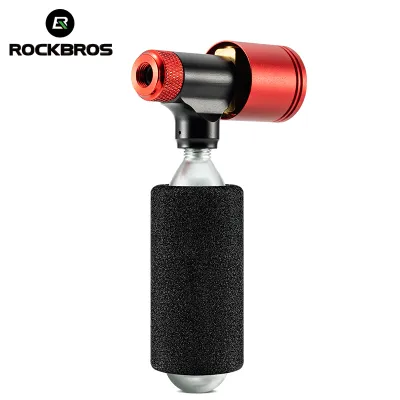
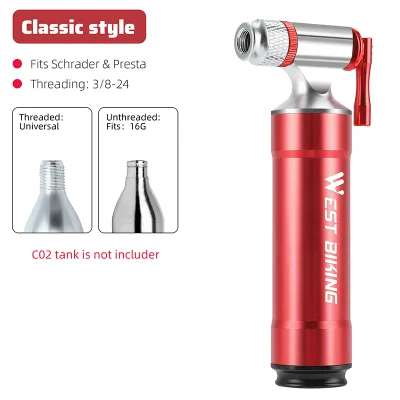
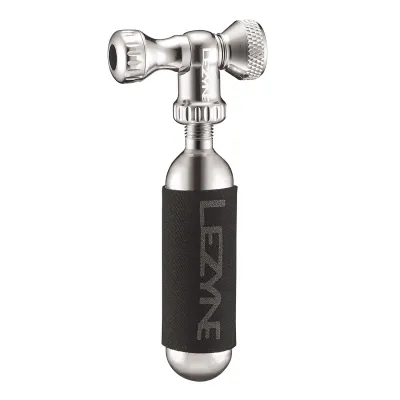
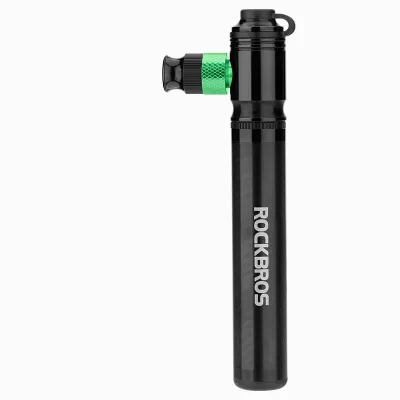
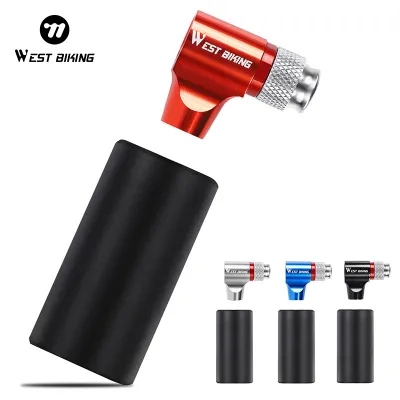
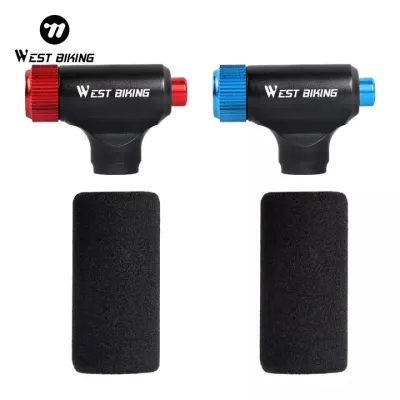
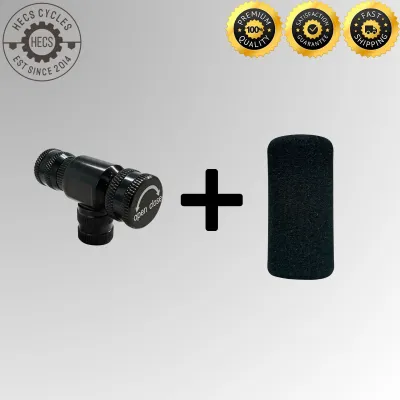
Prices are valid at publication and may change. Please refer to the product page for the latest price.
Ultralight minimalist heads save space but often offer zero flow control, meaning the entire cartridge discharges in a single, rapid blast. Conversely, heavier, regulated inflators feature control valves or trigger mechanisms that allow you to modulate the gas flow. This regulation is crucial for seating tubes correctly without pinching them or over-inflating high-pressure tires.
Brand reputation in this niche is closely tied to machining quality, seal reliability, and valve head engineering rather than marketing claims. A poorly machined head can strip cartridge threads or leak gas before the tire is filled. Investing in a brand known for robust engineering ensures the tool performs reliably under pressure, even after months of sitting unused in a saddlebag.
Core Evaluation Criteria for Your Bicycle CO2 Pump
Valve Head Compatibility
Most modern inflators support both Presta and Schrader valves, but how they achieve this compatibility varies significantly. Some brands use a smart head that automatically adapts to either valve type, while others require you to thread the head onto the valve or manually flip an internal rubber seal. Thread-on heads offer the most secure, leak-free connection, which is vital when dealing with pressures exceeding 100 PSI.

However, thread-on heads can accidentally unscrew removable Presta valve cores if they are not removed with care. Push-on heads are quicker to use but require a firm, perfectly straight hand to prevent gas from escaping. Before purchasing, verify that the valve attachment style matches your comfort level and the specific valve stems on your wheelsets.
Flow Control Mechanisms
Unregulated “pierce-and-blast” inflators puncture the cartridge as you thread it in, discharging the gas the instant the head is pressed onto the tire valve. This design is lightweight and simple but leaves no room for error; if the head is misaligned, you will lose the entire cartridge’s volume into the atmosphere.
Regulated inflators use a dial, tap, or spring-loaded trigger to control the flow. This allows you to release a tiny puff of gas to slightly inflate the inner tube so it takes shape inside the tire casing, reducing the risk of a pinch flat before you dump the remaining pressure. For delicate, high-pressure road tires, a regulated flow control mechanism is highly recommended to prevent sudden over-inflation.
Build Materials
The body of a bicycle co2 pump is typically constructed from either CNC-machined aluminum or high-impact composite plastic. Aluminum models offer superior thread longevity, ensuring that the threaded cartridge neck does not strip the inflator’s internal threads over multiple uses.
However, aluminum is highly conductive. When compressed CO2 expands, it drops to sub-zero temperatures almost instantly, causing the metal body to freeze. Composite plastic bodies insulate your hands better but are more susceptible to cracking if dropped on hard asphalt or cross-threaded during a stressful roadside repair.
Cartridge Capacity
CO2 cartridges are sold in several sizes, with 16g and 25g being the most common. A 16g cartridge is the industry standard for road and gravel tires, capable of inflating a 700x25c tire to approximately 90-100 PSI or a 700x40c gravel tire to around 35-40 PSI.
A 25g cartridge contains significantly more gas volume, making it essential for high-volume mountain bike tires (such as 29×2.3-inch or wider), where a 16g cartridge would fail to provide enough pressure to make the tire rideable. Always verify that your chosen inflator head can physically accommodate the larger diameter and thread pitch of a 25g cartridge, as some compact, enclosed-body inflators only fit 16g sizes.
Matching Brand Characteristics to Your Cycling Discipline
Road Cycling: Prioritizing Weight and Precision
Road cyclists operating on smooth tarmac prioritize low weight and aerodynamic efficiency. When packing a minimalist saddlebag or jersey pocket, every gram counts. For this discipline, look for brands that specialize in ultra-compact, lightweight CNC-aluminum heads that add minimal bulk to your kit.
Because road tires operate at high pressures and low volumes, having a highly precise flow control valve is paramount. A sudden, uncontrolled blast can easily over-inflate a narrow road tire, leading to a catastrophic blowout or damage to the rim bed. Premium brands catering to this market utilize aerospace-grade aluminum alloys and include integrated, slimline protective sleeves that slide over the cartridge to shield your fingers from freeze burns while keeping the overall package exceptionally compact.
Mountain Biking: Demanding Durability and Mud Protection
Trail riding introduces harsh environmental factors like mud, water, grit, and physical impacts. For mountain biking along rugged trails, your CO2 pump must be built to survive impacts and operate reliably when coated in grime. MTB-focused brands engineer their inflators with protective dust caps that cover the valve interface, preventing mud and trail grit from clogging the internal seals.
Look for robust, heavily knurled bodies or rubberized grips that ensure a secure hold even when your hands are covered in sweat, mud, or thick long-finger gloves. Furthermore, because mountain bike tires are wide and run at lower pressures, they require the high-volume output of a 25g cartridge. The inflator head must have robust internal threads and heavy-duty seals capable of handling the rapid, high-volume transfer of gas required to seat a tubeless tire bead onto the rim in an emergency.
Urban Commuting: Focusing on Simplicity and Reliability
For daily commuters navigating city streets or the park connector network (PCN), simplicity and foolproof operation are far more important than saving a few grams. When you are rushing to work or heading home in a sudden tropical downpour, you do not want to fiddle with complex valves or worry about losing a loose part.
Commuter-oriented brands focus on highly intuitive designs, such as spring-loaded push-to-inflate heads that operate naturally without dials. These brands often prioritize universal, auto-adjusting valve heads that fit both Presta and Schrader valves without requiring disassembly, which is incredibly convenient if you own a multi-bike household. To make commuting even more seamless, look for brands that package their inflators as part of a comprehensive, rattle-free kit that bundles the inflator head, multiple cartridges, tire levers, and a tire plug or patch kit inside a weather-resistant, hard-shell case.
Pre-Purchase Checklist for CO2 Inflators
Before purchasing a bicycle co2 pump, use the following matrix to verify that the technical specifications align with your bicycle wheels, preferred cartridge brands, and riding conditions.
| Valve Type (Presta/Schrader) | Flow Control (Yes/No) | Cartridge Size Compatibility (16g/25g) | Primary Material (Aluminum/Plastic) | Protective Sleeve Included (Yes/No) |
|---|---|---|---|---|
| Dual (Presta & Schrader) | Yes (Regulated Dial) | Dual (16g & 25g) | CNC-Machined Aluminum | Yes (Neoprene or Rubber Cover) |
| Presta Only | No (Press-to-Inflate) | 16g Only | Composite Plastic | No (Requires Gloves) |
| Dual (Auto-Adjusting) | Yes (Trigger Control) | Dual (16g & 25g) | Hybrid (Alloy Head/Plastic Body) | Yes (Integrated Sleeve) |
When using this checklist, cross-reference these specifications with your specific bicycle wheels and preferred cartridge brand. Additionally, verify whether your tire sealant is compatible with CO2 before relying on this system, as some liquid sealants can solidify or clump up when exposed to the extreme cold of expanding carbon dioxide. Check your tire and rim manufacturer instructions regarding maximum pressure ratings and compatibility with CO2 before your first use.
Safe Operation and Humidity Maintenance in Singapore
Safety Boundaries
Operating a bicycle co2 pump involves handling highly pressurized gas, which carries inherent risks. When the liquid CO2 inside the cartridge transitions to gas and expands, it absorbs heat rapidly, causing the cartridge and inflator head to drop to sub-zero temperatures within seconds. Touching the bare metal of an active cartridge can cause instant frostbite or freeze burns to your skin. Always use an insulated neoprene sleeve, a rubber cartridge jacket, or thick cycling gloves during operation.
Additionally, ensure the inflator head is pushed or threaded completely straight onto the tire valve. If the head is tilted or loose, the high pressure can bend or snap the delicate brass valve core, blow the rubber seals out of the inflator head, or cause the tire to violently pop off the rim. Always check that the tire bead is fully seated within the rim channel before discharging the cartridge.
Climate Maintenance
Singapore’s tropical climate, characterized by high relative humidity and frequent heavy downpours, presents unique challenges for bicycle tools. Steel CO2 cartridges are prone to surface rust if exposed to moisture, which can degrade the threaded neck and damage the internal threads of your inflator head. After riding in the rain, always remove the cartridge from your saddlebag, wipe down the inflator head, and allow it to dry completely.
Periodically inspect the internal rubber O-rings of your pump head; Singapore’s heat and humidity can accelerate the dry-rotting and cracking of rubber seals. A tiny drop of silicone lube on the O-ring can prolong its lifespan and maintain an airtight seal. If you notice any cracks, tears, or air leaks during a test, replace the O-ring or the inflator head immediately to prevent failure on the road.
Storage
To prevent premature corrosion and seal degradation, store your CO2 cartridges and inflator head inside a sealed, airtight plastic bag or a waterproof tool keg. Tossing a small packet of silica gel into the storage bag will actively absorb any trapped moisture, keeping the steel threads pristine and ensuring your emergency kit is fully operational when you eventually encounter a puncture.
Frequently Asked Questions (FAQ)
Can I use a CO2 pump to seat a completely flat tubeless tire?
Yes, but with limitations. The rapid, high-volume blast of gas from a CO2 cartridge can provide the sudden burst of pressure needed to push a tubeless tire bead outward and snap it onto the rim shelf. However, a standard 16g cartridge may not contain enough volume for wide mountain bike or gravel tires, making a 25g cartridge much more effective for this task.
It is important to note that CO2 is highly temporary; carbon dioxide molecules are smaller than oxygen and nitrogen molecules, meaning they will permeate through butyl tubes and tubeless tires much faster. Furthermore, the extreme cold can freeze and ruin certain types of tubeless sealants, causing them to clump into a solid ball. Use CO2 to seat and inflate the tire on the road or trail, but once you return home, deflate the tire completely and reinflate it using a standard floor pump filled with regular atmospheric air, and check your sealant level.
Do CO2 cartridges expire or lose pressure over time?
Sealed steel CO2 cartridges do not have an expiration date and can theoretically last indefinitely if stored in a cool, dry environment. Because they are hermetically sealed with a solid metal cap, they do not lose pressure over time unless the seal is physically compromised or corroded.
However, threaded and non-threaded cartridges should be regularly inspected for visual signs of rust, deep pitting, or damage around the neck. If a cartridge has developed significant surface rust, the structural integrity of the steel may be compromised, or the rust flakes could clog the internal needle of your inflator head. If you suspect a cartridge might be leaking, you can weigh it on a precise kitchen scale; a standard 16g cartridge typically has a total weight of around 56 to 60 grams (including the steel casing). If it weighs significantly less, the gas has likely escaped.
Is it safe to fly with CO2 cartridges in my luggage?
Flying with compressed gas cartridges is highly restricted and generally discouraged. Under International Air Transport Association (IATA) regulations, passengers are technically permitted to carry up to four small CO2 cartridges (not exceeding 28g or 50ml water capacity each) in their carry-on or checked baggage, provided they have prior approval from the airline.
However, individual airport security screeners and local aviation authorities often enforce stricter policies and may confiscate them during security checks. To avoid delays, confiscation, or baggage searches, it is highly recommended to leave your CO2 cartridges at home when traveling by air. Instead, pack your inflator head in your luggage and purchase fresh cartridges at a local bike shop at your destination.
Community discussion
Share your experience or ask a question. Comments are reviewed before publication.