
Cycling along Singapore’s Park Connector Network (PCN) offers a scenic, accessible way to explore the island’s coastal pathways and green corridors. Whether you are embarking on a casual weekend cruise or a cross-island loop, carrying your essentials comfortably is key to an enjoyable ride. A bicycle front bag serves as an ideal storage solution, keeping your phone, snacks, wallet, and tools within arm’s reach without the discomfort of a heavy backpack. Choosing the right front bag requires balancing storage capacity, mounting compatibility, and weather protection to match local riding conditions.
Understanding PCN Cycling Needs
The flat, well-paved terrain of Singapore’s Park Connector Network makes it highly accessible for folding bikes, hybrids, and road bikes. Because these paths connect various parks and urban spaces, rides often involve frequent stops at cafes, water points, or scenic lookouts. A front bag excels in this environment by providing quick-access storage, allowing you to grab your camera, cash, or EZ-Link card without needing to dismount or unpack rear panniers. This convenience makes your stops seamless and keeps your momentum going.
However, Singapore’s tropical climate introduces specific challenges. High ambient humidity and sudden, torrential downpours are common throughout the year. A front bag must protect your belongings from moisture, preventing water damage to electronics and keeping your snacks dry. Additionally, high humidity means that any moisture trapped inside a bag can quickly lead to mold, making material selection and breathability critical factors.
Products mentioned in this guide
![[SG SELLER] Bicycle Handlebar Front Bag Cycling Bike Front Tube Bag Bike Pannier Shoulder Bag Carrier Pouch 6L Waterproof](https://img.lazcdn.com/g/p/dfcdde6d9761fa88c244ea1d73a8c07f.jpg_400x400q80.jpg_.webp)
![[LOCAL SELLER] ROCKBROS Bicycle Frame Bag Cycling Phone Pouch Road Mountain Bike Bag All in 1 Waterproof Cycling Front Tube Frame Bag Saddle Tube Seat Handlebar Phone Mount Touchscreen Bicycle Bag Phone Bags Bicycle Accessories](https://img.lazcdn.com/g/p/3e96448f0d71e27c5248f2347db3ae27.jpg_400x400q80.jpg_.webp)
Prices are valid at publication and may change. Please refer to the product page for the latest price.
Fortunately, because the PCN consists of smooth, paved paths rather than rugged off-road trails, you do not have to worry about extreme vibrations. This allows for greater flexibility in bag shapes and mounting styles. You can opt for lightweight, compact handlebar bags or larger, structured designs without fearing that rough terrain will shake the bag loose, provided you choose a secure mounting system.
Key Features to Evaluate in a Bicycle Front Bag
When selecting a bicycle front bag, the level of water protection is one of the most critical specifications to verify. Manufacturers typically label bags as either water-resistant or fully waterproof. Water-resistant bags can handle light drizzle or road spray, but they may leak during a sudden tropical downpour. For reliable protection, look for bags that specify fully waterproof materials, such as TPU-coated nylon, and feature welded seams rather than stitched ones. Roll-top closures are also highly effective at keeping water out, as they eliminate the vulnerability of standard zippers.

In Singapore’s humid environment, mold resistance and drying speed are equally important. Check the manufacturer’s specifications for interior liners that are easy to wipe clean and dry quickly. Materials that resist moisture absorption help prevent the buildup of musty odors and protect your gear from dampness. If you plan to store damp items, such as a sweaty sweatband or a wet rain jacket, look for bags with external mesh pockets that allow these items to air-dry while you ride.
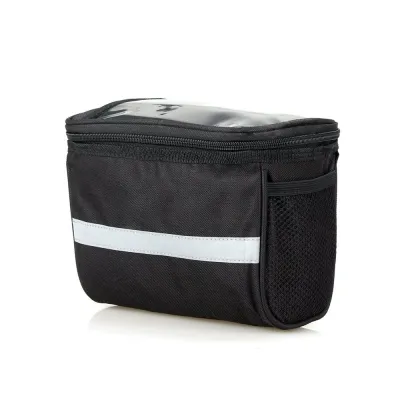
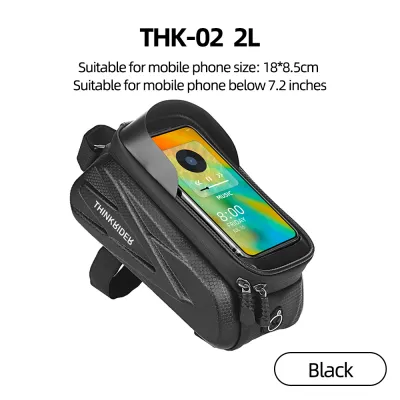
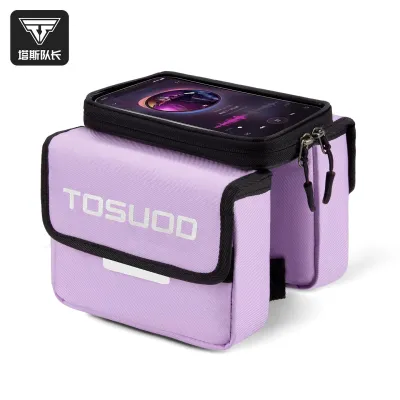
Safety and visibility should also guide your choice, especially if you enjoy early morning or late evening rides along the PCN. Prioritize bags that feature reflective elements, piping, or dedicated attachment loops for clipping on safety lights. Additionally, many front bags come with a clear top pocket designed to hold a smartphone or GPS device. This feature is incredibly useful for navigating unfamiliar sections of the PCN, allowing you to view maps clearly while keeping your device protected from sudden rain.
Mounting Styles and Bicycle Compatibility
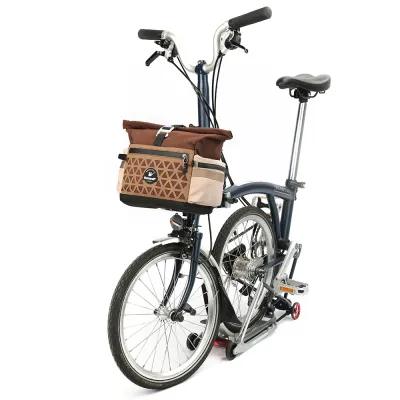
Bicycle front bags generally attach using one of two primary methods: direct handlebar straps or integrated front racks. Handlebar-mounted bags are highly versatile and compatible with most bicycle types, including folding bikes, which are incredibly popular for PCN riding due to their portability. These bags typically use velcro or buckle straps to secure directly to the handlebars and headtube. For larger loads, front-rack or basket-integrated options offer superior stability, but they require your bicycle frame to have compatible mounting eyelets.
Before purchasing any front bag, it is essential to perform a thorough clearance check on your specific bicycle setup. Measure the distance between your handlebars and the front tire to ensure the bag will not rub against the wheel when fully loaded. You must also verify that the bag does not interfere with your brake cables, gear outer casings, or front suspension forks. Squeezing or pinching these cables can severely compromise your shifting and braking performance, creating a safety hazard.
Finally, always check the manufacturer’s stated weight limits for both the bag and your bicycle’s steering system. Front bags place weight directly over the front wheel, which inherently alters the handling characteristics of your bike. Overloading a front bag can make steering feel sluggish, heavy, or unpredictable. To maintain safe handling and prevent damage to your handlebars or frame, keep the load within recommended limits and practice riding with a loaded bag in a quiet area before hitting busy PCN routes.
Organizing Gear for Typical Local Rides
A well-organized front bag ensures that your essentials are always within reach and protected from the elements. For a typical ride on the PCN, group your gear by frequency of use. Keep items you need quick access to, such as your phone, cash, sunscreen, and snacks, at the top of the bag or in dedicated external pockets. Puncture repair kits, spare inner tubes, tire levers, and multi-tools can be packed at the bottom, as you will only need them in the event of a mechanical issue.
Even if your front bag is rated as waterproof, using secondary dry bags or waterproof pouches inside the main compartment is a smart practice. Placing your smartphone, power bank, keys, and physical documents inside a sealed plastic pouch or lightweight dry sack provides an extra layer of defense against moisture. This double-protection method ensures that your high-value electronics remain completely dry, even if water manages to seep through a zipper during an exceptionally heavy downpour.
Proper weight distribution is also crucial for maintaining bicycle stability. Always place the heaviest items, such as a portable tool kit or a heavy lock, at the bottom of the bag and as close to the bicycle’s headtube as possible. This keeps the center of gravity low and centered, minimizing the leverage effect on your steering. Avoid packing heavy items on the outer edges of the bag, as this can cause the bag to sway from side to side, affecting your balance and increasing the risk of the bag rubbing against your front tire.
Maintenance and Care in a Tropical Climate
The combination of high heat, intense humidity, and salt from sweat can accelerate the wear and tear on your bicycle front bag. To prolong its lifespan, establish a simple post-ride maintenance routine. After every ride, especially those where you encountered rain or sweated heavily, empty the bag completely and open all compartments. Air-dry the bag in a shaded, well-ventilated indoor area. Avoid leaving the bag in direct, harsh sunlight for extended periods, as prolonged UV exposure can degrade synthetic fabrics, fade colors, and weaken mounting straps.
Regular cleaning is essential to prevent hardware failure. Dust, road grime, and sweat salt can accumulate in zipper teeth, buckles, and velcro closures, leading to corrosion, jamming, or loss of grip. Wipe down the exterior and interior of the bag with a damp cloth and mild soap. Use a soft-bristled brush, such as an old toothbrush, to gently clean debris out of zipper tracks and velcro. Avoid using harsh chemical solvents or throwing the bag into a washing machine, as this can strip away waterproof coatings and damage structural inserts.
Lastly, make it a habit to inspect the mounting hardware and straps before every ride. Look for signs of fraying, cracking, or stretching in velcro straps, rubber mounts, or plastic buckles. In Singapore’s warm climate, plastic and rubber components can become brittle over time. Replacing a worn strap before it fails prevents the dangerous scenario of your bag detaching mid-ride, which could lead to a sudden loss of control or damage to your gear.
Frequently Asked Questions (FAQ)
Can I use a standard backpack or messenger bag instead of a front bag on the PCN?
While you can use a standard backpack or messenger bag, doing so often leads to significant discomfort in Singapore’s tropical climate. Wearing a bag on your body restricts airflow, causing massive sweat buildup on your back and shoulders, which can lead to chafing and overheating. A body-worn bag also places the weight on your spine, causing fatigue over longer rides. In contrast, a bicycle front bag transfers the weight directly to the bicycle frame, keeping your body cool, dry, and unrestricted, while making your gear much easier to access during short stops.
How do I prevent my front bag from blocking my bicycle's front light?
A common challenge with front bags is that they can block the beam of a handlebar-mounted front light, compromising your safety during low-light rides. To resolve this, you can install a handlebar extender, which is a small accessory bar that clamps to your handlebars and provides extra mounting space above or to the side of your bag. Alternatively, you can choose a low-profile bag design that sits lower than your handlebar line, or relocate your front light to your bicycle’s fork crown, front rack, or even mount a light directly onto your helmet.
Community discussion
Share your experience or ask a question. Comments are reviewed before publication.