
Riding along Singapore’s extensive Park Connector Network (PCN) offers a scenic, accessible way to explore the island, from the coastal stretches of East Coast Park to the lush pathways of the Round Island Route. However, carrying personal essentials like your phone, wallet, keys, sunblock, and a light rain jacket can quickly become a hassle. While a backpack is a common default, it often leads to a sweaty back and shoulder fatigue in our warm, humid tropical climate. A dedicated bicycle handle bar bag solves this issue by transferring the weight directly to your bike frame, keeping your body cool and your essentials within arm’s reach. Choosing the right bag requires balancing storage capacity, mounting stability, and weather protection against your specific riding habits and bicycle type.
Defining Your Park Connector Network Riding Profile
Before browsing online marketplaces or visiting a local bike shop, you must analyze your typical riding patterns on the PCN. Casual riders generally fall into a few distinct categories, each with unique storage demands. If your typical outing consists of a quick, one-hour morning spin to a nearby hawker center or cafe, your cargo needs will be minimal. You will likely only need to carry a smartphone, a transit card, house keys, and perhaps a small pocket pump. For these short trips, a compact, lightweight bag is ideal as it keeps your steering light and responsive.
Conversely, if you plan half-day family excursions along the PCN, your cargo requirements will expand significantly. You may need to pack multiple bottles of hydration, sunscreen, insect repellent, a basic multi-tool, spare inner tubes, and snacks. This scenario demands a much larger bag with structured compartments to keep items organized and prevent them from rattling.
Products mentioned in this guide
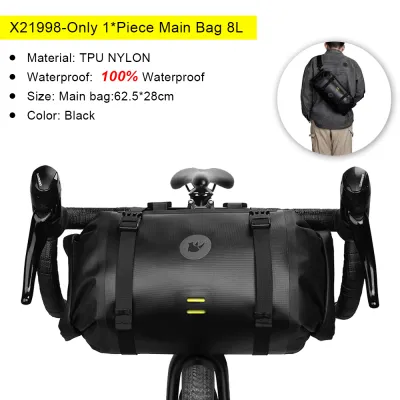
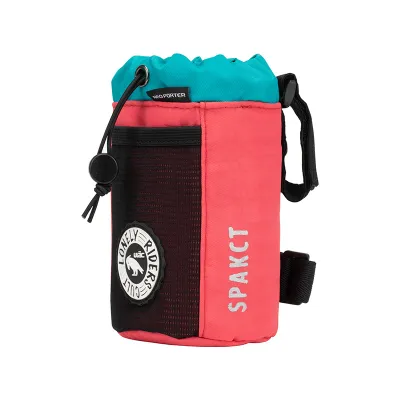
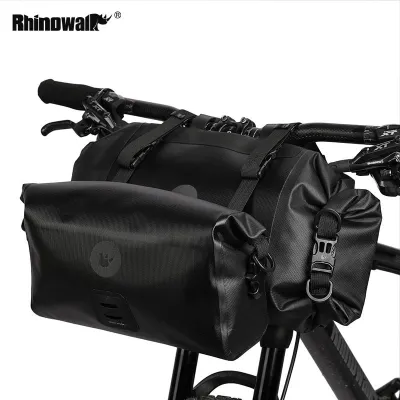
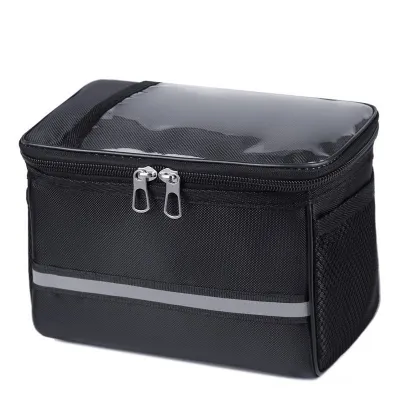
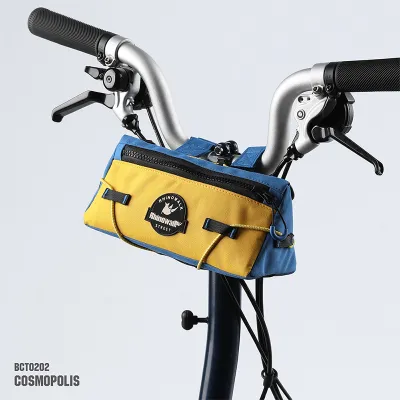
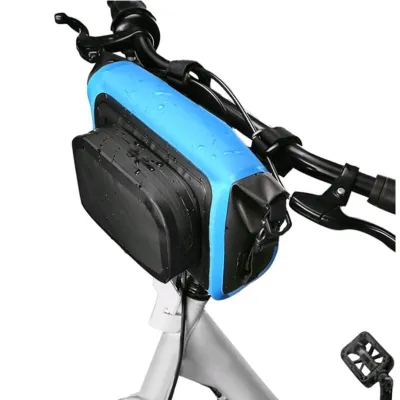
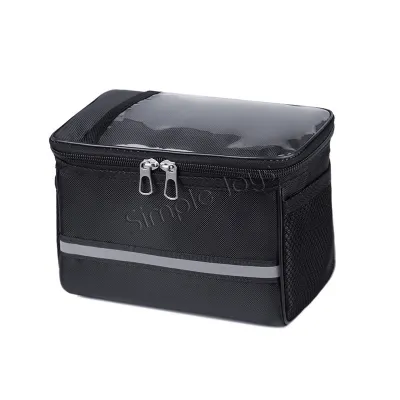
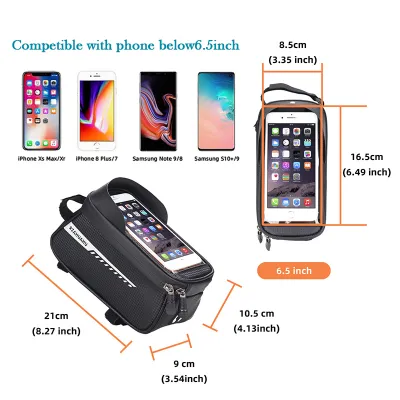
Prices are valid at publication and may change. Please refer to the product page for the latest price.
Additionally, you must evaluate your specific bicycle type. Singapore’s PCN is highly popular among folding bike enthusiasts, hybrid riders, and road cyclists. Folding bikes, in particular, present unique compatibility challenges. Because folding bikes often feature long stem posts and compact handlebars, a bag that is too tall can rub against the front tire or interfere with the folding hinge. Hybrid and road bikes, on the other hand, offer more vertical clearance but may have crowded handlebars due to brake cables, gear shifters, and mounted front lights. Understanding these physical constraints early prevents purchasing a bag that compromises your bike’s functionality.
Essential Features for a PCN-Friendly Handlebar Bag
Selecting a bicycle handle bar bag involves evaluating how its design elements interact with your bicycle’s handling and your overall riding comfort. A well-designed bag should remain stable over various terrains while providing easy access to your gear. The three primary decision pillars to focus on are storage layout, attachment security, and climate resilience.

Capacity, Compartments, and Accessibility
The volume of a handlebar bag is measured in liters, and choosing the right size is a trade-off between carrying capacity and steering agility. For casual PCN rides, bags generally range from 1 to 5 liters. A small 1- to 2-liter bag is perfect for minimalists, offering just enough space for personal items without adding noticeable weight to your steering. If you are planning longer weekend rides where you need to carry extra layers, snacks, or a compact camera, a 3- to 5-liter bag provides the necessary volume.
Accessibility is another critical factor. Look for bags that feature quick-access external pockets, such as mesh side sleeves or zippered front compartments. These are incredibly useful for storing items you need to grab quickly without stopping, such as a transit card for a quick MRT transition or a pack of tissue.
Internal organization is equally important. A single, unstructured compartment can turn into a chaotic void where keys scratch your phone screen and loose coins rattle incessantly. Opt for bags with internal mesh dividers, key clips, and padded walls. Internal padding not only protects delicate electronics from the constant vibrations of riding over tactile paving and wooden boardwalks but also helps the bag maintain its shape when empty, preserving the aesthetic of your bicycle.
Mounting Mechanisms and Handlebar Clearance
How a bag attaches to your handlebar directly influences both its stability and how easy it is to remove when you park your bike. The two main mounting styles are strap-based systems and rigid quick-release brackets. Strap-based mounts typically use heavy-duty hook-and-loop straps or rubberized straps that wrap directly around the handlebar and stem. These are highly versatile, lightweight, and fit almost any handlebar diameter. However, they can take a minute or two to install or remove, and they may compress your brake and gear cables if not routed carefully.
Rigid quick-release bracket systems use a dedicated mount that remains bolted to your handlebar, allowing you to click the bag on and off in seconds. This is exceptionally convenient if you frequently stop at air-conditioned cafes or convenience stores along the PCN and want to take your valuables inside with you. The trade-off is that these brackets add extra weight and can take up valuable handlebar real estate.
Regardless of the mounting style, you must verify clearance. Ensure there is sufficient space between the bottom of the bag and the top of your front tire or mudguard, especially when the bag is fully loaded. A bag that sags and rubs against a spinning wheel is a major safety hazard. Furthermore, check that the mounting straps do not pinch your brake hoses or mechanical cables, which can degrade shifting performance or, worse, compromise your braking ability.
Weather Protection and Material Durability
Singapore’s tropical climate is characterized by high humidity, intense sunlight, and sudden, heavy downpours. Therefore, weather protection is a non-negotiable feature for any PCN handlebar bag. Bags handle wet weather in three main ways: water-resistant coatings, roll-top closures, and fully waterproof welded seams.
Water-resistant bags are typically made from treated nylon or polyester fabrics. They can handle light drizzle or road spray, but water will eventually seep through the stitched seams and zippers during a heavy tropical storm. Roll-top bags eliminate the vulnerability of zippers by using a folding closure system, which is highly effective at keeping water out. Fully waterproof bags feature welded seams (rather than stitched ones) and waterproof zippers or roll-tops, ensuring your electronics stay dry even in a torrential downpour.
Beyond water resistance, consider the effects of high humidity. Storing damp items in a sealed, non-breathable bag can quickly lead to mold and unpleasant odors. Look for materials that are easy to wipe clean and dry quickly. Additionally, because your bike may be parked outdoors under the intense sun, UV-resistant fabrics are essential to prevent the bag from fading, cracking, or degrading over time.
Matching Bag Styles to Your Casual Riding Needs
To narrow down your choices, it is helpful to match specific bag silhouettes to your primary riding style. For the minimalist commuter or casual evening cruiser, a compact canister or burrito-style bag is often the best fit. These cylindrical bags tuck neatly under the handlebar, offer a streamlined profile, and provide just enough space for the essentials. They have minimal impact on steering and are highly compatible with road and hybrid bikes.
For those who enjoy half-day family rides or weekend picnics, a mid-sized roll-top or structured box bag is more appropriate. These bags offer flexible capacity, allowing you to expand the roll-top when carrying extra snacks or a light jacket, and roll it down tightly when carrying less. They often feature rigid internal structures that prevent sagging, ensuring the bag remains stable even when loaded with heavier items like a thermos or a compact camera.
If navigation is a priority—perhaps you are exploring new PCN loops or following a specific digital route—look for a bag with an integrated phone sleeve or map case on the top lid. These clear, touchscreen-compatible pockets allow you to view your GPS map at a glance without having to stop and pull your phone out of your pocket.
When choosing between these styles, keep the inherent trade-offs in mind. Larger, more structured bags offer unmatched cargo flexibility but add weight to your front end, which can make steering feel sluggish. Compact bags keep your ride nimble and aerodynamic but force you to be highly selective about what you carry.
Pre-Purchase Verification and Safety Checks
Before finalizing your purchase, perform a few practical checks to ensure the bag is safe and compatible with your bicycle. First, use a measuring tape to determine your handlebar’s diameter (common standards are 25.4mm, 31.8mm, or 35mm) and the available horizontal space between your brake levers or handlebar grips. Ensure the bag’s mounting points align with these measurements.
Second, consider the weight distribution. Most handlebar bags have a recommended maximum weight limit, often between 1.5kg and 3kg. Exceeding this limit can make your steering dangerously heavy, slow down your reaction times, or cause the front wheel to lift unexpectedly when riding up steep PCN bridges or ramps. Always pack heavier items, like tools or water, at the bottom of the bag and closest to the head tube to keep the center of gravity low and stable.
Third, safety on shared paths is paramount. Ensure the mounted bag does not block your front light or reflectors. If your handlebar space is limited, look for a bag that features an integrated light attachment loop on the front face, allowing you to mount your safety light directly onto the bag itself.
Finally, plan your budget realistically. High-quality handlebar bags in Singapore typically range from S$30 for basic strap-on models to S$150 or more for premium, fully waterproof, quick-release systems. If you opt for a quick-release model, verify whether the mounting bracket is included in the price or if it must be purchased separately as supplementary hardware, as this can add S$20 to S$40 to your total investment.
Frequently Asked Questions (FAQ)
Can I use a handlebar bag on a folding bike?
Yes, but you must pay close attention to clearance and the folding mechanism. Folding bikes often have less space between the handlebar and the front wheel, and a low-hanging bag can rub against the tire. Additionally, a bulky bag or rigid mounting bracket may prevent the bike from folding completely or lock the frame hinges. Look for compact, shallow bags, or consider using a front carrier block system specifically designed for folding bikes, which mounts the bag to the frame head tube rather than the handlebar, preserving steering agility and folding capability.
How do I prevent the bag from swaying over uneven surfaces?
To prevent your bag from bouncing or swaying when riding over tactile paving, wooden boardwalks, or gravel paths, utilize a third stabilization point. Most high-quality handlebar bags include a lower stabilizer strap or bungee cord designed to wrap around your bike’s head tube or steering column. Tensioning this strap pulls the bottom of the bag snugly against the frame, eliminating vertical bounce. Additionally, always pack your heaviest items at the bottom and back of the bag, closest to the bike frame, to minimize the leverage effect on your steering.
Do I need a fully waterproof bag for sudden tropical showers?
While a fully waterproof bag with welded seams offers the ultimate peace of mind during Singapore’s sudden afternoon downpours, it is not strictly necessary for casual riders who can easily seek shelter under PCN pavilions or bridges. A highly water-resistant bag made of treated fabric will easily survive a light drizzle. If you want to save money, a highly effective and budget-friendly alternative is to use lightweight, silicone-coated dry bags or simple zip-top plastic bags inside your water-resistant handlebar bag to protect your phone, wallet, and electronics.
Community discussion
Share your experience or ask a question. Comments are reviewed before publication.