
Selecting the right bottle duo holder bag is a critical decision for runners who need to balance hydration and nutrition during long-distance training sessions or races. Carrying two separate bottles allows you to separate pure water from electrolyte or carbohydrate mixes, while dedicated gel pockets keep your energy supply within arm’s reach. The ideal carrier must secure this payload close to your center of gravity, minimizing vertical bounce and lateral sway without restricting your breathing or natural running stride.
To find the system that works best for your body type and training volume, you must evaluate how different designs distribute weight, how they secure bottles of varying shapes, and how their materials perform under high-heat and high-humidity conditions. By focusing on structural stability, accessibility, and precise fit verification, you can select a dual-bottle carrier that supports your performance goals rather than distracting from them.
Key Features to Evaluate in a Dual-Bottle Running Carrier
When evaluating a dual-bottle carrier, the primary consideration is how the system retains the bottles during high-impact movement. Standard bottle holsters rely on gravity, which is insufficient for the rapid vertical oscillations of running. Look for carriers that feature active retention mechanisms, such as elastic bungee cords that loop securely over the bottle neck, high-friction silicone interior grips, or semi-rigid molded holsters that click the bottles into place. Molded holsters are particularly useful because they maintain their shape when empty, allowing you to slide a bottle back in with one hand without looking down or breaking your stride.
Products mentioned in this guide
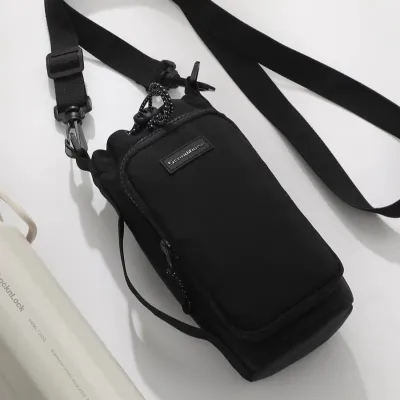
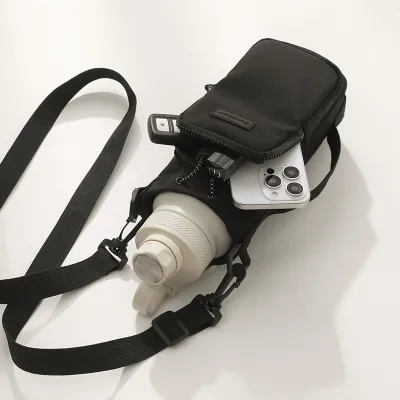
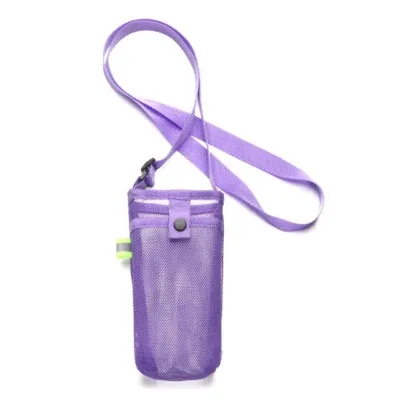
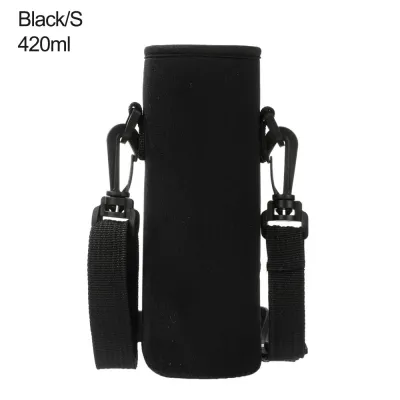
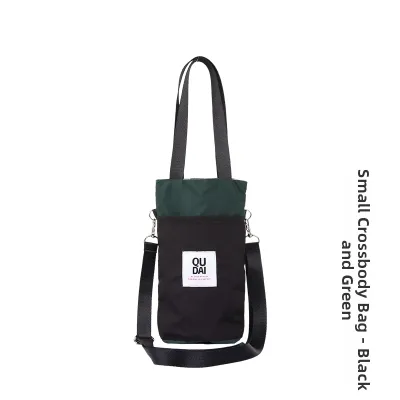
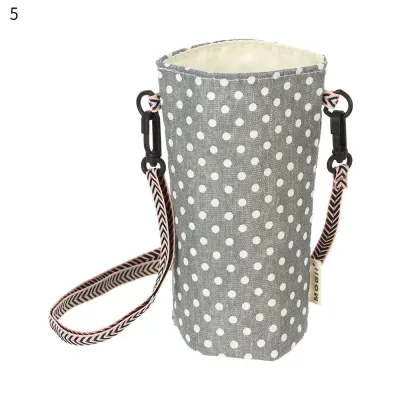
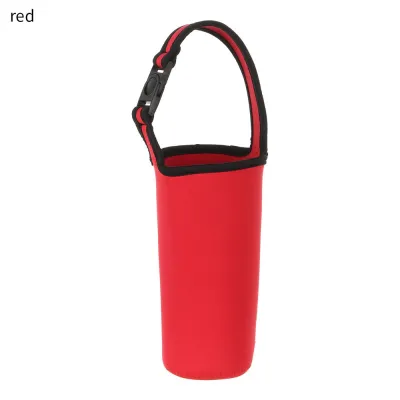

Prices are valid at publication and may change. Please refer to the product page for the latest price.
Bottle capacity limits are equally important to analyze before making a purchase. Most dual-bottle waist belts and vests are designed to accommodate flasks ranging from 250ml to 600ml each. Carrying more than 1.2 liters of fluid on your waist or chest can significantly alter your running mechanics and increase joint stress. It is generally more effective to select a carrier optimized for smaller, lighter flasks and plan to refill them at designated water points rather than overloading your body with excessive fluid weight from the start of your run.
Gel storage and pocket placement can make or break your nutrition strategy during a hard effort. The pockets or elastic loops designed for energy gels should be positioned on the front or sides of the carrier, allowing you to reach them without twisting your torso or slowing your pace. Pockets with angled openings or elasticized mesh are highly effective because they hold the gels flat against your body, preventing them from bouncing or chafing against your skin while remaining easy to open with sweaty fingers.
Bounce reduction is the ultimate test of a dual-bottle carrier’s design quality. To minimize movement, high-quality carriers utilize wide, slightly elasticized waistbands or dual chest straps that distribute the weight over a larger surface area. A wider band disperses pressure more evenly across your hips or ribcage, preventing the carrier from digging into your soft tissues or sliding upward as you run. Look for tensioning systems that allow you to make micro-adjustments on the fly, as the carrier will naturally need to be tightened as you consume your fluids and the bottles become lighter.
Matching the Holder Style to Your Running Distance
For short to medium-distance runs, typically ranging from 5km to 15km, a dual-bottle waist belt or a handheld dual-holder system is often the most comfortable choice. Handheld systems keep the weight in your hands, which can feel highly responsive for shorter efforts but may lead to forearm fatigue or shoulder tension over longer distances. A low-profile waist belt keeps your hands completely free and places the weight directly over your pelvis, which is the most stable part of your body during running. This setup is ideal for runners who prefer a minimalist feel and want to keep their upper body completely unrestricted.

As your training distances extend into half-marathons, full marathons, or trail runs, a hydration vest featuring dual front flasks becomes a highly practical option. Vests distribute the weight of the water and gels across your upper back, shoulders, and chest, which reduces the localized pressure points associated with waist belts. Front-mounted soft flasks sit high on the chest, making them incredibly easy to drink from via extended straws or bite valves without removing them from their pockets. Additionally, vests typically offer substantially more storage space for safety gear, lightweight weather jackets, and extra nutrition.
Every carrier style presents unique weight distribution trade-offs and potential chafing risks that vary based on your individual body shape. Waist belts must be worn snugly around the widest part of your hips to prevent them from riding up to your natural waist, where they can bounce and cause painful friction against your lower back or abdomen. Vests, while highly stable, cover a larger portion of your torso and can trap body heat, which may lead to chafing around the neck, collarbones, and underarms if the fit is not perfectly dialed in. Understanding these dynamics allows you to choose a style that aligns with your distance goals and physical comfort.
Building Your Shortlist: Pre-Purchase Checks and Fit Verification
Before purchasing a bottle duo holder bag, it is essential to verify the exact dimensions of the bottles you plan to use against the manufacturer’s holder specifications. Do not assume that a standard 500ml bottle from one brand will fit into a holster designed by another. Check the bottle’s diameter, height, and neck shape, as well as whether the holster is optimized for rigid plastic bottles or soft, collapsible flasks. Soft flasks require deep, supportive pockets with compression straps to prevent them from sagging and bouncing as they empty, whereas rigid bottles require structured holsters with secure locking mechanisms.
In warm and humid environments, such as Singapore’s tropical climate, material breathability and moisture-wicking capabilities are critical for preventing skin irritation and heat buildup. Look for carriers constructed from open-weave 3D spacer mesh, perforated foams, and lightweight synthetic fabrics like nylon or polyester blends. These materials allow air to circulate between the carrier and your skin, promoting sweat evaporation and preventing the fabric from absorbing water and becoming heavy. Avoid heavy neoprene or non-breathable plastics, which trap sweat against your body and rapidly lead to severe chafing.
Because a proper fit is highly individual, always review the manufacturer’s sizing charts carefully, measuring your hips or chest while wearing your typical running apparel. When purchasing from online sports retailers or brand websites, pay close attention to their return and exchange policies. It is highly recommended to test the fit of your new carrier at home by filling the bottles to their maximum capacity and jogging in place or running up and down a flight of stairs. If you experience any slipping, bouncing, or pressure points during this brief home test, take advantage of the return policy to exchange the item for a different size or style before using it outdoors.
Packing and Adjusting for a Bounce-Free Run
Achieving a bounce-free run requires careful packing and systematic adjustment of your dual-bottle carrier before you take your first stride. Symmetrical weight distribution is the foundation of proper running posture and balance. If you are carrying two different fluids, such as water in one bottle and a dense carbohydrate mix in the other, try to keep their volumes and weights as equal as possible. If you drink more from one bottle during your run, periodically transfer fluid between them or alternate your sips to maintain a balanced load across your hips or chest, preventing muscle strain on one side of your body.
Proper strap tensioning is a delicate balance between securing the load and maintaining physical comfort. When putting on a waist belt, position it low on your hips, tighten the main strap until it is snug, and then take a deep breath to ensure it does not restrict your abdominal expansion. For hydration vests, adjust the side straps first to pull the back panel flush against your spine, then secure the front sternum straps. The chest straps should be tight enough to eliminate lateral sway of the front flasks but flexible enough to allow your lungs to expand fully during high-intensity breathing.
Organizing your smaller essentials, such as energy gels, keys, and salt tablets, requires a methodical approach to ensure quick, one-handed access while in motion. Place heavier items, like a smartphone or car keys, in secure, zippered pockets located closest to your center of gravity, typically in the center back of a waist belt or the lower back of a vest. Store your energy gels in the dedicated elastic loops or external mesh pockets on the front or sides of the carrier. Grouping your nutrition by consumption order and keeping it separate from sharp objects ensures you can grab a gel quickly without risking punctures or dropping other gear.
Care and Maintenance for Longevity
To preserve the elasticity, hygiene, and overall lifespan of your bottle duo holder bag, establishing a routine care and maintenance schedule is essential. Always consult the care labels attached to the carrier before washing, as technical fabrics, elastic bands, and neoprene can degrade rapidly if exposed to harsh chemicals or high heat. Hand washing your carrier in cool water with a mild, sports-specific detergent is the safest method for removing sweat salts, body oils, and dirt. If you prefer to use a washing machine, place the carrier inside a mesh laundry bag, select the delicate cycle, and avoid using fabric softeners, which can clog the pores of moisture-wicking fabrics and ruin their breathability.
Proper drying techniques are especially critical in humid climates to prevent the growth of mold, mildew, and unpleasant odors. After washing, gently squeeze out excess water without wringing or twisting the fabric, which can damage the internal elastic fibers. Hang the carrier to air-dry in a well-ventilated, shaded area away from direct sunlight, as prolonged ultraviolet exposure can weaken synthetic materials and cause them to become brittle. Ensure the carrier is completely dry, inside and out, before storing it in a cool, dry closet; never leave a damp carrier crumpled up inside a gym bag or a dark locker.
Regularly inspecting your carrier for signs of wear and tear can prevent equipment failure during a critical training run or race. Before heading out, take a moment to check the integrity of the velcro closures, the elasticity of the bottle retention bungee cords, and the strength of the stitching at high-stress connection points, such as where the bottle holsters attach to the main belt or vest. If you notice any fraying threads, weakened elastic, or cracked plastic buckles, address these issues immediately by repairing them or replacing the worn components to ensure your gear remains safe and reliable on the road.
Frequently Asked Questions (FAQ)
Can I use standard water bottles in a dedicated running duo holder?
Using standard, store-bought water bottles in a dedicated running duo holder is generally not recommended because they lack the specific design features required for a secure fit. Standard bottles typically have straight, smooth walls and inconsistent neck diameters, which prevent the holder’s retention mechanisms—such as bungee cords or molded friction sleeves—from gripping them securely. This mismatch often results in excessive bottle bounce, slipping, or even the bottles falling out of the holsters entirely during a run. For optimal stability and safety, it is best to use the specialized flasks that are designed specifically for your carrier model, as they feature matching contours, secure neck grooves, and leak-proof caps optimized for high-impact movement.
How do I prevent energy gels from melting or leaking in the pockets?
To prevent energy gels from becoming overly warm, runny, or leaking inside your carrier pockets, you must minimize their exposure to direct body heat and friction. Avoid storing gels in tight, internal pockets that sit directly against your skin; instead, utilize external mesh pockets or dedicated elastic loops that allow air to circulate around the packaging. If you are running in extremely hot or humid conditions, consider placing your gels inside a small, sealable silicone flask or a secondary zip-top plastic bag before packing them. This extra layer of protection shields the gel packets from body heat, prevents accidental punctures from keys or other gear, and ensures that any unexpected leaks are contained, keeping your carrier clean and sticky-free.
Is a dual-bottle waist belt better than a hydration vest for long runs?
Whether a dual-bottle waist belt or a hydration vest is better for long runs depends on your personal comfort preferences, carrying requirements, and how your body regulates heat. A dual-bottle waist belt is highly effective for runners who prefer a completely free upper body and want to maximize ventilation around their chest and back, which is especially beneficial in hot, humid climates. However, waist belts have a lower total fluid capacity and can cause pressure points or bounce if not fitted perfectly. A hydration vest distributes weight more evenly across your shoulders and upper body, offers significantly more storage space for extra gear, and keeps your hydration easily accessible. The trade-off is that vests cover more surface area, which can trap body heat and increase sweating during long, intense efforts.
Community discussion
Share your experience or ask a question. Comments are reviewed before publication.