
When looking for the ultimate personal fishing boat in Singapore, traditional motorized vessels often come with high costs, storage challenges, and strict licensing rules. For many local anglers, the ideal fishing boat is a highly maneuverable, non-motorized craft like a specialized fishing kayak or a stand-up paddleboard (SUP). These personal watercraft allow you to silently access pristine fishing spots that are completely unreachable by larger boats, from shallow mangrove estuaries to calm inland reservoirs.
Choosing the right personal fishing boat requires balancing stability, storage capacity, transportability, and local regulatory compliance. Because Singapore’s environments range from glassy reservoirs to choppy coastal currents, your choice of brand and model will directly impact your safety and angling success. This guide breaks down the essential factors to evaluate when selecting your watercraft, compares the utility of kayaks versus paddleboards, and outlines the critical safety and maintenance protocols required for our demanding tropical climate.
Navigating Singapore's Fishing Waters and Regulations
Operating a personal fishing boat in Singapore requires a clear understanding of where you can legally paddle and fish. Local waters are broadly divided into inland reservoirs managed by the Public Utilities Board (PUB) and coastal marine areas managed by the Maritime and Port Authority of Singapore (MPA). Each environment has distinct physical characteristics and legal frameworks that dictate the type of watercraft you should use.
Products mentioned in this guide
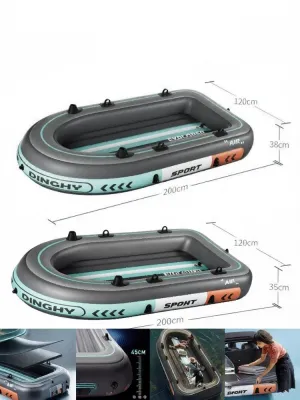
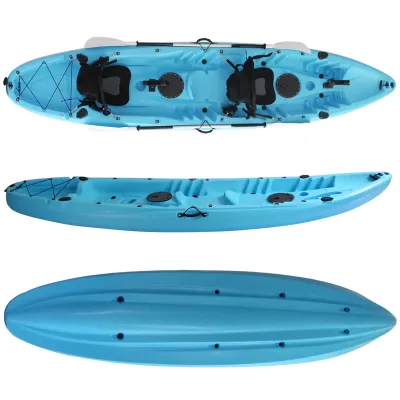
Prices are valid at publication and may change. Please refer to the product page for the latest price.
Inland reservoirs, such as Bedok Reservoir and Lower Seletar Reservoir, offer calm, protected waters that are ideal for lightweight watercraft with high primary stability. However, PUB enforces strict regulations to protect water quality and safety. Motorized vessels of any kind are prohibited on reservoirs, meaning your fishing boat must be entirely human-powered. Additionally, angling is strictly restricted to designated fishing zones, and launching personal watercraft is only permitted at designated entry points. You must verify current PUB guidelines and zone boundaries before planning a trip, as violations can result in steep fines.
Coastal fishing spots, including Changi Beach, Punggol, Pasir Ris, and the Southern Islands, present a completely different set of challenges. These marine environments are subject to strong tidal currents, wind chop, and sudden weather shifts. Your watercraft must possess excellent secondary stability to handle rolling waves without capsizing. Furthermore, Singapore’s coastal waters are some of the busiest shipping lanes in the world. Anglers must share space with massive container ships, high-speed ferries, and commercial tugboats.
When paddling in coastal areas, you must adhere to MPA regulations regarding small, unpowered craft. It is critical to stay well clear of designated shipping channels, port limits, and restricted military zones, such as those near Changi Naval Base. Unpowered fishing boats must always yield the right-of-way to larger, motorized commercial vessels that cannot maneuver quickly. To ensure visibility and safety, coastal paddlers should familiarize themselves with local maritime buoy systems and avoid paddling in low-visibility conditions without proper safety lighting.
Must-Have Features in a Fishing Kayak or Paddleboard
A generic recreational kayak or paddleboard is rarely sufficient for the specialized demands of angling. To fish effectively and safely, your watercraft must serve as a stable, organized platform capable of securing expensive gear while resisting the harsh tropical elements. When evaluating potential models, prioritize features engineered specifically for the sport.

Stability and Hull Design
Stability is the foundation of any reliable fishing boat. You must understand the difference between primary and secondary stability when choosing a hull design. Primary stability refers to how steady the craft feels when sitting flat on calm water, which is crucial for standing up to cast or stretch your legs. Secondary stability refers to the craft’s ability to resist capsizing when tilted by waves or choppy water. For reservoir fishing, high primary stability is highly desirable; for coastal waters, robust secondary stability is non-negotiable to prevent capsizing in sudden swells.
Gear Management and Customization
An angler carries a significant amount of gear, including rods, tackle boxes, pliers, fish finders, and safety equipment. A dedicated fishing craft should feature integrated rod holders (both flush-mount and adjustable rocket launchers) to keep your rods secure while paddling. Look for built-in gear tracks, which allow you to mount accessories like GPS units, action cameras, and cup holders without drilling holes into the hull. Secure tackle storage hatches and heavy-duty bungee tie-down wells are also essential for keeping your gear from sliding overboard if you encounter rough water.
Seating and Ergonomics
Long hours on the water can lead to severe physical fatigue if your craft lacks proper ergonomic support. For kayaks, look for adjustable, elevated stadium-style seats made from breathable mesh. Elevated seating keeps you dry by raising you above any deck water and provides a better vantage point for spotting fish. For paddleboards, look for thick, textured, non-slip EVA deck pads. These pads cushion your feet during long periods of standing and provide the necessary grip to maintain your balance when casting or fighting a strong fish.
Material Durability and Weather Resistance
Singapore’s tropical climate features intense UV radiation, high humidity, and corrosive saltwater. Cheap plastics will warp, fade, and become brittle within a few seasons of local exposure. High-quality hard kayaks should be constructed from rotomolded, UV-stabilized high-density polyethylene (HDPE). For inflatable paddleboards, look for military-grade, double-layer PVC utilizing drop-stitch technology, which allows the board to be inflated to high pressures (typically 15 to 20 PSI) for rigid, wood-like performance without the risk of seam delamination.
Kayak vs. Paddleboard: Matching the Craft to Your Fishing Style
Deciding between a sit-on-top fishing kayak and a fishing stand-up paddleboard depends on your physical fitness, storage limitations, transport options, and preferred fishing environments. Both formats offer unique advantages and distinct trade-offs that you must weigh carefully before making a purchase.
Sit-on-Top Fishing Kayaks
Sit-on-top fishing kayaks are the traditional choice for serious anglers who prioritize gear capacity, comfort, and long-range capability. Because you sit low in the watercraft, kayaks offer a lower center of gravity, making them exceptionally stable in choppy coastal conditions. This stability allows you to venture further offshore to spots like the Southern Islands with a higher degree of confidence. Kayaks also excel in storage, featuring large bow and stern wells that can easily accommodate heavy coolers, livewell bait tanks, and multiple tackle crates.
However, the structural advantages of a hard kayak come with significant logistical challenges. A fully rigged fishing kayak can easily weigh between 30 and 50 kilograms and measure over 3.5 meters in length. Transporting such a heavy craft requires a dedicated car roof rack or a specialized trailer, and loading it alone can be physically exhausting. Furthermore, storing a large, rigid kayak in a standard Singapore HDB flat is highly impractical due to space constraints. You must also invest time in practicing self-rescue techniques, as re-entering a capsized kayak in deep water requires specific physical coordination.
Fishing Stand-Up Paddleboards (SUP)
Fishing paddleboards offer unmatched mobility, simplicity, and a unique visual advantage for shallow-water angling. By standing at your full height, you gain an exceptional downward line of sight, which is perfect for spotting fish, reefs, and underwater structures in shallow flats or mangrove areas like Pulau Ubin. Paddleboards are highly maneuverable and silent, allowing you to slip into tight, shallow spots where a kayak might bottom out or make too much noise. Inflatable SUP models are incredibly convenient for local residents, as they deflate to fit inside a backpack that can be stored in an HDB closet and transported in the trunk of a taxi.
Despite their convenience, paddleboards require a higher level of physical fitness and offer limited gear capacity. Because you are standing, your body acts as a sail, making paddling against strong winds or currents highly fatiguing. You have minimal storage space, meaning you must limit your gear to a single rod and a small tackle bag secured to a cooler or crate. You are also completely exposed to the elements, with no back support during long sessions. Paddleboards are best suited for short, active trips in protected waters rather than full-day coastal expeditions.
How to Evaluate and Choose a Reliable Fishing Boat Brand
With numerous watercraft brands available online and in local shops, distinguishing high-quality, purpose-built fishing boats from generic recreational toys is crucial. Investing in a reputable brand ensures your safety on the water and protects your financial investment over the long term.
First, evaluate how the brand engineers its hulls. Specialized fishing brands design their watercraft from the ground up for angling, incorporating specific features like flat standing platforms, transducer scupper holes for fish finders, and reinforced accessory mounting plates. In contrast, generic brands often take standard recreational hulls and simply bolt on cheap plastic rod holders. These aftermarket additions can compromise the hull’s structural integrity and rarely offer the stability needed for safe standing or casting.
Second, verify the manufacturer’s official specifications and cross-reference them with independent user reviews. Pay close attention to the rated maximum weight capacity. This capacity must support your body weight, your safety gear, your tackle, and any fish you plan to bring home. A safe rule of thumb is to keep your total loaded weight below 70% of the manufacturer’s maximum rated capacity to maintain optimal hull performance and stability. Look for brands that undergo independent buoyancy and safety testing to verify their claims.
Third, prioritize brands that have authorized local dealers in Singapore. Buying directly from an overseas online marketplace might save money initially, but shipping a heavy, damaged kayak back for a warranty claim is practically impossible. Local dealers provide essential post-purchase support, including access to replacement parts like rudder cables, hatch seals, and fin boxes. They can also offer invaluable advice on how to maintain your watercraft in Singapore’s humid, high-salinity environment.
Finally, seek validation from the local paddling and angling community. Visit local launching points, join Singapore-focused kayak fishing forums, and observe what rental operators use. Rental fleets are subjected to daily abuse in harsh saltwater and intense sun; the brands that operators trust to survive this constant wear are highly likely to offer the durability and reliability you need for your personal craft.
Safety Protocols and Tropical Maintenance for Your Fishing Boat
No matter how high-quality your fishing boat is, equipment can never replace proper training, preparation, and situational awareness. Operating a small, unpowered craft in Singapore’s busy, tropical waters carries inherent risks that you must manage through strict safety protocols and diligent maintenance.
Mandatory and Recommended Safety Gear
Before launching, you must equip yourself with essential safety gear to handle emergencies on the water. A properly fitted, high-buoyancy Personal Flotation Device (PFD) is non-negotiable and must be worn at all times, not just stored on deck. For paddleboarders, a coiled ankle leash is mandatory to prevent your board from drifting away if you fall off in a strong current. For coastal trips, you should carry a marine VHF radio to communicate with port authorities or nearby vessels, a loud safety whistle, a signaling mirror, and a 360-degree white navigation light if you plan to fish during low-light hours.
Weather and Tide Awareness
Singapore’s tropical weather is highly unpredictable, with severe thunderstorms and sudden wind shifts occurring year-round. Before heading out, always check the Meteorological Service Singapore (MSS) weather forecast and radar. Pay close attention to Sumatra squalls—fast-moving line storms that bring sudden, violent wind gusts and heavy downpours. You must also study local tide tables; paddling against a strong outgoing tide in areas like the Johor Strait can quickly exhaust your energy. Establish a strict “go/no-go” rule: if a squall is approaching or currents exceed your paddling ability, abort the trip immediately.
Post-Trip Maintenance Routine
Saltwater, sand, and intense UV rays are highly destructive to watercraft materials. To prevent premature degradation, establish a strict post-trip maintenance routine:
- Freshwater Rinse: Thoroughly rinse your entire craft with clean fresh water after every saltwater session. Pay close attention to metal tracks, rudder cables, pedal drive systems, and inflatable valves where salt crystals can build up and cause corrosion or leaks.
- Complete Drying: Allow the watercraft to dry completely in a shaded, well-ventilated area before storing it. Never store a wet kayak or paddleboard in a sealed bag or under a tight tarp, as trapped moisture will promote mold growth and weaken seam adhesives.
- UV Protection: Periodically apply a specialized UV-protectant spray to plastic hulls and PVC materials to help prevent fading, cracking, and material brittleness caused by intense tropical sun exposure.
- Shaded Storage: Store your watercraft completely out of direct sunlight. For inflatable paddleboards, store them slightly deflated to relieve pressure on the seams during temperature fluctuations.
Frequently Asked Questions (FAQ)
Do I need a license to use a kayak or paddleboard for fishing in Singapore?
You do not need a formal boating or operator’s license from the Maritime and Port Authority of Singapore (MPA) to use a non-motorized kayak or paddleboard. However, you must strictly comply with all PUB regulations when fishing in designated reservoirs, which includes staying within marked angling zones and using designated launching points. For coastal waters, while no license is required to paddle, you must adhere to maritime port rules, stay out of restricted zones, and follow any specific permits required for fishing activities in marine parks or protected nature reserves.
Can I attach a small motor to my fishing kayak or paddleboard in local waters?
Adding any form of motor—including small electric trolling motors—to your kayak or paddleboard changes its legal classification in Singapore. Motorized watercraft are strictly prohibited in all PUB reservoirs, meaning you must rely solely on manual paddles or pedal drives. In coastal waters, if you attach a motor, your craft is classified as a power-driven vessel. This means you must register the craft with the MPA, obtain a harbor craft license, display registration numbers, and hold a valid Powered Pleasure Craft Driving License (PPCDL). For most local anglers, keeping the craft strictly manual is the most practical and legally compliant option.
Community discussion
Share your experience or ask a question. Comments are reviewed before publication.