
Playing 18 holes under the intense Singapore sun requires more than just a high-quality driver and a steady putting stroke. With the UV index frequently reaching extreme levels and humidity levels remaining consistently high, golfers face the dual challenge of protecting their skin while staying cool. A standard cap or sunscreen often falls short during a four-hour round, especially when sweat washes away topical protection. This is where a dedicated golf face mask for men becomes an essential piece of gear, offering continuous physical defense against harmful rays without compromising your swing.
Selecting the right mask involves understanding how different fabrics and designs perform under physical exertion. A mask that slips during your backswing or traps hot air will quickly disrupt your focus and ruin your game. By focusing on key performance indicators such as breathability, secure fit, and verified UV protection, you can find a mask that feels like a natural extension of your golf apparel. This guide provides a comprehensive framework to evaluate, select, and maintain a high-performance golf face mask tailored to the unique demands of the tropical golf course.
Essential Features to Evaluate in a Golf Face Mask
To perform at your best on the fairway, your protective gear must work with your body, not against it. The primary feature to evaluate is the fabric’s breathability and moisture-wicking capability. In a humid tropical climate, sweat accumulates rapidly around the face and neck. High-quality sports masks utilize synthetic blends like polyester and spandex, which pull moisture away from the skin to the outer layer of the fabric where it can evaporate quickly. Look for masks that incorporate specialized mesh panels or micro-perforations around the mouth and nose area. These design elements allow exhaled air to escape freely, preventing the suffocating feeling that often accompanies physical activity in standard face coverings.
Products mentioned in this guide
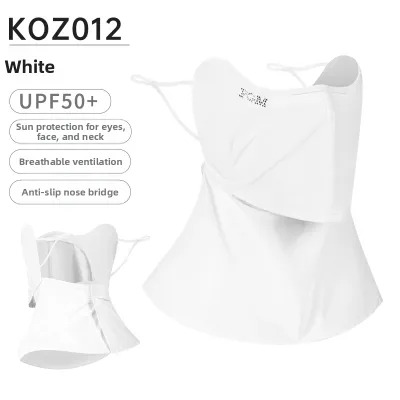
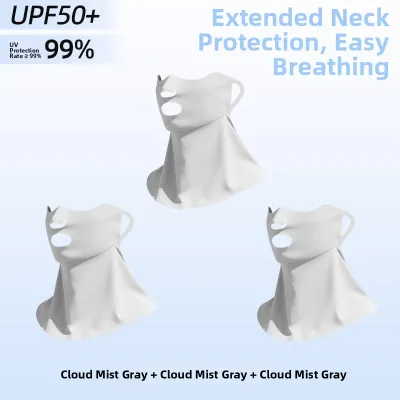
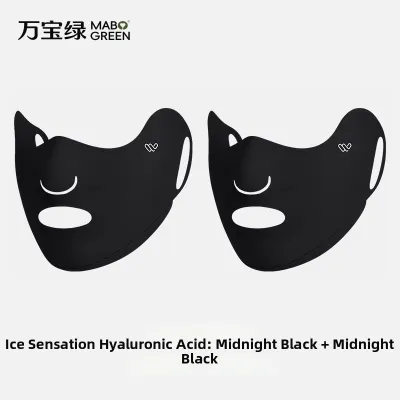
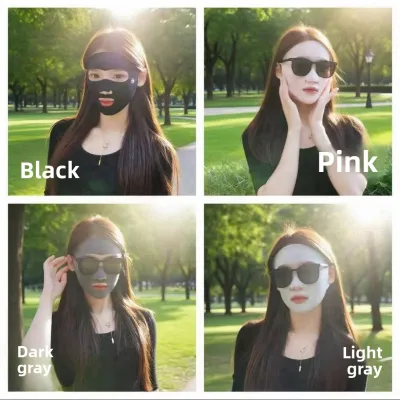
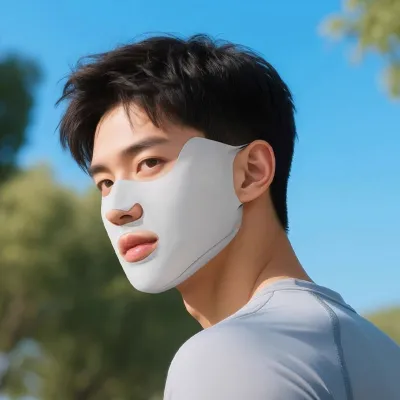
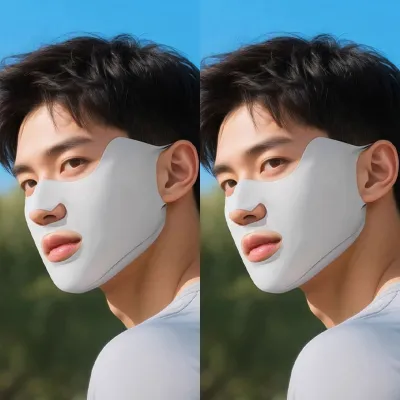
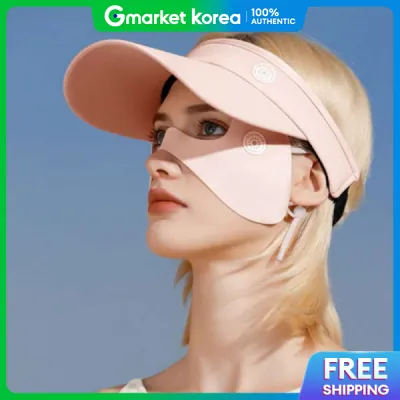
![[Airmuse] Melide Sun Patch Mask Fit 4 PCS (For Man For Woman)│UV Protect Cool Soothing Face Sun Patch Golf Patch Face Care Golf Tennis Running Mountain Climbing Outdoor Exercise Outdoor Sports Shipping From Korea](https://img.lazcdn.com/g/p/d706ec4f050bae9d9fcfc5496b73a090.jpg_400x400q80.jpg_.webp)
Prices are valid at publication and may change. Please refer to the product page for the latest price.
Sun protection is the core purpose of a golf face mask, making the Ultraviolet Protection Factor (UPF) rating a critical specification to verify. A UPF rating indicates how much UV radiation a fabric allows to reach your skin. For reliable protection during extended exposure, look for fabrics with a verified UPF 50+ rating, which blocks approximately 98% of UV rays. Beyond the rating itself, consider the physical coverage area of the mask. A golf-specific mask should extend well below the chin to cover the neck, an area highly vulnerable to sun damage when leaning over to address the ball. Some designs feature an extended drape that tucks neatly into the collar of your polo shirt, ensuring seamless coverage.
The stability of the mask during dynamic movements is another essential factor. A golf swing is a high-velocity, multi-planar movement that engages the entire body, including the shoulders, neck, and head. If a mask relies solely on loose elastic, the sudden rotation of your head during the follow-through can cause it to shift, blocking your vision or pulling uncomfortably on your ears. Evaluate the fit mechanisms carefully. Adjustable ear loops with low-profile toggles allow you to customize the tension, while anti-slip silicone strips along the upper bridge can help lock the mask in place against your cheekbones. The goal is a secure, snug fit that requires zero adjustments from the first tee to the final green.
Design Variations and Their Practical Trade-offs
Golf face masks generally fall into two primary design categories: half-face masks and full-face neck gaiters. Half-face masks typically cover from the bridge of the nose down to the chin, securing behind the ears. These designs are highly favored for their lightweight feel and ease of removal between holes. However, they leave the back of the neck and ears exposed, requiring you to supplement with a wide-brimmed hat or sunscreen. In contrast, full-face neck gaiters or balaclava-style wraps provide 360-degree coverage, protecting the neck, ears, and lower face simultaneously. The trade-off here is heat retention; a full neck wrap can feel significantly warmer in humid conditions, making fabric breathability even more critical.

The method of securing the mask also presents distinct trade-offs. Ear-loop styles are incredibly convenient, allowing you to pull the mask down around your neck or remove it entirely with ease when stepping into the clubhouse. However, prolonged wear can cause pressure points behind the ears, especially if the loops are made of thin, rigid elastic. Pull-over headwear designs, which slide over the head and rest on the neck, distribute pressure more evenly across the head or neck. While they offer superior stability during high-speed swings, they can be more cumbersome to put on and take off, and they may interfere with your golf cap or sunglasses.
For golfers who wear eyewear, the design of the nose bridge is a make-or-break feature. Standard flat-edged masks force exhaled air upward, directly onto the lenses of your sunglasses or prescription glasses, causing immediate fogging. To combat this, look for masks featuring structured nose bridges, adjustable nose wires, or dedicated nose cutouts. An adjustable metal or plastic wire allows you to contour the top of the mask precisely to the shape of your nose, creating a tight seal that redirects warm air downward and outward. Nose cutouts or open-nostril flaps provide direct ventilation for breathing while keeping the rest of the face shielded from the sun.
How to Verify Fit and Comfort Before Purchasing
Finding a mask that fits your specific facial structure requires careful verification, as a poorly fitting mask will quickly become a distraction on the course. Start by consulting the manufacturer’s size charts rather than assuming a “one-size-fits-all” product will suffice. Men’s facial structures vary widely in terms of jawline width, nose bridge height, and distance from the nose to the ears. Accurate size charts typically require you to measure the distance from the bridge of your nose to the back of your ear, or the circumference of your neck. Choosing a size based on these measurements ensures the mask provides adequate coverage without pulling too tightly or sagging.
Next, inspect the construction details of the mask, focusing on seam placements and fabric edges. During a four-hour round of golf, you will make dozens of swings and turn your head constantly. Any rough seams, thick stitching, or rigid piping along the edges can cause friction against your skin, leading to painful chafing and irritation. Look for masks constructed with flatlock seams, which lie completely flat against the skin, or seamless designs that eliminate stitched edges entirely. The fabric edges should be soft and bound with flexible, non-abrasive materials that move smoothly against your face.
Finally, verify the material composition to ensure long-term comfort and shape retention. A high-quality golf mask must maintain its elasticity over time; a mask that stretches out after a few uses will slip constantly. Check the care label for a blend that includes a high percentage of elastane or spandex (typically 10% to 15%) combined with polyester or nylon. This composition provides the necessary four-way stretch, allowing the mask to conform to your facial movements during a swing and snap back into shape afterward. Avoid pure polyester or cotton blends that lack sufficient elastic fibers, as they will quickly lose their form.
Navigating Product Listings and Avoiding Common Pitfalls
When shopping on online marketplaces or browsing local sports retailers in Singapore, it is easy to be misled by generic marketing claims. Many products are marketed broadly as “sun protection masks” but are actually designed for casual daily wear rather than active sports. To separate genuine athletic gear from basic face coverings, look closely at the fabric weight and construction details. Sports-engineered masks are typically made from ultra-lightweight, technical fabrics that feel cool to the touch. If a listing does not specify the fabric weight or fails to mention moisture-wicking technology, it is likely a heavier material that will trap heat and sweat on the course.
Be highly skeptical of unverified UV protection claims. A product description that simply states “UV protection” without providing a specific UPF rating or fabric certification should be treated with caution. Genuine protective gear will clearly state its UPF rating (such as UPF 50+) and often reference the testing standards used to verify it. Additionally, look for detailed fabric composition percentages. If a listing is vague about what materials are used, or if it uses generic terms like “breathable fabric” without further explanation, it is best to look elsewhere.
User reviews can be an invaluable resource for uncovering real-world performance issues that product descriptions gloss over. When reading reviews, look specifically for feedback from other golfers or outdoor athletes. Pay close attention to comments regarding how well the mask stays in place during movement, whether it causes sunglasses to fog up, and how it handles heavy sweating. If multiple reviews mention that the mask slips down during active use or that the ear loops stretch out quickly, these are clear indicators that the product may not hold up to the physical demands of a round of golf.
Care and Maintenance to Preserve UV Protection and Elasticity
Proper care is essential to maintain both the protective qualities and the structural integrity of your golf face mask. Always refer to the manufacturer’s washing instructions, but as a general rule, sports masks should be hand washed or machine washed on a gentle cycle in cold water. Avoid using fabric softeners at all costs. Fabric softeners leave a thin, waxy coating on the fibers that clogs the micro-pores of technical fabrics, severely reducing their moisture-wicking capabilities and breathability. Use a mild, liquid detergent to gently clean the fabric without degrading the elastic fibers.
After a hot round on the course, do not leave your damp mask crumpled inside your golf bag. Sweat contains salts, oils, and bacteria that can break down elastane fibers over time and cause persistent odors. Establish a routine of rinsing your mask in clean water immediately after your round if you cannot wash it right away. Hang the mask to air dry in a well-ventilated area away from direct sunlight. Avoid using high-heat tumble dryers, as excessive heat is the primary cause of elastic degradation, causing the mask to lose its stretch and fit.
Over time, even the highest-quality masks will begin to wear out. It is important to recognize the warning signs that indicate your mask needs to be replaced. Inspect the fabric regularly for thinning areas, especially around the nose and mouth where friction is highest. If you notice that the fabric has lost its stretch recovery—meaning it remains loose and saggy after washing—or if the ear loops no longer hold their tension, the mask will no longer provide a secure fit. Replacing your mask when these signs appear ensures you continue to receive optimal UV protection and comfort on the course.
Frequently Asked Questions (FAQ)
Can a standard medical or cloth mask be used for golf?
Standard medical and casual cloth masks are not designed for the physical demands of outdoor sports like golf. Medical masks are constructed from materials that restrict airflow to filter particles, which can make breathing difficult during physical exertion in hot, humid weather. Furthermore, they trap moisture from sweat and breath, becoming heavy and uncomfortable. Casual cloth masks often lack verified UPF ratings, leaving your skin vulnerable to UV damage, and they do not feature the secure fit mechanisms needed to stay in place during a dynamic golf swing.
How do I prevent my sunglasses from fogging up while wearing a mask?
To prevent your sunglasses from fogging, choose a golf mask with an adjustable nose wire or a structured nose bridge. Contouring the wire tightly across the bridge of your nose creates a physical barrier that prevents warm, moist exhaled air from escaping upward toward your lenses. Additionally, positioning your sunglasses slightly further down your nose can improve airflow behind the lenses. Applying a high-quality anti-fog spray or wipe to your sunglass lenses before your round can also provide an effective supplementary barrier against condensation.
Community discussion
Share your experience or ask a question. Comments are reviewed before publication.