
Selecting the right martial arts training equipment requires balancing performance, durability, and the constraints of your living space. For martial artists in Singapore, traditional hanging heavy bags often present significant installation challenges due to structural drilling restrictions in high-rise residential buildings. Metal kicking targets—ranging from spring-loaded freestanding units to heavy-duty metal-framed wall targets—have emerged as a highly practical alternative. These systems utilize robust metal components to provide realistic rebound action, structural stability, and long-term durability without requiring permanent ceiling mounts.
When shopping for a metal target, the goal is to find a system that can withstand high-velocity impacts while remaining stable and quiet enough for home use. Because high-quality training gear represents a significant investment, understanding the engineering behind these targets is essential. By evaluating key structural specifications, environmental compatibility, and maintenance requirements, you can select a reliable target that elevates your training sessions and lasts for years.
Why Choose a Metal Kicking Target Over Traditional Bags?
Traditional hanging heavy bags have long been the standard for martial arts conditioning, but they require a secure overhead support beam or a massive, space-consuming metal A-frame. In Singapore’s residential landscape, where high-rise apartments are the norm, drilling deep into structural concrete ceilings is often prohibited or structurally risky. Metal kicking targets solve this issue by utilizing freestanding bases or compact, wall-mounted metal brackets that distribute force horizontally rather than vertically. This design allows practitioners to set up a dedicated striking station in a corner of a room or balcony without compromising the structural integrity of their home.
Products mentioned in this guide
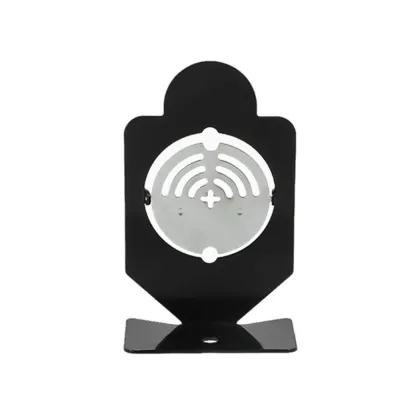


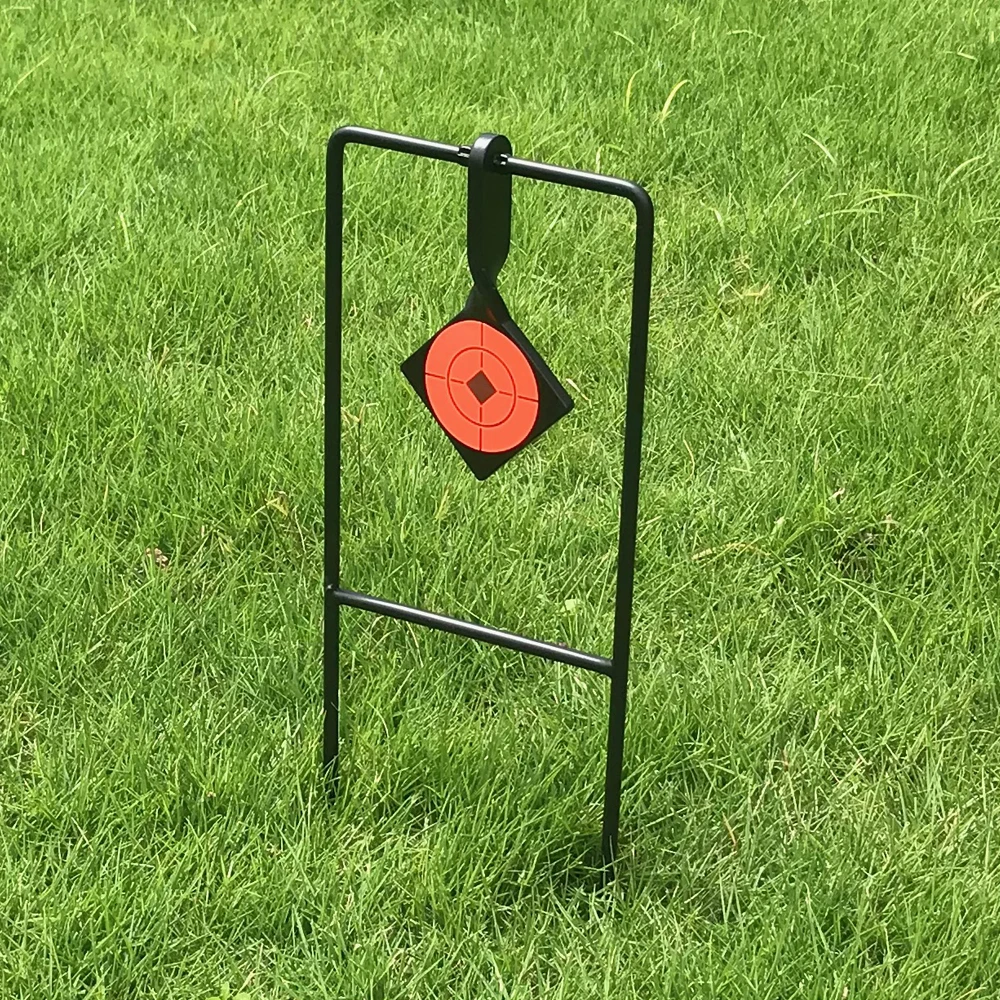
Prices are valid at publication and may change. Please refer to the product page for the latest price.
Beyond installation convenience, metal targets offer unique kinetic feedback that traditional foam shields and hanging bags cannot replicate. Many metal targets feature a spring-loaded steel shaft or a cantilevered arm that rebounds immediately upon impact. This rapid return mechanism forces the martial artist to maintain an active guard, practice head movement, and time their follow-up strikes realistically. Unlike a heavy bag that swings unpredictably on a chain, a spring-loaded metal target returns along a predictable axis, allowing for high-repetition speed training and precise footwork drills.
The durability of a metal-core target also far exceeds that of standard foam-only targets. Under heavy daily use, standard kicking shields and soft freestanding bags tend to sag, compress, or develop permanent soft spots where the internal foam has collapsed. Metal targets utilize a rigid steel or iron core surrounded by high-density padding, ensuring the striking surface retains its shape and resistance level over thousands of high-impact sessions. This makes them highly suitable for high-intensity disciplines such as Taekwondo, Muay Thai, and Karate, where powerful roundhouse and side kicks are practiced repeatedly.
However, these hard-core targets are best suited for intermediate to advanced practitioners who have already developed proper striking mechanics. The rigid feedback of a metal-frame target is highly unforgiving to improper foot alignment or poor shin conditioning. For experienced martial artists, the solid resistance provides an excellent tool for power development and precision targeting, bridging the gap between light sparring and heavy bag work.
Key Specifications to Compare When Shopping
When comparing different metal target models, the thickness and density of the striking surface padding should be your first consideration. Because the core of the target is made of rigid steel, the surrounding foam must be capable of absorbing extreme kinetic energy before it reaches your foot or shin. Look for targets that feature multi-layered, high-density EVA or polyurethane foam with a minimum thickness of 5 to 8 centimeters. Verify that the outer cover is made of heavy-duty synthetic leather, such as thick polyurethane or vinyl, with reinforced double-stitching to prevent the seams from splitting under high pressure.

The design and capacity of the base are critical for ensuring the target does not slide or tip over during heavy training. Freestanding metal targets typically feature a hollow plastic base that must be filled with ballast to provide stability. Check the manufacturer’s specifications for the maximum fill volume, which should ideally accommodate at least 80 to 100 kilograms of weight. Additionally, look for bases equipped with high-grip rubber suction cups on the underside, which help lock the unit to smooth tiled or vinyl floors common in local homes.
Adjustability is another vital feature that determines the versatility of your training setup. A high-quality metal target should feature a telescoping steel shaft with multiple pre-drilled height settings secured by heavy-duty locking pins. This allows you to adjust the target height to match different kicking techniques, such as low thigh kicks, mid-section body kicks, or high head kicks. Some advanced models also offer angle adjustability, allowing you to tilt the striking pad to simulate different target angles for uppercuts, knees, or descending strikes.
The quality of the metal components themselves will dictate the lifespan of the equipment. Pay close attention to the steel gauge used in the frame or shaft; a lower gauge number indicates thicker, more robust steel that resists bending under extreme force. Inspect the weld joints carefully, looking for clean, continuous welds rather than small spot welds, which are highly susceptible to cracking under repeated shear stress. Furthermore, because Singapore’s tropical climate features high relative humidity, ensure all metal parts are treated with a rust-resistant finish, such as a durable powder coating or galvanization, to prevent moisture from weakening the structure.
Adapting the Setup for High-Rise Apartments and Gyms
Operating a heavy metal kicking target in a high-rise apartment requires careful consideration of structural limits and neighbor relations. While modern residential floors are engineered to support substantial loads, a fully weighted target base can weigh well over 100 kilograms concentrated on a small footprint. To distribute this weight safely, place the target near load-bearing walls or structural columns rather than in the center of a wide room span. This positioning also minimizes the flexing of the floor slab, which can amplify vibrations throughout the building.
Vibration transfer is the primary source of noise complaints when training with heavy equipment at home. When a powerful kick strikes a metal-shaft target, the kinetic energy travels down the frame and directly into the concrete floor, creating a low-frequency thud that can easily penetrate the ceiling of the apartment below. To mitigate this, you must decouple the target base from the floor. Placing a high-density rubber gym mat, or a double layer of interlocking EVA foam tiles, underneath the base will absorb a significant portion of the impact energy before it converts into structural noise.
Spatial clearance is equally important for safety and performance. A metal target with a spring-loaded shaft can sway significantly when struck with maximum force, requiring a clear safety zone around the entire unit. Ensure there is at least 1.5 to 2 meters of unobstructed space in all directions around the target to prevent accidental contact with walls, glass doors, or furniture. This clearance also allows you to move freely around the target, practicing footwork, angles, and combinations without feeling restricted by your environment.
Evaluating Brand Reliability and Local Warranty Support
Navigating the market for metal kicking targets requires distinguishing between reputable manufacturers and low-quality, unbranded imports. While direct cross-border shipments from online marketplaces may offer lower upfront prices, they often lack quality control and come with high shipping fees that make returns impractical. Purchasing from brands with authorized local distributors in Singapore ensures that you receive a genuine product that meets safety standards, with the added convenience of local customer service if issues arise.
When evaluating a brand’s reliability, scrutinize the warranty terms provided by the manufacturer or distributor. A robust warranty is a strong indicator of structural confidence; look for policies that offer at least a 1-year warranty covering the structural welds, the metal frame, and the base integrity. Be sure to read the exclusions, as some warranties may cover the metal components but exclude the foam padding or outer vinyl cover, which are subject to natural wear and tear. Avoid brands that offer no warranty or only cover the product for a few weeks post-purchase.
User reviews can provide invaluable insights into how a metal target performs over months of consistent use. Search online forums, martial arts communities, and retail reviews for feedback specifically mentioning “metal fatigue,” “weld cracking,” or “base leaks.” Pay close attention to reviews from heavier practitioners or those training in high-impact disciplines like Muay Thai, as their experiences will highlight the true limits of the target’s durability. A brand with a history of prompt customer service and readily available replacement parts is always a safer investment.
Finally, check if the brand or local distributor offers individual replacement parts, such as spare springs, replacement foam pads, or extra suction cups. Because the metal frame of a high-quality target can easily outlast the foam and rubber components, the ability to purchase individual replacement parts will save you from having to buy an entirely new system when the padding eventually wears out. This long-term availability of parts is a hallmark of a reliable, customer-focused brand.
Assembly, Safety Checks, and Long-Term Maintenance
Proper assembly is the foundation of safe and effective training with a metal kicking target. When assembling the unit, follow the manufacturer’s instructions precisely, ensuring that all washers, bolts, and locking pins are installed in their correct positions. Use the provided tools or your own high-quality wrenches to tighten all connections securely. Because the vibration from repeated kicks will naturally cause bolts to loosen over time, applying a medium-strength thread-locking fluid to the bolt threads during assembly can prevent them from backing out during intense training sessions.
Choosing the right ballast for the base is crucial for preventing the target from shifting or tipping. While water is easy to fill and drain, dry play sand is highly recommended because it is significantly denser, providing a heavier and more stable base that resists sliding. If you choose to use sand, ensure it is completely dry before pouring, as damp sand will clump and block the fill hole. For those who prefer water, adding a small amount of household bleach or specialized water conditioner will prevent algae growth and unpleasant odors from developing inside the sealed base over time.
Establishing a routine maintenance schedule is essential for preserving the structural integrity of your equipment and ensuring your safety. Once a week, perform a quick visual inspection of the target, checking for loose bolts, worn padding, or hairline cracks in the weld joints. If you detect any play or wobbling in the metal shaft that cannot be resolved by tightening the bolts, suspend training immediately and contact the manufacturer, as this may indicate internal metal fatigue or a failing weld.
To protect the metal components from rust in Singapore’s humid environment, wipe down the entire target with a dry microfiber cloth after every training session to remove sweat, which contains corrosive salts. Once a month, apply a thin layer of silicone lubricant or rust-inhibiting spray to any exposed metal threads, adjustment pins, and unpainted joints. Store the target away from direct sunlight and open balconies, as prolonged UV exposure will degrade the outer synthetic leather cover and cause the internal foam to become brittle, shortening the lifespan of your training gear.
Frequently Asked Questions (FAQ)
Can beginners use metal kicking targets safely?
Beginners should avoid using rigid metal-core or high-tension spring-loaded targets until they have mastered basic striking mechanics and developed sufficient shin and foot conditioning. Striking a highly resistant target with improper technique can easily lead to joint hyperextension, bone bruises, or wrist and ankle sprains. It is highly recommended for beginners to start training with soft hand-held kicking shields, focus mitts, or traditional light hanging bags under the guidance of a qualified instructor before progressing to heavy-duty metal targets.
Is it better to fill the base with sand or water?
Dry sand is generally the superior choice for filling the base because it is denser than water, providing greater weight and stability to prevent the target from sliding or tipping during heavy kicks. However, water is much easier to fill, drain, and transport, making it a highly practical option if you anticipate moving the target frequently or live in a temporary rental. If you choose to use water in Singapore’s humid climate, ensure the fill cap is tightly sealed with Teflon tape to prevent slow leaks, and add a small amount of algaecide to keep the water clean and odor-free.
Community discussion
Share your experience or ask a question. Comments are reviewed before publication.