
Finding a single tool that can inflate high-pressure road bike tires, top up car tires before a weekend road trip, and blow up pool floats for a day at Sentosa requires understanding the technical boundaries of portable air compressors. In Singapore’s active outdoor scene, where space in HDB flats is at a premium and commuters rely heavily on the Park Connector Network (PCN), a multi-purpose electric bike pump offers an elegant, space-saving solution. However, not all electric pumps are created equal. Choosing the right one depends on matching the pump’s mechanical limits with your specific mix of inflatables.
To make an informed decision, you must look beyond basic marketing claims and evaluate how these compact devices handle different volumes and pressures. A pump designed solely for high-pressure bicycle tires may struggle or overheat when tasked with high-volume pool toys, while a high-volume mattress pump will lack the mechanical force required to inflate a road bike tire. By understanding the underlying technology, battery capacities, and valve systems, you can select a versatile tool that fits seamlessly into your active lifestyle.
Understanding Your Inflation Needs
To evaluate whether a single multi-purpose electric pump can meet all your needs, it is essential to understand the physical differences between various inflatables. Air pressure, measured in pounds per square inch (PSI) or bar, and air volume, measured in liters, dictate how hard a pump’s motor must work and how much air it must move. Different objects fall into distinct categories along this pressure-and-volume spectrum, and very few portable devices excel at every single point without some trade-offs.
Products mentioned in this guide
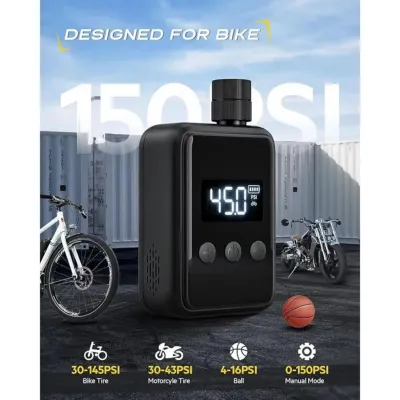
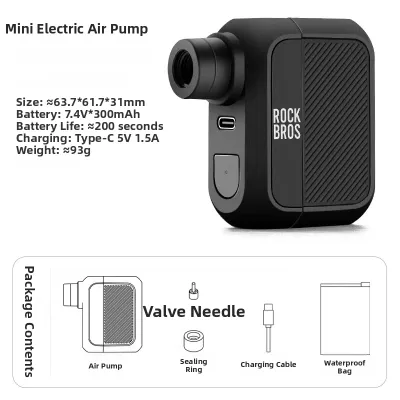
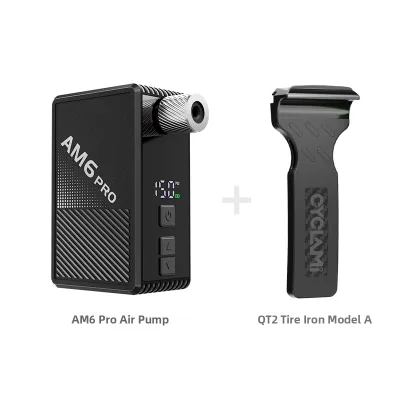
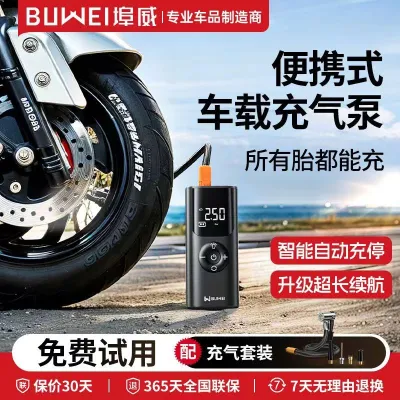
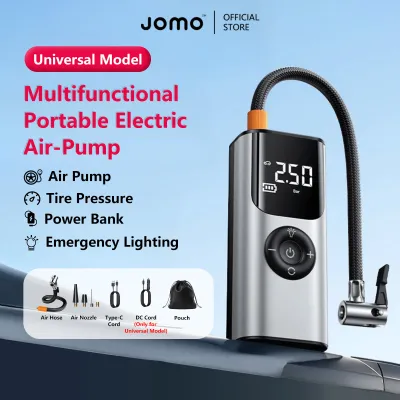
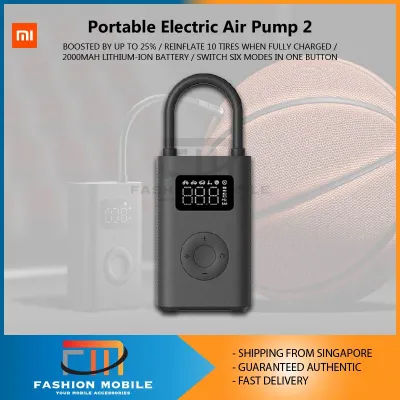
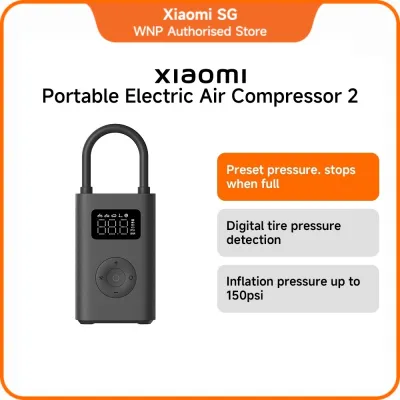
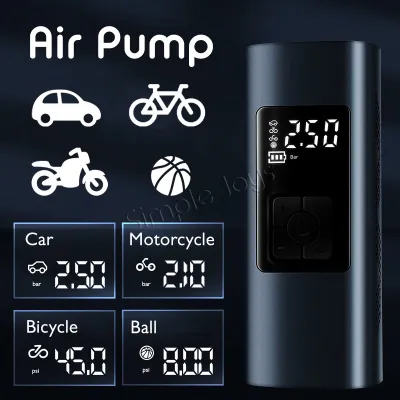
Prices are valid at publication and may change. Please refer to the product page for the latest price.
Bicycle tires represent a high-pressure, low-volume requirement. A standard road bike tire might require anywhere from 80 to 110 PSI, but the actual physical volume of air inside the narrow tube is very small. To achieve this, the pump needs a highly efficient, tightly sealed piston mechanism that can push against significant resistance. The motor does not need to move a large volume of air quickly, but it must have the mechanical strength to compress air to high levels without stalling.
Conversely, recreational inflatables like pool floats, air mattresses, and large beach toys require low-pressure, high-volume inflation. These items typically need less than 5 PSI to take shape, but they require hundreds of liters of air. A specialized high-pressure bike pump attempting to inflate a double-sized air mattress will take an exceptionally long time, potentially running its battery completely flat and overheating the motor before the task is finished. For these applications, a high airflow rate, measured in liters per minute (LPM), is far more important than maximum pressure capability.
Car and motorcycle tires present a challenging combination of moderate-to-high pressure (typically 30 to 42 PSI) and very high volume. Topping up a car tire that is slightly low requires a pump that can sustain continuous operation under moderate resistance while moving a substantial volume of air. When shopping for a multi-purpose pump, you must carefully check the manufacturer’s specifications for both the maximum PSI limit and the rated airflow speed to ensure the device can handle your primary and secondary use cases.
The primary trade-off when switching between vastly different object volumes is the relationship between inflation speed and battery drain. High-volume objects keep the pump’s motor running continuously for several minutes, which rapidly depletes the battery and generates significant internal heat. High-pressure objects, while demanding more mechanical force, often require shorter run times due to their low volume, resulting in less overall battery consumption per inflation cycle.
Key Features to Evaluate in Multi-Purpose Pumps
When building your shortlist of potential electric bike pumps, several critical specifications and physical attributes will determine how versatile and reliable the device is in daily use. The first major consideration is the balance between battery capacity and portability. Most portable electric pumps utilize rechargeable lithium-ion batteries, with capacities typically ranging from 2,000 mAh to 5,000 mAh or more, with prices in local online marketplaces generally ranging from S$40 to S$120 depending on features.

A larger battery capacity provides more inflation cycles on a single charge and allows the pump to handle larger-volume items like car tires or multiple bicycle tires without dying. However, larger batteries add significant weight and physical bulk to the device. If you plan to carry the pump in a jersey pocket or a small saddlebag during long rides along the Round Island Route, a lightweight, compact unit weighing under 400 grams is highly desirable. If the pump will primarily live in a storage cabinet in your HDB flat or in the trunk of your car, you can comfortably prioritize a heavier, high-capacity model.
Valve compatibility and the inclusion of nozzle adapters are equally critical for a truly multi-purpose tool. Bicycle tires in Singapore generally use either Presta valves (common on road and high-end gravel bikes) or Schrader valves (standard on mountain bikes, utility bikes, and cars). Some older or imported city bikes may also use Dunlop valves. A versatile pump should feature a native nozzle that fits both Presta and Schrader valves, or include high-quality brass adapters that screw securely onto the pump hose.
Beyond bicycle valves, look for a comprehensive adapter kit that includes a steel sports needle for basketballs and footballs, as well as various sizes of plastic cone nozzles for pool toys and inflatable camping gear. Ensure these adapters connect tightly to the pump’s hose; press-fit adapters can pop off under pressure, whereas screw-on adapters provide a much more reliable, airtight seal during high-pressure operation.
The user interface and control features also play a vital role in usability. A clear, backlit digital display is essential for reading pressure levels in bright tropical sunlight or during late-night roadside emergencies. Look for pumps that offer preset pressure modes for common items like bicycles, motorcycles, cars, and sports balls. These presets simplify operation by automatically configuring the target pressure.
An automatic shutoff mechanism is a non-negotiable safety feature for any multi-purpose electric pump. This system monitors the real-time pressure inside the tire or inflatable and automatically cuts power to the motor once the pre-selected PSI is reached. This prevents dangerous over-inflation, which can rupture delicate bicycle inner tubes or damage the internal structure of sports equipment.
Building Your Shortlist: Use-Case Scenarios
Because no single electric pump is absolutely perfect for every situation, selecting the right model requires analyzing your primary activities and environments. By identifying which scenario best describes your lifestyle, you can focus on the specific pump profile that delivers the right balance of size, power, and features.
Scenario A: Daily Urban Cycling and Light Sports
If your primary use case involves commuting to work via the Park Connector Network, weekend rides on a road bike, or occasionally pumping up basketballs at the local community court, you should prioritize maximum portability and ease of carrying. For this scenario, look for an ultra-compact, pocket-sized electric pump. These models typically weigh less than 350 grams and can easily slide into a backpack, frame bag, or jersey pocket.
While these compact pumps have smaller battery capacities (often around 2,000 to 2,500 mAh), they provide more than enough power for quick pressure top-ups and emergency flat repairs on the go. They should feature a standard USB-C charging port, allowing you to easily recharge the device at your office desk, using a laptop, or via a wall charger at home.
Scenario B: Family Road Trips and Car Emergencies
For households that own a car and frequently engage in family outings, road trips across the Causeway, or outdoor activities with multiple bicycles, a heavier, more robust pump profile is ideal. In this scenario, portability is secondary to power, battery capacity, and continuous runtime. Look for a pump with a battery capacity of 4,500 mAh or higher, capable of sustaining the continuous operation required to inflate larger car tires.
A crucial feature to verify for this use case is dual-power compatibility. Some advanced multi-purpose pumps can be powered via their internal rechargeable battery or plugged directly into a car’s 12V DC power outlet (cigarette lighter) using an included cable. This ensures that even if you forget to charge the pump’s internal battery, you can still rely on it during a roadside emergency.
Scenario C: Outdoor Adventures and Camping
If you enjoy bikepacking, camping in designated outdoor areas, or spending entire days at East Coast Park inflating beach gear and pool toys, durability and multi-functionality should be your primary focus. Look for pumps featuring ruggedized, shock-absorbing outer casings that can withstand accidental drops on concrete or gravel.
In this scenario, check the manufacturer’s specifications for dust and water resistance ratings, such as an IP54 certification, to ensure the pump can survive sudden tropical downpours or sandy beach environments. Additionally, look for value-added features such as a built-in high-intensity LED flashlight for nighttime setup, and a reverse-charging power bank function that allows you to use the pump’s large battery to charge your mobile phone or bike lights in an emergency.
Safety, Maintenance, and Operational Limits
Operating a multi-purpose electric bike pump safely and maintaining it properly will significantly extend its lifespan and prevent hazardous situations. Because these devices compress air mechanically, they generate a substantial amount of heat during operation. This thermal buildup is normal, but it must be managed carefully to prevent damage to the pump’s internal seals, motor, and battery.
Always recognize and respect the thermal limits of your device. Most compact electric pumps have a maximum continuous run time, often specified by the manufacturer as 5 to 10 minutes. After reaching this limit, you must turn off the pump and allow it to cool down completely—typically for 10 to 15 minutes—before starting another inflation cycle. This is especially important when inflating high-volume items like car tires or large pool floats, which push the motor to its thermal limits.
Proper battery care is critical, particularly in Singapore’s hot and highly humid tropical climate. High temperatures and moisture can accelerate the degradation of lithium-ion batteries and increase the risk of self-discharge or swelling. Store your electric pump in a cool, dry indoor environment, such as a storage cabinet or drawer inside your home. Avoid leaving the pump permanently in a hot car trunk parked in direct sunlight, or in a damp outdoor riser or balcony storage box.
To maintain battery health, avoid deep discharges where the battery is run down to absolute zero. If you do not use the pump frequently, make a habit of checking the battery level and recharging it to approximately 50% to 80% every three to six months. Storing a lithium-ion battery completely flat for extended periods can permanently reduce its capacity or render it unable to hold a charge.
Finally, always monitor the pump closely during use and identify clear stopping conditions. Cease operation immediately if the pump exhibits abnormal, high-pitched noises, emits a burning smell, vibrates excessively, or if the digital display freezes. If the pump runs continuously but fails to increase the pressure reading on the gauge, turn it off immediately to check for air leaks in the hose connection or the valve adapter. If problems persist, do not attempt to disassemble the casing yourself; instead, consult the manufacturer’s troubleshooting guide or contact a qualified professional.
Frequently Asked Questions (FAQ)
Can an electric bike pump fully inflate a flat car tire?
While many modern electric bike pumps are technically capable of reaching the 30 to 35 PSI required for a standard car tire, inflating a completely flat car tire from zero is highly demanding. Car tires contain a massive volume of air compared to bicycle tires. Attempting a full inflation from zero will run the pump’s motor continuously for a prolonged period, which will likely drain a small portable battery entirely and trigger the device’s thermal shutdown mechanism due to extreme heat. For car tires, compact electric bike pumps are best utilized for routine pressure top-ups or minor emergency adjustments rather than inflating a completely flat tire from scratch, unless the pump is specifically rated for high-volume automotive applications.
How accurate are the built-in digital pressure gauges?
Most consumer-grade electric bike pumps feature built-in digital pressure sensors that are highly convenient but may have a small variance margin. Typically, these built-in gauges are accurate to within plus or minus 1 to 2 PSI of the actual pressure. While this level of accuracy is perfectly adequate for daily commuting, casual cycling, car tire maintenance, and general sports equipment, it may not satisfy the precise requirements of competitive athletes or high-performance road cyclists. If you require highly precise pressure management—such as setting exact pressures for tubeless gravel setups or professional track racing—it is highly recommended to periodically cross-check and verify the pump’s readings using a high-quality, calibrated standalone digital or analog pressure gauge.
Community discussion
Share your experience or ask a question. Comments are reviewed before publication.