
Selecting a reliable adult tricycle in Singapore requires looking beyond aesthetic appeal and focusing on structural integrity and local service availability. Because Singapore’s tropical climate accelerates wear and corrosion, the best tricycle is not defined by a single brand name, but by verifiable build specifications and robust local after-sales support. To make a secure investment, riders must evaluate frame materials, component standards, and the concrete warranty terms offered by authorized local distributors.
An adult tricycle is a significant investment in mobility, fitness, and independence. Unlike standard two-wheeled bicycles, tricycles feature unique frame geometries and axle configurations that experience different physical forces during a ride. Ensuring that your chosen model can withstand daily use on local park connectors, neighborhood pathways, and HDB estate routes requires a systematic approach to evaluating build quality and support networks.
Assessing Build Quality and Frame Durability
The foundation of any reliable adult tricycle is its frame material, which directly impacts the vehicle’s weight, stiffness, and longevity. In Singapore’s highly humid environment, rust resistance is a primary concern for any outdoor equipment. Aluminum alloy frames, such as 6061 aluminum, are highly recommended because they naturally resist corrosion and keep the overall weight of the tricycle manageable. A lighter frame makes it much easier to pedal up gentle slopes, navigate overhead bridge ramps, and maneuver through tight spaces.
Products mentioned in this guide
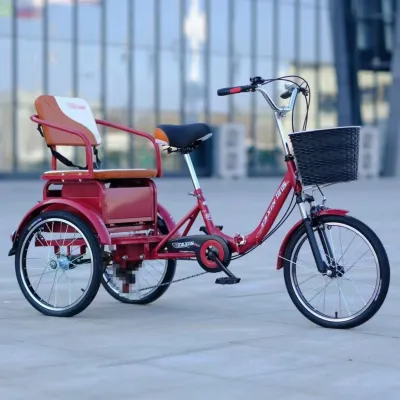
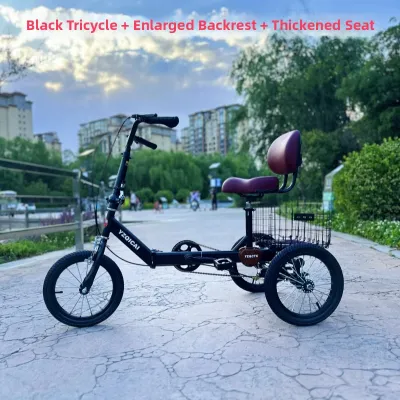
Prices are valid at publication and may change. Please refer to the product page for the latest price.
High-tensile steel is another common frame material, offering excellent durability and a more forgiving ride quality at a lower initial cost. However, steel is highly susceptible to rust if the protective paint layer is chipped or scratched. If you select a steel-framed tricycle, you must commit to regular inspections and prompt touch-ups to prevent moisture from compromising the structural integrity of the tubing. Chromoly steel provides a premium alternative, offering high strength-to-weight ratios, but it still requires diligent maintenance to ward off environmental corrosion.
Beyond the raw material, the quality of the welding and joint construction determines how well the frame handles stress over time. When inspecting a tricycle in person, examine the weld beads at major junctions, such as the head tube, bottom bracket, and rear axle assembly. High-quality welds should appear uniform, resembling a neat stack of coins, without any visible gaps, pinholes, or rough, uneven globs of metal. Reinforced gussets—extra plates welded into high-stress areas—are excellent indicators of a frame designed for heavy-duty use and long-term durability.
Component grading is another critical factor that separates high-quality tricycles from budget models. Because tricycles do not lean into corners, they rely entirely on their braking systems to slow down safely, especially when carrying heavy cargo or descending ramps. Look for models equipped with reliable disc brakes, which offer superior stopping power in wet weather compared to traditional rim brakes. Additionally, ensure the gear shifters, derailleurs, and drive chain components are sourced from established, reputable cycling brands to guarantee smooth shifting and ready availability of replacement parts.
Evaluating After-Sales Support and Local Warranties
Securing a high-quality tricycle is only half the battle; ensuring you have access to reliable after-sales support is equally vital. When evaluating different brands, it is crucial to distinguish between a manufacturer’s global warranty and a local retailer’s specific service guarantee. A manufacturer’s warranty covers factory defects in materials and workmanship, but executing a claim directly with an overseas manufacturer can result in expensive shipping costs and weeks of downtime.

A robust local warranty, backed by an authorized distributor or established local bike shop in Singapore, provides much greater peace of mind. This type of warranty ensures that any necessary replacement parts are stocked locally and that repairs can be carried out by technicians who are familiar with the specific brand. When reviewing warranty terms, look for clear documentation detailing what is covered and for how long. A standard warranty should cover the frame for several years, while components like shifters, brakes, and electrical systems (for electric-assist models) typically carry shorter coverage periods.
Wear-and-tear items, such as tires, inner tubes, brake pads, and cables, are generally excluded from warranty coverage, which is standard practice across the cycling industry. However, a supportive retailer should provide clear, transparent pricing for replacing these consumables and performing routine tune-ups. Before finalizing your purchase, ask the retailer if they offer a complimentary initial service package, which typically includes adjusting cable tension and checking bolt torque after the first few weeks of riding.
The physical location and capability of the local service center should also influence your decision. Confirm whether the brand has a dedicated workshop in Singapore or partners with authorized local repair shops. If a brand requires you to ship the entire tricycle or major components back to an overseas facility for diagnostic testing, it is best to look elsewhere. A local service footprint ensures that minor adjustments and major repairs can be handled quickly, keeping your tricycle safe and operational.
Verifying Local Availability and Purchasing Channels
Where you buy your adult tricycle is just as important as the brand you choose. Specialized local bike shops are often the safest and most reliable purchasing channel. These shops employ experienced mechanics who assemble the tricycle correctly, adjust the seating and handlebars to fit your body, and perform a comprehensive safety check before you ride. Furthermore, building a relationship with a local shop gives you direct access to expert advice and convenient maintenance services.
Large sporting goods retailers also offer adult tricycles, often providing competitive pricing and straightforward return policies. While these retailers are convenient, their staff may not possess the specialized mechanical knowledge required to service complex tricycle drive systems or custom cargo setups. If you purchase from a large retailer, verify whether they have dedicated bicycle mechanics on-site or if they outsource their assembly and repair services to third-party workshops.
In contrast, directly importing an adult tricycle from overseas online marketplaces presents significant risks. These units are typically shipped flat-packed, requiring extensive assembly that can be challenging and dangerous if performed without the proper tools and mechanical expertise. Incorrectly assembled steering columns, brakes, or drive chains can lead to mechanical failure and serious injury. Additionally, directly imported tricycles rarely come with local warranty support, leaving you responsible for sourcing hard-to-find spare parts and paying high labor rates for repairs.
To safeguard your purchase, ask the retailer several key questions before committing to a brand. Inquire whether the tricycle is delivered fully assembled and road-ready, and ask for a demonstration of how to operate the parking brake and gear system. Request a written copy of the warranty terms and ask about the typical turnaround time for servicing. A reputable retailer who is confident in their product and support network will provide clear, direct answers to these questions.
Condition-Based Evaluation Checklist for Tricycle Brands
To narrow down your choices and select the ideal adult tricycle, it is helpful to use a structured evaluation framework based on your specific riding conditions and physical needs. Frame geometry and wheel size must be matched to the rider’s height, flexibility, and intended use. For individuals with limited hip or knee mobility, a low step-through frame is essential, allowing the rider to mount and dismount the tricycle safely without lifting their leg excessively high.
Wheel size also plays a significant role in the tricycle’s handling and stability. Smaller wheels lower the tricycle’s center of gravity, making it more stable and easier to balance at slow speeds. This configuration is ideal for shorter riders, utility tasks, and navigating crowded neighborhood pathways. Larger wheels roll over obstacles more smoothly and maintain momentum better, making them suitable for taller riders and longer fitness or cardio sessions on park connectors.
Before purchasing, verify the brand’s reputation by seeking feedback from the local cycling community. Online forums, social media groups, and local cycling clubs in Singapore are excellent sources of unbiased user reviews. Look for recurring comments regarding the durability of the frame joints, the responsiveness of the brakes in wet weather, and the helpfulness of local dealers when issues arise. A brand with a strong, positive presence in the local community is far more likely to deliver a reliable product.
Finally, establish clear stop conditions that should prompt you to abandon a brand immediately. If a retailer cannot show you a physical inventory of essential spare parts, such as replacement axles, derailleur hangers, or proprietary brake components, do not proceed with the purchase. Similarly, if the warranty terms are vague, verbal-only, or if the local dealer has a history of poor communication and slow service turnarounds, it is safer to choose an alternative brand. Your safety and peace of mind depend on a reliable support system.
Frequently Asked Questions (FAQ)
Do adult tricycles require registration or a license to ride in Singapore?
Conventional, non-motorized adult tricycles are classified as bicycles under the Active Mobility Act in Singapore. They do not require any registration, licensing, or road tax to operate. However, riders must comply with all standard cycling regulations, which include riding at safe speeds, using front and rear lights when riding in the dark, and yielding to pedestrians on shared paths and footpaths. It is important to note that motorized or electric-assist tricycles are subject to much stricter regulations. These motorized variants must obtain type-approval from the Land Transport Authority, be registered, display a valid license plate, and the rider must pass a mandatory online theory test before riding on public paths or roads.
How can I maintain my tricycle to prevent rust in a humid climate?
Singapore’s tropical climate, characterized by high humidity and salt-laden air, can quickly cause rust on vulnerable metal parts if proper maintenance is neglected. To protect your tricycle’s build quality, store it in a dry, sheltered location, ideally indoors or within a well-protected corridor away from direct rain and sun exposure. Clean the frame and components regularly with a soft, damp cloth to remove sweat, dirt, and road salt, and dry the entire vehicle thoroughly with a clean microfiber towel immediately afterward. Apply a high-quality bicycle chain lubricant to the drive chain and moving pivot points according to the manufacturer’s guidelines, wiping off any excess to prevent dirt buildup. Periodically inspect the frame for paint chips or scratches, and apply a touch-up paint or a thin layer of protective wax to seal the exposed metal and prevent oxidation from taking hold.
Community discussion
Share your experience or ask a question. Comments are reviewed before publication.