
Finding a reliable folding boat in Singapore requires balancing two distinct environments: calm, sheltered inland reservoirs and dynamic, wind-swept coastal waters. For paddlers living in high-density housing where storage is at a premium, a folding boat offers an elegant solution to the space constraints of urban living. However, not every portable craft is built to withstand the intense tropical UV radiation, corrosive saltwater, and sudden tidal shifts characteristic of Singapore’s waterways. To make an informed decision, you must evaluate how different folding designs—ranging from origami-style corrugated plastic to skin-on-frame and high-pressure hybrid inflatables—align with your intended paddling venues, your physical storage limits, and your willingness to perform meticulous post-paddle maintenance.
Understanding Singapore's Water Conditions for Folding Boats
Inland reservoirs such as MacRitchie, Bedok, Pandan, and Marina Reservoir offer tranquil, flat-water conditions ideal for beginners, fitness paddling, and casual touring. These waters are highly sheltered, meaning wind chop is minimal, and tracking is straightforward. However, reservoir paddling in Singapore is strictly zoned and heavily regulated. You must launch only from designated areas and remain within marked boundaries to protect local water quality and ensure safety. Additionally, paddlers must maintain keen wildlife awareness. Certain reservoirs feature signs warning of native wildlife, such as estuarine crocodiles or nesting birds. Keeping a respectful distance from the shoreline and avoiding dense vegetation are essential safety practices in these freshwater habitats.
Coastal waters, including popular routes along East Coast Park, Changi Beach, Pasir Ris, and the Southern Islands, present a completely different set of physical demands. Here, your folding boat will encounter constant saltwater exposure, which can rapidly corrode low-grade metal fittings and degrade non-treated fabrics. Coastal paddlers must also contend with active tidal currents, sudden wind shifts, and wake from passing commercial vessels. Chop can develop rapidly, demanding a craft with sufficient structural rigidity and secondary stability to prevent capsizing. The tidal range in Singapore can exceed three meters, creating strong currents around headlands and river mouths that require physical stamina and tactical paddling to navigate safely.
Products mentioned in this guide
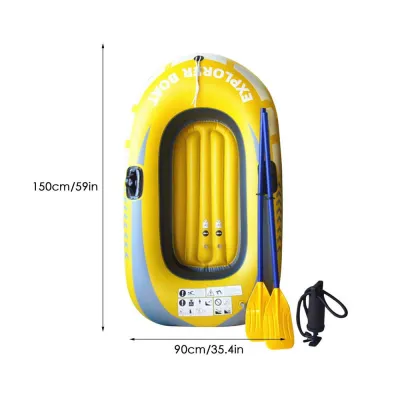
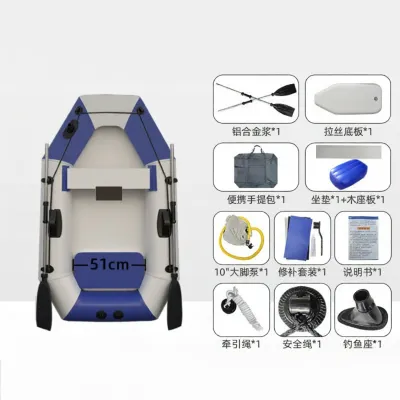
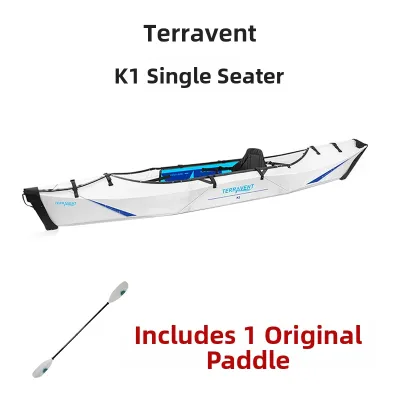
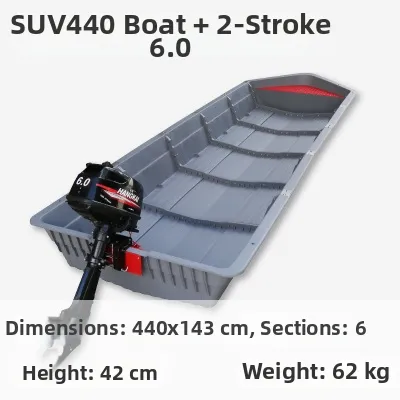
Prices are valid at publication and may change. Please refer to the product page for the latest price.
Overarching both environments is Singapore’s intense tropical climate. The region experiences high solar irradiance year-round, which subjects kayak materials to severe ultraviolet (UV) degradation. Unprotected plastics can become brittle, and adhesives used in seams can soften or break down over time. Furthermore, the persistent high relative humidity accelerates the growth of mold and mildew on damp fabrics. Consequently, any portable watercraft used here must possess high material resistance to these specific elements, alongside excellent portability to ease transit from your home to the water’s edge.
Key Criteria for Evaluating Folding Boat Reliability
When shopping for a folding boat, you must look beyond aesthetic appeal and marketing claims. A reliable craft must withstand the unique combination of tropical weathering and urban transport constraints. Evaluating a model against specific engineering and practical criteria will ensure your investment remains safe and functional for years to come.

Material Durability and Environmental Resistance
Check the manufacturer’s technical specifications for UV-treated coatings and marine-grade hardware. For skin-on-frame or folding models, look for hull materials made of heavy-duty thermoplastic polyurethane (TPU) or multi-layer reinforced polyvinyl chloride (PVC), which offer superior puncture resistance against submerged debris, barnacle-encrusted rocks, or concrete launch ramps. Metal components, such as frame ribs, fasteners, and tensioning buckles, should ideally consist of anodized aluminum or marine-grade stainless steel (316 grade) to prevent rust and galvanic corrosion in saltwater. If a manufacturer does not specify the grade of metal used, treat this as a verification item and contact them directly before purchasing.
HDB-Friendly Portability and Storage Dimensions
Since the majority of Singapore residents live in Housing & Development Board (HDB) flats or condominiums, storage space is a critical constraint. Before purchasing, measure your available storage space, elevator dimensions, and vehicle trunk capacity. A reliable folding boat must pack down into a manageable carrying case or backpack. Consider the weight of the packed kit: models weighing between 10 kg and 15 kg are generally manageable for public transport or walking short distances to launch points, whereas heavier models (20 kg and above) typically require a car, taxi, or a dedicated trolley. Additionally, check the Land Transport Authority (LTA) guidelines regarding oversized luggage if you plan to transport your kayak via the MRT or public buses, as there are strict limits on allowable dimensions.
Assembly Mechanics and Structural Integrity
The folding mechanism—whether it relies on pre-creased origami folds, snap-together modular sections, or internal shock-corded frames—must be robust enough to withstand repeated setup and breakdown cycles. Over time, friction and stress can wear down hinges, connection points, and tensioning straps. Look for manufacturers that provide clear structural warranties and sell replacement parts directly. In tropical climates, plastic hinges can become less pliable under direct sun, so verifying the manufacturer’s recommended operating temperature range is essential. A reliable folding mechanism should not require excessive force to assemble, as this often indicates misalignment or premature wear on the joints.
Tracking Performance and Wind Resistance
Coastal crosswinds and tidal currents can easily push a lightweight folding boat off course. To maintain a straight trajectory (tracking), a kayak needs a defined keel line or a built-in tracking fin (skeg). High-pressure hulls or rigid-frame hybrids generally offer better tracking and lateral stability in choppy coastal waters compared to flat-bottomed origami designs, which are more susceptible to being blown sideways by wind. If you plan to paddle in open coastal areas, prioritize models that support an optional rudder system, which greatly reduces paddling fatigue when fighting crosswinds or diagonal currents.
Recommended Folding Kayak Types and Brand Examples
To help you navigate the market, folding kayaks can be categorized into three primary design types. The brand names mentioned below are common market examples used for illustration and do not constitute an exhaustive or ranked list. You must verify current specifications, local dealer support, and warranty coverage for your specific region before making a purchase.
Origami and Hard-Shell Folding Kayaks
Origami-style kayaks, most notably represented by brands like Oru Kayak, are constructed from custom-extruded, double-layered polypropylene sheets. These boats fold down from a single flat sheet into a self-contained carrying case, eliminating the need for a separate storage bag.
- Pros: These boats are exceptionally lightweight (often ranging from 9 kg to 13 kg) and can be assembled in under ten minutes once you master the folding pattern. Their compact folded footprint fits easily into HDB bomb shelters, wardrobes, or small car trunks. They provide excellent primary stability on flat, calm reservoir waters, making them highly accessible for casual paddlers.
- Cons and Limitations: The corrugated plastic panels and integrated hinges are vulnerable to long-term UV degradation if exposed to prolonged, intense sunlight. In choppy coastal conditions, the lack of a rigid internal frame can result in hull flexing, which absorbs paddling energy and reduces tracking efficiency. If you choose this style for coastal use, limit your outings to calm mornings, stay close to the shore, and apply a manufacturer-approved UV-protectant spray regularly to prevent the plastic from becoming brittle.
Skin-on-Frame and Modular Kayaks
Skin-on-frame kayaks, represented by brands like Pakboats, utilize an internal skeleton made of anodized aluminum ribs and shock-corded poles, over which a durable synthetic skin (typically PVC or polyurethane) is stretched. Alternatively, modular hard-shell kayaks, such as those from Point 65, split into interlocking rigid plastic segments that snap together using heavy-duty buckle systems.
- Pros: Skin-on-frame models offer exceptional structural rigidity, mimicking the performance of traditional hard-shell touring kayaks. They cut through coastal chop efficiently and handle wind well due to their lower profile and defined hulls. Modular hard-shell kayaks eliminate the assembly time of frames entirely, snapping together in minutes while providing the durability of rotomolded polyethylene.
- Cons and Limitations: Skin-on-frame kayaks require a longer, more complex assembly process, often taking 20 to 30 minutes. The synthetic skin must be thoroughly rinsed, dried, and treated to prevent mold in Singapore's high humidity. Modular kayaks, while highly durable, are bulkier to store than folded or bag-packed models, as each rigid segment still requires significant closet or balcony space.
High-Pressure Inflatable Kayaks with Rigid Frames
This category includes hybrid inflatables, such as models from Advanced Elements (which utilize built-in aluminum ribs in the bow and stern) and Sea Eagle (which employ high-pressure drop-stitch construction throughout the hull). These designs bridge the gap between traditional inflatables and rigid kayaks.
- Pros: These boats combine the extreme puncture resistance of heavy-duty PVC or TPU with the structural rigidity of rigid frames or high-pressure floors. They are incredibly stable, making them highly forgiving for beginners in moderate coastal chop or open reservoirs. When deflated, they roll into a compact bag that fits easily into standard storage spaces.
- Cons and Limitations: They are generally heavier to carry than origami models and require a reliable high-pressure pump for setup. In Singapore's intense heat, air inside the chambers expands rapidly. You must monitor the internal pressure closely using a pressure gauge; over-inflation in direct sunlight can rupture seams or damage the chambers. Always deflate the chambers slightly when resting on land under the hot sun.
Safety, Compliance, and Pre-Purchase Checks in Singapore
Operating a folding boat in Singapore requires strict compliance with local maritime laws and safety protocols. Equipment cannot replace proper training, physical fitness, and sound judgment. Before launching your craft, ensure you have addressed all regulatory and safety requirements.
Regulatory Compliance
For inland reservoirs, the Public Utilities Board (PUB) regulates all water activities to safeguard the nation’s water supply. You cannot launch a personal craft in any reservoir unless it is specifically permitted, and you must operate within designated paddling zones (such as those at MacRitchie or Marina Reservoir) often managed by authorized operators. For coastal paddling, the Maritime and Port Authority of Singapore (MPA) governs vessel movements. Paddlers must stay clear of designated shipping lanes, port limits, and anchorage areas where large commercial vessels operate, as these ships cannot easily see or maneuver around small kayaks.
Safety Gear
Regardless of the water body, safety equipment is non-negotiable. You must wear a properly fitted, ISO-certified personal flotation device (PFD) at all times. Carry a loud marine whistle attached to your PFD to signal in an emergency. Keep a fully charged mobile phone in a high-quality waterproof communication pouch, and always inform someone on land of your planned route and estimated return time. Equipment cannot replace proper training; before venturing into coastal waters, consider taking a certified kayaking course to learn self-rescue techniques and basic navigation.
Pre-Purchase Verification
Always cross-reference the kayak’s maximum load capacity with your body weight plus the weight of all essential gear, including water, safety kits, and dry bags. Ensure you leave a safety margin of at least 20% to 30% below the maximum limit to maintain optimal buoyancy and stability.
Tropical Maintenance
To prolong the lifespan of your folding boat, establish a strict post-paddle maintenance routine. After every outing, especially in coastal saltwater, rinse the entire boat thoroughly with clean fresh water to remove salt crystals, sand, and organic debris. Pay close attention to folding joints, metal zippers, and frame connections. Allow the kayak to air-dry completely in a shaded, well-ventilated area before packing it into its storage bag. Never store a damp boat in a closed bag or a dark HDB storeroom, as the tropical humidity will rapidly promote destructive mold and mildew growth.
Frequently Asked Questions (FAQ)
Do I need a permit to use a folding kayak in Singapore's reservoirs?
Yes, access to Singapore’s reservoirs is strictly regulated to protect water quality and ensure user safety. You generally cannot launch a personal watercraft on your own in reservoirs without prior approval or booking through authorized operators or relevant authorities (such as PUB or ActiveSG). Always check the official PUB portal for the most current permit requirements, designated paddling hours, and approved launch zones before purchasing a folding boat specifically for reservoir use.
How do I prevent mold on my folding kayak in Singapore's humid climate?
To prevent mold, you must establish a thorough post-paddle cleaning and drying routine. After rinsing your kayak with fresh water, wipe down all surfaces with a clean towel and leave the boat fully assembled or partially unfolded in a shaded, well-ventilated area until it is completely dry. Pay special attention to fabric seams, folding crevices, and inflatable chambers where water can pool. Avoid storing your kayak in a damp bag or a dark, unventilated HDB storeroom. If your storage area is prone to high humidity, consider using moisture-absorbing dehumidifier packs or running a fan to maintain airflow.
Community discussion
Share your experience or ask a question. Comments are reviewed before publication.