
Finding the right size 6 basketball requires looking beyond brand names and focusing on how a ball’s design matches your playing environment. The ideal basketball for a polished indoor hardwood court will perform poorly and wear out quickly on a rough outdoor concrete surface. Conversely, a highly durable outdoor ball will lack the grip and soft touch required for competitive indoor play. By evaluating the construction materials, brand-specific features, and your primary playing venue, you can select a ball that enhances your performance and lasts for multiple seasons.
Is a Size 6 Basketball the Right Fit for You?
A size 6 basketball is the official standard for several levels of play, making it essential to verify your specific league requirements before making a purchase. Physically, a standard size 6 ball has a circumference of 28.5 inches (approximately 72.4 centimeters) and weighs between 510 and 567 grams. This makes it slightly smaller and lighter than the standard size 7 ball used in men’s professional leagues.
This size is specifically engineered to accommodate players with smaller hands, allowing for better ball control, more accurate passing, and proper shooting mechanics. It is the official ball size for women’s professional leagues globally, including the WNBA, as well as women’s collegiate and high school competitions. Additionally, youth leagues typically mandate a size 6 ball for boys aged 9 to 12 and girls aged 9 and older to help them transition smoothly into adult-sized equipment.
Products mentioned in this guide
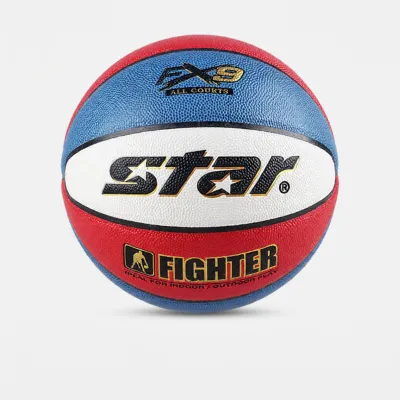
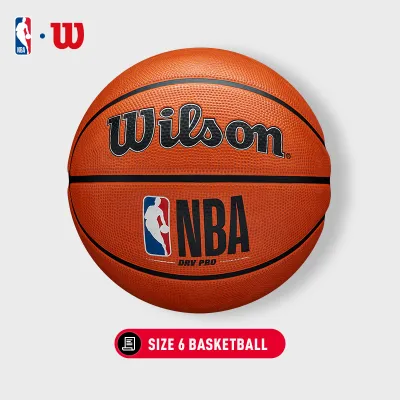
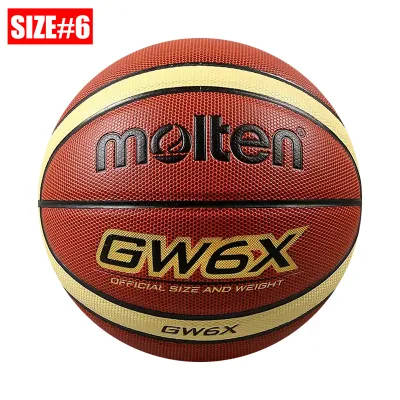
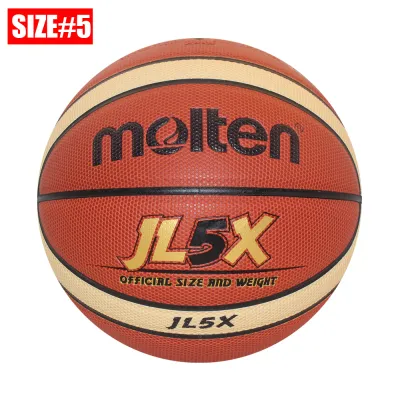
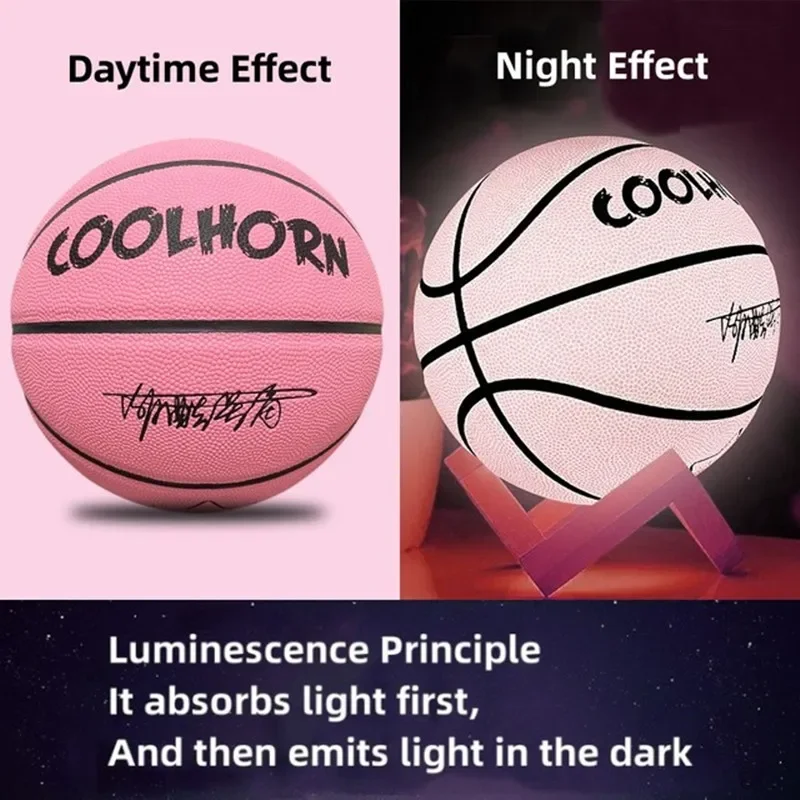
Prices are valid at publication and may change. Please refer to the product page for the latest price.
Before purchasing, always consult the rulebook of your local school, community center, or tournament organizer. In Singapore, youth development programs and local amateur divisions strictly enforce these size regulations to ensure fair play and consistent skill development. Choosing the correct size ensures that training sessions translate directly to competitive game scenarios.
Matching Ball Materials to Your Court Surface
The surface you play on dictates the type of material your basketball should be made of, as different materials react uniquely to friction, moisture, and debris. Indoor hardwood courts require materials that prioritize grip, consistent bounce, and moisture absorption. For these pristine surfaces, genuine leather and premium composite leather are the standard choices. Genuine leather offers a traditional feel but requires a break-in period of regular use before it reaches its optimal softness and grip. Premium composite leather, made from synthetic fibers, provides an immediate, high-tack grip right out of the box and manages sweat effectively during intense indoor sessions.

Outdoor courts, such as concrete or asphalt surfaces commonly found in neighborhood parks, demand high durability. The abrasive nature of these surfaces will quickly destroy delicate indoor materials. For outdoor play, vulcanized rubber and heavy-duty composite materials are highly recommended. Rubber balls are incredibly resilient, highly resistant to scuffs, and cost-effective, making them excellent for casual street play. Heavy-duty outdoor composites offer a compromise, mimicking the soft feel of leather while incorporating reinforced backings to withstand rough ground and outdoor debris.
If you split your time between indoor sports halls and outdoor community courts, look for hybrid indoor/outdoor composite balls. Manufacturers design these versatile options with balanced cover materials that offer decent grip indoors while surviving moderate outdoor use. However, keep in mind that using a hybrid ball on rough concrete will inevitably shorten its lifespan and reduce its grip performance when you transition back to indoor hardwood.
Comparing Top Brands by Material and Court Compatibility
When comparing major basketball brands, it is important to look past marketing terms and examine the specific material ratings and surface recommendations printed on the packaging. Each brand categorizes its size 6 lineup differently, targeting specific player preferences and court environments.
Wilson offers a diverse range of size 6 basketballs, widely recognized for their composite leather technologies. When browsing their selection, look for specific indoor or outdoor labels on the packaging. Their indoor models often feature moisture-wicking covers and deep channels designed to improve grip when hands get sweaty. For outdoor play, they offer specialized composite and rubber lines built to resist abrasion on rougher surfaces.
Spalding is another prominent brand with a long history of producing both indoor and outdoor balls. For outdoor street play, Spalding’s heavy-duty rubber and outdoor composite models are popular choices. These balls are engineered with deeper channels and tougher outer skins to maintain grip even when coated with outdoor dust. Always check the product tags to ensure you are not buying an indoor-only model for outdoor concrete.
Molten is highly regarded in international competitions, featuring a distinctive 12-panel design rather than the traditional 8-panel layout. This design provides additional seams, which many players find helpful for finger placement and spin control. When selecting a Molten size 6 ball, pay close attention to the model codes and surface compatibility tags. They offer premium indoor composite models approved for official tournament play, as well as durable synthetic leather options suitable for multi-surface use.
Nike and other major athletic brands focus heavily on casual play, training, and outdoor-specific models. Their size 6 rubber balls often feature high-contrast designs and deep, molded channels that are excellent for recreational outdoor courts. These balls prioritize immediate grip and high visibility, making them practical options for casual shooting sessions and outdoor practice.
Decision Framework: Which Size 6 Basketball Should You Buy?
To finalize your decision, evaluate your primary playing environment, budget, and performance priorities. If you play exclusively on indoor hardwood courts and prioritize professional-grade grip and control, invest in a premium composite or genuine leather ball. These models generally range from S$80 to S$150 or more, but they offer exceptional performance and longevity when kept strictly indoors.
If your games take place on outdoor asphalt or concrete, choose a high-durability rubber ball or a budget-friendly outdoor composite. These options, typically priced between S$25 and S$60, are designed to withstand the abrasive ground without peeling or losing their grip prematurely. This choice protects your investment and ensures you do not ruin an expensive indoor ball on rough terrain.
For players who split their time equally between indoor and outdoor courts, a dedicated indoor/outdoor composite ball is the most practical choice. Expect to pay a moderate price, and accept that the ball’s indoor performance will gradually decline as the outdoor concrete wears down the outer cover.
Regardless of your choice, always verify that the ball’s official specifications and brand certifications align with your local league’s approved equipment list before making a purchase.
Maintaining Grip and Durability in Humid Climates
Maintaining your basketball’s condition is crucial for preserving its grip and ensuring a consistent bounce, especially in tropical environments with high humidity and heat. Proper inflation is the first step in maintenance. Always check the recommended PSI range printed directly on the ball’s valve area, which typically falls between 7.5 and 8.5 PSI. Use a reliable pump equipped with a pressure gauge to avoid over-inflation, which can stretch the outer cover and cause permanent warping.
Regular cleaning is essential to remove the buildup of sweat, dust, and dirt that ruins grip. After each playing session, wipe down composite and rubber surfaces with a clean, damp cloth. Avoid using harsh chemical detergents, solvents, or soaking the ball in water, as moisture can seep into the seams and weaken the adhesives holding the panels together.
Storage conditions significantly impact the lifespan of your basketball. Store the ball in a cool, dry indoor space away from direct sunlight. Leaving a basketball in a hot car trunk, on an outdoor balcony, or in a damp storage locker can cause the air inside to expand, leading to panel peeling, warping, or bladder damage.
Regularly inspect the ball for signs of wear. If you notice deep cracks, peeling panels, or persistent air leaks around the valve, stop using the ball. In these cases, consult the manufacturer’s guidelines or consider replacing the ball to prevent unpredictable bounces and potential hand slips during play.
Frequently Asked Questions (FAQ)
What is the difference between a size 6 and a size 7 basketball?
The primary differences lie in circumference and weight. A size 7 basketball is the standard size for men’s professional and high school play, measuring 29.5 inches in circumference and weighing approximately 22 ounces. A size 6 basketball measures 28.5 inches in circumference and weighs about 20 ounces. This slightly smaller and lighter profile is designed to accommodate players with smaller hands, promoting better shooting mechanics and ball handling for women and youth players.
How do I know if a size 6 basketball is properly inflated?
To verify proper inflation, check the recommended PSI range printed near the inflation valve and use a pump with a pressure gauge. If you do not have a gauge, you can perform a basic drop test. Hold the ball at shoulder height (approximately 1.8 meters) and drop it onto a solid hardwood court surface. A properly inflated ball should bounce back up to about waist height (approximately 1.2 to 1.4 meters).
Can I use an indoor size 6 basketball on an outdoor court?
Using an indoor-specific basketball on an outdoor court is highly discouraged. Indoor balls are made from genuine leather or soft composite leather designed for smooth hardwood. When exposed to rough asphalt or concrete, these delicate materials will scuff, peel, and lose their grip rapidly. Additionally, using an indoor ball outdoors will likely void any manufacturer warranties, so it is best to use a dedicated outdoor or hybrid ball instead.
Community discussion
Share your experience or ask a question. Comments are reviewed before publication.