
Understanding Singapore’s tropical climate is the first step to ensuring a dry, comfortable camping experience. The island is characterized by sudden, intense convective downpours and prolonged monsoon surges that can quickly test the limits of any temporary shelter. To stay dry during these heavy rain events, you need a tent with a rainfly waterproof rating of at least 1,500mm (ideally 2,000mm to 3,000mm) and a tent floor rating of at least 3,000mm (ideally 5,000mm). Selecting the right specifications requires balancing water exclusion against the high humidity levels typical of the region.
The primary metric used to evaluate water resistance is the Hydrostatic Head (HH) rating, measured in millimeters (mm). This rating represents the height of a column of water that a fabric can withstand before moisture begins to penetrate the fibers. For example, a fabric rated at 2,000mm can support a two-meter column of water pressing against it before leaking. In Singapore, where convective rainstorms can dump significant volumes of water in minutes, understanding this metric is crucial for choosing a reliable shelter.
While it is tempting to select the highest rating available, tropical camping introduces the complicating factor of extreme relative humidity, which regularly exceeds 80% and can reach 100% during rain. High waterproof ratings are achieved by applying thick chemical coatings to the fabric, which inherently reduces its breathability. If a tent cannot breathe, the moisture from your breath and body heat will condense on the interior walls, creating a damp environment that mimics a roof leak. Finding the right balance between water resistance and ventilation is key to a comfortable camping experience.
Products mentioned in this guide
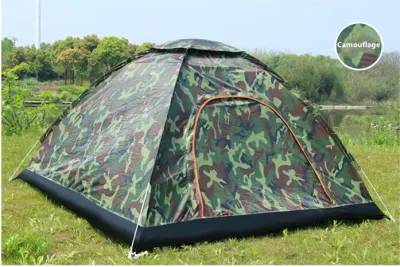
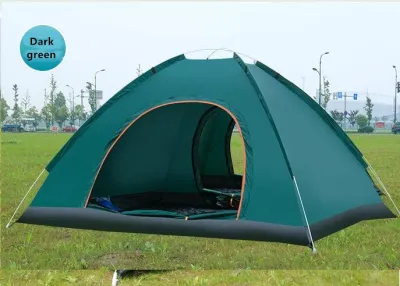
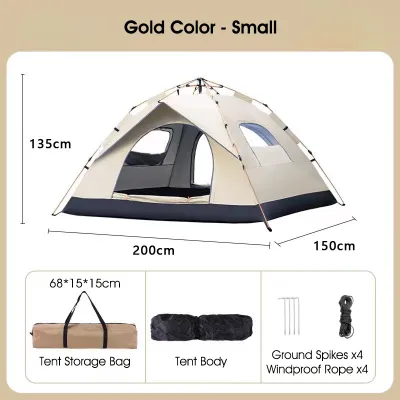
Prices are valid at publication and may change. Please refer to the product page for the latest price.
Minimum Waterproof Ratings for the Rainfly and Tent Floor
When selecting a tent for Singapore’s climate, you must evaluate the rainfly and the tent floor as two distinct systems with different protective duties. The rainfly bears the brunt of falling rain, while the floor must withstand the physical pressure of your body weight against saturated ground.
Rainfly Requirements for Heavy Downpours
For a rainfly to successfully repel heavy tropical downpours, a minimum rating of 1,500mm is recommended for basic shelter, while a rating of 2,000mm to 3,000mm provides a safer margin during monsoon seasons. Tents designed for light, temperate showers often feature ratings of 1,000mm or lower, which can quickly saturate and fail under the force of a tropical cloudburst. However, ratings exceeding 3,000mm for a rainfly are generally unnecessary for local conditions and can severely restrict airflow, leading to excessive internal condensation in warm, humid weather.
When reviewing manufacturer specifications, look closely at the fabric materials and treatments. Most lightweight tents use nylon or polyester coated with polyurethane (PU) or silicone. Polyester is highly favored for tropical rainflies because it naturally absorbs less water than nylon, preventing the fabric from sagging when wet. Additionally, ensure the tent has a durable water repellent (DWR) treatment applied to the outer surface. This chemical finish causes water to bead up and roll off the fabric immediately, reducing the duration and intensity of water pressure on the underlying waterproof coating.
Tent Floor and Groundsheet Protection
While a rainfly can get by with a moderate waterproof rating, the tent floor requires significantly higher protection, with a minimum recommendation of 3,000mm, and ideally 5,000mm or more. This discrepancy exists because of the physical pressure exerted on the floor fabric. When you sit, kneel, or place heavy camping gear on the tent floor, your body weight concentrates pressure on a small surface area. This localized force can easily push water through a fabric with a low HH rating, a process known as wetting-through, even if the ground is only moderately damp.
During sudden tropical storms, rainwater can quickly pool on the ground or create surface runoff across your campsite. A high-rated bathtub floor is essential to prevent this standing water from seeping through the bottom of your tent. To extend the lifespan of your tent’s floor and add an extra layer of moisture protection, always use a separate footprint or groundsheet. The footprint acts as a sacrificial barrier against sharp twigs, stones, and abrasive sand that can micro-puncture the floor’s waterproof coating. When pitching, make sure the footprint is tucked completely underneath the tent floor; if any part of the groundsheet extends beyond the rainfly, it will catch falling rainwater and funnel it directly underneath your sleeping area.
Adjusting Your Choice for Sheltered vs. Exposed Campsites
Your waterproofing needs will also depend heavily on where you plan to pitch your tent in Singapore. The island offers a mix of camping environments, ranging from highly exposed coastal parks to more sheltered inland areas and designated hard-sheltered campsites.

Exposed coastal sites, such as those at East Coast Park or Pasir Ris Park, are subject to strong sea breezes and wind-driven rain. In these locations, rain rarely falls straight down; instead, wind forces water horizontally against the sides of your tent. For these environments, a full-coverage rainfly is non-negotiable. The rainfly should extend almost to the ground to prevent wind from blowing rain up and under the inner tent canopy. You will also need robust guy lines and sturdy stakes to keep the rainfly taut, as sagging fabric allows water to pool and eventually seep through.
In contrast, if you are camping in more sheltered spots, such as under park pavilions, hard shelters, or dense tree canopies, the physical impact of overhead rain is greatly mitigated. However, these sheltered spots present their own unique challenges. Hard surfaces like concrete or packed dirt can cause significant splashback, directing water toward the lower seams of your tent. Furthermore, sheltered areas often suffer from stagnant air and high humidity, which amplifies the risk of internal condensation.
When camping in sheltered locations, you can prioritize maximum ventilation over extreme rainfly waterproofing. A double-wall tent with large mesh panels allows air to circulate freely, helping to carry away warm, moist air before it condenses on the walls. Even under a hard shelter, do not compromise on floor waterproofing. Ground moisture and splashback remain persistent threats, making a high-quality floor and a properly sized groundsheet essential components of your setup.
Beyond the Numbers: Structural Features That Actually Stop Leaks
While hydrostatic head ratings provide a helpful baseline, a high number on a spec sheet does not guarantee a dry night if the tent’s physical construction is lacking. Several key structural features are critical for preventing water ingress in real-world tropical conditions.
The most common point of failure in any tent is not the fabric itself, but the seams where the fabric panels are stitched together. Every needle hole is a potential pathway for water. Before purchasing a tent, verify that it features factory-taped seams. This process involves heat-sealing a waterproof polyurethane tape over the interior seams to block water from entering the stitch holes. While some high-end silicone-treated tents require manual seam sealing with a liquid sealant, factory-taped seams are the standard for most reliable camping tents.
Another essential design feature is a bathtub floor. In a bathtub design, the heavy-duty waterproof floor material wraps up the sides of the tent by several inches before meeting the lighter wall fabric. This elevates the seams well above the ground level, protecting them from pooling water, mud, and ground-level splashback. Ensure that the corners of the bathtub floor are reinforced and taped, as these areas experience the most tension and are highly susceptible to wear and leaking.
Additionally, pay close attention to how doors, windows, and ventilation ports are protected. Look for tents that feature wide storm flaps or rain gutters over the zippers. Zippers are notoriously difficult to make completely waterproof, and a protective fabric flap that channels water away from the zipper track is crucial. Stiffened awnings or kickstand vents on the rainfly are also highly beneficial, as they allow you to keep ventilation ports open for airflow even during a heavy downpour, without allowing rain to enter.
Finally, always opt for a double-wall tent construction rather than a single-wall design. A double-wall tent consists of an inner tent made largely of breathable mesh and a separate, waterproof rainfly that sits over it. This design creates a physical air gap between you and the wet rainfly. Any condensation that forms on the underside of the rainfly will run down the fabric to the ground, rather than dripping onto your sleeping gear, keeping you dry and comfortable in Singapore’s humid climate.
Maintaining Waterproofing and Preventing Mold in High Humidity
Singapore’s hot and highly humid climate creates the perfect breeding ground for mold, mildew, and chemical degradation of waterproof coatings. Proper maintenance and storage are vital to preserving your tent’s structural integrity and ensuring it remains waterproof for future trips.
The most critical rule of tent maintenance is to never store a damp tent. Mold and mildew can develop within 24 to 48 hours in warm, humid conditions, leaving permanent stains, musty odors, and physically destroying the waterproof polyurethane coatings. Even if it did not rain during your camping trip, morning dew and sweat will have left moisture on the fabric. Once you return home, immediately pitch the tent or drape it loosely over a drying rack in a well-ventilated, shaded indoor space or a dry balcony out of direct sunlight. Allow all components, including the rainfly, inner tent, footprint, and storage bags, to dry completely before packing them away.
Over time, exposure to heat and humidity can cause polyurethane (PU) coatings to undergo a chemical breakdown process known as hydrolysis. When this occurs, the coating becomes sticky to the touch, begins to flake off, and emits a distinct, sour vinegary smell. To prevent this, store your tent in a cool, dry closet rather than a hot balcony, storeroom, or car trunk. Avoid storing the tent tightly compressed in its original stuff sack; instead, place it loosely in a large, breathable mesh or cotton bag to allow air circulation.
If you notice water is no longer beading on the outer surface of your rainfly, the durable water repellent (DWR) coating may have worn off. You can restore this by cleaning the tent fabric with a specialized gear cleaner and applying an aftermarket DWR spray. Always consult the manufacturer’s care instructions before applying any chemical treatments, as using the wrong product can permanently damage the fabric’s specialized coatings.
Frequently Asked Questions (FAQ)
Is a 1000mm waterproof rating enough for Singapore?
A 1,000mm waterproof rating is generally insufficient for camping in Singapore. While it may withstand a very light, brief drizzle, it is highly likely to leak during the intense, prolonged downpours common during monsoon seasons. For reliable protection, look for a minimum of 1,500mm for the rainfly and 3,000mm for the floor.
How do I test my tent's waterproofing before a trip?
To safely test your tent, pitch it in a spacious outdoor area and use a standard garden hose on a gentle spray or shower setting to simulate rain. Direct the water over the roof and seams for several minutes, then check the interior for dampness or pooling. Never use a high-pressure jet washer, as the intense pressure can strip the DWR coating and peel off the interior seam tape.
Community discussion
Share your experience or ask a question. Comments are reviewed before publication.