
To survive Singapore’s intense tropical downpours and high humidity, the best 4-person camping tents must combine a robust hydrostatic head (HH) rating of at least 1,500mm to 2,000mm for the rainfly with an efficient double-wall ventilation system. While a highly waterproof fabric keeps the rain out, Singapore’s overnight humidity—which frequently exceeds 80%—will quickly turn a sealed, non-breathable tent into a humid sauna. The key to staying dry is balancing water exclusion with continuous airflow.
When camping at popular local spots like East Coast Park, Pasir Ris Park, or Pulau Ubin, you are exposed to sudden afternoon squalls and warm coastal winds. A tent that relies solely on thick, heavy waterproofing without adequate mesh panels will trap your body heat and exhaled moisture, leading to severe internal condensation. Therefore, selecting the right tent requires looking beyond the waterproof numbers on the packaging and evaluating the overall structural design, ventilation features, and material specifications.
Why Waterproof Ratings Alone Aren't Enough for Singapore's Climate
Hydrostatic head (HH) is the standard industry measurement used to quantify a fabric’s water resistance. Measured in millimeters, it indicates the height of a water column that the fabric can support before water begins to seep through. For example, a rainfly rated at 2,000mm can withstand a 2,000mm column of water pressing against it. While this rating is a reliable indicator of how well the material resists heavy rain, it does not tell the whole story when it comes to comfort in a tropical environment.
Products mentioned in this guide
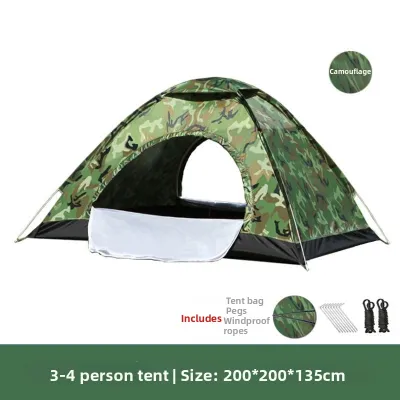
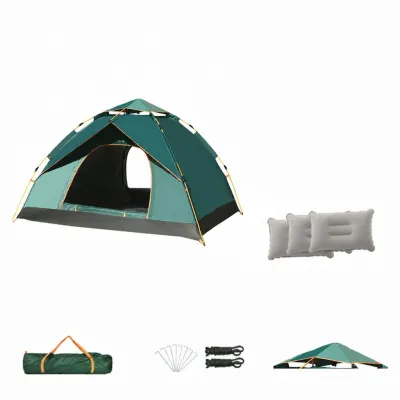
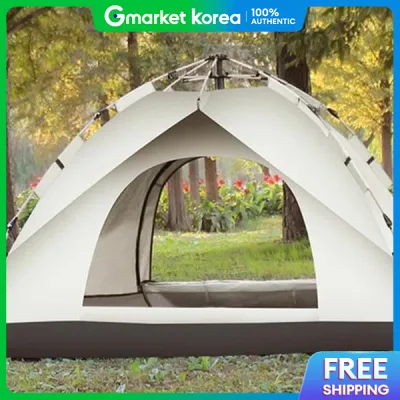
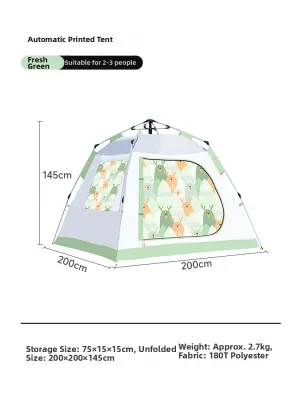
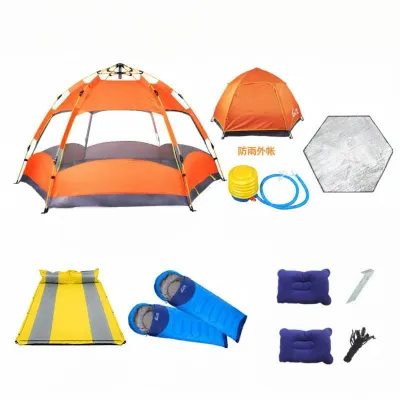
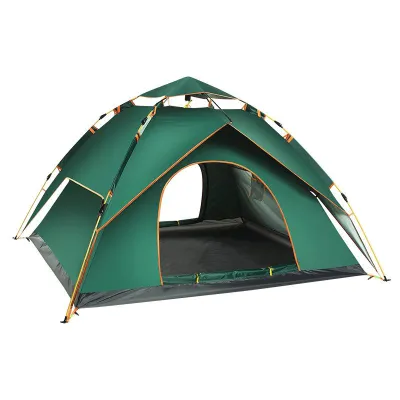
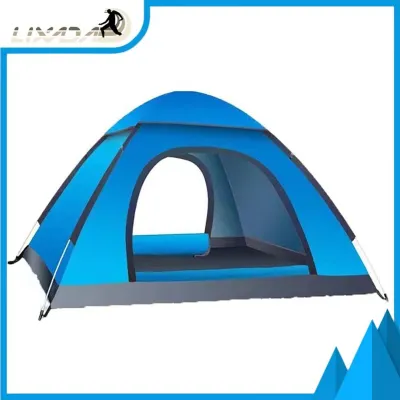
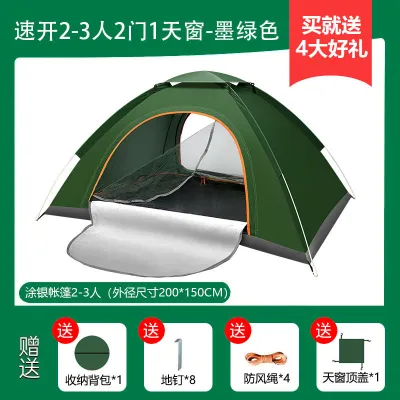
Prices are valid at publication and may change. Please refer to the product page for the latest price.
Singapore’s weather profile presents a dual challenge of torrential downpours and persistent, heavy humidity. During the monsoon seasons, sudden and intense rainstorms can dump large volumes of water in a very short period. At the same time, the ambient temperature remains warm, and the air remains saturated with moisture. If you choose a tent designed for cold, alpine conditions with an extremely high waterproof rating but limited mesh, the interior will quickly become damp from the inside out.
This phenomenon is known as internal condensation. Every person inside a tent exhales moisture and releases body heat throughout the night. In a sealed environment, this water vapor rises, hits the cool, waterproof rainfly, and condenses back into liquid water. Without proper airflow, this condensation will drip down onto your sleeping bags and gear, creating the illusion that your tent is leaking when it is actually trapping your own moisture.
To prevent this, your decision framework must prioritize tents that offer a balanced combination of water resistance and breathability. You need a protective outer shell that deflects heavy rain, paired with an inner structure that allows warm, moist air to escape freely. This balance ensures that you remain dry from both the external weather and your own internal climate.
Key Structural Features for Rain Protection and Airflow
The physical design of a tent is just as critical as the chemical coatings applied to its fabric. A flat or poorly tensioned roof will collect water, regardless of how high its waterproof rating is. To withstand Singapore’s sudden squalls, you must look for structural elements that actively manage water runoff and air circulation.

Tent geometry plays a vital role in shedding heavy rain quickly. Domes and cabin-style tents with steeply angled walls encourage rainwater to run off immediately rather than pooling on top. When water pools on a tent fabric, it places continuous pressure on the material and seams, eventually finding any microscopic weak points and causing leaks.
Double-Wall Construction for Condensation Control
A double-wall tent consists of two distinct layers: a highly breathable inner canopy, which is typically constructed of fine mesh, and a separate, waterproof outer rainfly. This design is highly recommended for tropical climates because it separates the waterproofing duty from the ventilation duty.
In contrast, single-wall tents combine these two layers into one. While single-wall models are lighter and faster to pitch, they are notorious for trapping condensation in humid environments. They lack the necessary airflow pathways to exhaust warm air before it condenses on the interior walls.
In a double-wall setup, the air gap between the inner mesh tent and the outer rainfly acts as a chimney. Warm, moist air rises through the mesh inner canopy and is carried away by the breeze passing underneath the rainfly. This continuous movement of air significantly reduces the accumulation of condensation on the inside of your sleeping area.
Bathtub Floors and Storm Flaps for Heavy Downpours
When heavy rain hits the ground, it splashes mud and water upward against the lower sections of your tent. To prevent this moisture from seeping through the lower seams, look for a tent equipped with a “bathtub floor” design. This construction uses a continuous piece of heavy-duty, highly waterproof material that wraps several inches up the sides of the tent before meeting the wall fabric.
Because the seams of a bathtub floor are elevated off the ground, they are not subjected to standing water or saturated soil. This design is essential for camping on grass or sandy sites in Singapore, where the ground can quickly become saturated during a sudden downpour.
Additionally, pay close attention to the zippers on doors and windows. Wind-driven rain can easily force water through the tiny gaps in zipper teeth. High-quality tents feature wide storm flaps—strips of waterproof fabric that fold over the zippers—or specialized water-resistant zippers to block wind-driven rain from entering the living space.
Target Specifications to Look for in a 4-Person Tent
When shopping for a 4-person tent, you should treat the manufacturer’s specification sheet as a checklist. Comparing these technical details will help you identify which models are truly built to handle wet, humid conditions without relying on vague marketing claims.
Fabric and Hydrostatic Head (HH) Thresholds
For the rainfly, a hydrostatic head rating between 1,500mm and 3,000mm is the sweet spot for Singapore’s weather. This range provides robust protection against heavy tropical downpours without requiring excessively thick polyurethane (PU) coatings that restrict fabric breathability and add unnecessary weight to your pack.
The tent floor requires a significantly higher waterproof rating than the rainfly, ideally between 3,000mm and 5,000mm. When you sit, kneel, or sleep on the tent floor, your body weight concentrates pressure on a small area. This physical pressure can force ground moisture through fabrics with lower HH ratings, so a thicker, more durable floor material is necessary.
Always verify that the tent’s seams are factory-taped. Seam tape is a waterproof strip applied under heat to the stitched seams of the rainfly and floor. Even the highest-rated fabric will leak along the stitching lines if the needle holes are not sealed, making factory-taped seams a non-negotiable feature for wet-weather camping.
Pole Materials and Wind Resistance
Singapore’s coastal campsites can experience sudden, strong wind gusts during thunderstorms. The structural integrity of your tent depends heavily on the material and quality of its poles. The two most common materials are aluminum and fiberglass.
- Aluminum poles: These are highly recommended for their strength, lightweight profile, and flexibility. Under high wind pressure, aluminum poles will bend rather than break, and they can often be straightened back into shape. They also resist the degrading effects of constant humidity and salty coastal air.
- Fiberglass poles: While more budget-friendly, fiberglass poles are heavier and significantly more fragile. Under sudden wind stress, they are prone to splintering or snapping completely, which can tear your tent fabric and leave you without shelter in the middle of a storm.
Sizing and Interior Comfort for Four People
It is important to understand that a tent’s “4-person” capacity rating is a measure of tight physical space, not comfort. This rating typically means the tent floor can accommodate four standard sleeping pads placed side-by-side with virtually no space left over for personal gear, bags, or movement.
For comfortable camping, especially during a heavy rainstorm when you may be confined indoors for several hours, check the exact floor dimensions. A floor area of at least 240 cm by 240 cm is ideal for a group of three or four, allowing some space for gear storage. Additionally, look for a peak height of at least 130 cm to 150 cm so that occupants can sit up comfortably without touching the damp inner canopy.
Setup and Maintenance for Wet Tropical Conditions
Even the most advanced waterproof tent will fail if it is pitched incorrectly or neglected after a trip. Proper setup and regular maintenance are essential to preserving the water-resistant coatings and structural integrity of your gear over time.
When pitching your tent, site selection is your first line of defense. Avoid natural depressions, low-lying areas, or dry drainage pathways where rainwater will naturally pool during a storm. Look for a slightly elevated spot with sandy or well-draining soil to ensure that water flows away from your sleeping area.
Always pitch your rainfly as tautly as possible, utilizing all provided guy lines and stakes. A sagging rainfly can come into direct contact with the inner mesh tent, allowing water to transfer directly through to the interior. Taut fabric also sheds water more efficiently and prevents the wind from flapping the rainfly violently, which can wear down the waterproof coatings.
If you use a separate groundsheet or footprint to protect your tent floor, ensure it is tucked entirely underneath the tent. If any part of the groundsheet extends beyond the edges of the tent floor, it will act as a funnel, catching rainwater from the sky and channeling it directly underneath your tent, where it will pool and eventually seep through.
After your camping trip, proper post-trip care is critical to preventing mold and mildew. Never store a tent while it is damp or wet. Singapore’s warm, humid climate will cause mold to grow on damp synthetic fabrics within 24 to 48 hours, permanently damaging the polyurethane waterproof coatings and causing a sour smell.
Once you return home, pitch the tent in a shaded, well-ventilated area—such as a balcony or indoors with a fan running—until it is completely dry. Avoid leaving the tent in direct, intense sunlight for extended periods, as prolonged ultraviolet (UV) exposure degrades synthetic fibers and weakens the waterproof seals.
Frequently Asked Questions (FAQ)
Is a higher hydrostatic head rating always better for tropical camping?
No, an extremely high hydrostatic head rating is not always better for warm, tropical environments. Tents designed with ultra-high HH ratings (such as 5,000mm to 10,000mm) often require thick, heavy polyurethane coatings or dense fabrics that restrict airflow. In Singapore’s warm and humid climate, these fabrics trap heat and body moisture, leading to severe condensation inside the tent. A balanced rating of 1,500mm to 3,000mm for the rainfly, combined with large mesh ventilation panels, provides excellent rain protection while keeping the interior comfortable.
How do I prevent mold on my tent after camping in humid weather?
To prevent mold and mildew, you must dry your tent completely before packing it away for long-term storage. If you have to pack up your campsite in the rain, unpack the tent as soon as you get home and hang or pitch it in a well-ventilated, shaded area. Do not use harsh chemical detergents, bleach, or washing machines to clean the tent, as these will strip away the delicate waterproof coatings. Instead, gently wipe down any dirt with a damp cloth and plain water, and allow the tent to air dry fully.
Community discussion
Share your experience or ask a question. Comments are reviewed before publication.