
Finding kinesiology tape that stays secure in Singapore’s tropical climate can be a frustrating challenge. With relative humidity levels frequently soaring above 80% and temperatures consistently hovering around 30°C, standard athletic adhesives often dissolve, peel, or slide off mid-workout. Whether you are running along East Coast Park, cycling the Round Island Route, or training in a non-air-conditioned gym, the combination of heavy sweat and environmental moisture quickly compromises the bond between the tape and your skin.
To find a tape that actually stays on, you must look beyond brand names and focus on the underlying material science, adhesive patterns, and application techniques. No single product offers a universal guarantee of adhesion; instead, success depends on matching the tape’s technical specifications to your activity level and executing a meticulous skin preparation routine. By understanding how different fabrics and adhesives interact with moisture, you can select a tape that provides reliable support without causing skin irritation.
Understanding Adhesive Types for High Humidity
When evaluating kinesiology tapes for humid environments, the chemical composition of the adhesive is your first line of defense. Most modern tapes utilize medical-grade acrylic adhesives, which are heat-activated and designed to form a stronger bond as your body temperature rises during exercise. Acrylic is generally hypoallergenic, latex-free, and highly resistant to water, making it the industry standard for sports applications.
Products mentioned in this guide
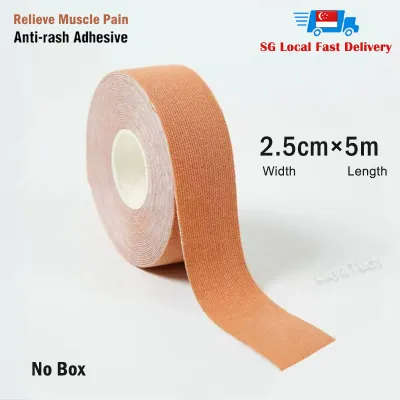
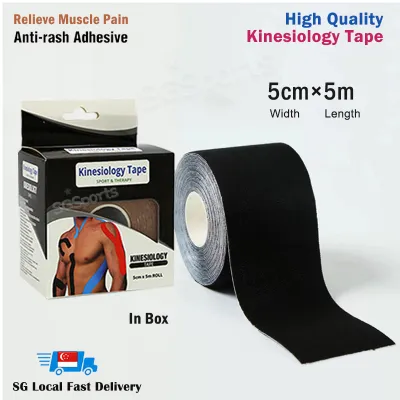
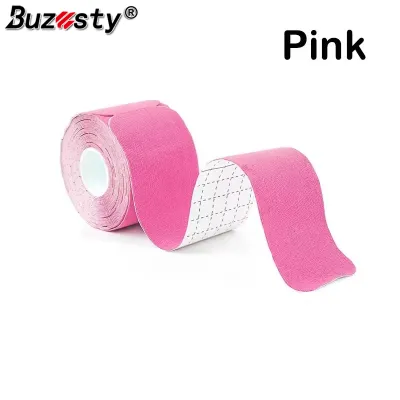
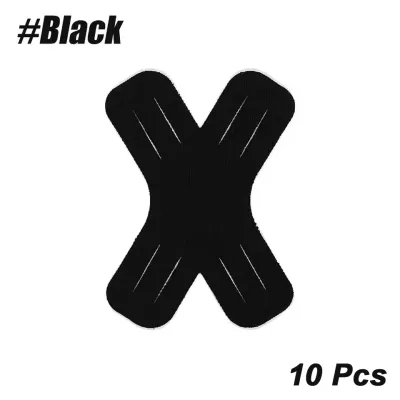
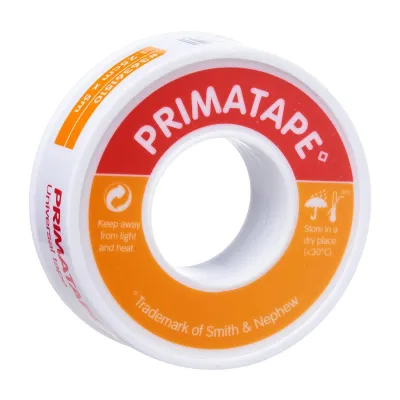
Prices are valid at publication and may change. Please refer to the product page for the latest price.
In contrast, some traditional athletic tapes rely on natural rubber or latex-based adhesives. While these offer a strong initial grip, they degrade rapidly when exposed to constant moisture and heat. They also carry a higher risk of causing allergic contact dermatitis, which is exacerbated when sweat and heat are trapped against the skin in Singapore’s warm climate.
When shopping, always read the product packaging carefully to verify the adhesive type. Look for explicit labels indicating “100% medical-grade acrylic,” “hypoallergenic,” and “latex-free.” If you have highly sensitive skin, check for biocompatibility certifications such as ISO 10993.
Be aware of the trade-offs associated with “extra-strength” or “extreme” adhesive formulas. While these products use a higher concentration of acrylic to survive intense sweating, they also trap moisture and heat more aggressively. For daily wear or low-intensity activities, a standard acrylic adhesive is usually sufficient and gentler on the skin. Reserve high-adhesion variants for short, high-sweat training sessions to minimize the risk of skin irritation.
Key Features to Look for in Sweat-Resistant Tape
Beyond the adhesive itself, the physical structure and fabric composition of the tape play a massive role in how well it resists peeling. Kinesiology tapes are primarily made from either cotton or synthetic fibers, and this choice directly impacts moisture management.

Cotton-based tapes are soft and flexible, but cotton is highly absorbent and dries slowly. In Singapore’s humid air, a sweat-soaked cotton tape remains damp for hours, weakening the adhesive bond and causing the tape to sag, peel, or irritate your skin.
Synthetic tapes, woven from nylon, polyester, or rayon, offer highly effective performance in wet conditions. These hydrophobic fibers repel water, wick sweat away from the skin, and dry incredibly fast. This rapid-drying capability ensures the tape remains lightweight and secure during long-distance endurance events or heavy training sessions.
Another critical feature to check is the adhesive application pattern. High-quality kinesiology tapes do not have a solid coat of glue on the back. Instead, the adhesive is applied in a wave-like or fingerprint-pattern design. This wave pattern leaves channels of bare fabric that allow your skin to breathe and let sweat evaporate. If a tape has a solid, continuous layer of adhesive, sweat will pool underneath it, lifting the tape off your skin within minutes of your workout.
Finally, understand the distinction between “water-resistant” and “waterproof” claims on packaging. Water-resistant tapes are designed to handle heavy sweat, humidity, and light splashes, making them ideal for most land-based sports. Waterproof tapes are engineered to survive complete submersion, such as swimming laps or participating in water sports. For general fitness in Singapore, a high-quality water-resistant synthetic tape is usually the most practical and cost-effective choice.
Essential Skin Preparation for Maximum Adhesion
Even the most advanced, high-adhesion synthetic tape will fail if it is applied to poorly prepared skin. In Singapore’s climate, our skin is constantly coated in a layer of natural oils, sweat, and environmental pollutants. Proper skin preparation is the single most important factor in ensuring your tape stays secure.
Begin by thoroughly cleaning the application area. Standard soap and water often leave behind moisturizing residues that prevent bonding. Instead, clean the skin using isopropyl alcohol or specialized pre-taping wipes to strip away surface oils, dirt, and dried sweat, leaving a clean surface for the adhesive.
Next, address body hair in the target area. Hair acts as a barrier, preventing direct contact. If the area has dense hair, trim or shave it at least 12 to 24 hours before applying the tape. Applying strong adhesive directly over freshly shaved skin can cause severe follicle irritation and painful ingrown hairs.
Ensure your skin is completely dry before applying the tape. Even a microscopic layer of moisture trapped beneath the tape will compromise the chemical bond of the acrylic adhesive. After cleaning the area with alcohol, wait a few minutes to allow for complete evaporation.
Lastly, avoid applying any skin products to the area before taping. Sunscreen, moisturizers, body lotions, and insect repellents contain oils and emollients that will instantly ruin the tape’s adhesive. If you require sun protection or insect repellent for an outdoor workout, apply the kinesiology tape first, rub it to activate the adhesive, and then carefully apply your lotion or spray around the edges of the tape, ensuring none of the product seeps underneath.
Application and Maintenance Tips for Humid Conditions
Proper application technique and post-workout care are essential to maximize the lifespan of your kinesiology tape in tropical conditions. Even minor errors during application can cause the tape to peel prematurely.
Always round the corners of your tape strips. If you are cutting strips from a roll, use sharp medical shears to round off the 90-degree corners. Sharp corners easily catch on clothing, sports gear, or bedsheets, creating a starting point for the tape to peel back. Rounded edges glide smoothly against fabric, significantly extending the wear time.
When applying the tape, remember that the ends of each strip must always be applied with zero stretch. Stretching the anchors puts constant tension on the skin, which not only causes the tape to peel quickly but can also lead to painful skin blistering. Only apply tension to the middle section of the tape as required for your specific support needs.
Once the tape is on your skin, you must activate the heat-sensitive acrylic adhesive. Vigorously rub the surface of the tape with your hands for 15 to 30 seconds. The friction generates the heat necessary to cure the adhesive. Crucially, allow the tape to cure for at least 30 to 60 minutes before you begin exercising, sweating, or showering. Applying tape and immediately stepping out into Singapore’s humid outdoor heat will cause the adhesive to fail before it has a chance to bond.
After your workout or a shower, take care when drying the tape. Never rub the tape with a towel, as the friction will lift the edges. Instead, gently pat the tape dry with a clean towel. Avoid using a hairdryer on a hot setting to dry the tape; excessive heat can melt the acrylic adhesive, making it extremely difficult and painful to remove later, and increasing the risk of skin damage.
Monitor the condition of the tape daily. Remove it immediately if the edges roll significantly, if support fails, or if you experience skin discomfort. To remove the tape safely, saturate it with baby oil, wait 10 minutes to dissolve the adhesive, and gently peel it off in the direction of hair growth while holding the skin taut.
When to Stop Use and Seek Professional Advice
While kinesiology tape is a highly useful accessory for active individuals, it must be used safely and within its structural limits. It is not a replacement for professional medical care or proper physical training.
Stop using the tape immediately if you experience any adverse skin reactions. These include blistering, severe itching, burning sensations, redness, or rashes. Never apply kinesiology tape over open wounds, active skin infections, sunburns, or areas of deep vein thrombosis. In Singapore’s warm, humid climate, bacteria thrive in moist environments; trapping moisture over broken skin can quickly lead to serious infections.
If you are unsure how to apply the tape for a specific injury or discomfort, consult a registered physiotherapist or sports medicine professional. They can assess your biomechanics and teach you the correct taping patterns, directions, and tension levels tailored to your body. Incorrect application can alter your movement patterns in ways that exacerbate your injury.
Remember that kinesiology tape is designed to provide sensory feedback and mild, flexible support. It does not provide the rigid immobilization of a structural brace and cannot replace active rehabilitation, strength training, or medical treatment for acute injuries like ligament tears or joint instability. Equipment and accessories should always support, rather than replace, professional clinical guidance and sound athletic judgment.
Frequently Asked Questions (FAQ)
Can I shower or swim with sweat-resistant kinesiology tape?
Yes, high-quality water-resistant synthetic kinesiology tapes are designed to withstand standard showers and swimming sessions. However, you should avoid prolonged hot baths, saunas, or steam rooms, as the combination of high heat and moisture will rapidly break down the acrylic adhesive. After getting the tape wet, always pat it dry gently with a towel rather than rubbing it.
How long should kinesiology tape last in high humidity?
While kinesiology tape can last up to five days in dry, cool climates, Singapore’s high humidity and heavy sweat conditions typically reduce its lifespan. You can realistically expect a high-quality synthetic tape to last between one and three days. If you engage in daily, high-intensity outdoor workouts, you may need to replace the tape every 24 to 48 hours to maintain optimal hygiene and tension.
Is it safe to reapply tape immediately after removing it?
It is highly recommended to give your skin a resting period between applications. Removing adhesive tape pulls away microscopic layers of dead skin cells, which can leave the area sensitive and prone to irritation. Allow your skin to rest for at least 12 to 24 hours before applying a new strip of tape to the exact same location, and always inspect the skin for any signs of redness or irritation first.
Community discussion
Share your experience or ask a question. Comments are reviewed before publication.