
When you are searching for anti-fog swimming goggles that actually deliver long-lasting clarity, the short answer is that no single brand offers a permanent, lifetime solution. Every factory-applied anti-fog coating will eventually degrade due to exposure to pool chemicals, salt water, facial oils, and physical friction. Instead of searching for an indestructible brand, the key to long-lasting clarity lies in understanding the specific lens technology used, verifying manufacturer specifications, and practicing strict maintenance protocols. By shifting your focus from brand prestige to technical construction, you can select goggles that match your swimming frequency and maintain clear vision for months or even years.
The Reality of Anti-Fog Performance and Brand Claims
Many swimmers purchase premium goggles expecting the anti-fog feature to last indefinitely, only to experience fogging within a few weeks. This disappointment stems from a misunderstanding of how anti-fog treatments function. Factory coatings are typically hydrophilic, meaning they attract water and spread it into a thin, transparent sheet rather than allowing it to bead up into tiny, light-scattering droplets. Over time, exposure to chlorinated pool water, sweat, and environmental heat breaks down this delicate chemical layer, causing the fogging effect to return.
Marketing departments often use proprietary buzzwords to make their coatings sound revolutionary or permanent. Terms like “super anti-fog,” “nano-coating,” or “double-strength protection” rarely correspond to unique chemical formulas; instead, they usually describe standard hydrophilic applications of varying thicknesses. When evaluating brand claims, it is critical to look past the promotional adjectives and identify the actual application method and the physical properties of the lens material.
Products mentioned in this guide
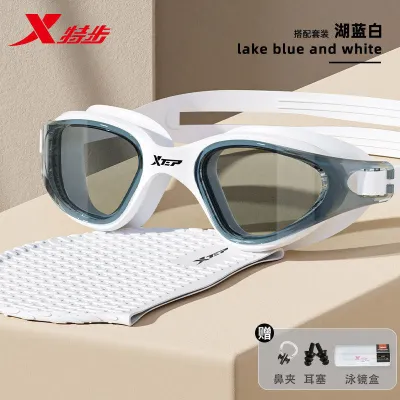
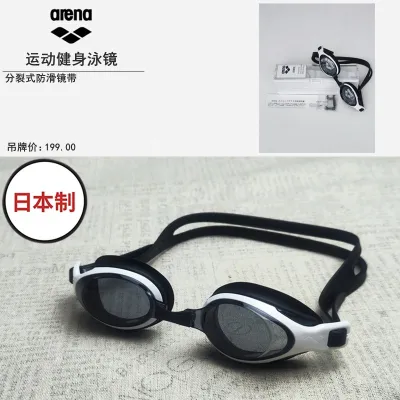
![[SG SELLER] ORIGINAL 361° BRAND Adult Swimming goggles high-definition myiopia degree waterproof anti-fog lenses swimming goggles](https://img.lazcdn.com/g/p/9d19d99f2ac96bcf991b22599e9a33b9.jpg_400x400q80.jpg_.webp)
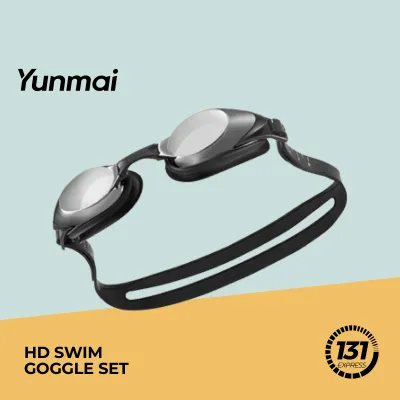
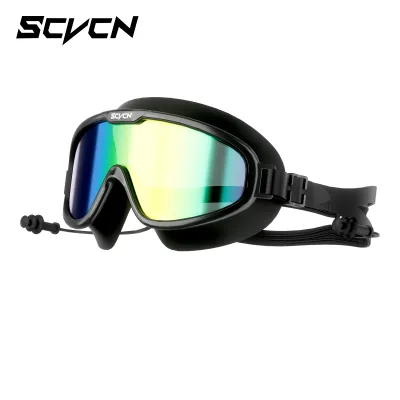
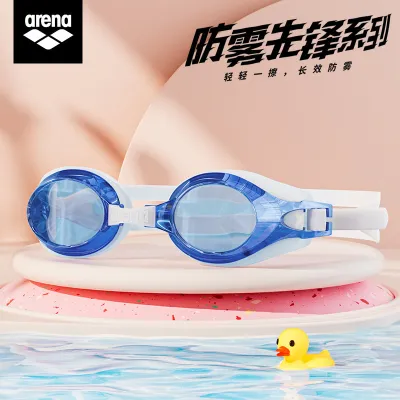
![[SG Stock] Kids Swimming Goggles Quick Release Anti Fog Leak Proof Swim Goggle Easy Wear Adjustable Children UV Google](https://img.lazcdn.com/g/p/4fd6a3bffd2b77d2b8d4cf76d21e1eb1.jpg_400x400q80.jpg_.webp)
Prices are valid at publication and may change. Please refer to the product page for the latest price.
To make an informed purchase, you must establish a decision framework based on objective criteria rather than brand loyalty. Prioritize the type of lens technology, the ease of maintenance, and the compatibility of the goggles with aftermarket restoration products. A high-quality pair of goggles from a lesser-known brand that uses advanced coating techniques will often outperform a premium brand’s basic model if the latter relies on a thin, easily degraded spray-on treatment.
Comparing Anti-Fog Technologies for Durability
Understanding the physical mechanisms behind different anti-fog features allows you to choose a pair of goggles tailored to your swimming habits. The most common technology is the applied chemical coating. These factory-applied hydrophilic layers are highly effective out of the box, providing excellent optical clarity. However, they are incredibly sensitive to physical contact; even a single wipe with a finger or towel can scratch or completely remove the coating. For casual swimmers who use their goggles once or twice a week, a standard chemical coating can last several months if handled with extreme care.

In contrast, some manufacturers integrate anti-fog properties directly into the lens material during the manufacturing process, or utilize dual-layer thermal barriers. Dual-layer lenses function similarly to double-pane windows, creating a sealed air gap between the outer and inner lenses to minimize temperature differentials. While these systems offer superior structural durability and are highly resistant to fogging in cold water or open-water environments, they can sometimes be bulkier and may slightly reduce overall optical clarity compared to single-lens designs.
Another emerging category is the reactivatable lens system. These goggles feature a specialized hydrophilic coating that can be “reset” or reactivated through specific physical actions, such as gently swiping the inner lens with your finger while the goggles are submerged. This technology redistributes the active anti-fog agents on the lens surface, extending the functional lifespan of the coating far beyond that of traditional chemical applications. While more expensive initially, these systems offer a lower cost-per-swim for high-frequency athletes.
For swimmers who require absolute clarity over years of use, replaceable lens systems provide a practical alternative. These goggles allow you to retain the frame and strap assembly while swapping out the lenses once the anti-fog coating inevitably degrades. This modular approach reduces long-term waste and ensures you always have access to factory-fresh optical performance without the need to purchase entirely new goggles.
| Technology Type | Expected Lifespan | Maintenance Sensitivity | Ideal User Profile |
|---|---|---|---|
| Standard Hydrophilic Coating | 1 to 6 months of regular use | Extremely High (Do not touch or wipe) | Casual or fitness swimmers |
| Reactivatable Swipe Coating | Up to 10x longer than standard | Moderate (Requires specific swipe action) | Competitive and frequent swimmers |
| Dual-Layer / Thermal Barrier | Highly durable (Years of physical use) | Low (Resistant to temperature shifts) | Open water and cold-water swimmers |
| Replaceable Lens Systems | Indefinite (Via modular lens swaps) | Low (Lenses are replaced when worn) | High-frequency swimmers and triathletes |
How to Verify Brand Promises Before Purchasing
To avoid falling victim to exaggerated marketing claims, you must learn to verify product specifications before making a purchase. When reviewing product descriptions, look for explicit mentions of the coating process, such as “vacuum-plated hydrophilic layers” or “impregnated anti-fog polymers.” These terms indicate a more robust manufacturing process than simple spray-on coatings. Additionally, check if the lenses offer integrated UV protection, as UV rays can accelerate the degradation of certain chemical anti-fog treatments over time.
User feedback on online marketplaces and swimming forums is an invaluable resource for assessing real-world durability. When analyzing customer reviews, filter for comments that mention long-term performance, specifically looking for terms like “after three months,” “chlorine exposure,” or “fogging onset.” Be skeptical of reviews written immediately after the first swim, as almost all goggles perform well initially. Pay close attention to patterns of premature failure, which often indicate a thin or poorly applied factory coating.
A brand’s warranty and return policy can also serve as a strong indicator of product quality. Manufacturers that stand behind their anti-fog technology often offer specific guarantees against premature coating degradation, or provide clear guidelines on how to seek a replacement if the goggles fog up within the first few weeks of proper use. Review the fine print to ensure the warranty covers the anti-fog performance and is not limited strictly to structural defects in the silicone strap or frame.
If you prefer to shop at physical sports retailers in Singapore, you can perform a basic physical inspection of the packaging and product. Examine the inner surface of the lens under bright retail lighting; a high-quality hydrophilic coating should appear perfectly uniform, without any visible runs, bubbles, or dry spots. The packaging should also feature detailed, clear care instructions rather than generic warnings, indicating that the manufacturer has invested in educating consumers on how to preserve the delicate inner lens treatment.
Extending Clarity: Maintenance and Restoration Protocols
No matter how advanced your goggles’ anti-fog technology is, its lifespan is ultimately determined by your post-swim maintenance routine. Chlorine, salt, sweat, and pool chemicals are highly corrosive and will rapidly dissolve hydrophilic coatings if left on the lens. Immediately after every swim, rinse your goggles thoroughly in cool, fresh tap water. Avoid using hot water, as high temperatures can soften the silicone seals and cause the chemical anti-fog layer to peel or degrade.
After rinsing, allow your goggles to air-dry completely in a shaded, well-ventilated area. Never wipe, rub, or touch the inside of the lenses with your fingers, towels, or microfiber cloths. Even the softest fabric can act as an abrasive, micro-scratching the delicate hydrophilic layer and creating channels where moisture can collect and form fog. Additionally, keep your goggles away from household soaps, dishwashing liquids, and harsh detergents, which can strip the anti-fog coating instantly.
When the factory anti-fog coating eventually wears off, you do not need to discard your goggles. You can restore clarity safely by using aftermarket anti-fog drops, sprays, or gels. Before applying any restoration product, check the manufacturer’s instructions to ensure compatibility with your lens material, as some alcohol-based sprays can damage polycarbonate lenses. Apply a small drop to the inner lens, spread it gently using the applicator or by tilting the goggles, rinse it lightly in fresh water if directed, and allow it to dry before your next swim.
Proper storage is the final step in preserving your goggles’ optical clarity. Store your dry goggles in a dedicated, breathable protective case rather than tossing them loosely into your swim bag. This prevents the inner lenses from rubbing against abrasive items like keys, zippers, or swim caps, which can scratch both the lens material and the remaining anti-fog coating. By establishing these simple habits, you can significantly extend the life of your goggles and enjoy clear, fog-free swims.
Frequently Asked Questions (FAQ)
Does the color or tint of the lens affect anti-fog performance?
The color or tint of a swimming goggle lens does not directly impact the chemical efficacy of the anti-fog treatment, as these are two separate optical features. Tinting is typically integrated into the polycarbonate lens material itself or applied as a mirrored coating on the outer surface to reduce glare and filter light. The anti-fog treatment, conversely, is applied exclusively to the inner surface of the lens to manage moisture.
However, lens tint can influence your perception of clarity when fogging does begin to occur. In low-light environments, such as indoor pools or early morning open-water swims, dark or mirrored tints can make the initial stages of condensation appear much denser and more disruptive to your vision. For indoor swimming, choosing clear, light blue, or yellow lenses will maximize light transmission, making it easier to maintain visibility even as the anti-fog coating begins to age and degrade.
Can I use baby shampoo as a permanent anti-fog solution?
While baby shampoo is a popular and cost-effective DIY anti-fog hack, it is not a permanent or ideal solution for high-performance swimming. Baby shampoo acts as a temporary surfactant, lowering the surface tension of water so that moisture sheets across the lens rather than forming fog droplets. However, this surfactant layer is highly water-soluble and will quickly wash away during a swim, requiring reapplication before every session.
Furthermore, using baby shampoo carries several distinct disadvantages compared to purpose-built anti-fog products. Over time, shampoo can leave a greasy residue on the lens that distorts optical clarity and attracts dirt. If the shampoo is not rinsed perfectly, it can migrate into your eyes when water inevitably enters the goggles, causing painful irritation and distracting you during your workout. For reliable, long-lasting clarity, commercial anti-fog sprays designed specifically for sports optics are a safer and more effective choice.
Are prescription swimming goggles available with durable anti-fog coatings?
Yes, prescription swimming goggles are widely available and feature the same anti-fog coating technologies found on standard corrective eyewear and performance goggles. These goggles typically utilize factory-applied hydrophilic coatings on the inner surface of the corrective lenses to ensure clear vision for swimmers who require optical correction.
Because replacing prescription lenses is more complex and costly than replacing standard goggles, maintaining the anti-fog coating on these specialized models is of paramount importance. Swimmers using prescription goggles must be exceptionally diligent with their maintenance routines, avoiding all physical contact with the inner lens and rinsing them only with fresh, cool water. When the factory coating eventually degrades, using a high-quality, manufacturer-approved aftermarket anti-fog spray is the most cost-effective way to restore clarity without having to purchase an entirely new prescription assembly.

Community discussion
Share your experience or ask a question. Comments are reviewed before publication.