
Running in a tropical climate like Singapore presents a unique set of challenges for your gear. High humidity means your sweat cannot evaporate easily, leaving you drenched within minutes of stepping outside. To keep your essentials secure without creating a hot, wet band of discomfort around your waist, you need a running belt made from lightweight, quick-drying synthetic materials.
Highly functional running belts for tropical conditions typically rely on lightweight polyester or nylon bases blended with a minimal amount of elastane, often constructed with an open-mesh weave. These materials do not absorb water; instead, they pull moisture away from your skin and spread it across the outer surface of the fabric to accelerate evaporation. Choosing the right material and structural design ensures your belt remains lightweight, comfortable, and stable even during long, humid runs.
Core Breathability Requirements for Tropical Running
When you run in hot and humid conditions, your body relies heavily on sweat evaporation to cool down. However, when the surrounding air is already saturated with moisture, this natural cooling mechanism slows down significantly. A standard waist pack made from heavy canvas or thick, non-breathable nylon traps a layer of hot, humid air against your skin, which quickly leads to overheating and discomfort.
Products mentioned in this guide
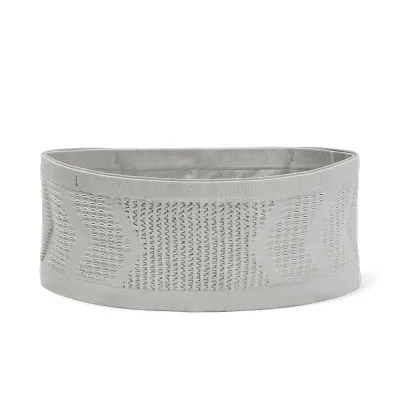
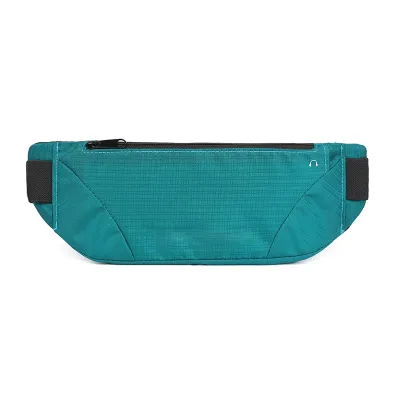
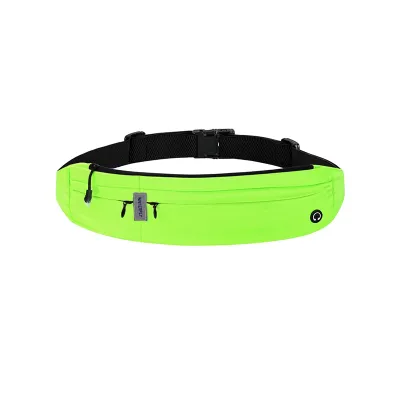
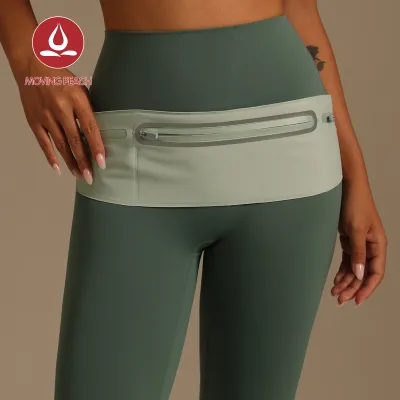
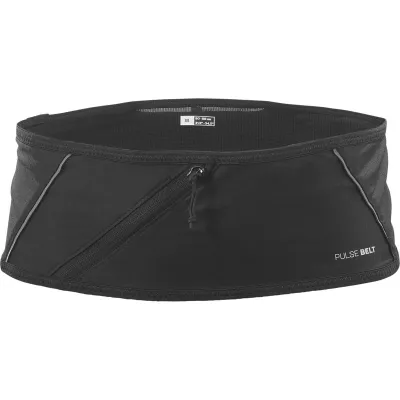
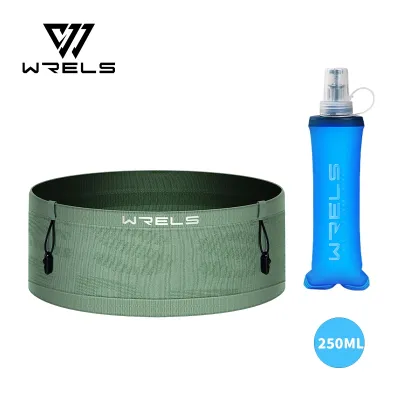

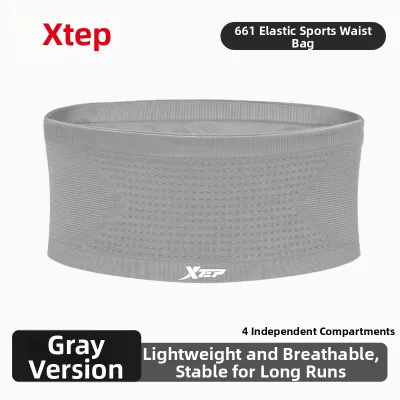
Prices are valid at publication and may change. Please refer to the product page for the latest price.
To combat this, a tropical running belt must possess excellent moisture-dispersion capabilities. Rather than holding onto sweat, the fabric must draw moisture away from your body instantly. By spreading the liquid across a wider surface area on the exterior of the belt, the material maximizes the limited evaporative potential of the humid air, helping the gear dry as you move.
High temperatures also mean you will sweat in much larger volumes than you would in cooler climates. A running belt that lacks high-capacity wicking properties will quickly become waterlogged, heavy, and saggy. When a belt absorbs water, it loses its structural integrity, causing it to bounce and shift with every stride, which can disrupt your running rhythm.
Furthermore, wet skin is highly susceptible to friction and irritation. As sweat accumulates under a non-breathable belt, the skin softens, making it vulnerable to chafing. To prevent painful abrasions, the belt must feature a smooth, non-abrasive surface that remains stable against your body, minimizing movement while allowing continuous ventilation to keep the skin as dry as possible.
Common Breathable Materials and Fabric Blends
To find a running belt that can handle tropical humidity, you must look closely at the fabric composition. Synthetic fibers are the industry standard for athletic gear because they are hydrophobic, meaning they resist absorbing water. However, not all synthetic fabrics are created equal, and understanding the specific properties of each will help you make an informed choice.

Polyester is one of the most common and effective bases for running belts. It is durable, naturally resistant to moisture absorption, and dries quickly. When woven into a lightweight mesh, polyester allows air to flow freely while maintaining enough strength to hold your phone, keys, and energy gels securely. Nylon is another excellent synthetic option, offering excellent abrasion resistance and a softer feel against the skin, though it can sometimes retain slightly more moisture than polyester depending on the weave.
To ensure the belt stretches and conforms to your waist, manufacturers blend these synthetic bases with elastane, also known as spandex or Lycra. While elastane is essential for providing a snug, bounce-free fit, it is important to check the percentage on the care label. Elastane fibers are highly elastic but are not particularly breathable and tend to retain moisture. A running belt with an excessively high percentage of elastane can feel heavy and warm against the skin, so look for blends where elastane is kept to the minimum necessary for a secure stretch.
When shopping, you will often encounter proprietary marketing names for fabrics that promise advanced cooling or dry-fit technologies. While these branding terms sound impressive, they are almost always variations of polyester, nylon, and elastane blends. To verify the actual quality of the gear, bypass the marketing claims on the front of the packaging and check the small care tag or product specifications list. Look for a high percentage of polyester or nylon combined with a lower percentage of elastane, and inspect the fabric physically to ensure it has an open, breathable weave rather than a dense, solid knit.
Structural Designs That Enhance Airflow
The material composition of a running belt is only half the equation; the physical construction of the belt plays an equally vital role in keeping you cool. Even the most advanced moisture-wicking fabric will trap heat if it is designed as a thick, solid band. To maximize ventilation, look for specific structural features that promote continuous airflow.
Mesh panels and strategic perforations are highly effective design elements for tropical running gear. Many high-performance running belts feature a dual-layer design, where the outer pocket is made of a durable stretch fabric, while the inner lining—the part that sits directly against your lower back or abdomen—is made of an open mesh. This mesh creates a physical barrier that allows air to circulate directly against your skin, helping to cool the area and speed up sweat evaporation.
Another modern manufacturing technique involves micro-perforated or laser-cut fabrics. Instead of using a traditional woven mesh, manufacturers use lasers to cut thousands of microscopic vents into a solid synthetic fabric. This process creates highly breathable zones in key sweat areas without compromising the overall structural integrity, durability, or elasticity of the belt. These micro-perforations allow heat to escape continuously while keeping your items secure and protected.
The overall shape and profile of the belt also influence how hot it feels. Tube-style belts, which slip over your hips and sit flat against your waist, offer a very secure, bounce-free fit because they distribute the weight of your items evenly. However, because they cover a larger surface area of your skin, they can trap more heat if they are not made from exceptionally thin, breathable mesh. Flat, adjustable belts with a narrower profile cover less skin, which naturally allows more of your body to stay cool, but they must be adjusted carefully to prevent bouncing.
Evaluation Checklist for Choosing a Tropical Running Belt
Before purchasing a running belt for hot and humid conditions, it is helpful to perform a physical inspection or carefully review the product specifications. Use this practical checklist to evaluate whether a belt is truly optimized for tropical runs:
- Examine the Inner Lining: Turn the belt inside out and feel the material that will rest against your skin. It should feel smooth, lightweight, and slightly textured to promote airflow. Avoid belts that feature heavy, rubberized, or completely waterproof inner coatings. While these coatings protect your items from sweat, they act as a vapor barrier, trapping heat and sweat directly against your body.
- Check the Hardware and Pockets: Inspect the zippers, buckles, and storage compartments. Large plastic buckles and thick, padded pockets can create localized hot spots on your waist where sweat cannot escape. Look for streamlined designs with low-profile fasteners and pockets made from breathable stretch mesh that allow air to pass through.
- Assess the Adjustability and Fit: A properly fitting belt is crucial for both comfort and breathability. If a belt is too tight, it compresses the fabric against your skin, closing up the microscopic air gaps and restricting ventilation. Conversely, a belt that is too loose will bounce continuously, creating friction and trapping heat through repetitive rubbing. Opt for adjustable straps or precise sizing that holds the belt firmly but gently in place.
Maintenance to Preserve Moisture-Wicking Performance
Once you find a suitable breathable running belt, proper maintenance is essential to keep its technical fabrics performing at their best. Sweat, body oils, and improper washing habits can quickly degrade synthetic fibers, clogging the microscopic pores that allow the fabric to breathe and wick moisture.
The most critical rule of caring for athletic gear is to avoid fabric softeners entirely. Fabric softeners work by leaving a thin, chemical coating over the fibers to make them feel softer. While this might be pleasant for everyday cotton clothing, on synthetic running gear, this coating acts as a barrier. It clogs the moisture-wicking channels and traps sweat, reducing the belt’s breathability and causing it to retain unpleasant odors.
To clean your running belt safely, wash it in cool or lukewarm water using a mild, liquid detergent. Avoid heavy-duty detergents that contain optical brighteners or built-in softeners. If you run frequently in high humidity, consider using a specialized sports wash designed to break down stubborn body oils and sweat residue without damaging the delicate elastane fibers that give the belt its stretch.
Finally, always air dry your running belt. High heat from a tumble dryer can damage and melt the fine synthetic fibers, causing the elastane to lose its elasticity and the mesh panels to shrink or warp. Hang the belt in a shaded, well-ventilated indoor area or a breezy outdoor spot away from direct, intense sunlight. This gentle drying method preserves the structural integrity of the mesh and ensures your belt remains stretchy, breathable, and ready for your next tropical run.
Frequently Asked Questions (FAQ)
Can natural fibers like cotton or merino wool work for tropical running belts?
Natural fibers are generally not recommended for running belts in hot, humid climates. Cotton is highly hydrophilic, meaning it absorbs large amounts of moisture and holds onto it. A cotton belt will quickly become heavy, soggy, and stretched out, which significantly increases the risk of severe chafing against your skin.
Merino wool is an excellent material for temperature regulation and odor resistance in dry or cool climates, but it is less suited for tropical running belts. It absorbs moisture into its core and dries much slower than lightweight synthetics like polyester. Additionally, wool lacks the high-stretch recovery needed to keep a loaded running belt from bouncing during high-intensity movement.
Does the color of the running belt affect how hot it feels in direct sunlight?
Yes, the color of your running belt can have a minor impact on heat absorption when you are running in direct sunlight. Darker colors, particularly black, absorb more solar radiation, which can cause the surface of the belt to feel slightly warmer against your body during daytime runs.
However, this effect is relatively small compared to the impact of the fabric’s material and construction. A black running belt made of highly breathable, open-mesh polyester will feel cooler and more comfortable than a white belt made of thick, non-breathable nylon. Focus on breathability, moisture-wicking capabilities, and a proper fit first, and treat color as a secondary preference.
How do I know if my running belt is causing heat rash or chafing?
You can identify skin irritation caused by your running belt by checking your waistline immediately after a run. Look for localized redness, small red bumps, or a stinging, burning sensation where the belt sits. These are common signs of heat rash, which occurs when sweat ducts become blocked under non-breathable fabric, or chafing, which is caused by repetitive friction against wet skin.
If you notice these symptoms, evaluate the fit and material of your gear. Ensure the belt is not adjusted too tightly and that the inner lining is free of abrasive seams or non-breathable coatings. If the irritation persists even after adjusting the fit, it is likely time to switch to a belt made from a lighter, more breathable mesh material.
Community discussion
Share your experience or ask a question. Comments are reviewed before publication.