
Selecting a high-performance sports cap in Singapore requires a careful balance between shielding your face from the intense tropical sun and allowing heat to escape from your head. In a climate where temperatures regularly exceed 30 degrees Celsius and relative humidity often hovers above 80 percent, a standard hat can quickly turn into a heat trap. While proprietary technologies like Climacool and other advanced cooling fabrics are designed to manage moisture and airflow, finding the right cap involves more than just picking a popular brand. The ideal headwear must align with your specific sport, sweat rate, and physical comfort requirements to ensure it enhances, rather than hinders, your outdoor performance.
To make an informed decision, you need to understand how different technical fabrics interact with your body heat and the surrounding atmosphere. This guide explores the science of tropical heat management, compares various cooling fabric technologies, and provides practical steps to match cap designs to activities like running, cycling, and hiking. By focusing on observable features, material compositions, and fit adjustments, you can select a sports cap that keeps you comfortable and focused during your outdoor training sessions.
Why Breathability Matters for Outdoor Sports in Singapore
When you engage in physical exertion, your body generates significant metabolic heat, a large portion of which is dissipated through the head and neck. In Singapore’s tropical environment, the high ambient temperature reduces the temperature gradient between your skin and the air, making radiative cooling less effective. Consequently, your body relies heavily on the evaporation of sweat to cool down. However, when relative humidity is exceptionally high, the air is already saturated with moisture, which drastically slows down the rate of sweat evaporation.
Products mentioned in this guide
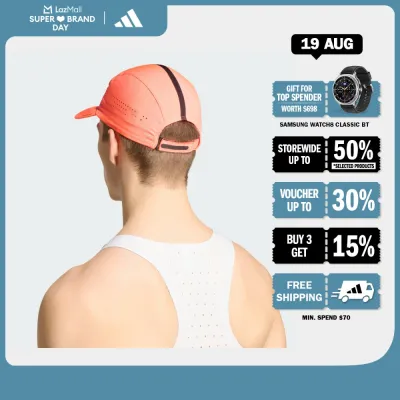
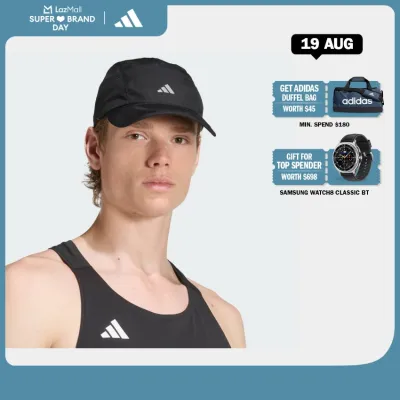
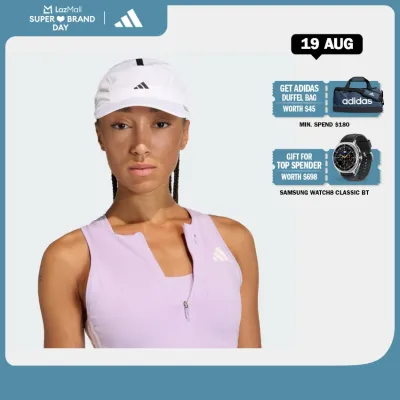
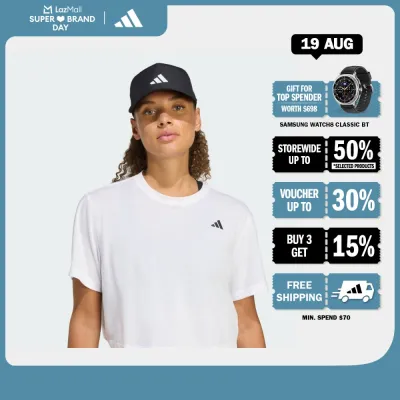
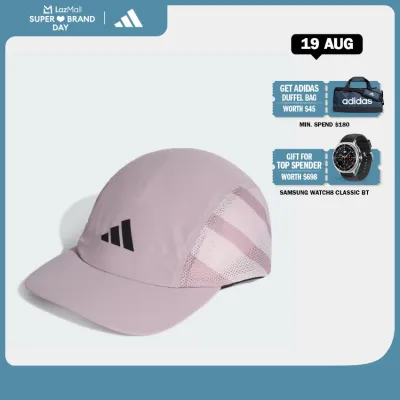
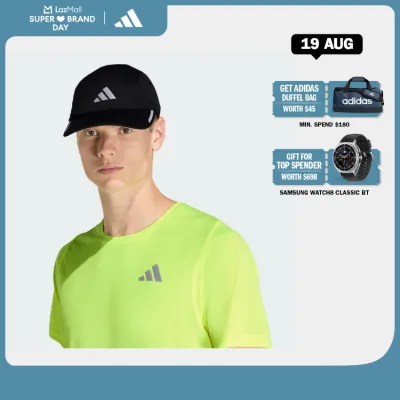
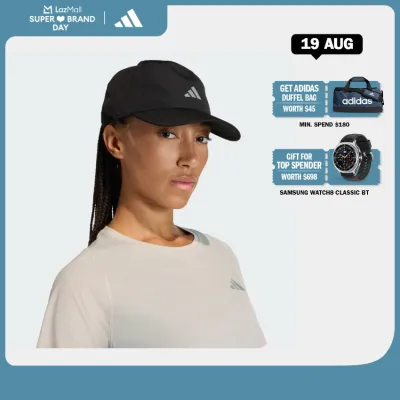
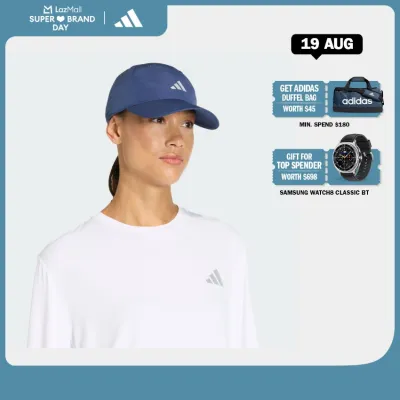
Prices are valid at publication and may change. Please refer to the product page for the latest price.
Wearing a non-breathable cap, such as one made of heavy cotton or tightly woven synthetic materials without ventilation, exacerbates this challenge. The cap traps a layer of hot, humid air—often referred to as a “microclimate”—directly against your scalp. This trapped heat can cause your core body temperature to rise more rapidly, leading to premature fatigue, elevated heart rates, and an increased risk of heat-related illnesses like heat exhaustion. Furthermore, trapped sweat accumulates along the hairline and forehead, leading to skin irritation, stinging eyes, and localized discomfort.
Technical sports caps address these physiological challenges by utilizing highly breathable fabrics that facilitate rapid moisture transfer and airflow. Instead of holding onto moisture, these materials pull sweat away from your skin to the outer surface of the fabric, where it can distribute over a larger area and evaporate more readily. Additionally, integrated ventilation pathways allow ambient air to circulate across your scalp, helping to break up the stagnant boundary layer of hot air and promoting continuous thermal regulation even during prolonged outdoor workouts.
Comparing Climacool and Alternative Cooling Technologies
When shopping for a cooling sports cap, you will encounter various proprietary fabric technologies, with Climacool being one of the most widely recognized. This technology, along with similar high-performance lines from other athletic brands, operates on the dual principles of moisture management and ventilation. These caps typically feature engineered polyester or nylon blends that do not absorb water. Instead, the fibers are shaped with microscopic channels that draw sweat away from the skin through capillary action.

In addition to moisture-wicking fibers, technologies like Climacool incorporate strategic mesh paneling. These mesh zones are placed in high-heat areas, such as the sides and back of the crown, to maximize airflow. By replacing solid fabric with open-weave mesh, manufacturers allow heat to escape directly from the head while permitting passing breezes to cool the scalp. Some advanced designs also utilize laser-cut perforations in the fabric to provide targeted ventilation without compromising the structural integrity or sun-blocking capabilities of the cap.
Alternative cooling technologies may employ different mechanisms, such as chemical-free cooling weaves or mineral-infused fibers. These materials are engineered to feel cool to the touch or to react with sweat to produce a temporary cooling sensation. Other caps feature UV-reflective coatings or specialized yarn structures designed to block infrared radiation from the sun, reducing the amount of solar heat absorbed by the fabric itself. When evaluating these claims, it is important to look for physical indicators of performance rather than relying solely on marketing terminology.
To verify the cooling capabilities of a sports cap, always inspect the product label for fabric composition and construction details. Look for high percentages of polyester, nylon, and elastane, which offer excellent moisture management and stretch. Avoid caps with high cotton content, as cotton retains moisture and becomes heavy when wet. Examine the interior of the cap to check the density of the mesh panels and the placement of ventilation zones. High-quality cooling caps will have clearly defined, open-weave areas that allow light—and therefore air—to pass through easily.
Matching Cap Features to Your Specific Activity
No single sports cap design is universally suitable for every outdoor activity. The way your body moves, the speed at which you travel, and the additional gear you wear all influence how a cap performs. For instance, the aerodynamic requirements of cycling differ vastly from the sun-protection needs of a slow-paced hike. Understanding these distinctions allows you to select a cap that complements your movement patterns and equipment setup.
Running and High-Intensity Cardio
Running in Singapore’s humid climate demands a cap that can handle high volumes of sweat and constant vertical movement. Because running involves continuous impact, any excess weight or a loose fit will cause the cap to bounce, leading to distraction and potential chafing. Prioritize ultra-lightweight caps made from thin, high-gauge synthetic fabrics that feel almost weightless on your head. The closure system should be highly adjustable and secure, ensuring the cap remains snug against your brow without causing pressure headaches.
Another critical feature for runners is an integrated, high-performance sweatband. The sweatband should line the entire inner circumference of the cap’s front panel, utilizing multi-layered or textured fabrics to absorb and redirect sweat away from your eyes. Additionally, look for caps with pliable, lightweight brims. A flexible brim not only reduces the overall weight of the cap but also prevents wind from catching the underside of the visor and pulling the cap off your head during fast-paced runs or windy coastal routes.
Cycling and Helmet Compatibility
For cyclists, safety is the primary concern, meaning any headwear must integrate seamlessly with a bicycle helmet. Standard sports caps with stiff, curved brims and top buttons are unsuitable because they interfere with the helmet’s fit and can cause painful pressure points in the event of an impact. Instead, look for low-profile cycling caps or skull caps specifically designed to be worn under a helmet. These caps feature a very short, flexible brim that can be flipped up or down to adjust your field of vision.
When selecting an under-helmet cap, ensure that its ventilation zones align with the cooling vents of your helmet. If the cap’s mesh panels are blocked by the solid structure of the helmet, heat will remain trapped. The fabric must be exceptionally thin to avoid altering the fit of your helmet, which could compromise its protective capabilities. Additionally, check that the cap’s side panels do not interfere with your helmet straps or sunglasses, allowing for a secure and comfortable fit throughout your ride.
Hiking and Prolonged Sun Exposure
Hiking and trail walking in Singapore often involve spending several hours in direct sunlight at a slower pace. Because your movement speed is lower, you do not benefit from the same level of convective cooling as a runner or cyclist, making sun protection the top priority. For these activities, look for caps with wider brims that cast a larger shadow over your face, ears, and neck. Some hiking-specific caps feature detachable neck flaps or capes that provide comprehensive coverage against UV radiation.
When evaluating hiking caps, check the product specifications for a verified Ultraviolet Protection Factor (UPF) rating, ideally UPF 50+, which indicates the fabric blocks a high percentage of UV rays. However, keep in mind the trade-off between full coverage and breathability. A cap with extensive neck flaps and a wide brim can trap heat if it lacks adequate ventilation. Look for designs that combine UPF-rated fabrics on the top of the crown with highly breathable mesh side panels to allow heat to escape while keeping your skin shielded from direct sunlight.
Fit, Comfort, and Adjustability Checks
Even the most technologically advanced cooling cap will remain unused if it is uncomfortable to wear. Achieving a proper fit is essential for both comfort and performance, as a cap that is too tight can restrict blood flow and cause headaches, while a loose cap will shift constantly. Before purchasing, measure your head circumference using a flexible measuring tape wrapped around the widest part of your head, about one inch above your eyebrows. Compare this measurement to the manufacturer’s sizing chart, as sizing can vary significantly between brands.
The closure system plays a vital role in how the cap conforms to your head shape. Common options include plastic snapbacks, hook-and-loop straps, elastic bands, and adjustable drawcords with toggles. For sports, hook-and-loop and drawcord closures offer the most precise micro-adjustments, allowing you to fine-tune the tension as your head expands slightly during exercise. Elastic bands provide a clean, low-profile look but can lose their tension over time when exposed to sweat and frequent washing. Ensure the closure mechanism does not have sharp edges that could rub against your skin.
When inspecting a cap in person or reviewing detailed product images, pay close attention to the internal construction. Run your fingers along the inner seams to check for flatlock stitching or taped seams. Raised, rough seams can cause friction and chafing against your scalp, especially during long workouts. The texture of the internal sweatband should feel soft and non-abrasive. Additionally, consider the structural weight of the cap; a lighter cap places less strain on your neck muscles and feels much more natural during high-intensity movements.
Washing and Maintaining Technical Fabrics
To preserve the moisture-wicking and cooling properties of your sports cap, proper maintenance is essential. Sweat contains salts, oils, and bacteria that can accumulate within the technical fibers over time, clogging the microscopic channels that facilitate moisture transfer. This accumulation not only reduces the cap’s breathability but also leads to persistent odors. The first and most important step in caring for your cap is to locate and read the manufacturer’s care label, which provides specific instructions tailored to the fabric blend.
When washing technical caps, avoid using fabric softeners at all costs. Fabric softeners leave a thin, waxy coating on the fibers, which clogs the moisture-wicking channels and drastically reduces the material’s ability to transport sweat. Similarly, avoid harsh detergents, bleach, and stain removers, as these chemicals can break down the synthetic fibers and degrade any specialized cooling or UV-reflective treatments. Instead, opt for a mild, liquid detergent designed for athletic wear or delicate fabrics.
Air-drying is the safest and most effective method for drying sports caps. Never place a technical cap in a tumble dryer, as the high heat can warp the plastic or cardboard stiffeners inside the brim, shrink the synthetic fabrics, and damage elastic closures. After washing, gently reshape the crown of the cap and lay it flat on a clean towel or hang it by the adjustment strap in a well-ventilated, shaded area. Avoid direct sunlight during the drying process, as prolonged exposure to intense UV rays can fade colors and weaken the fabric fibers over time.
Frequently Asked Questions (FAQ)
Are dark-colored caps too hot for tropical weather?
While it is true that dark colors absorb more radiant heat from the sun than light colors, the overall temperature of your head is determined by a combination of factors. In a highly breathable cap with excellent ventilation and moisture-wicking properties, the heat absorbed by a dark exterior is quickly dissipated by airflow and sweat evaporation. Furthermore, darker fabrics often provide superior UV protection by absorbing harmful rays before they reach your skin, making them a viable choice if the cap is well-ventilated.
Can I wash my moisture-wicking cap in a machine?
Many moisture-wicking caps can be machine washed, but you must verify this on the specific product’s care label first. If machine washing is permitted, place the cap inside a mesh laundry bag to protect it from snagging on other garments or wrapping around the agitator. Use a gentle cycle with cold water and a mild detergent. Once the cycle is complete, reshape the cap by hand and air-dry it; never use a tumble dryer, as the heat can permanently damage the technical fibers and the structure of the brim.
Community discussion
Share your experience or ask a question. Comments are reviewed before publication.