
Fitting a dedicated strength training setup into a modern Housing & Development Board (HDB) flat requires a smart approach to space management. While heavy barbells and bulky power racks demand significant floor space and structural consideration, grip and finger training tools offer an exceptionally high return on investment for minimal physical footprint. Whether you are an active rock climber looking to maintain crimp strength, a musician aiming to improve finger dexterity, or a remote worker wanting to combat repetitive strain from hours of typing, a compact finger strengthener can easily fit into your daily routine. Selecting the right tool involves balancing your specific training goals with the practical realities of apartment living, such as limited storage, noise transmission through concrete walls, and the local humid climate.
By focusing on compact, highly functional designs, you can build an effective forearm and hand conditioning routine without turning your living room into a cluttered warehouse. The ideal equipment should not only target the correct muscle groups and tendons but also store away invisibly in a shallow desk drawer or a small storage bin. Understanding how different materials, resistance mechanisms, and mounting styles interact with your home environment is the first step toward establishing a sustainable, clutter-free home gym routine.
Assessing Your Apartment Space and Training Constraints
Before purchasing any grip training equipment, it is essential to evaluate the physical boundaries of your living space. HDB flats are designed with efficiency in mind, meaning every square meter must be utilized intentionally. Storage is often the primary constraint; unlike spacious landed properties, apartments rarely have dedicated gear rooms. You will need to identify exactly where your training tools will live when not in use. A tool that can slide into a shallow desk drawer, fit inside a decorative basket on a shelf, or hang discreetly behind a door is far more likely to be kept long-term than a bulky device that sits awkwardly in a corner.
Products mentioned in this guide
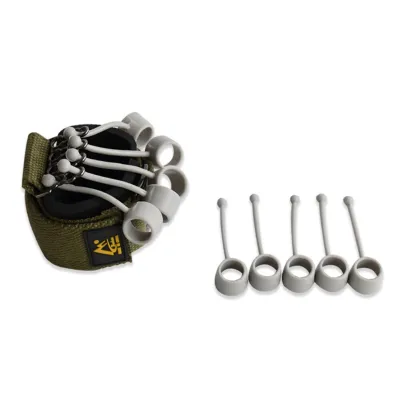
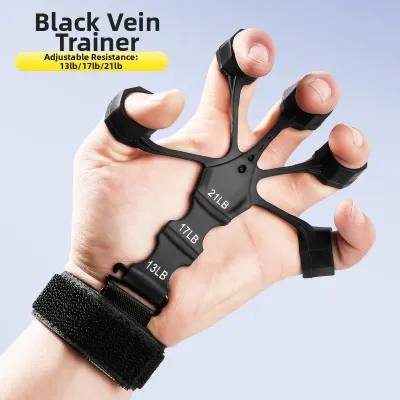
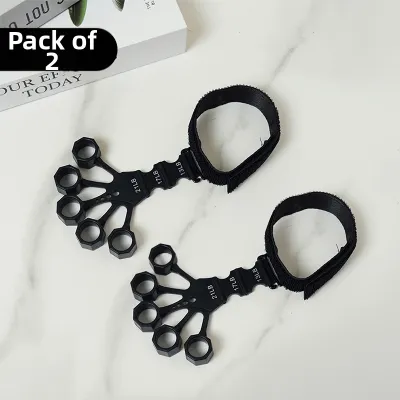
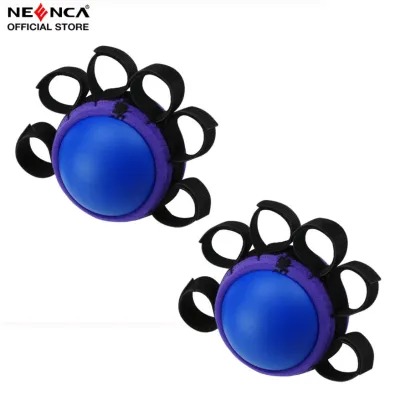
Prices are valid at publication and may change. Please refer to the product page for the latest price.
Noise transfer is another critical factor that many fitness enthusiasts overlook until they receive a knock on the door from a neighbor. Reinforced concrete structures are excellent for structural integrity, but they conduct impact and high-frequency vibrations with surprising efficiency. The sharp, metallic snap of a heavy torsion spring gripper or the sudden thud of a wooden block dropping onto a vinyl or tile floor can easily disrupt the peace of those living below or beside you. Selecting quiet, dampening materials or using training tools that do not rely on sudden releases of tension will help maintain good neighborly relations.
Finally, clearly defining your primary training goals prevents the accumulation of unnecessary, overly specialized gear. It is easy to fall into the trap of buying multiple devices for different aspects of hand strength, only to find your drawers overflowing with plastic and metal clutter. If your goal is general fitness, a single adjustable hand gripper is usually sufficient. If you are training for climbing, a versatile, hangable edge block can replace several individual tools. By matching your equipment directly to your primary objective, you keep your home gym streamlined and highly functional.
Comparing Finger Strengthener Types for Small Spaces
Different finger strengtheners utilize distinct mechanical designs to target the muscles of the hand and forearm. Understanding these categories allows you to choose a tool that matches both your physical needs and your spatial limitations.

Adjustable Hand Grippers
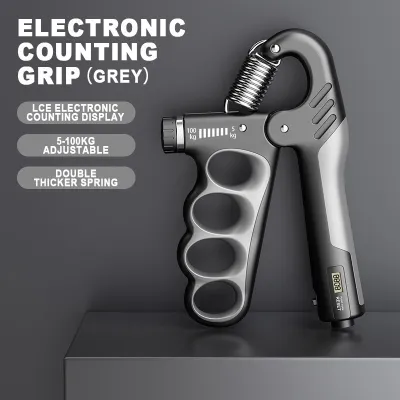
Adjustable hand grippers are the classic choice for building overall crushing grip strength. These tools typically feature an A-shaped design with two handles connected by a spring mechanism. They are highly valued for their simplicity and direct focus on the flexor muscles of the fingers and forearm.
When evaluating these grippers, you will generally choose between torsion springs and coil springs. Torsion spring grippers, often made with high-quality aluminum handles, offer a very smooth, consistent resistance curve but usually come in fixed weight increments, meaning you have to buy a set of multiple grippers to progress. Coil spring grippers, on the other hand, frequently feature an adjustable dial that compresses a central spring, allowing you to vary the resistance on a single device. This adjustability is a massive space-saver, as one tool can cover a wide range of training intensities.
In terms of storage, adjustable hand grippers are incredibly compact, easily fitting into a standard desk organizer or a small drawer. However, they can produce a small amount of noise. Metal springs may squeak over time if not lubricated with a drop of light machine oil, and the handles can make a clicking sound when they meet at the end of a repetition. To minimize noise in a quiet home, look for models with smooth pivot points and consider wrapping the handles slightly if they tend to clack together.
Silicone Finger Exercisers and Stretch Bands
Silicone finger exercisers and resistance bands focus on the extensor muscles—the muscles responsible for opening your hand and extending your fingers. This form of training is crucial for maintaining muscular balance, as most daily activities and grip exercises focus heavily on crushing and squeezing.
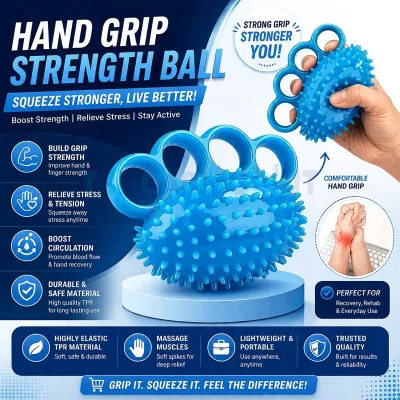
These tools are the absolute champions of low-profile fitness gear. Made from flexible, lightweight silicone or rubber, they can be rolled, folded, or stuffed into almost any pocket or pouch. They take up virtually zero physical space and are completely silent during use, making them perfect for training while watching television or sitting through online meetings without disturbing anyone else in the household.
Resistance progression with silicone tools is typically achieved through color-coded sets, where each color represents a different level of tension, or through multi-layered designs where you insert your fingers into different loops to adjust the leverage. While highly convenient, silicone is susceptible to material degradation over time. In a warm, humid climate, sweat and ambient moisture can cause silicone to become sticky or develop micro-tears, especially if exposed to direct sunlight. Regular cleaning and proper storage are essential to prolonging the lifespan of these ultra-compact tools.
Portable Climbing Edge Blocks and Mini Hangboards
For rock climbers and bouldering enthusiasts, standard hand grippers do not adequately replicate the specific demands of holding onto small rock edges. Portable climbing edge blocks, often referred to as mini hangboards or tension blocks, are compact wooden or plastic blocks featuring various pocket depths, edges, and pinches. They are designed to be suspended from a secure overhead anchor, allowing you to perform isometric hangs or pull-ups.
Because these blocks are suspended by a cord, they do not require permanent wall mounting, making them an excellent alternative to traditional, full-sized hangboards that must be drilled into a wall. This is a major advantage in HDB apartments, where drilling into concrete walls requires heavy-duty rotary hammer drills and may be restricted in certain areas, such as bomb shelter walls. You can easily loop the cord of a portable block over a secure doorway pull-up bar or an outdoor structural beam, perform your workout, and then pack the block away in a closet.
Before using a suspended setup, always verify the structural integrity of your anchor point. If you are using a removable doorframe pull-up bar, ensure it is rated for your body weight and fits securely against the door trim without slipping. Portable edge blocks are slightly bulkier and heavier than silicone bands or hand grippers, but their ability to pack flat makes them incredibly space-efficient compared to a permanently mounted wooden board.
Key Features to Verify Before You Buy
To ensure you select a finger strengthener that delivers long-term value without becoming useless clutter, keep a practical checklist of specifications in mind when browsing online marketplaces or specialty fitness stores.
- Adjustability Range: Look for tools that offer a wide, clearly marked resistance range. For adjustable hand grippers, a range of 10 kg to 60 kg is common and provides plenty of room for progressive overload. For silicone bands, purchasing a multi-pack with light, medium, and heavy resistance levels ensures you can progress without needing to buy entirely new equipment later.
- Build Materials: The choice of material directly impacts durability and tactile feel. Knurled aluminum handles offer an exceptionally secure grip and do not wear down, but they can feel abrasive on sensitive skin. Molded plastic handles with rubber overlays are softer and more comfortable for beginners, but you must check that the plastic joints are thick and robust enough to withstand high tension without cracking.
- Ergonomics and Handle Contouring: A poorly designed handle can cause hand fatigue or joint pain before your target muscles are fully worked. Look for contoured handles that mimic the natural curve of your hand when partially closed. Avoid overly wide designs if you have smaller hands, as an excessive starting stretch can strain the tendons in your palm.
- Ease of Cleaning: Sweat, skin oils, and chalk can quickly accumulate on grip equipment, creating a breeding ground for bacteria. Textured metal grips can be scrubbed with a stiff nylon brush and a damp cloth. Silicone and rubber exercisers should be washed regularly with mild dish soap and warm water, then thoroughly air-dried away from direct heat sources to prevent the material from becoming tacky.
Aligning the Equipment With Your Training Goals
Your physical objectives should dictate the type of finger strengthener you choose. Selecting a tool that aligns with your specific activities ensures you get the best results while keeping your equipment collection minimal.
| Training Goal | Recommended Equipment Type | Key Focus Area | Space Footprint |
|---|---|---|---|
| Rock Climbing & Bouldering | Portable climbing edge blocks / Mini hangboards | Crimp, pinch, and open-hand isometric strength | Small (packs flat in a gear bag) |
| Musicians, Typists & Gamers | Silicone finger exercisers / Individual piston trainers | Finger dexterity, extension, and independent control | Micro (fits in a pocket or pencil case) |
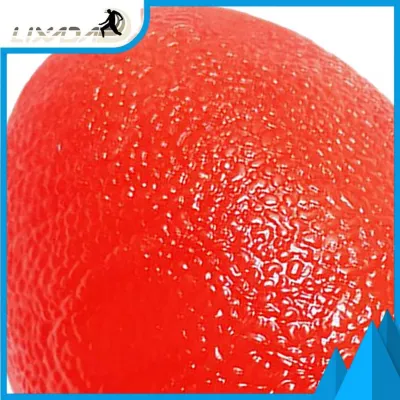
| Post-Injury Rehabilitation | Low-resistance silicone bands / Grip putty | Gentle, highly controllable movement and blood flow | Micro (easily stored in a small container) |
| General Fitness & Heavy Lifting | Adjustable spring-loaded hand grippers | Overall crushing grip and forearm endurance | Small (fits in any desk drawer) |
For climbers, the priority is building tendon strength in specific hand positions, such as the half-crimp or open-hand grip. A portable wooden edge block is highly effective here because wood absorbs sweat naturally and provides a skin-friendly texture that mimics real rock holds. Training on these blocks involves static hangs rather than repetitive squeezing, which targets the deep finger flexors and builds the structural integrity needed for climbing.
If you are a musician, writer, or gamer, your focus is likely on dexterity, coordination, and preventing repetitive strain injuries. For these goals, heavy crushing grippers are counterproductive. Instead, look for individual finger piston strengtheners or silicone extension bands. These tools allow you to isolate each finger independently, helping to correct strength imbalances between your dominant fingers and your ring or pinky fingers, while promoting healthy blood flow to tired joints.
For those recovering from hand or wrist injuries, safety and precise control are paramount. You should avoid high-tension spring grippers entirely, as a sudden release of tension can re-injure delicate tissues. Soft silicone rings, light extension bands, or specialized therapy putty allow you to perform gentle, low-impact movements that encourage recovery without overloading the joints. Always consult a healthcare professional or physical therapist to establish the correct resistance levels for rehabilitation.
If your main goal is general fitness, such as improving your hold on heavy shopping bags or preventing your grip from failing during deadlifts and pull-ups, a classic adjustable hand gripper is the most direct tool. It builds the deep crushing power of your hand and thickens the muscles of your forearm, translating directly to improved performance in everyday tasks and general gym workouts.
Safe Training Routines and Clutter-Free Storage
Because the fingers and wrists are controlled by a complex network of small muscles, delicate tendons, and tight pulley systems, training them requires a high level of care. Tendons have a much lower blood supply than muscles, meaning they take significantly longer to adapt to training loads and recover from strain.
Always begin your training session with a thorough warm-up. Spend a few minutes performing gentle wrist circles, opening and closing your hands rapidly without resistance, and massaging your forearms to stimulate blood flow. If you are using adjustable grippers or edge blocks, start your workout with a few very light, high-repetition sets before moving on to your working resistance.
Recognizing the signs of overtraining is crucial for preventing long-term injuries like tendonitis or pulley tears. If you experience a dull ache in your finger joints that persists hours after your workout, sharp pain when pressing on the palm side of your fingers, or stiffness in the mornings, these are clear stop conditions. Immediately cease training, rest the hands, and allow the tissues to heal completely before resuming at a lower intensity.
To keep your HDB home gym organized and safe, establish a dedicated storage routine. Leaving small silicone bands, metal grippers, or wooden blocks lying around on desks, floors, or sofas creates a tripping hazard and increases the likelihood of losing your gear. A simple drawstring pouch or a small plastic storage bin kept in a dedicated drawer is an excellent way to keep all your grip tools in one place. Keeping your gear organized not only protects the equipment from dust and moisture but also ensures your living space remains a clean, relaxing home environment.
Frequently Asked Questions (FAQ)
Can I train my fingers every day?
It is generally not recommended to train your fingers with high resistance every day. Because the tendons and ligaments in your hands recover much slower than larger muscle groups, daily heavy training can quickly lead to overuse injuries such as tendonitis. For strength and hypertrophy goals, training two to three times a week with at least 48 hours of rest between intense sessions is highly effective. However, very light active recovery work, such as gentle stretching or low-resistance silicone extension exercises, can be performed daily to promote blood flow and joint mobility.
Are doorframe hangboards safe for HDB apartments?
Doorframe hangboards can be safe for HDB apartments, but you must verify the construction of your doorframe and the mounting style of your equipment. Many modern HDB doorframes are made of lightweight metal or thin timber casings that may warp, bend, or crack under the concentrated clamping force of temporary doorframe mounts. If you are using a suspension-style portable block, hanging it from a heavy-duty, telescoping pull-up bar that distributes weight evenly across the concrete walls surrounding the doorway is generally much safer. Always inspect the frame for any signs of movement or cracking before applying your full body weight.
How do I clean and maintain silicone finger exercisers?
To clean silicone finger exercisers, wash them regularly in warm water with a few drops of mild dish soap to remove accumulated sweat, skin oils, and dust. Rinse them thoroughly with clean water and pat them dry with a lint-free towel. Avoid exposing silicone to direct sunlight, hair dryers, or high heat, as extreme temperatures can cause the material to degrade, lose its elasticity, or become sticky. If the silicone begins to feel slightly tacky after washing, applying a very light dusting of cornstarch or unscented talcum powder will restore a smooth, comfortable grip.
Community discussion
Share your experience or ask a question. Comments are reviewed before publication.