
Selecting the right gear is the most critical step in ensuring a safe, comfortable, and enjoyable introduction to the underwater world. For beginner snorkelers, fins are not just a tool for speed; they are your primary source of propulsion, stability, and safety in the water. While DMC is a brand highly celebrated among competitive swimmers, bodyboarders, and freedivers, navigating their product lineup requires a clear understanding of how these specialized designs translate to casual reef exploration. By focusing on short-blade, highly flexible silicone models rather than long-blade deep-diving gear, novice snorkelers can find an option that offers the perfect balance of comfort and control.
Unlike experienced divers who have developed specialized leg strength and refined kicking techniques, beginners require equipment that is forgiving of form errors. A fin that is too stiff or too long can quickly lead to physical exhaustion, painful muscle cramps, and a stressful experience in the water. By prioritizing ease of use, surface maneuverability, and a secure fit, you can ensure your first snorkeling excursions are defined by effortless gliding rather than a struggle against your own gear. This guide will help you evaluate the essential design features of DMC fins to make an informed, practical choice for your upcoming aquatic adventures.
What Beginner Snorkelers Need in a Fin
To understand why certain fin designs excel for beginners, it is helpful to look at the physics of water displacement and how it affects your body. A novice snorkeler typically spends almost all of their time at the surface, looking downward through a mask. This position requires a continuous, gentle flutter kick to maintain horizontal buoyancy and navigate mild surface currents. The ideal fin for this activity must minimize physical strain while providing reliable, predictable thrust with every movement of your legs.
Products mentioned in this guide
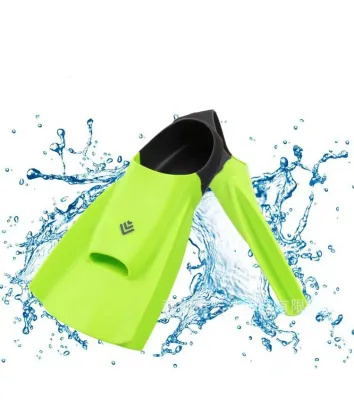
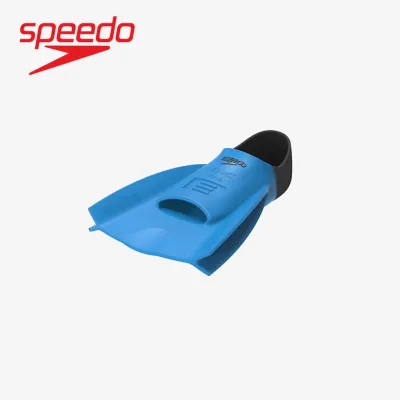
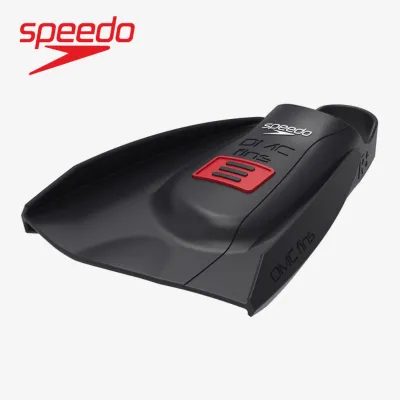
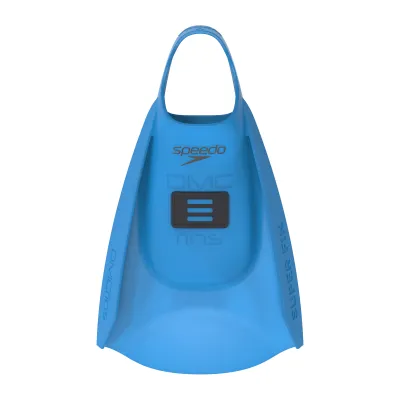
Prices are valid at publication and may change. Please refer to the product page for the latest price.
Blade length and stiffness play a massive role in how much effort is required to kick. Long, rigid blades displace a large volume of water, which provides powerful propulsion but demands immense effort from your quadriceps, hamstrings, and hip flexors. For a beginner, this high resistance quickly leads to fatigue and cramping. Shorter, more flexible blades require far less energy to move through the water, allowing you to maintain a relaxed, high-frequency kicking rhythm. Additionally, short blades offer superior spatial awareness and control, making it much easier to steer clear of delicate coral reefs and shallow rock formations where a long fin might accidentally strike and damage the marine environment.
Foot pocket design is another critical factor that directly influences your comfort and safety. Full-foot pockets, which completely enclose the heel, are generally preferred for warm-water snorkeling. They provide a streamlined, secure fit that maximizes energy transfer from your leg to the blade without the added drag of adjustable straps or heavy buckles. A soft, ergonomic foot pocket prevents friction against your skin, allowing you to swim barefoot for extended periods without developing painful hot spots or blisters. This seamless connection to your foot ensures the fin moves as a natural extension of your body.
Finally, weight and travel footprint are highly practical considerations for any snorkeler. Many of the best snorkeling destinations require traveling to tropical regions, where luggage space and weight limits are premium concerns. Heavy, bulky dive fins can be incredibly cumbersome to pack and carry to remote beach entry points. Compact, lightweight fins are not only easier to fit into a standard backpack or carry-on bag, but they also reduce the downward pull on your legs while swimming, helping you maintain a flat, buoyant position at the surface without constant effort.
Matching DMC Fin Designs to Snorkeling Needs
When exploring the DMC catalog, you will encounter a variety of designs tailored to different water sports. Understanding how these categories align with beginner snorkeling is key to making the right purchase. Long-blade freediving fins, for instance, are engineered for deep, vertical descents where maximum thrust per kick is required. For a beginner snorkeler staying at the surface, these extra-long blades present a steep learning curve; they are awkward to maneuver, difficult to turn in tight spaces, and highly prone to breaking the surface of the water, which wastes energy and creates unnecessary splashing.

Instead, beginner snorkelers should focus on DMC’s short-blade designs, which are often developed for swim training, lifesaving, or bodyboarding. These compact paddle-style fins are exceptionally well-suited for surface swimming. They utilize a shorter, wider blade shape that provides excellent lateral stability, allowing you to change directions quickly and maintain your balance in choppy water. When browsing authorized retailers or specialist dive shops, look for models that feature a split-blade or channeled design, which helps direct water backward along the blade to maximize thrust while minimizing lateral spill and ankle strain.
Material composition is another area where DMC designs stand out, particularly through their extensive use of high-grade silicone. Traditional snorkeling fins are often made of cheap plastics, stiff polymers, or heavy vulcanized rubber. While plastic fins are inexpensive, they can be stiff and prone to cracking over time. Silicone, on the other hand, offers a unique combination of extreme flexibility, durability, and comfort. It is highly resistant to UV damage and saltwater degradation, ensuring the fins maintain their physical properties for years. More importantly, silicone is incredibly soft against the skin, virtually eliminating the chafing and pinching common with stiffer materials.
While advanced materials like carbon fiber and fiberglass exist in the diving world, they are highly fragile, expensive, and entirely unnecessary for casual snorkeling. A high-quality silicone or flexible polymer short-blade fin provides more than enough performance for a beginner while offering a highly forgiving flex pattern. This flexibility acts as a shock absorber for your joints, smoothing out uneven kicking motions and allowing you to focus on the marine life around you rather than the mechanics of your feet.
How to Verify Sizing and Foot Pocket Fit
Securing the correct fit is the single most important factor in ensuring your fins perform well and remain comfortable throughout your swim. A fin that is too tight will restrict blood circulation, leading to rapid cramping and cold toes, while a fin that is too loose will wobble, slip off in a current, or cause severe friction blisters. Because sizing standards vary significantly between footwear brands and swim gear manufacturers, you should never assume your standard street shoe size will translate directly to a fin size.
To find your correct size, start by measuring the actual length and width of your bare foot in millimeters. Place your foot flat on a piece of paper, trace the outline, and measure from the back of your heel to the tip of your longest toe. Compare these precise measurements directly to the manufacturer’s specific size chart for the exact model you are considering. Pay close attention to the width of the foot pocket; some models are designed with a narrow, streamlined profile, while others feature a wider, more accommodating pocket that is ideal for high arches or wider feet.
When trying on full-foot fins at home, do so on a clean, carpeted surface to avoid scratching the blades. Slide your foot completely into the pocket and stand up. The fit should feel snug and secure, wrapping around your foot like a second skin, with no painful pressure points along the top of your foot or the sides of your toes. Your toes should lie flat and not be forced to curl at the front of the pocket. Walk a few steps and gently lift your heel; if your heel slips out of the pocket easily, the fins are too large and will likely slide off once you enter the water.
It is important to remember that materials like silicone and soft rubber will naturally soften and expand slightly when submerged in water. A fit that feels very snug on land often becomes perfectly comfortable once wet, as water acts as a natural lubricant. If you find yourself between sizes, or if you have particularly sensitive skin, consider investing in a pair of thin neoprene socks. A small investment of S$20 to S$40 for a pair of 1mm or 2mm neoprene socks can bridge the gap between sizes, provide excellent thermal protection in cooler water, and act as a highly effective barrier against friction and blisters.
Your Pre-Purchase Selection Checklist
Before finalizing your purchase and heading out to the water, take a moment to run through a practical checklist to ensure your selected fins match your specific needs and environment. First, perform an environment check. If you plan to snorkel primarily in calm, shallow lagoons or protected bays, highly flexible, short-blade silicone fins are the perfect choice. However, if you anticipate encountering mild tidal currents or plan to swim longer distances from shore, you may want to opt for a slightly stiffer polymer blade that offers a bit more structural support and stronger propulsion when you need to cover ground.
Next, evaluate gear compatibility. Ensure your fins work harmoniously with the rest of your snorkeling setup. If you wear a high-buoyancy snorkeling vest, your fins should help you maintain a balanced, horizontal swimming position rather than pulling your legs downward. Consider how you will enter the water; if you must walk across sharp, rocky shorelines or hot sand to reach the entry point, you will need a plan for carrying your fins while wearing protective water shoes, or you must select a model that can accommodate thin neoprene booties.
Finally, carefully review the policies of the retailer you are purchasing from. Because achieving a perfect fit is so critical for safety and comfort, always buy from authorized sporting goods stores or official brand shops that offer clear, hassle-free return and exchange policies. Ensure you can return the fins for a different size if they do not fit correctly during your dry try-on at home. Check the manufacturer’s warranty terms to protect your investment against any unexpected material defects, ensuring your new gear is ready for many successful snorkeling trips to come.
Frequently Asked Questions (FAQ)
Can beginners use long-blade DMC freediving fins for snorkeling?
While it is physically possible to use long-blade freediving fins for snorkeling, they are not recommended for beginners. Their extreme length and stiffness require specialized leg strength and a specific kicking technique to avoid rapid fatigue and cramping. Furthermore, long blades are highly difficult to maneuver in shallow water, making it easy to accidentally strike and damage fragile coral reefs or scrape against rocks.
How should DMC full-foot fins fit out of the water?
On land, DMC full-foot fins should feel snug, secure, and comfortable, wrapping around your foot without pinching or creating tight pressure points. Your toes should not be forced to curl, and your heel should not slip out when you walk or lift your foot. Keep in mind that silicone and rubber materials soften and expand slightly when wet, so a snug dry fit is ideal for preventing the fins from slipping off in the water.
What is the best way to rinse and store DMC fins after saltwater use?
To preserve the elasticity and durability of your fins, always rinse them thoroughly with clean, fresh water after every use in saltwater or chlorinated pools. This removes destructive salt crystals, sand, and chemicals. Allow them to air dry completely in a shaded, well-ventilated area away from direct sunlight, as prolonged UV exposure can degrade silicone. Store them flat or hang them by the heel to prevent the blades from bending or warping.

Community discussion
Share your experience or ask a question. Comments are reviewed before publication.