
Finding a reliable foam yoga block in Singapore requires looking beyond aesthetic appeal to evaluate material density, structural integrity, and retail authenticity. With the local market flooded with options ranging from budget generic imports to premium international fitness labels, making an informed choice ensures your props provide safe, stable support during your practice. By understanding the physical characteristics of high-quality foam and matching them to your specific training needs, you can select a block that offers lasting durability and excellent value.
To identify a foam block brand worth your investment, you must focus on the physical metrics of the product rather than marketing claims. A worthy brand will provide clear specifications regarding material composition, density, and manufacturing standards. In Singapore’s warm and humid climate, choosing the right foam block also means considering how the material responds to sweat, humidity, and frequent cleaning, ensuring your prop remains hygienic and structurally sound over years of use.
Key Criteria for Evaluating Foam Yoga Block Brands
Evaluating the quality of a foam yoga block begins with analyzing the density of the Ethylene-Vinyl Acetate (EVA) foam. High-density EVA foam is the industry standard for quality yoga props because it resists compression under body weight. When testing a block, apply firm pressure with your thumb; a high-quality block will yield slightly to protect your joints but will immediately spring back without leaving a permanent indentation. Low-density foam blocks feel squishy, bottom out easily during weight-bearing poses, and compromise your balance.
Products mentioned in this guide
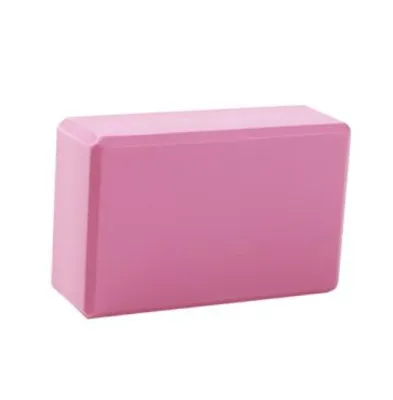
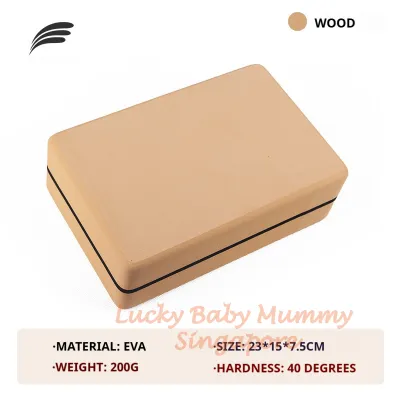
Prices are valid at publication and may change. Please refer to the product page for the latest price.
Dimensions play a critical role in how a block accommodates your body type and flexibility level. The standard industry size is approximately 9 x 6 x 4 inches (23 x 15 x 10 cm), which offers three distinct heights to support different poses. Some brands offer slim or compact variations, typically reducing the width to 3 inches (7.5 cm). While compact blocks are lighter and easier to pack, they provide a smaller surface area and less elevation, making them less suitable for practitioners with tight hamstrings or shoulders who require maximum height to bring the floor closer to them.
Surface texture and edge geometry are essential for safety and comfort during active practices. Look for brands that feature a slip-resistant, matte, or micro-textured surface that maintains grip even when your hands are damp. Bevelled edges are another hallmark of a well-designed block. Sloped edges distribute your body weight more evenly across your palms and wrists, preventing the sharp, hard corners of the block from digging into your skin or causing joint discomfort during deep stretches and weight-bearing poses.
Matching Block Specifications to Your Practice Style
Your preferred style of yoga dictates the specific foam block characteristics you should prioritize. In restorative and Yin yoga, poses are held for several minutes at a time, requiring props that offer comfortable, prolonged support. For these gentle practices, a slightly softer, larger foam block is highly beneficial. It provides a forgiving surface for the sacrum, spine, or knees, preventing the bruising or deep discomfort that can occur when resting on harder materials like wood or cork for extended periods.

Active and dynamic styles such as Vinyasa, Ashtanga, or Power Yoga demand maximum stability and quick transitions. In these practices, the block often acts as a platform for arm balances, jump-throughs, or deep standing splits. For these disciplines, you must choose an ultra-high-density foam block that behaves almost as rigidly as cork. The block must not wobble, flex, or compress when you place your full body weight on it, ensuring your wrists remain stable and your alignment is preserved.
For practitioners who commute to yoga studios across Singapore, portability is a primary consideration. Carrying heavy cork or wood blocks in a tote bag on the MRT or bus can quickly become exhausting. Foam blocks are exceptionally lightweight, typically weighing between 150 and 300 grams. If you commute regularly, look for high-density foam brands that offer slightly narrower profiles, as they slide easily into standard backpacks and gym bags without adding unnecessary bulk or weight to your daily carry.
Navigating Retail Channels and Verifying Authenticity in Singapore
To ensure you are purchasing a genuine, high-quality foam block rather than a cheap counterfeit made from low-grade industrial foam, buy directly from authorized sports retailers, specialty yoga studios, or official brand storefronts. Physical showrooms located in Singapore’s central shopping districts or suburban hubs allow you to physically inspect the block, test its density, and check for any manufacturing defects before making a purchase.
When shopping on online marketplaces or e-commerce platforms, verify the seller’s credentials carefully. Look for official brand mall badges, high seller ratings, and clear return policies. Reputable brands and authorized distributors will typically offer a straightforward return window if the product arrives warped, damaged, or with a strong chemical odor. Avoid listings that lack detailed material specifications or those that use generic, unbranded stock images.
Checking localized user reviews is incredibly valuable for assessing how a foam block performs in Singapore’s unique environment. High relative humidity can accelerate the degradation of cheap adhesives and low-quality foams, leading to premature crumbling or a persistent, sour chemical smell. Look for feedback from local buyers who comment on the block’s long-term durability, whether it retains its shape after months of sweaty practice, and if it emits any unpleasant off-gassing odors when unpacked.
Assessing Value for Money Across Different Price Tiers
Understanding what features to expect at different price points helps you determine which foam block brand aligns with your budget and practice frequency. Entry-level foam blocks, typically priced under S$15, are generally made from basic, lower-density EVA foam. While highly affordable and suitable for occasional home stretching or gentle use, they tend to compress easily under heavy loads, often lack bevelled edges, and may degrade or lose their shape faster over time.
Mid-range foam blocks, ranging from S$15 to S$30, represent the sweet spot for most regular practitioners. In this tier, brands offer significantly higher-density EVA foam that resists compression, well-finished bevelled edges, and textured surfaces for enhanced grip. These blocks are durable enough to withstand daily studio use and provide the reliable stability needed for both active and restorative practices without requiring a premium investment.
Premium foam blocks, priced above S$30, justify their cost through specialized material formulations and eco-friendly manufacturing processes. These brands often use closed-cell, non-toxic, or recycled EVA foam that is virtually indestructible under normal conditions. They offer superior slip resistance, do not absorb moisture or sweat, and are backed by eco-certifications and extended warranties. For dedicated yogis who practice daily, a premium block offers the lowest cost-per-use over its lifespan.
Frequently Asked Questions (FAQ)
How should I clean and maintain a foam yoga block?
To clean a foam yoga block, wipe the surface gently with a damp cloth and a few drops of mild, diluted dish soap after every sweaty practice session. Avoid using harsh chemical cleaners, bleach, or abrasive scrubbing pads, as these can break down the delicate cell structure of the EVA foam and ruin the textured grip. Never submerge the block completely in water or place it in a washing machine, as trapped moisture can lead to internal mold growth. Always allow the block to air-dry completely in a well-ventilated, shaded indoor area away from direct sunlight before storing it.
Should beginners choose foam over cork or wood blocks?
Foam blocks are highly recommended for beginners due to their lightweight nature and forgiving texture. When you are first developing flexibility and strength, your body requires a prop that is gentle on sensitive areas like the spine, hips, and knees. Foam provides a comfortable cushion that makes restorative poses accessible and pain-free. While cork and wood blocks offer excellent stability for advanced balances, they are much heavier and can feel uncomfortably hard or painful for beginners with tight muscles. As your practice evolves, you can introduce denser materials if your stability needs change.
Community discussion
Share your experience or ask a question. Comments are reviewed before publication.