
Selecting the ideal football boots for regular training sessions requires prioritizing structural durability, consistent comfort, and surface-appropriate traction over the ultra-lightweight, thin-skinned designs typical of match-day footwear. Because training involves high-frequency drills, repetitive mechanical stress, and extended wear, the best boots for this purpose feature robust synthetic or reinforced leather uppers, cushioned midsoles, and multi-ground (MG) or artificial grass (AG) outsoles. This focus ensures your feet remain supported through cumulative training loads while protecting your financial investment from premature wear.
Understanding the Demands of Regular Football Practice
Regular football practice subjects footwear to physical demands that differ from a standard ninety-minute match. Match movements are highly explosive but intermittent. In contrast, a typical training session consists of repetitive, high-frequency drills, continuous passing patterns, and agility exercises that keep you in constant motion.
This continuous activity accelerates mechanical wear on both the upper materials and the outsole. Constant friction against the pitch, especially on modern artificial turf, generates heat and abrasion that quickly degrades lightweight materials. Furthermore, the cumulative physical load of training multiple times a week increases the risk of overuse injuries if your footwear lacks adequate support. Prioritizing boots designed for these daily rigors is essential for maintaining foot health.
Products mentioned in this guide
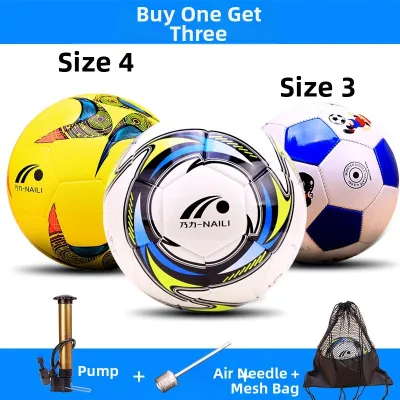
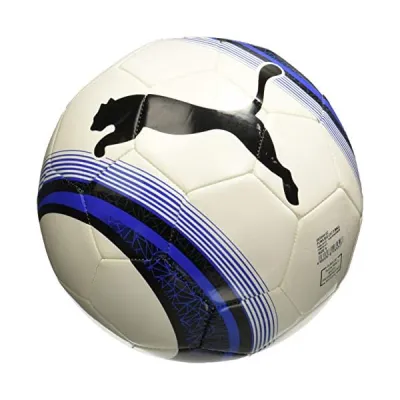
Prices are valid at publication and may change. Please refer to the product page for the latest price.
Key Features to Prioritize for Training Boots
When selecting a boot for regular practice, it is helpful to understand the trade-offs between premium match-day models and robust training constructions. While match boots use ultra-thin, lightweight materials to maximize ball feel, training boots prioritize structural integrity, impact absorption, and long-term wear resistance.

Durability and Material Construction
The choice of upper material directly influences how well your boots survive the friction of daily drills. Synthetic leathers are highly recommended for training because they offer excellent abrasion resistance, do not stretch excessively, and resist water absorption during wet-weather sessions. Reinforced mesh uppers with thermoplastic polyurethane (TPU) skins also provide a good balance of breathability and durability.
If you prefer traditional leather, calfskin is a durable option that molds comfortably to the foot, though it requires more maintenance. Regardless of the material, look for structural reinforcements in high-wear zones. Double stitching along the seam where the upper meets the soleplate, as well as rubberized textured overlays on the toe box, will significantly extend the boot’s lifespan. Always check the manufacturer’s specifications for details on material durability.
Comfort, Cushioning, and Fit
Repetitive drills on hard surfaces can lead to joint fatigue and blisters if your boots lack proper cushioning. Look for training boots that incorporate dedicated midsole cushioning, such as EVA or proprietary foam inserts, which help absorb impact forces. Generous heel padding and a soft internal lining are also essential to prevent friction and secure the foot in place.
Fit is another critical factor, as feet naturally swell during prolonged exercise, particularly in warm and humid climates. Choosing a boot with a slightly wider, more accommodating toe box allows for this natural expansion without causing painful pressure points. Additionally, verify that the internal lining materials are breathable and designed for moisture management, which helps keep your feet dry.
Matching Boot Types to Training Surfaces
Using the wrong outsole configuration on your training ground can lead to premature boot damage and increase the risk of slips or joint strain. Football boots are engineered with specific stud patterns designed for distinct playing surfaces, and matching them correctly is vital for safety.
Firm Ground (FG) boots feature longer, triangular or bladed studs designed to penetrate natural grass. When used on artificial turf, these studs cannot penetrate the hard sub-base, leading to intense stud pressure on the sole of your foot and dangerous rotational grip that can strain your knees and ankles. For artificial pitches, which are highly common in community sports hubs, Artificial Grass (AG) boots are the appropriate choice. They feature more numerous, shorter, and hollow studs that distribute your weight evenly and slide safely on synthetic blades.
Multi-Ground (MG) boots offer a versatile alternative, featuring a hybrid stud pattern designed to perform reliably on both short natural grass and artificial turf. Before purchasing, inspect your local training pitch. If the turf is thin, worn, or laid over concrete, opt for AG or turf (TF) shoes with rubber multi-stud outsoles. Always cross-reference the pitch conditions with the manufacturer’s outsole labels to ensure compatibility.
Building a Practical Training Boot Shortlist
To find the right training boots without overspending, establish a clear decision matrix based on your training environment, foot shape, and budget. For a dedicated training boot, setting a practical budget of S$100 to S$180 is often sufficient to secure a highly durable, mid-tier model without paying the premium prices associated with elite match-day footwear.
Begin your selection by filtering online catalogs or retail shelves by the correct outsole type for your primary training surface. Next, narrow down your options by matching the boot’s silhouette to your foot shape; players with wider feet should look for models known for accommodating fits or natural leather uppers that stretch. Once you have a shortlist, read the manufacturer’s user manuals or product specifications online to verify the materials used and any specific care instructions.
The final step should always be a physical try-on check. Wear the exact socks you plan to train in, lace the boots fully, and check for a thumb’s width of space between your longest toe and the end of the boot. Walk and jog in place to ensure there is no heel slippage. If you have flat feet, high arches, or experience persistent discomfort during training, consider consulting a specialized sports retailer or a podiatrist who can recommend appropriate insoles or structural support.
Maintenance Tips to Extend Boot Lifespan
A consistent maintenance routine is the simplest way to protect your training boots from premature degradation and keep them performing well over many months. After every training session, take a few minutes to clean your boots rather than leaving them in your gear bag.
Start by removing loose mud and dirt with a soft-bristled brush, then wipe down synthetic uppers with a damp cloth to remove sweat and grime. If your boots are wet, stuff them with crumpled newspaper to absorb internal moisture and let them air-dry naturally in a well-ventilated indoor space. Never expose them to direct heat sources, such as hair dryers or intense midday sunlight, as extreme heat can dry out leather and melt the adhesives holding the soleplate to the upper.
Before lacing up for your next session, perform a quick visual inspection. Check the studs for uneven wear and examine the soleplate for any signs of cracking or separation from the upper. If you notice minor peeling, address it early, but if the soleplate begins to detach significantly or the cushioning feels completely flat, it is time to retire the boots to prevent injury.
Frequently Asked Questions (FAQ)
Can I use my match-day boots for regular football practice?
While you can use match-day boots for practice, doing so is generally inefficient. Match-day boots are designed with ultra-thin, lightweight materials optimized for performance rather than durability, meaning they will wear out much faster under the repetitive stress of daily training. Reserving your premium boots for match days and using a dedicated, robust pair for practice extends the lifespan of both.
How often should I replace my football training boots?
There is no fixed calendar date for replacing training boots, as lifespan depends on training frequency, surface abrasiveness, and your running style. Instead, monitor your boots for physical signs of wear. You should replace them when the studs are worn flat, the upper stitching begins to unravel, or you start experiencing unusual joint or muscle fatigue, which indicates the midsole cushioning has degraded.
Community discussion
Share your experience or ask a question. Comments are reviewed before publication.