
Finding the right gymnastic rings for your child in Singapore involves much more than simply picking the first colorful set you see online. While gymnastic rings are excellent for developing upper body strength, coordination, and core stability, standard adult rings are structurally and ergonomically unsuitable for children. To ensure a safe and productive play or training environment, parents must prioritize safety certifications, appropriate sizing, and reliable brand features over generic, one-size-fits-all equipment. This guide outlines the essential evaluation criteria, material differences, and safety checks required to identify trustworthy gymnastic rings for kids, helping you make an informed decision based on verifiable specifications rather than marketing hype.
Why Kids Need Specific Gymnastic Rings
Children are not just smaller adults; their physical proportions, grip strength, and biomechanics require equipment tailored specifically to their developmental stage. Standard adult gymnastic rings typically feature a grip diameter of 28 to 32 millimeters. For a child’s smaller hands, grasping a ring of this thickness is not only uncomfortable but also highly insecure. An improper grip span prevents the child from wrapping their fingers completely around the ring, leading to rapid hand fatigue, premature muscle strain, and an increased risk of slipping off mid-exercise. Kids’ gymnastic rings generally feature a reduced grip diameter, often between 18 and 25 millimeters, allowing for a secure, closed-fist grip that supports natural hand development.
Beyond ergonomics, the physics of how children use gymnastic rings demands specialized equipment. While a child weighs significantly less than an adult, their movements are often highly dynamic, involving swinging, twisting, and sudden drops. These actions generate dynamic loads that far exceed the child’s static body weight. Equipment designed specifically for children must account for these rapid force spikes with appropriate elasticity and structural integrity in both the rings and the suspension straps.
Products mentioned in this guide
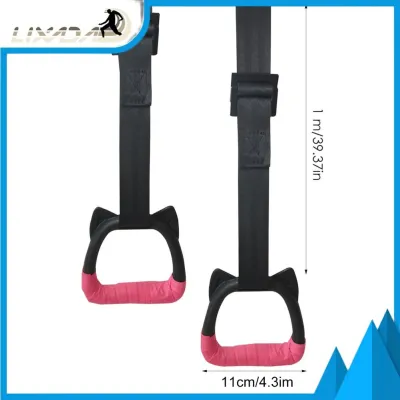
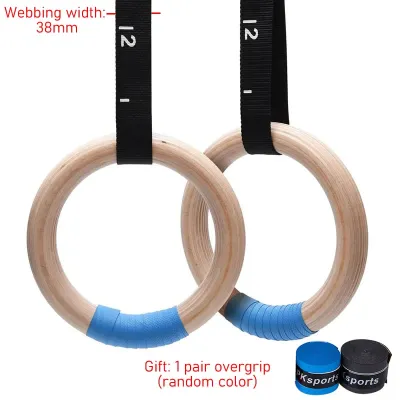
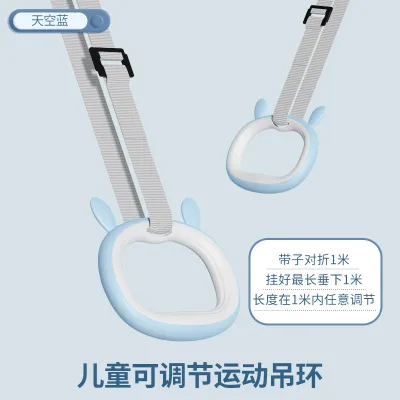
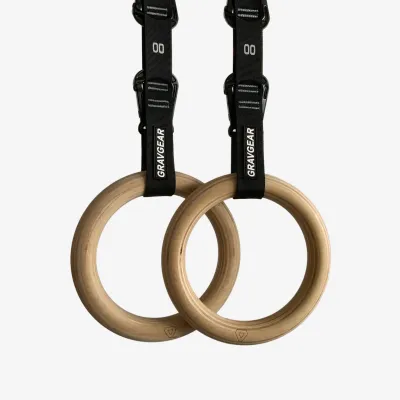
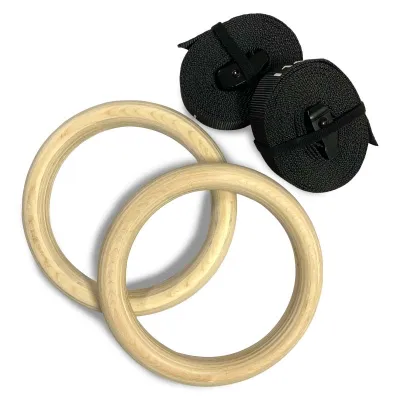
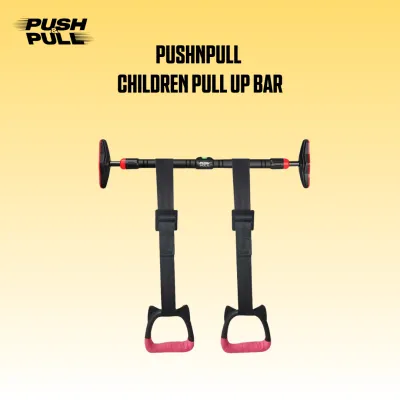
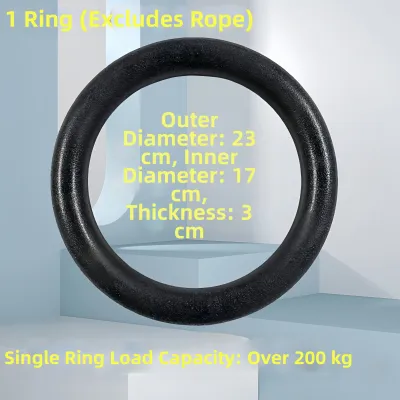
Prices are valid at publication and may change. Please refer to the product page for the latest price.
Furthermore, the spatial constraints of typical Singaporean homes, such as HDB flats and condominiums, require careful consideration of strap length and adjustment mechanisms. Adult strap systems are often designed for high-ceiling commercial gyms, featuring long, heavy webbing that is cumbersome to adjust in a residential setting. Children’s ring systems are optimized for lower mounting heights, offering shorter strap lengths that prevent excess webbing from dangling and creating tripping or entanglement hazards. These systems also feature simplified adjustment mechanisms, allowing parents to quickly alter the height as the child progresses or transitions between different exercises.
Essential Safety and Design Features
When evaluating gymnastic rings for children, parents should look past aesthetic designs and focus on structural specifications. High-quality equipment is defined by three main pillars: material and sizing, suspension hardware, and load ratings. Every feature must be verified against official manufacturer specifications rather than vague product descriptions on online marketplaces.

Ring Material and Diameter
The material of the ring directly impacts grip security, comfort, and durability. Wood, typically birch or maple, is widely considered the gold standard for indoor gymnastic rings. Natural wood provides a textured surface that absorbs moisture from sweaty palms, maintaining a reliable grip without requiring excessive chalk. For children, whose skin is more sensitive, high-quality wooden rings must be finely sanded to ensure there are no splinters, rough patches, or uneven joints.
Synthetic materials, such as high-density polyethylene (HDPE) or textured polycarbonate, offer an alternative, particularly for outdoor use or semi-outdoor spaces like balconies and patios. While plastic rings are highly weather-resistant and easy to clean, they can become slippery when wet or sweaty. If opting for synthetic rings, look for models with molded-in textures or those that include non-slip grip tape. Regardless of the material, always check the manufacturer’s specifications for the exact outer and inner diameters, ensuring they align with your child’s age group and hand span.
Strap Durability and Buckle Types
The straps and buckles are the primary safety line of any gymnastic ring setup. High-quality straps are constructed from heavy-duty nylon or polyester webbing, similar to the material used in automotive seatbelts. This webbing should feature tight, high-density weaving that resists fraying and stretching under tension. Look for straps that have clearly printed or sewn-in weight limit tags, indicating that the material has undergone standardized load testing.
The buckle mechanism is equally critical. Cam buckles, which utilize a spring-loaded metal clamp with teeth to grip the strap, are the most common and reliable choice for home setups. The teeth must be sharp and deep enough to bite firmly into the webbing without causing premature wear. Avoid cheap, lightweight plastic buckles or low-grade metal clamps that can slip under sudden dynamic loads. Inspect the stitching where the strap connects to the buckle; look for reinforced patterns, such as a box-X stitch, which distributes tension evenly across the fabric and prevents seam failure.
Weight Capacity and Safety Margins
Understanding weight capacity ratings is essential for preventing equipment failure. Manufacturers typically list a static weight limit, which refers to the maximum weight the rings can support when hanging completely still. However, active play—such as swinging, spinning, or performing pull-ups—creates dynamic forces that multiply the effective weight on the straps and anchors.
To ensure an adequate safety margin, parents should apply a safety buffer rule. Choose equipment with a rated weight capacity that is at least three to four times the child’s actual body weight. For example, if your child weighs 25 kilograms, the ring system should have a verified weight rating of at least 75 to 100 kilograms. This buffer accommodates the sudden force spikes of active play and accounts for the natural wear and tear of the materials over time.
How to Identify Trustworthy Brands and Sellers
Navigating online marketplaces in Singapore can be challenging due to the abundance of unbranded, low-cost fitness equipment. To protect your child, it is crucial to distinguish reputable manufacturers from generic sellers who may cut corners on material quality and safety testing.
Start by cross-referencing the product specifications listed on e-commerce platforms with the manufacturer’s official website. Trustworthy brands maintain transparent online profiles, providing detailed user manuals, material safety data sheets, and clear warranty terms. If a seller’s listing contains vague descriptions like “high-strength material” without specifying the exact plastic polymer or wood type, treat it as a red flag.
Reputable brands also invest in third-party safety certifications, such as TUV, GS, or CE markings. These certifications indicate that the equipment has been independently tested for structural integrity, chemical safety, and mechanical reliability. Be skeptical of listings that display these logos as low-resolution images without providing a corresponding certificate number or test report that can be verified online.
Another critical indicator of brand credibility is the clarity of their installation and safety instructions. Trustworthy manufacturers provide comprehensive guides detailing suitable anchor points, step-by-step mounting procedures, and clear age recommendations. Conversely, generic sellers often provide minimal or poorly translated instructions, leaving parents to guess how to set up the equipment safely. Avoid purchasing unusually cheap ring sets; saving a small amount of money is not worth the risk of a structural failure during use.
Installation and Pre-Use Safety Checks
Even the highest-quality gymnastic rings can become hazardous if installed incorrectly. In Singapore, where residential concrete ceilings and structural beams are common, securing reliable anchor points requires careful planning.
If you are mounting the rings indoors, the most secure option is a dedicated ceiling anchor bolted directly into a structural concrete slab. This requires heavy-duty expansion bolts or concrete anchors. Never mount gymnastic rings to false ceilings, plasterboard, or drywall, as these materials cannot support dynamic loads and will collapse. Alternatively, a heavy-duty, door-frame pull-up bar that bolts into the wooden frame or wedges securely between solid concrete walls can serve as a temporary anchor point, provided the bar itself is rated for dynamic gymnastics use.
Once the anchor point is secured, establish a safe clearance zone around the rings. There should be at least 1.5 to 2 meters of clear space in all directions, free from furniture, walls, sharp corners, or hard flooring. Always place a high-density foam crash mat or gymnastics mat directly beneath the rings to cushion landings and accidental falls.
Before every use, perform a quick three-step safety inspection:
- Inspect the Straps: Run your hands along the entire length of the webbing to check for fraying, cuts, or loose threads. Pay close attention to the areas that contact the buckle.
- Check the Buckles: Ensure the spring mechanism in the cam buckle operates smoothly and snaps shut tightly. Verify that the strap is threaded correctly through the buckle; threading it backward can cause the strap to slip instantly under weight.
- Examine the Rings: Inspect wooden rings for any signs of splitting, cracking, or splintering. For plastic rings, check for deep scratches, stress discoloration, or cracks around the strap slots. If any component shows signs of wear, suspend use immediately until the part is replaced.
Frequently Asked Questions (FAQ)
Can kids use adult gymnastic rings safely?
Generally, standard adult gymnastic rings are not recommended for young children due to ergonomic and safety concerns. The thicker grip diameter of adult rings (typically 28mm to 32mm) makes it difficult for small hands to maintain a secure hold, leading to rapid grip fatigue and an increased risk of falling. Additionally, adult strap systems are often excessively long, making them difficult to adjust safely within typical residential ceiling heights. However, older teenagers with hand spans comparable to adults may transition to standard rings, provided the straps are adjusted to a safe, low height and a high-quality crash mat is used.
How high should the rings be hung for beginners?
For children who are new to gymnastic rings, the equipment should be hung at a height where they can easily touch the ground with their flat feet or while slightly bending their knees. This low setup allows the child to maintain control, practice basic grip holds, and perform supported exercises like ring rows or assisted squats without the fear of falling. As the child builds upper body strength, core stability, and confidence, the rings can be gradually raised. However, the height should never exceed a level where the child cannot safely drop onto a protective crash mat.
Are wooden or plastic rings better for children?
The choice between wood and plastic depends primarily on where the rings will be installed and used. Wooden rings are highly recommended for indoor setups because they offer superior grip texture and naturally absorb sweat, reducing slippage without irritating sensitive skin. However, wood is susceptible to moisture damage and should not be left outdoors. Plastic or composite rings are highly durable, weather-resistant, and easy to wipe clean, making them ideal for outdoor playgrounds, balconies, or gardens. If choosing plastic, ensure the surface has a molded texture or use grip tape to prevent hands from slipping when wet.
Community discussion
Share your experience or ask a question. Comments are reviewed before publication.