
Selecting the right dragon boat seat for competitive racing in Singapore requires a careful balance of weight reduction, ergonomic power transfer, and high slip resistance under intense tropical humidity and saltwater exposure. Because water sports carry inherent physical risks, a high-performance seat should be viewed as a tool to optimize biomechanics rather than a substitute for proper paddling technique, core strength, or water safety training. Before upgrading your equipment, ensure you possess the swimming competency and physical conditioning required for high-cadence racing in open waters like the Kallang Basin or Marina Reservoir. Stop paddling immediately if you experience sharp lower back pain, severe chafing, or instability that compromises the balance of the boat.
While basic foam pads may cost under S$20, high-performance composite seats can range from S$80 to over S$200 per unit, making a structured procurement process essential for team budgets. To find the optimal seating solution for your crew, you must evaluate how different designs affect boat displacement, material durability, pelvic alignment, and boat compatibility.
Defining Performance Criteria for Racing Dragon Boat Seats
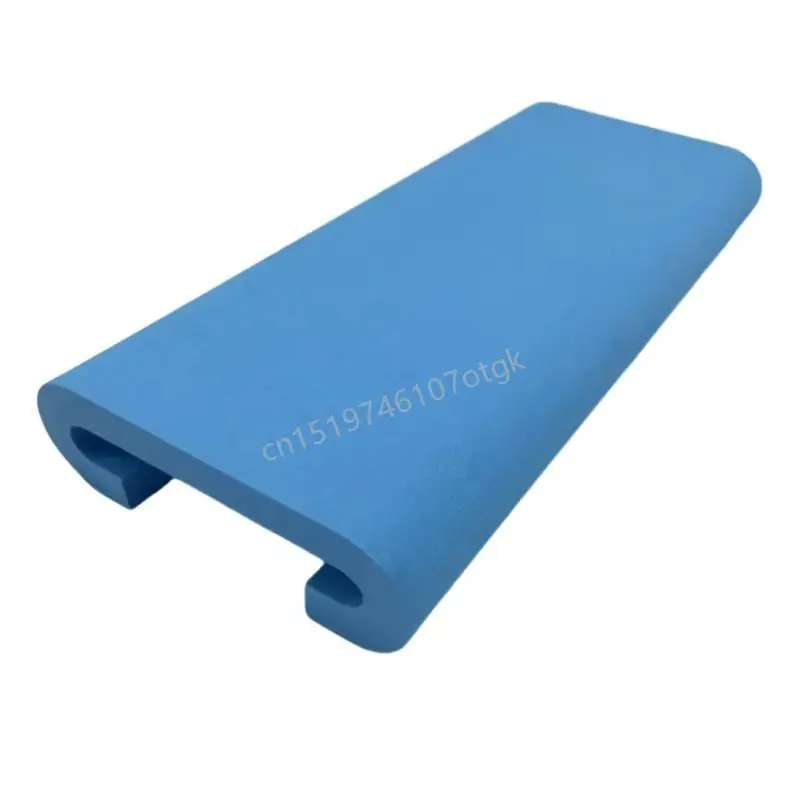
Every gram of weight added to a racing vessel influences its overall displacement, trim, and acceleration. In competitive dragon boating, where races are won or lost by fractions of a second, minimizing the weight of individual components is a primary engineering goal. Standard recreational seats or thick, heavy foam pads add unnecessary bulk that sits high in the boat, slightly raising the collective center of gravity. High-performance racing seats target minimal weight—often weighing under 250 grams—to ensure the boat remains as light and responsive as possible during the explosive start phases.
Products mentioned in this guide
![[SG 🚚] Dragon Boat Seat Lightweight Thick Cushion Dragon Boat Premium Shockproof Durable Non-slip Rowing Seat Pad Competition](https://img.lazcdn.com/g/p/682af89435ed5b75e7bba965c8aee3da.jpg_400x400q80.jpg_.webp)
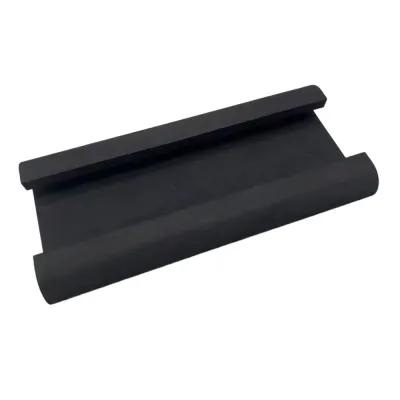
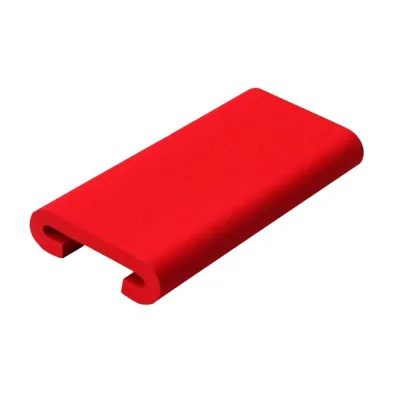
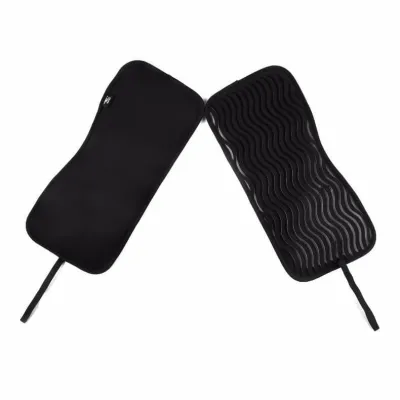
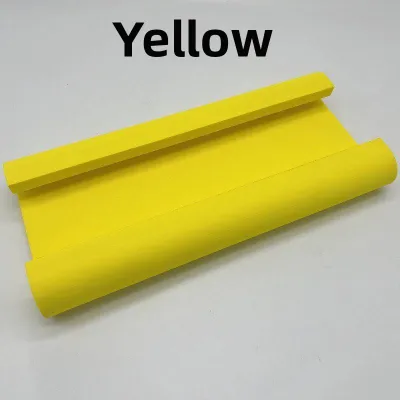
![[SG 🚚] Dragon Boat Flotation Thick Cushion Dragon Boat Seat Special Design Non-slip Light Weight Boats Cushion Boat](https://img.lazcdn.com/g/p/1f272b7d10c0935ce6ba89d464bacea6.jpg_400x400q80.jpg_.webp)

Prices are valid at publication and may change. Please refer to the product page for the latest price.
A seat’s hydrodynamic profile is equally critical for maintaining speed. During deep, high-cadence strokes, water inevitably splashes over the gunwales and into the hull. A poorly designed seat can trap water against the paddler’s body or allow it to pool on the bench, creating unnecessary drag and adding dead weight to the vessel. High-performance seats feature low-profile contours and integrated drainage channels that allow water to shed rapidly, keeping the seating surface clear and preventing water accumulation from disrupting the boat’s trim.
For competitive teams, standardization across all paddlers is essential for maintaining synchronized weight distribution. If team members use mismatched seats of varying heights and thicknesses, it alters their individual hip heights relative to the gunwale. This variance can disrupt the uniform angle of entry for the paddles, complicate synchronized timing, and make the boat’s roll unpredictable. Standardizing on a single, high-performance seat model ensures that every paddler sits at a consistent height, establishing a stable and uniform platform for the entire crew.
Assessing Materials and Structural Integrity
When evaluating high-performance seats, understanding the trade-offs between carbon fiber, fiberglass, and composite blends is essential. Carbon fiber offers the highest stiffness-to-weight ratio, ensuring that none of the paddler’s leg drive is lost to seat flex during the pull phase. However, carbon fiber is highly rigid and can be brittle under sudden impacts. Fiberglass is slightly heavier but offers excellent impact resistance and a minor degree of flex that some paddlers find more comfortable during long endurance sessions. Composite blends attempt to combine these properties, offering a balance of durability and stiffness.

Singapore’s tropical climate presents harsh environmental challenges, including intense UV radiation and high-salinity water. Before purchasing, check the manufacturer’s technical data sheets to verify that the seats feature UV-stabilized resins and marine-grade epoxy coatings. Without these protective layers, composite materials can degrade, yellow, and become brittle within a few months of exposure to the sun. Additionally, verify that any core materials used inside the seat consist of high-density, closed-cell foam that will not absorb water if the outer protective skin is punctured.
Before deploying new seats on the water, perform a thorough visual and tactile inspection of each unit. Run your fingers along the edges to check for smooth finishing, as rough or sharp composite edges can damage the boat’s wooden or fiberglass benches and cause severe skin abrasions. Inspect the surface for micro-cracks, stress fractures, or signs of delamination, particularly around mounting points or high-stress curves. Any structural imperfection can quickly expand under the repetitive, high-force loads of competitive paddling.
Optimizing Ergonomics and Power Transfer
An ergonomic seat design is vital for facilitating optimal hip hinge, pelvic rotation, and core engagement. Flat, unyielding surfaces force the lower back to compensate for the lack of support, leading to premature fatigue and potential strain. High-performance racing seats feature subtle pelvic tilts or contoured sit-bone recesses. This geometry coaxes the pelvis into a slight forward tilt, allowing the paddler to reach further forward during the catch phase without rounding the thoracic spine or straining the lumbar region.
Maintaining a secure connection to the seat is critical for preventing energy loss during the stroke. If a paddler slips backward or slides side-to-side on the bench, a portion of the force generated by the legs and core is wasted rather than being transferred to the paddle blade. Look for seats that incorporate aggressive surface textures, integrated silicone grip patterns, or specialized non-slip EVA foam overlays. The grip must be strong enough to lock the hips in place during the explosive pull phase, yet designed to allow the natural, smooth rotation of the torso without causing friction burns on the skin.
Because paddlers have varying leg lengths and heights, a one-size-fits-all seat may not provide optimal leverage for everyone. While dragon boat benches are fixed, aftermarket seats can help customize the fit. Verify if the seat design allows for minor adjustments in height or pitch, which can be achieved using tapered foam wedges or adjustable shim inserts. Raising a shorter paddler slightly can improve their leverage over the gunwale, while lowering a taller paddler can help stabilize the boat’s overall center of gravity in rough water conditions.
Verifying Boat Compatibility and Installation Fit
Before purchasing a fleet of seats, you must verify how they mount to your specific dragon boat hulls. Many competitive teams use removable seat pads or clamp-on systems that must fit securely onto standard IDBF-specification benches. Check the compatibility of any integrated track systems, adjustable bracket ranges, or strap mechanisms. Ensure that all mounting hardware is made from corrosion-resistant materials, such as marine-grade 316 stainless steel or titanium, to withstand constant exposure to saltwater without seizing or rusting.
Lateral clearance is another critical spatial check. Measure the width of the seat against the narrowest benches in your boat, which are typically located near the bow and stern. There must be sufficient clearance between the outer edge of the seat and the inner gunwale of the boat. If a seat is too wide, it can interfere with the paddler’s hand placement, scrape against the paddle shaft during the recovery phase, or rub against the inner hull, causing structural wear to both the boat and the equipment.
Before conducting full-team water trials, establish a strict protocol for testing structural load limits and fastener security on dry land. Secure the seat to a mock bench and have a paddler apply full body weight while simulating the aggressive movements of the start, transition, and finish phases of a race. Listen closely for any creaking, rattling, or slipping. Ensure that straps or clamps do not loosen under repetitive lateral forces, as a seat that shifts during a race can cause a paddler to lose balance and disrupt the entire boat’s rhythm.
Building a Procurement Shortlist for Your Team
When sourcing high-performance seats, look for specialized water sports manufacturers, including those that design seating for surfskis, outrigger canoes, or kayaks, as they often apply similar ergonomic principles to dragon boat gear. Request technical documentation, material samples, and demo units directly from the manufacturers. Avoid relying on unverified online rankings or generic product descriptions; instead, focus on verifiable material specifications, weight measurements, and structural warranties.
Once you have secured demo units, design a controlled on-water trial with a representative subset of your team’s paddlers. Have them test the seats across various distances, such as 200-meter sprints and 2-kilometer steady-state pieces. Gather objective feedback using a standardized evaluation sheet focusing on specific criteria:
- Stability: Does the seat remain firmly anchored to the bench during explosive starts?
- Grip: Does the surface texture prevent slipping when wet without causing skin chafing?
- Rotation: Does the contour allow for unrestricted hip rotation during the stroke?
- Comfort: Do paddlers experience any numbness or pressure points after 45 minutes of continuous use?
Finally, evaluate the commercial terms before placing a bulk order. Inquire about bulk pricing discounts, custom molding options—such as adding your team’s colors or logo—and the lead times for manufacturing and shipping to Singapore. Carefully review the warranty terms to ensure they cover saltwater damage, UV degradation, and delamination. Additionally, confirm the availability of replacement parts, such as replacement straps or grip pads, to ensure your investment remains viable for multiple racing seasons.
Frequently Asked Questions (FAQ)
How do racing regulations dictate dragon boat seat dimensions?
Governing bodies, such as the International Dragon Boat Federation (IDBF) and local affiliate associations, enforce strict rules regarding equipment modifications to ensure fair competition. Generally, aftermarket seat pads or seats must not exceed a specific thickness, which typically ranges between 15mm and 20mm, though teams must verify the exact limits in the current IDBF Competition Regulations before competing. Sliding seats are strictly prohibited; the seat must remain fixed to the bench. Additionally, any added seat must not compromise the boat’s built-in buoyancy or safety features.
What is the recommended maintenance routine for composite racing seats?
To prevent premature degradation in Singapore’s tropical, high-salinity environment, rinse your composite seats thoroughly with fresh water after every training session to remove salt crystals, silt, and sweat. Dry them completely with a microfiber cloth before storing them. Store the seats in a cool, dry, shaded area away from direct sunlight to prevent UV degradation of the epoxy resins and thermal warping. Periodically inspect all metal hardware for signs of galvanic corrosion and apply a thin layer of marine-grade anti-seize lubricant to fasteners if necessary.
Community discussion
Share your experience or ask a question. Comments are reviewed before publication.