
Adult kite flying in Singapore has evolved far beyond simple weekend leisure; it is a highly technical hobby that demands specialized equipment capable of handling unique coastal winds and urban spaces. To find the highest quality kites for adults, flyers must look beyond mass-market novelty toys and focus on manufacturers that specialize in advanced structural materials, reinforced sail fabrics, and precise aerodynamic designs. Evaluating a brand requires analyzing its material specifications, the availability of replacement parts, and how well its designs adapt to local flying conditions at venues like Marina Barrage or East Coast Park.
Rather than relying on unverified marketing claims or generic listings on online marketplaces, experienced flyers assess quality through observable construction details. High-quality adult kites are engineered to withstand significant wind load, offer responsive control, and survive the occasional hard landing. By understanding the technical differences in frame construction, sail durability, and aerodynamic design, you can make an informed investment that delivers stable flights and long-term durability.
How Adult Kites Differ from Children's Toys
The primary distinction between adult kites and children’s toys lies in the structural engineering and the quality of the materials used. Children’s kites are typically designed for brief visual novelty, utilizing heavy, solid plastic or fragile bamboo spars that warp easily under tension. In contrast, premium adult kites utilize lightweight, high-tensile spars made from carbon fiber or wrapped fiberglass. Carbon fiber offers an exceptional stiffness-to-weight ratio, allowing the kite to maintain its aerodynamic shape in strong winds without bending or collapsing, while wrapped fiberglass provides the necessary flexibility and impact resistance for sport and stunt maneuvers.
Products mentioned in this guide
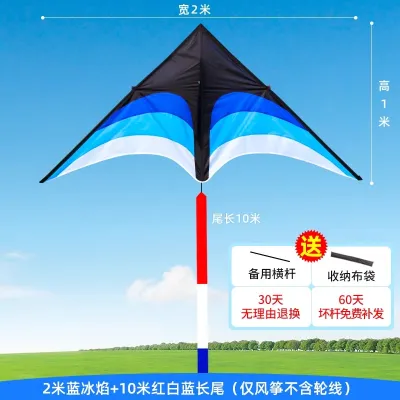
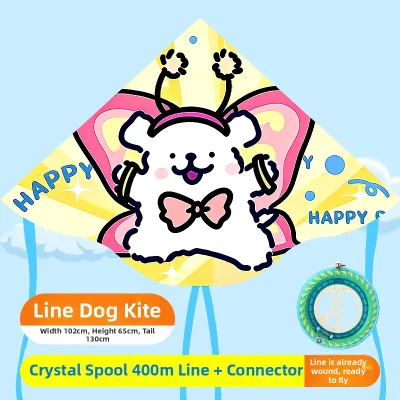
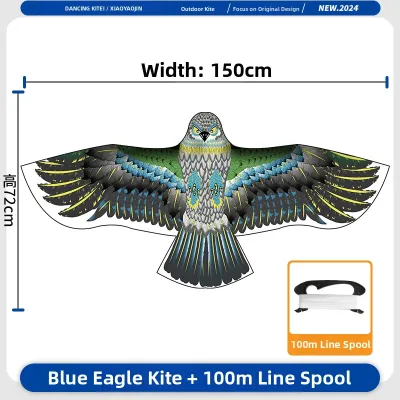
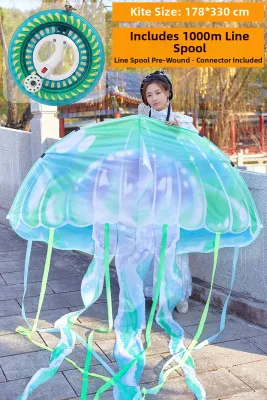
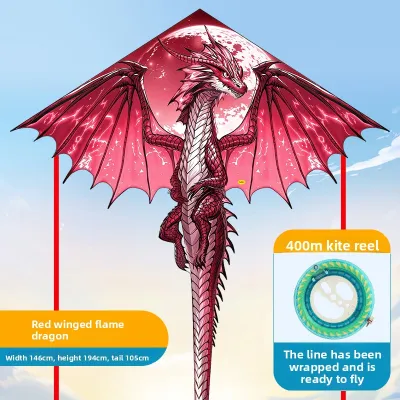
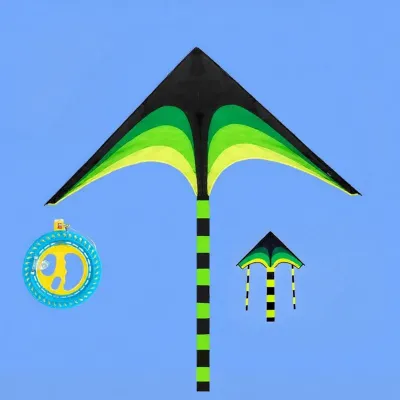


Prices are valid at publication and may change. Please refer to the product page for the latest price.
Sail materials also represent a major engineering gap between recreational toys and adult-grade models. Cheap toys often use thin, non-reinforced plastics or lightweight paper that tears easily at the seams under moderate wind pressure. High-quality adult kites feature sails constructed from ripstop nylon or ripstop polyester, often treated with specialized polyurethane or ultraviolet-resistant coatings. Ripstop fabrics are woven with a grid of thicker, high-strength threads at regular intervals, which prevents small punctures or snags from spreading into catastrophic tears during high-velocity flights.
Aerodynamic design and bridle geometry further separate these two categories. Children’s kites usually feature a simple, fixed single-point bridle that offers no adjustability for varying wind speeds. Adult kites employ complex, multi-point bridle systems made from low-stretch braided lines that distribute wind load evenly across the frame. These advanced bridles allow flyers to adjust the kite’s angle of attack, optimizing performance for either light breezes or strong coastal gusts.
Finally, the intended use of the kite dictates its overall construction. While a child’s toy is built for low-altitude, low-tension play, adult kites are engineered for sustained high-altitude flights, high-speed precision maneuvers, or generating significant physical pull. This requires robust connection points, reinforced nose pockets, and heavy-duty trailing edges designed to minimize vibration and drag, ensuring the kite remains stable and responsive throughout its flight envelope.
What to Look for in a High-Quality Kite Brand
When evaluating a kite manufacturer, the quality of the stitching and structural reinforcements is one of the most reliable indicators of overall durability. Look for brands that utilize flat-felled seams and double-stitching along high-stress areas, such as the trailing edge and wingtips. Premium models feature heavy-duty Dacron reinforcements on the nose pocket and spar guides, which prevents the rigid carbon fiber or fiberglass rods from wearing through the softer sail fabric during assembly, transport, or high-speed impacts.

Hardware quality is another critical factor that separates reputable manufacturers from generic alternatives. High-quality brands do not rely on cheap plastic connectors or basic knots; instead, they use molded, weather-resistant fittings, solid brass or stainless steel swivels, and specialized leading-edge connectors. The flying lines supplied by or recommended by these brands are typically made from braided Dyneema or Spectra, which offer incredibly high tensile strength with minimal stretch, ensuring instantaneous control response and preventing line breakage under heavy loads.
Reputable manufacturers also demonstrate their commitment to quality by offering a comprehensive inventory of replacement parts. Because adult kite flying involves high speeds and strong winds, wear and tear or occasional crashes are inevitable. A trustworthy brand will publish detailed frame diagrams and sell individual replacement spars, spreaders, bridles, and fittings. This modular design ensures that if a spar breaks during a challenging maneuver, you can easily purchase a matching replacement part rather than having to discard the entire kite.
Lastly, look for transparency in product specifications. High-quality brands clearly state the optimal wind range for each model (typically measured in knots, kilometers per hour, or miles per hour), the recommended line weight, and the physical dimensions of the kite. This detailed information allows you to match the kite precisely to your local flying environment and skill level, reducing the risk of structural failure caused by flying in winds outside the kite’s designed limits.
Choosing the Right Kite Type for Your Flying Style
Selecting the right kite type is essential for matching your physical capabilities, skill level, and flying goals with the appropriate equipment. Sport and stunt kites, which include dual-line and quad-line designs, are engineered for flyers who want an active, highly engaging experience. Dual-line kites allow you to perform loops, dives, and basic aerial patterns, while quad-line designs offer complete three-dimensional control, enabling the kite to hover stationary in mid-air, fly backward, or spin on its axis. These kites require active physical coordination and quick reflexes, making them ideal for those seeking a dynamic sport.
Parafoil kites are frameless, soft-structure designs that rely on internal cells to inflate and create an airfoil shape when exposed to the wind. Because they have no rigid spars to break, parafoils are virtually indestructible during crashes, making them an excellent choice for beginners and experienced flyers alike. Larger parafoils generate substantial pulling force, which can be used for power kiting, landboarding, or lifting large, decorative line laundry. Additionally, because they lack a rigid frame, parafoils can be packed down into incredibly small, lightweight pouches, offering unmatched portability.
For a more relaxed, meditative flying experience, large delta kites or single-line designs are the ideal choice. Delta kites feature a triangular shape that excels in light to moderate winds, offering high lift angles and exceptional stability. These kites require minimal input once launched, allowing you to enjoy the visual impact of a large sail against the sky. They are also highly stable platforms for attaching long, flowing tails or lightweight action cameras to capture aerial footage.
When choosing between these types, consider the practicalities of assembly, transport, and storage. Framed kites, especially large deltas or high-performance stunt kites, require dedicated carrying cases to protect the long spars and may take several minutes to assemble at the flying site. Parafoils, on the other hand, can be unpacked and launched in seconds, making them highly convenient for spontaneous flying sessions or when traveling light.
How to Research and Verify Reputable Kite Manufacturers
To identify truly high-quality kite brands, you should look beyond basic retail listings and engage with the broader kite flying community. Specialized online forums, local flying clubs, and dedicated social media groups are invaluable resources for gathering unbiased, long-term durability reports. Experienced flyers can provide firsthand feedback on how specific models perform over months of regular use, highlighting any common failure points or design flaws that may not be apparent in product descriptions.
Another indicator of a reputable manufacturer is their active involvement in the global and local kite flying community. Brands that sponsor international kite festivals, support professional demonstration teams, or collaborate with renowned kite designers generally maintain much higher quality control standards. Their products are continuously tested in demanding real-world conditions, and the design improvements derived from professional feedback are directly integrated into their consumer models.
Cross-referencing manufacturer specifications with independent user reviews is a crucial step in verifying performance claims. Pay close attention to user reports regarding wind range accuracy. If multiple flyers report that a kite becomes unstable or suffers structural damage at the lower or upper limits of its stated wind range, it suggests that the manufacturer may have exaggerated the product’s capabilities. A reliable brand will provide conservative, accurate wind ratings that you can trust.
Finally, learn to recognize and avoid generic, unbranded items commonly found on mass-market ecommerce platforms. These products often mimic the visual appearance of high-end kites but utilize inferior materials, inconsistent stitching, and low-grade hardware. They rarely come with detailed instructions, wind range specifications, or after-sales support, and finding replacement parts for them is nearly impossible. Investing S$100 to S$300 in a recognized, specialized brand ensures you receive a durable, safe, and high-performing instrument.
Adapting to Flying Conditions and Safety Rules in Singapore
Flying kites in Singapore requires a clear understanding of local weather patterns, available open spaces, and strict aviation safety regulations. Singapore’s wind conditions are heavily influenced by two main monsoon seasons: the Northeast Monsoon (typically from December to March) and the Southwest Monsoon (from June to September). The Northeast Monsoon generally brings stronger, more consistent winds that are ideal for heavier framed kites and high-performance sport models, while the inter-monsoon periods feature light, variable breezes that demand lightweight, single-line delta kites designed specifically for low-wind conditions.
Selecting a suitable venue is critical for both flight performance and safety. Popular locations like Marina Barrage offer scenic backdrops but can experience turbulent, swirling winds due to the surrounding city skyline and high foot traffic. Coastal areas like East Coast Park and West Coast Park provide more consistent, laminar sea breezes, which are highly beneficial for launching and maintaining stable flights. Regardless of the location, flyers must strictly adhere to the Civil Aviation Authority of Singapore (CAAS) regulations.
Under CAAS guidelines, kite flying is strictly prohibited within 5 kilometers of military airbases and Changi Airport to prevent interference with aviation traffic. Additionally, in non-restricted areas, kites must not be flown above the designated height limit—typically 60 meters (approximately 200 feet) above mean sea level—without a permit. Always verify current boundaries and regulations on the official CAAS portal before heading out, as safety violations carry severe penalties.
Before launching, conduct a thorough pre-flight safety check. Inspect your flying lines for any knots, frays, or tangles, as a compromised line can snap under sudden tension. Ensure all spars are fully seated in their connectors and that the bridle is free of twists. Scan your surroundings to ensure you are far away from overhead power lines, trees, roads, and crowded pedestrian paths. Singapore’s high lightning density means you must immediately pack up your gear and seek shelter if a thunderstorm approaches, as wet kite lines can act as conductors.
When flying high-pull kites, such as large parafoils or traction kites, safety gear and proper handling techniques are essential. Always wear protective gloves to prevent severe line burns if the line slips through your hands during a sudden gust. Ensure you have the physical strength and experience to manage the pull force of your chosen kite, and always have a clear plan for grounding the kite safely. Never tie a high-pull kite line directly to your body without a certified harness equipped with a quick-release safety mechanism.
Frequently Asked Questions (FAQ)
What is the ideal wind range for most adult single-line kites?
Most adult single-line kites, such as medium-to-large deltas or parafoils, fly optimally in wind speeds ranging from 6 to 20 miles per hour (approximately 5 to 17 knots). To verify local conditions at your flying site, you can use a handheld digital anemometer to measure real-time wind speeds. If the wind is light, you can adjust the bridle point slightly forward to increase lift, whereas sliding the bridle point backward helps stabilize the kite in stronger winds.
Do I need a special harness for flying large parafoil kites?
A harness is highly recommended when flying parafoil kites larger than two to three square meters in moderate-to-strong winds, as the continuous pull force can quickly cause arm fatigue. You can choose between a waist harness, which offers greater upper-body mobility, or a seat harness, which provides superior load distribution across your hips and legs. It is critical to ensure that any harness system you use is equipped with a reliable, easily accessible quick-release safety mechanism to instantly depower and release the kite in an emergency.
Community discussion
Share your experience or ask a question. Comments are reviewed before publication.