
To set up a functional home gym in a small Housing & Development Board (HDB) flat, you must balance equipment footprint with exercise safety. Selecting the right kettlebell weight depends on your fitness level and the specific movements you plan to perform, while storage requires maximizing vertical space or low-profile areas without overloading your flooring. By choosing versatile weights and compact, secure storage solutions, you can build strength effectively at home without cluttering your living area or disturbing your neighbors.
How to Choose Your Starting Kettlebell Weight
Kettlebell exercises generally fall into two categories: ballistic movements and slow grind movements. Ballistic exercises, such as swings, cleans, and snatches, utilize momentum and explosive hip power, which typically allows you to handle a heavier weight safely. Slow grind exercises, such as overhead presses, Turkish get-ups, and goblet squats, rely on sustained muscular tension and joint stability, requiring a lighter weight to maintain proper form.
Before purchasing your first kettlebell, assess your current fitness level, core stability, and grip strength. If you are new to resistance training, starting with a conservative weight ensures you can control the bell throughout its entire arc of motion. Grip strength is often the limiting factor in kettlebell training; if your hands or wrists fatigue too quickly, your form will deteriorate, increasing the risk of dropping the weight.
Products mentioned in this guide
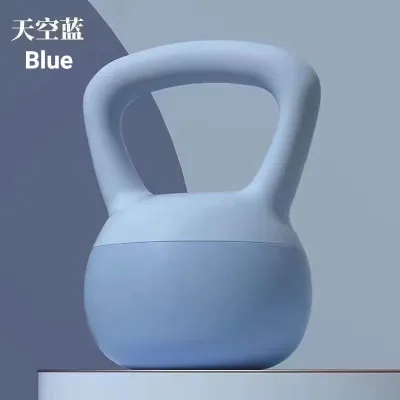
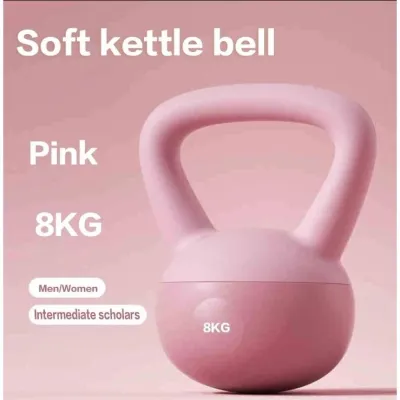
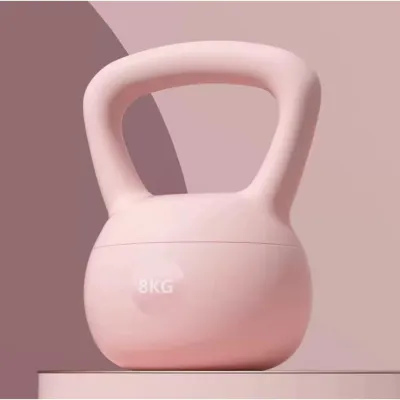

Prices are valid at publication and may change. Please refer to the product page for the latest price.
To determine your ideal starting weight without guessing, test the movements using common household items of known weight, or visit a local fitness center to try different options. Performing a basic overhead press or a single-arm row with a temporary weight can give you a realistic sense of your current capacity. If you feel any joint discomfort or struggle to keep your spine neutral, it is a clear sign to select a lighter weight.
Consulting a certified fitness professional is highly recommended before beginning a home-based kettlebell routine. A trainer can evaluate your movement patterns, identify any mobility limitations, and recommend a specific weight progression tailored to your body. This professional guidance helps prevent common injuries associated with improper lifting mechanics, ensuring your home workouts remain safe and productive.
Fixed vs. Adjustable Kettlebells for Compact Homes
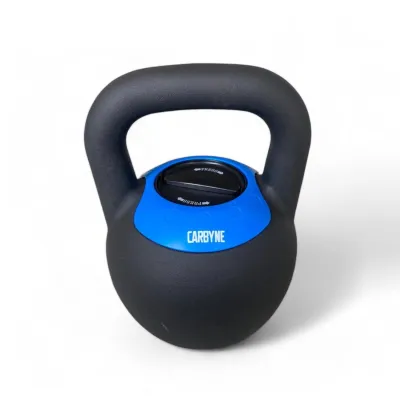
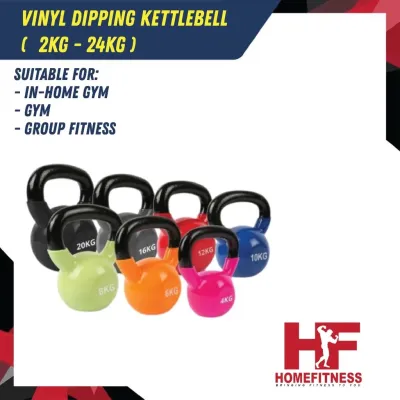
In a typical HDB flat where floor space is at a premium, the physical footprint of your fitness gear is a major consideration. A single adjustable kettlebell can replace an entire rack of individual weights, occupying only a fraction of a square meter in a corner or closet. Conversely, a full set of fixed-weight kettlebells requires a dedicated multi-tier rack or significant floor space, which can quickly overwhelm a small living room or study.

While adjustable kettlebells offer excellent space efficiency, they feature internal moving parts, dials, or locking pins that require careful inspection before every workout. You must verify that the weight plates are completely locked into the handle assembly before lifting the bell overhead or performing high-velocity swings. Any loose components can shift during exercise, altering the center of gravity or, in worst-case scenarios, detaching entirely.
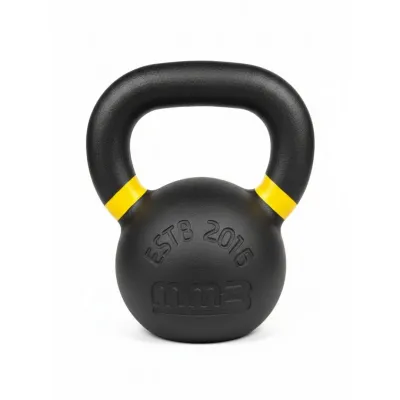
Choosing between fixed and adjustable options involves balancing your budget against your available space and maintenance willingness. Adjustable kettlebells generally carry a higher upfront cost than a single fixed kettlebell, but they are often more economical than buying five or six separate fixed weights as you progress. However, they require diligent care to keep the adjustment mechanisms free of dust, sweat, and chalk, whereas fixed cast-iron or steel kettlebells are virtually indestructible and require zero mechanical upkeep.
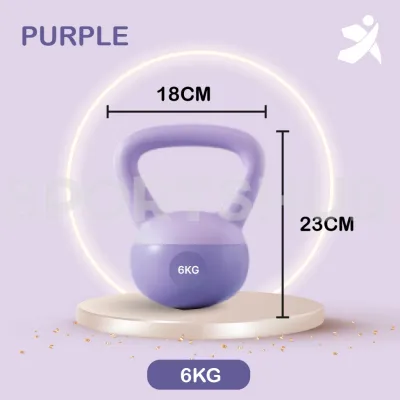
Before purchasing an adjustable model, evaluate its physical dimensions to ensure it fits your intended storage space and matches your body size. Some adjustable kettlebells have a larger overall shell to accommodate the internal plates, which can feel bulky during exercises like the clean or the rack position. Check the manufacturer’s specifications for the handle diameter and window size to ensure a comfortable grip that suits your hand size.
Space-Saving Storage Options and Clearance Requirements
Keeping your kettlebells organized and off the floor is essential for maintaining a tidy and safe home environment. Low-profile under-bed storage bins are excellent for hiding away lighter weights, provided the container can support the concentrated load. For heavier collections, a dedicated corner stand or a compact two-tier rack keeps the weights organized vertically, reducing the footprint while keeping them easily accessible.
Safe kettlebell training requires ample physical clearance around your workout zone to prevent accidental contact with walls, ceilings, or furniture. Measure your ceiling height before performing overhead presses or snatches, especially if you have low-hanging ceiling fans or light fixtures installed in your flat. Additionally, ensure you have at least two meters of clear space in front of and behind you to accommodate the full arc of a kettlebell swing.
Never store your kettlebells in narrow corridors, entryways, or high-traffic walkways where they can become severe trip hazards. A heavy iron weight left in a dark hallway can cause painful toe injuries or falls, particularly in households with children or elderly family members. Designate a specific, low-traffic corner of your living room or home office as your permanent workout and storage zone.
Utilizing vertical storage racks is a smart way to save floor space, but you must never exceed the structural weight limits of the storage unit itself. Cheap plastic shelving or lightweight metal utility carts are not designed to hold heavy iron weights and can collapse under the load. Always select a heavy-duty steel rack specifically rated for fitness equipment, and place the heaviest kettlebells on the bottom shelf to keep the center of gravity low and prevent tipping.
Safety Checks and Installation Limits for Heavy Equipment
If you are considering wall-mounted storage racks or brackets to keep your kettlebells off the floor, you must verify the structural integrity of your walls. HDB flats typically feature concrete structural walls or lightweight drywall partitions; wall-mounted racks must never be anchored into drywall alone, as the concentrated weight of kettlebells will easily pull the anchors out. Ensure any wall-mounted system is securely bolted into solid concrete or directly into wooden wall studs using appropriate heavy-duty fasteners.
Concentrated heavy loads can damage delicate flooring materials like vinyl, laminate, or parquet over time. To distribute the weight of your kettlebells and protect your floor from scratches and impact dents, always place a high-density rubber mat beneath your storage rack and workout area. These mats also play a crucial role in dampening noise and vibrations, preventing the sound of setting down heavy weights from traveling through the concrete floor slab to your neighbors below.
Installing heavy-duty storage racks or wall mounts requires proper tools and DIY experience. If you are unsure about the load-bearing capacity of your walls, the location of hidden utility pipes, or how to use concrete anchor bolts safely, stop the installation immediately. Consulting a qualified contractor or professional handyman ensures the storage system is mounted securely, preventing costly damage to your home or potential injuries from falling equipment.
Avoid common storage mistakes such as placing heavy weight racks on uneven surfaces, near glass doors, or directly against painted walls where they can cause scuffs and structural cracks. Never stack kettlebells on top of one another, as they can easily roll off and damage your flooring or feet. Keeping your storage area organized, clean, and dry will prolong the lifespan of your equipment and ensure a safe training environment.
Frequently Asked Questions (FAQ)
Do I need a special mat for kettlebell workouts in an apartment?
Yes, using a high-density rubber mat is highly recommended when training with kettlebells in an apartment. Standard yoga mats are too thin to protect your flooring from the impact of heavy weights or to absorb the vibrations generated during a workout. A thick, commercial-grade gym mat helps distribute the load, protects parquet or vinyl floors from scratches, and significantly reduces noise transmission to the neighbors living directly below you. Always check your building management or HDB guidelines regarding home gym setups to ensure compliance with community noise standards.
How do I maintain an adjustable kettlebell mechanism?
Maintaining an adjustable kettlebell requires regular visual inspections and basic cleaning to ensure the locking mechanism remains safe and functional. Wipe down the handle and the adjustment dial or pin after every workout to prevent sweat, dust, and chalk from accumulating in the moving parts. Avoid dropping adjustable kettlebells on the floor, as the impact can misalign the internal locking plates or damage the selection dial. Always follow the manufacturer’s specific care instructions, and immediately stop using the kettlebell if the locking mechanism feels loose, sticky, or fails to engage smoothly.
Community discussion
Share your experience or ask a question. Comments are reviewed before publication.