
Choosing the right pair of men’s gym gloves in Singapore depends entirely on how you train. If your routine revolves around heavy compound lifts like deadlifts and bench presses, your hands require robust palm padding and integrated wrist support to handle high loads. Conversely, if you focus on high-intensity functional fitness or cross-training, you need minimalist, highly breathable grips that protect against friction without restricting your wrist mobility.
Before browsing online marketplaces or visiting local sporting goods stores, you must identify your dominant workout style. Purchasing a heavy-duty powerlifting glove for a fast-paced cardiovascular circuit will lead to overheated hands and restricted movement. Matching the glove design to your specific training modality ensures you get the right balance of protection, grip, and comfort.
Core Selection Criteria for Weightlifting and Cross-Training
To find a pair of gloves that can withstand daily training sessions, you must evaluate several key design elements. These features dictate how the gloves perform under load and how well they hold up against friction.
Products mentioned in this guide
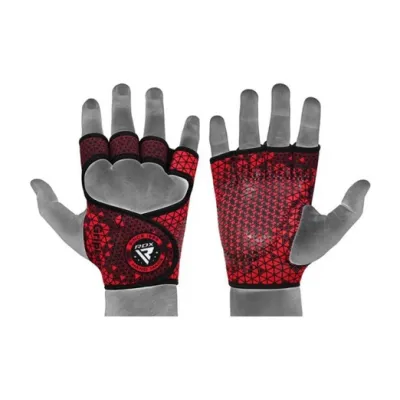
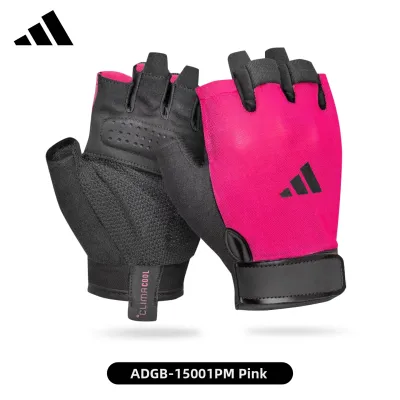
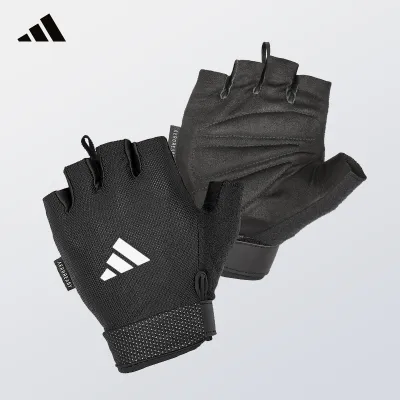
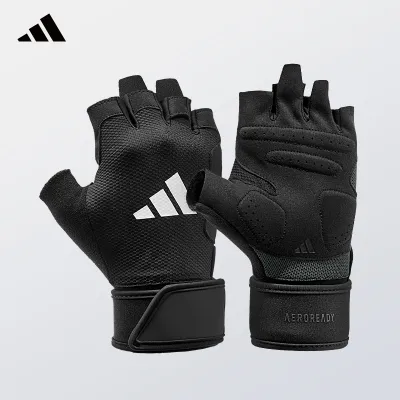
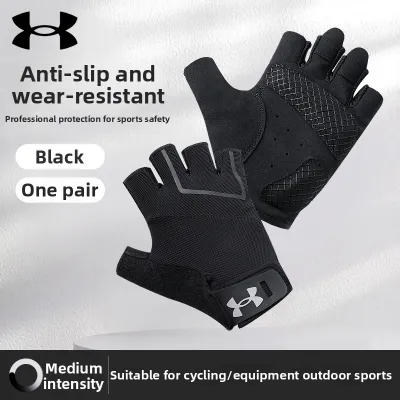
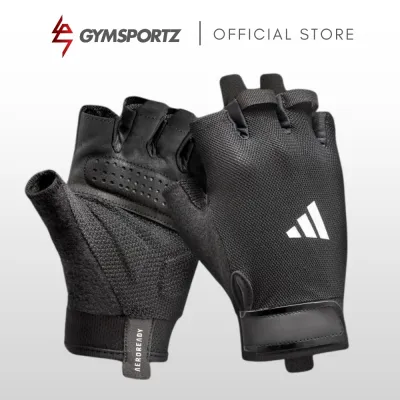
Prices are valid at publication and may change. Please refer to the product page for the latest price.
Palm Material and Thickness
The palm is the primary barrier between your skin and the cold steel of a barbell or dumbbell. Thick leather or padded synthetic palms offer excellent protection against calluses and blisters, making them ideal for high-volume lifting. However, excessive padding can decrease your tactile feedback, making the bar feel thicker and harder to grip securely.
For dynamic movements where you need to feel the bar rotate, a thinner synthetic palm with silicone grip overlays is often more effective. This design provides slip resistance without adding bulk, allowing you to maintain a natural grip diameter.
Wrist Support Mechanisms
Many gym gloves feature integrated wrist wraps that loop tightly around the joint to provide stability during heavy pressing movements. These built-in wraps are highly convenient for general strength training, offering a moderate level of compression that helps keep the wrist aligned.
If you prefer maximum freedom of movement for exercises like cleans or kettlebell swings, look for gloves with a low-profile, strapless wrist design. These minimalist options rely on elasticated cuffs or simple short tabs, keeping your wrists completely free to flex and rotate.
Breathability and Moisture Management
Singapore’s tropical climate and high humidity levels make sweat management a critical consideration for any fitness gear. Heavy, fully enclosed leather gloves can quickly trap heat and moisture, leading to slipping inside the glove and unpleasant odors.
To combat this, look for gloves that incorporate lightweight mesh backings, open-back designs, or perforated palms. These features allow air to circulate freely, helping to evaporate sweat quickly and maintain a secure connection between your hand and the glove interior.
Closure Systems
The way a glove secures to your hand affects both its long-term durability and how easy it is to put on and take off. Hook-and-loop fasteners are the most common closure type, allowing for quick, micro-adjustments to the tightness.
For those who dislike the bulk of straps, slip-on gloves utilize elastic panels to hold the glove in place. While highly comfortable and streamlined, slip-on designs must fit perfectly from the start, as they cannot be adjusted as the material stretches over time.
What to Look for in Heavy Weightlifting and Powerlifting Gloves
When your training program focuses on moving maximal loads, your hands and wrists face intense mechanical stress. Heavy weightlifting and powerlifting demand gear that prioritizes structural support and heavy-duty friction resistance over lightweight breathability.

For these demanding sessions, look for gloves constructed from genuine leather or high-grade reinforced synthetic leather. These materials offer the durability required to withstand the abrasive knurling of Olympic barbells without tearing or wearing thin prematurely.
Integrated semi-rigid wrist wraps are highly beneficial in this category, especially during heavy overhead presses, bench presses, and low-bar squats. The wrap acts as an external ligament, reducing hyperextension under load and helping you maintain a neutral wrist position.
Keep in mind that thicker padding comes with a distinct trade-off. A heavily padded palm increases the effective diameter of the barbell, which can challenge your grip strength on pulling movements like deadlifts or heavy rows. If you find your grip slipping on pulls, a thinner palm with high-traction textured overlays may be a more suitable choice.
What to Look for in Cross-Training and Gymnastics Grips
Cross-training and functional fitness workouts demand rapid transitions between barbell lifts, gymnastics ring movements, and high-rep pull-ups. Standard weightlifting gloves are often too bulky for these dynamic exercises, restricting the hand and wrist mobility needed for complex movements.
Minimalist fingerless gloves or specialized gymnastics grips are the preferred choice for this style of training. These designs typically cover only the palm and the base of the fingers, leaving the back of the hand completely open to maximize airflow and keep your hands cool.
In these fast-paced workouts, maintaining wrist mobility is crucial for executing clean-and-jerks, thrusters, and handstand push-ups comfortably. Look for grips that feature thin, flexible wrist bands rather than thick, rigid wraps, allowing your joints to flex naturally through every plane of motion.
The primary goal of a cross-training grip is to prevent painful skin tears and friction burns during high-rep pull-ups or toes-to-bar. A thin layer of textured synthetic material or suede provides a reliable barrier against the pull-up bar while still allowing you to feel the equipment and react quickly.
Baseline Requirements for General Fitness and Machine Work
If your fitness routine consists primarily of resistance machines, light dumbbells, and general cardio-strength circuits, you do not need the extreme reinforcement of powerlifting gloves or the specialized design of gymnastics grips. Instead, focus on everyday comfort and basic skin protection.
For general gym use, lightweight gloves with moderate foam padding are highly effective at preventing painful blisters and minor calluses. These gloves typically feature a mix of flexible nylon and breathable mesh, making them comfortable to wear for extended periods.
Look for user-friendly features such as pull-tabs on the fingers, which make it much easier to peel the gloves off when your hands are sweaty. A simple, low-profile design also makes it easy to transition from lifting weights to wiping down machines or checking your fitness tracker.
Because these gloves are designed for moderate use, they are often highly flexible and machine-washable. This makes them an incredibly practical choice for casual gym-goers who want reliable hand protection without a complicated care routine.
Fit, Sizing, and Pre-Purchase Verification
An ill-fitting gym glove can cause more problems than it solves, leading to painful bunching, chafing, or a compromised grip. Taking the time to measure your hands accurately before making a purchase is essential for ensuring comfort and safety.
To find your correct size, use a flexible measuring tape to measure the circumference of your dominant hand just below the knuckles, excluding the thumb. You should also measure the length from the tip of your middle finger to the base of your palm, as some manufacturers rely on hand length rather than circumference.
When reviewing sizing charts on e-commerce platforms, pay close attention to how the brand defines its measurements. If your measurements fall between two sizes, it is generally safer to size up if you have wider fingers or prefer a slightly looser fit, as overly tight gloves can restrict blood circulation.
Before finalizing your purchase online, always verify the retailer’s return and exchange policies. Because hand shapes vary widely, you may need to swap your gloves for a different size once you try them on and test your grip on a barbell or dumbbell at home.
Care, Maintenance, and Replacement Signals
The combination of intense workouts and Singapore’s humid climate means your gym gloves will inevitably accumulate sweat, oils, and bacteria. Establishing a consistent care routine is vital for extending the lifespan of your gear and keeping odors at bay.
After every workout, remove your gloves from your gym bag immediately and allow them to air dry in a well-ventilated space away from direct sunlight. Leaving damp gloves crumpled inside a dark bag creates an ideal environment for bacteria to thrive, leading to persistent, unpleasant smells.
When it comes to cleaning, refer to the manufacturer’s care label first. For most synthetic and mesh gloves, a gentle hand wash in cold water with a mild detergent is the safest method; avoid using harsh bleach or fabric softeners, which can break down the technical fibers and grip coatings.
Regularly inspect your gloves for signs of wear that indicate they are no longer providing adequate protection. Look for thinning areas on the palm, frayed stitching around the fingers, or Velcro closures that no longer hold securely under tension. Replacing your gloves when these signs appear ensures your hands remain fully protected during every workout.
Frequently Asked Questions (FAQ)
Do I need wrist wraps built into my gym gloves?
Built-in wrist wraps are highly beneficial if you frequently perform heavy pressing movements, such as bench presses or overhead presses, where joint stability is crucial. These integrated wraps offer moderate compression and help prevent your wrists from bending backward under load. However, if your workouts focus on bodyweight exercises, kettlebell swings, or high-rep pull-ups, built-in wraps can feel restrictive and limit the natural mobility of your wrists.
How do I prevent my gym gloves from smelling bad?
To prevent unpleasant odors, never leave your damp gym gloves inside a closed gym bag after your workout. Hang them up to air dry in a well-ventilated area as soon as you get home. You can also spray them lightly with a specialized gear deodorizer or a diluted mixture of water and tea tree oil, provided the manufacturer’s care instructions allow it. Regularly hand washing your gloves with a mild detergent will also help eliminate deep-seated sweat and bacteria.
Community discussion
Share your experience or ask a question. Comments are reviewed before publication.