
Chalkless grip products—primarily liquid chalks, specialized creams, and alcohol-based gels—offer a cleaner, highly effective alternative to traditional loose chalk for indoor climbing in Singapore. In a tropical climate where indoor gyms balance air conditioning with high ambient humidity, choosing the right chalkless formula is essential for maintaining friction, complying with gym dust policies, and protecting skin. These products dry down into a thin, high-friction barrier on the hands without releasing clouds of airborne dust, making them a popular choice for modern climbers.
Understanding Chalkless Grip Options for Indoor Climbing
Traditional loose chalk has long been a staple in the climbing community, but its environmental impact on indoor facilities has led to a shift in preferences. When loose chalk is applied, fine particles suspend in the air, settling on holds, mats, and ventilation systems. Chalkless grip products, by contrast, are designed to deliver the same moisture-absorbing benefits of magnesium carbonate without the associated airborne dust.
Liquid chalk is the most common chalkless option. It consists of magnesium carbonate suspended in an alcohol base, typically isopropyl alcohol or ethanol. When applied to the skin, the alcohol evaporates rapidly, leaving behind a uniform, dry layer of chalk that binds tightly to the skin’s ridges. Chalk creams and gels take this concept further by incorporating binding agents, silica, or natural resins. These additives help the product adhere to the hands for longer periods, reducing the need for frequent reapplication during a climbing session.
Products mentioned in this guide
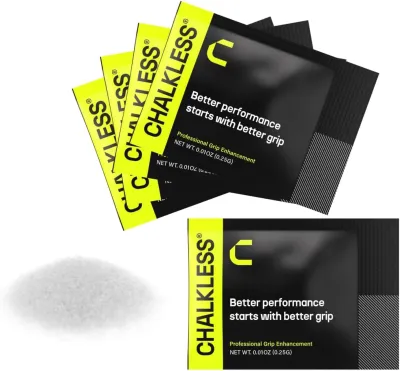
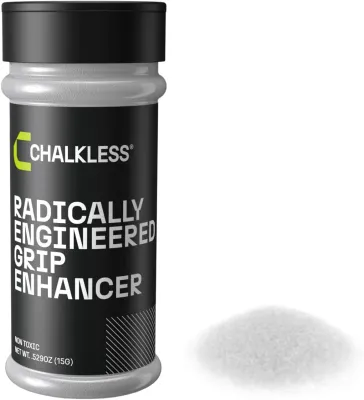
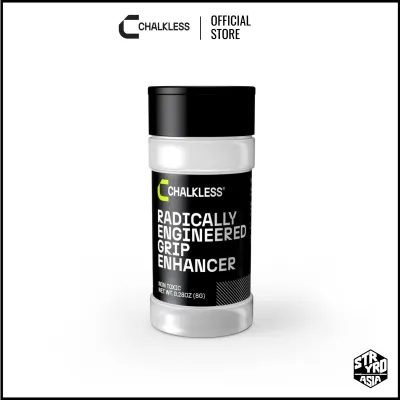
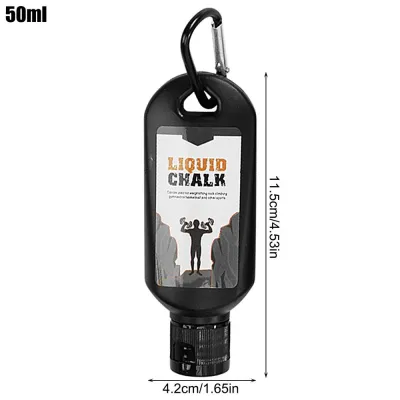
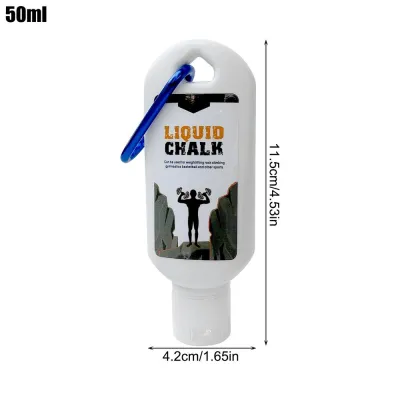
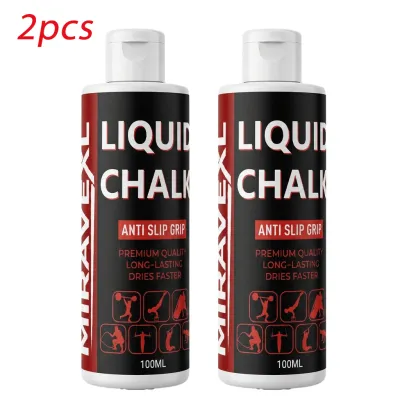
Prices are valid at publication and may change. Please refer to the product page for the latest price.
Many indoor climbing gyms in Singapore encourage or actively mandate the use of dust-free alternatives. High-density urban gyms often operate in enclosed, air-conditioned spaces where maintaining optimal air quality is a constant challenge. Excessive airborne dust can clog filtration systems and aggravate respiratory conditions for climbers and staff alike. By switching to a chalkless grip, climbers help maintain a cleaner facility, improve overall hygiene, and ensure that climbing holds remain free of thick, greasy chalk buildup.
From a skin health perspective, chalkless options offer distinct advantages. The alcohol base in liquid chalk acts as a mild sanitizer, which is highly beneficial in shared gym environments where hundreds of hands touch the same holds daily. Additionally, because these products form a bonded layer rather than a loose powder, they are less likely to migrate into small cuts or abrasions, reducing the risk of irritation. However, because alcohol is inherently drying, climbers should pair these products with a dedicated post-climb moisturizer to maintain skin elasticity.
What to Look for in High-Humidity Indoor Environments
Selecting a chalkless grip product in Singapore requires careful consideration of the local climate. Even inside air-conditioned climbing gyms, the relative humidity remains significantly higher than in temperate regions. This environmental factor directly impacts how liquid chalk behaves on your skin, affecting both drying time and overall friction.

The primary feature to evaluate is the alcohol content and its evaporation rate. In high-humidity settings, low-quality liquid chalks with high water content or slow-evaporating solvents can remain wet or tacky on the hands for several minutes. This not only delays your climb but can also lead to immediate slipping if you attempt to climb before the product is fully dry. Look for formulations that specify high-purity isopropyl alcohol as the primary ingredient, as this ensures a rapid flash-off time, leaving a dry, usable grip surface within seconds of application.
Another critical factor is the balance of moisture-wicking ingredients versus heavy cosmetic additives. Some chalkless creams are formulated with moisturizing agents to prevent skin dryness. While well-intentioned, ingredients like glycerin, heavy oils, or excessive botanical extracts can fail under the intense heat and sweat generated during a demanding climbing session. In Singapore’s humid conditions, these additives often mix with sweat to create a slick, greasy barrier. Instead, prioritize products that utilize pure magnesium carbonate, silica, or specialized clays designed specifically to absorb moisture without compromising friction.
Always inspect product labels and manufacturer specifications for indoor climbing suitability. Some products contain high concentrations of rosin or colophony, which are natural resins used to increase tackiness. While highly effective for outdoor bouldering on certain rock types, heavy resins can leave a stubborn, sticky residue on indoor plastic holds that is exceptionally difficult to clean. Opt for formulas labeled as “non-marking” or “gym-friendly” to ensure compliance with local facility guidelines and to show respect for the climbing community.
How to Safely Evaluate and Test a New Grip Product
Indoor climbing is an inherently high-risk sport where falls can result in serious injury. It is vital to remember that no grip product, regardless of its formulation, can replace proper climbing technique, physical conditioning, or sound safety judgment. A chalkless grip is simply a tool to manage moisture; it does not guarantee safety on the wall. When introducing a new product into your routine, always prioritize safety and follow a structured testing process.
Before applying any new chalkless product to your hands for a full climbing session, perform a preliminary patch test. The high concentration of alcohol and potential binding resins in these formulas can cause contact dermatitis, redness, or allergic reactions in sensitive individuals. Apply a small, pea-sized dab of the product to your inner forearm and allow it to dry completely. Leave it on for several hours or overnight to monitor for any signs of irritation, itching, or swelling. If any adverse reaction occurs, wash the area immediately and discontinue use.
Once you have verified that the product is safe for your skin, conduct a real-world friction test in a controlled, low-risk environment. Do not attempt to test a new grip product on a high-consequence lead climb or a dynamic bouldering project at your physical limit. Instead, use a system board, a spray wall, or a low-grade bouldering route close to the safety mats. This allows you to assess how the product handles sweat, how quickly it wears off, and whether it provides the expected level of friction without risking a dangerous fall.
During your test session, closely observe how much residue the product transfers to the climbing holds. Climb a short sequence, then inspect the holds you touched. A high-quality chalkless grip should leave a minimal, dry white print that can be easily brushed away. If the product leaves a gummy, dark, or sticky residue that resists standard brushing, it is a clear sign that the formulation is unsuitable for indoor plastic holds. Stop using the product immediately to prevent damaging the gym’s equipment and affecting other climbers’ safety.
Application and Storage Best Practices for Maximum Friction
To get the most out of your chalkless grip product, proper application and storage are essential. Unlike loose chalk, which can be mindlessly reapplied mid-climb, liquid and cream products require a deliberate routine to establish a durable, high-friction barrier.
The process begins with thorough hand preparation. Before applying the product, wash your hands with plain soap and warm water to remove natural skin oils, dirt, and residual hand creams. Avoid using moisturizing soaps, as they leave a slick film on the skin. Dry your hands completely with a clean towel. Applying a liquid or cream grip product to damp hands dilutes the formula, prevents the alcohol from evaporating efficiently, and significantly reduces the product’s ability to bond with the skin.
When applying the product, moderation is key. Shake the bottle vigorously for several seconds to ensure that the magnesium carbonate and solvents are fully mixed; separation is common in liquid formulas. Dispense a small, coin-sized amount into your palm. Quickly spread the product evenly across your palms, fingers, and fingertips, paying special attention to the areas most prone to sweating. Avoid rubbing your hands together continuously as the product dries, as this friction can cause the forming layer to pill, clump, and flake off prematurely. Instead, spread it in a single, even coat and hold your hands open, letting the air dry them completely for 15 to 30 seconds.
Proper storage is equally important, especially in Singapore’s warm climate. High ambient temperatures can cause the alcohol solvent in your chalkless grip to evaporate even inside a closed bottle, turning your liquid chalk into a solid, unusable block. Always seal the cap tightly immediately after use. Store the product in a cool, shaded pocket of your climbing bag, away from direct sunlight, and avoid leaving your gear bag in hot environments like a car trunk. If the product begins to separate over time, a vigorous shake before each use is usually sufficient to restore its consistency.
Frequently Asked Questions (FAQ)
Can I use regular hand sanitizer as a chalkless grip substitute?
No, regular hand sanitizer should never be used as a substitute for a climbing grip product. While both products contain high concentrations of alcohol, their formulations serve entirely opposite purposes. Hand sanitizers are designed to disinfect the skin and almost always include humectants, moisturizers, or essential oils (such as glycerin or aloe vera) to prevent the skin from drying out. When subjected to the high friction of climbing, these moisturizing agents act as lubricants, making your hands extremely slick and dangerous. Dedicated chalkless grip products are specifically formulated with drying agents like magnesium carbonate to absorb sweat and increase friction, rather than moisturize the skin.
How do I clean climbing holds if a chalkless product leaves a residue?
If a chalkless product leaves a visible residue on climbing holds, the safest and most effective way to clean it is using a soft-bristled brush, such as a nylon or boar-hair climbing brush. Gently scrub the hold to break up the dried residue without damaging the hold’s textured surface. Avoid using wire brushes, harsh chemical solvents, or abrasive household cleaners, as these can permanently degrade the polyurethane or fiberglass material of the holds. Most importantly, always check with the gym staff before attempting to clean shared holds; indoor climbing gyms in Singapore have specific maintenance protocols and may prefer to handle hold cleaning themselves to ensure safety and consistency.
Community discussion
Share your experience or ask a question. Comments are reviewed before publication.