
To find a reliable kite reel as a beginner in Singapore, you must look beyond flashy marketing and focus on mechanical design, material durability, and suitability for local coastal winds. While many brands compete on online marketplaces, a truly reliable beginner reel is one that prevents line tangles, offers smooth rotation, and withstands high humidity. Instead of chasing unverified brand claims, beginners should evaluate reels based on observable design features: ball-bearing drives, lockable braking mechanisms, and impact-resistant materials.
Selecting the right equipment ensures a safe, enjoyable flying experience at local spots like Marina Barrage or East Coast Park. A poorly constructed reel can lead to snapped lines, runaway kites, or hand injuries. By understanding the core mechanics and material standards of quality reels, you can confidently shortlist products that offer the best control and longevity for your outdoor adventures.
This guide provides a comprehensive framework to help you evaluate options and select a reel that matches your skill level and local flying conditions. By focusing on verifiable specifications and physical build quality, you can avoid common purchasing pitfalls and enjoy a seamless introduction to the sport.
Products mentioned in this guide
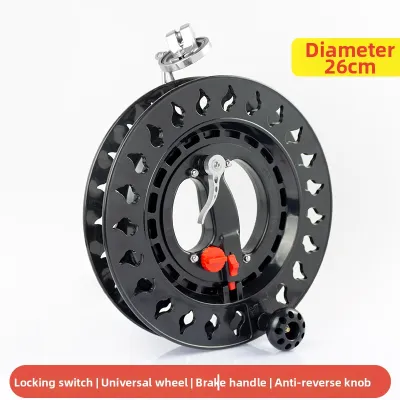
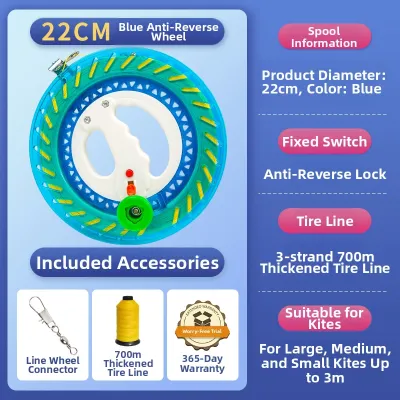
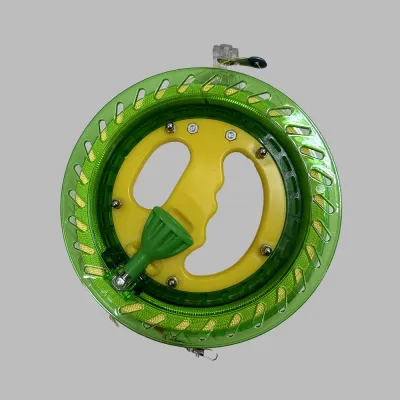
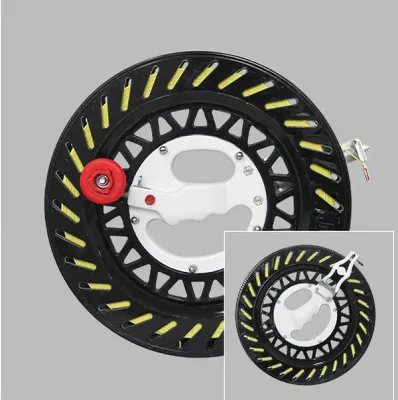
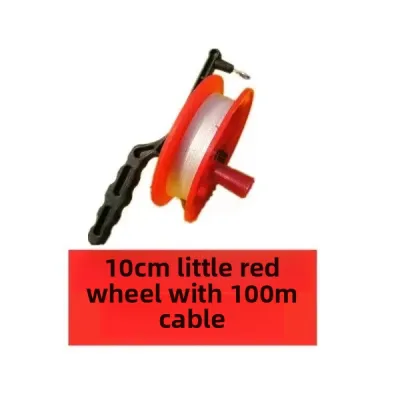
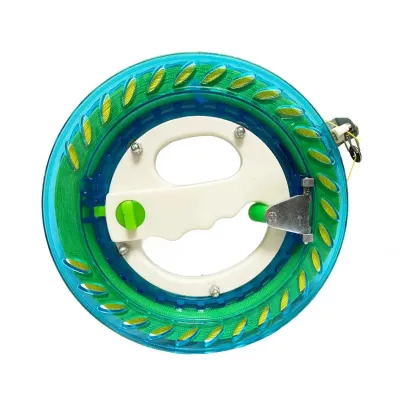
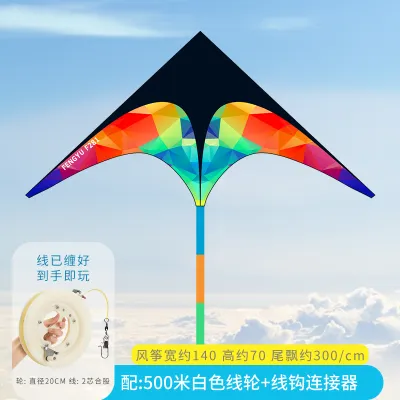
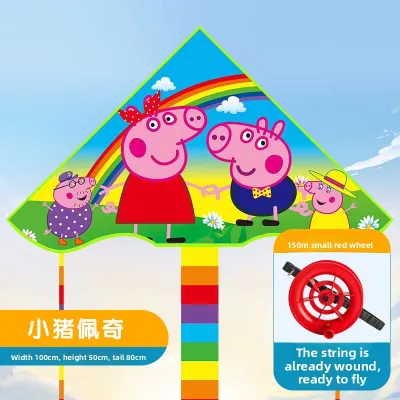
Prices are valid at publication and may change. Please refer to the product page for the latest price.
Understanding Kite Reel Mechanics for Beginners
The mechanical design of a kite reel directly dictates how easy it is to launch, fly, and retrieve your kite. For beginners, the primary challenge is maintaining control over a kite that is actively pulling against the wind. Understanding the internal and external mechanics of a reel will help you identify models that minimize frustration and maximize safety.
Friction Reels vs. Ball-Bearing Models
Simple friction reels rely on direct contact between the rotating spool and the central axle, often separated only by basic plastic washers. While these reels are lightweight and inexpensive, they generate significant friction under load. This friction can cause the reel to stick, jerk, or overheat when a kite pulls strongly, making smooth line release nearly impossible for a novice.
In contrast, ball-bearing reels utilize steel or ceramic bearings housed around the axle to facilitate smooth, near-effortless rotation. This design allows the spool to spin freely with minimal resistance, enabling you to let out line quickly when the wind gusts. For beginners, the smooth operation of a ball-bearing reel reduces the physical effort required to manage the kite and prevents sudden tension spikes that could snap the line.
When evaluating ball-bearing models, look for reels that specify the number of bearings used. A higher bearing count generally translates to smoother rotation, though even a basic three-bearing system offers a massive upgrade over a standard friction reel. Ensure the bearings are shielded or sealed to prevent dirt and salt spray from compromising their performance.
Adjustable Braking Systems
An uncontrolled reel can quickly lead to disaster. When a strong gust of wind catches your kite, the spool can spin rapidly, releasing more line than intended and creating a tangled mess known as a “bird’s nest.” An adjustable braking system is essential for preventing this over-spinning and keeping the line taut.
Reliable beginner reels feature mechanical brakes, which typically come in three styles: thumb-operated press brakes, dial-adjusted drag systems, or physical lock switches. A thumb brake allows you to apply manual pressure to slow down the spool gradually. Dial-adjusted drag systems let you set a constant resistance level, which is highly useful for maintaining a stable altitude without constant manual intervention.
Physical lock switches are crucial for safety when you want to temporarily secure the reel. Once the kite reaches your desired height, engaging the lock prevents the spool from turning entirely. For beginners, a combination of a smooth manual brake and a secure physical lock offers the safest and most versatile control scheme.
Ergonomic Handles and Grip Comfort
Holding a kite reel under tension for an hour or more can quickly lead to hand fatigue, cramps, or blisters if the handle design is poor. Beginners should pay close attention to the ergonomics of both the main holding frame and the winding knob.
Wheel-style reels, which feature a circular frame with an integrated hand grip inside the wheel, are highly popular for their balanced weight distribution. The grip should be contoured to fit the natural curve of your hand and ideally lined with a non-slip rubber or textured plastic. This design allows you to hold the reel securely with one hand while using the other to wind or control the brake.
For larger reels, a dual-handle frame that allows you to hold the device with both hands can provide much-needed leverage against strong coastal winds. Ensure the winding knob on the face of the spool is large enough to grip comfortably with your fingers and rotates independently on its own bearing to prevent friction burns during rapid retrieval.
Key Criteria for Evaluating Brand Reliability
With numerous unbranded and generic options available on ecommerce platforms, identifying a reliable manufacturer requires a systematic approach. By focusing on material specifications, user feedback patterns, and post-purchase support, you can separate high-quality gear from cheap imitations.

Material Durability Indicators
The materials used in a reel’s construction determine its ability to withstand physical impacts and structural tension. High-impact ABS (Acrylonitrile Butadiene Styrene) plastic is the industry standard for reliable, lightweight beginner reels. ABS is highly resistant to cracking when dropped on hard surfaces like concrete or packed sand, and it does not deform under moderate line tension.
For flyers looking for maximum structural rigidity, aluminum alloy frames offer superior strength. Aluminum reels are virtually immune to bending or warping, making them ideal for flying larger kites in strong winds. However, they are heavier and more expensive than ABS models. Avoid reels made from cheap, brittle plastics like polystyrene, which can shatter under the pressure of tightly wound line.
When examining a reel, check the thickness of the frame walls and the reinforcement around the central axle. The axle is the primary stress point of the entire structure; a reliable brand will use a solid metal axle bolt rather than a plastic pin to connect the spool to the frame.
Analyzing User Reviews for Real-World Performance
When shopping online, user reviews can provide valuable insights into a reel’s long-term durability. However, you must look past generic five-star ratings and search for specific feedback regarding mechanical performance under load.
Search reviews for keywords such as “axle wobble,” “stripped gears,” “brake failure,” or “line catching.” A pattern of reviews mentioning that the axle becomes loose after a few uses indicates poor manufacturing tolerances. Similarly, complaints about the plastic frame warping when the line is wound tightly suggest substandard material quality.
Reliable brands will have consistent feedback praising the smoothness of the rotation, the security of the locking mechanism, and the overall solid feel of the frame. Pay close attention to reviews written by users who fly in coastal environments, as they can verify how well the reel performs in windy and humid conditions.
Customer Support, Warranties, and Replacement Parts
A key indicator of a brand’s reliability is its commitment to customer service and product longevity. Reputable manufacturers stand behind their products with clear warranty terms and accessible customer support channels.
Before purchasing, check if the brand provides a user manual, safety guidelines, and contact information. A brand that offers a dedicated website with product support is generally more trustworthy than a generic seller offering no post-purchase communication.
Additionally, check if replacement parts are readily available. Over time, bearings may wear out, or a brake knob might get lost. Brands that sell individual replacement components, such as spare bearing sets, line guides, or lock pins, demonstrate a commitment to sustainability and product support, ensuring you do not have to discard the entire reel due to a single worn part.
Matching Reel Specifications to Local Flying Conditions
Singapore offers unique environmental conditions that directly influence how your kite gear performs. To ensure a successful flying experience, you must match your reel’s specifications to local wind patterns, transport methods, and climate factors.
Line Length and Thickness for Singapore Parks
Popular flying locations in Singapore, such as Marina Barrage, East Coast Park, and West Coast Park, feature wide-open spaces but are also subject to steady, sometimes gusty sea breezes. To fly safely and effectively in these areas, your reel must be paired with the correct line length and strength.
For beginners, a line length of 150 to 300 meters is generally ideal. This range provides plenty of altitude for the kite to reach stable wind currents without becoming difficult to manage or retrieve. Avoid excessively long lines (over 500 meters) as a beginner, as they increase the risk of tangles and make retrieval physically exhausting.
The line’s tensile strength, measured in pounds (lbs), must match the size of your kite and the local wind speed. For small to medium single-line kites, a 100-lb to 150-lb test braided nylon or Dacron line is standard. Using a line that is too thin increases the risk of snaps in strong coastal gusts, while a line that is too thick adds unnecessary weight and drag, preventing your kite from climbing.
Weight and Portability for Commuters
Many local kite flyers rely on public transport, such as the MRT or buses, to reach their favorite flying spots. Carrying heavy, bulky equipment on a crowded train can be highly inconvenient, making portability a key consideration for your shortlist.
Lightweight ABS plastic reels are highly practical for commuters. A standard 20cm to 22cm ABS wheel reel typically weighs under 500 grams, making it easy to slip into a backpack alongside a folded pocket kite. Aluminum alloy reels, while durable, can weigh significantly more and may require dedicated carrying cases.
Look for reels that feature integrated folding handles or compact profiles that minimize wasted space. Some brands include protective storage bags that prevent the reel from scratching other items in your bag and protect the line from snagging during transit.
UV and Corrosion Resistance in Tropical Climates
Singapore’s tropical climate is characterized by high humidity, intense sunlight, and salty coastal air. These environmental factors can rapidly degrade low-quality kite gear if the materials are not properly treated.
Salty air from the Singapore Strait can cause standard steel bearings to rust within weeks, leading to a rough, noisy rotation and eventual seizure of the reel. To prevent this, verify that the reel utilizes stainless steel, brass, or ceramic bearings, which offer superior corrosion resistance. If the manufacturer does not specify the bearing material, assume it requires regular freshwater rinsing and lubrication.
Intense UV exposure can also degrade cheap plastics, causing them to become brittle and crack over time. Look for reels made from UV-stabilized ABS plastic, which retains its strength even after prolonged exposure to direct sunlight. Additionally, ensure your kite line is made from UV-resistant materials like Dacron, as standard nylon can lose its tensile strength when exposed to constant tropical sun.
Building Your Shortlist: What to Verify Before Buying
Once you have identified a few potential kite reels, the final step is to verify their specifications and build quality to ensure they meet your expectations. Whether you are purchasing online or visiting a local hobby shop, use this checklist to make an informed decision.
Cross-Referencing Specifications and Load Limits
Before clicking the buy button, carefully review the product listing or packaging to cross-reference the manufacturer’s specifications with your specific needs. Do not rely solely on the product title, which may contain exaggerated keywords.
Verify the maximum recommended kite size or wind speed for the reel. If you plan to fly a large delta kite, ensure the reel’s frame and braking system are rated to handle the high pull force. Check the line capacity of the spool; if you plan to upgrade to a thicker line in the future, ensure the spool has enough physical volume to accommodate the added bulk.
If the specifications seem vague or unrealistic (such as claiming a small plastic reel can handle a massive show kite), treat it as a red flag. Reliable manufacturers provide precise measurements, including the outer diameter of the wheel, the width of the spool, and the exact bearing configuration.
Verifying Seller Credentials on Ecommerce Platforms
If you choose to purchase your reel from an online marketplace, taking a few minutes to verify the seller’s credentials can save you from receiving counterfeit or defective goods. Avoid buying from newly created storefronts with no feedback history.
Look for sellers designated as authorized distributors or those with high positive feedback ratings (ideally above 95%). Check the seller’s return policy to ensure you can easily exchange the product if it arrives damaged or does not match the description. A reputable seller will offer a clear return window, typically 7 to 14 days, and provide responsive customer service to address any issues.
Be cautious of listings that bundle high-end reels with extremely cheap, low-quality lines. Often, these bundled lines are prone to fraying and snapping. It is often safer and more cost-effective to purchase a high-quality bare reel and spool it with a premium line of your own choosing.
Inspecting Physical Build Quality in Retail Shops
If you prefer to buy from a physical retail shop in Singapore, take advantage of the opportunity to perform a hands-on inspection of the reel before making your purchase. This physical check is the most reliable way to ensure quality.
First, hold the reel and spin the spool. It should rotate smoothly and quietly without any grinding, catching, or excessive lateral wobble. A wobbly spool indicates poor axle alignment or loose bearings, which will only worsen under the tension of a flying kite.
Next, test the braking and locking mechanisms. Engage the lock and attempt to turn the spool; it should hold firmly without slipping. Apply the manual brake to feel if the resistance is consistent across the entire rotation. Finally, run your fingers along the edges of the frame and the line guide. Any sharp plastic burrs or rough metal edges must be avoided, as they will quickly fray and cut your kite line during operation.
Frequently Asked Questions (FAQ)
How often should I replace the kite line on my reel?
You should inspect your kite line before every flight and replace it at least once a year, or immediately if you detect signs of physical damage. Look for visible fraying, fuzzy sections, or discoloration, which indicate UV degradation and a loss of tensile strength. Friction against rough surfaces, such as tree branches, concrete paths, or even other kite lines, can create weak points that are prone to snapping under tension. If you fly frequently in high-humidity coastal areas, salt crystals can build up between the fibers of the line, causing internal abrasion; rinsing the line with fresh water and letting it dry completely can extend its lifespan, but any line showing structural wear must be replaced to ensure safety.
Can I use a fishing reel instead of a dedicated kite reel?
Using a fishing reel for kite flying is not recommended due to significant mechanical differences and safety risks. Fishing reels are designed for intermittent retrieval and rely on a drag system optimized for underwater resistance, whereas kite reels must manage continuous, high-tension aerodynamic pull. Fishing reels typically have smaller spool capacities for the line thicknesses required for kites, and their high gear ratios can make retrieving a heavy-pulling kite physically difficult and dangerous. Furthermore, fishing reels lack the specialized, wide-diameter line guides and quick-lock braking mechanisms found on kite reels, increasing the risk of line cuts, finger injuries, or gear failure when attempting to secure a kite in strong winds.
Community discussion
Share your experience or ask a question. Comments are reviewed before publication.