
Selecting a reliable pilates block brand in Singapore requires a systematic evaluation of material density, structural integrity, and retail authenticity rather than relying on generic marketing claims. While many fitness brands offer blocks, the right choice depends on your specific practice environment, body weight, and training goals. To make an informed purchase, you must look at verifiable specifications such as material composition, density ratings, and physical dimensions. This guide outlines the essential criteria for evaluating pilates blocks in the local market, helping you identify high-quality options that provide lasting support and safety.
In Singapore’s warm and humid climate, material selection is not just a matter of comfort; it directly impacts hygiene, grip, and the lifespan of your equipment. High-density blocks prevent joint strain by maintaining their shape under pressure, whereas low-quality alternatives can compress unexpectedly, leading to loss of balance. By understanding how different materials perform and where to source authentic products locally, you can invest in a pilates block that truly supports your practice.
Understanding Materials and Density for Stability
The material composition of a pilates block determines its weight, firmness, slip resistance, and durability. The three most common materials available in Singapore are ethylene-vinyl acetate (EVA) foam, natural cork, and wood or bamboo. Each material offers distinct physical properties that suit different types of exercises and user preferences.
Products mentioned in this guide
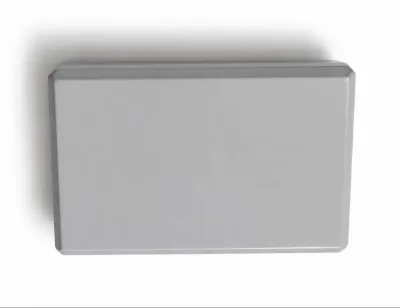
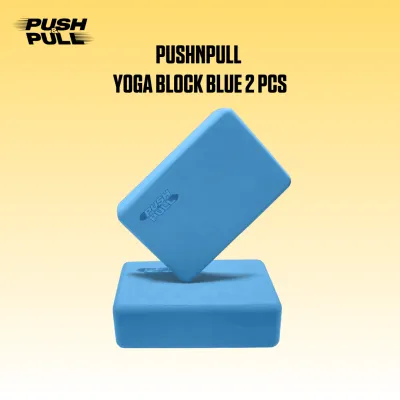
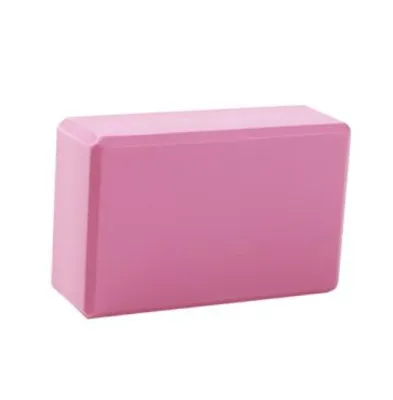
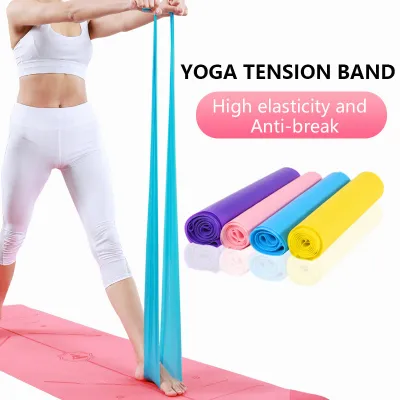
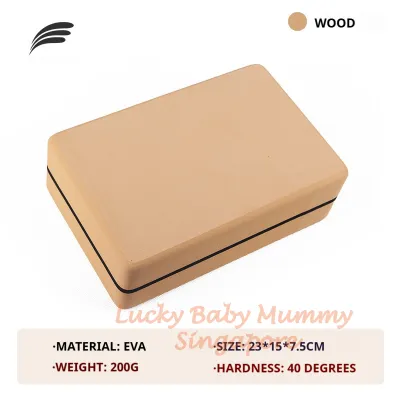
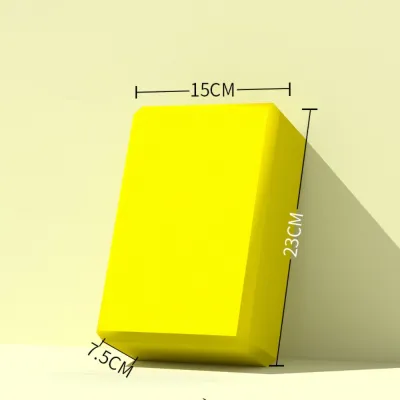
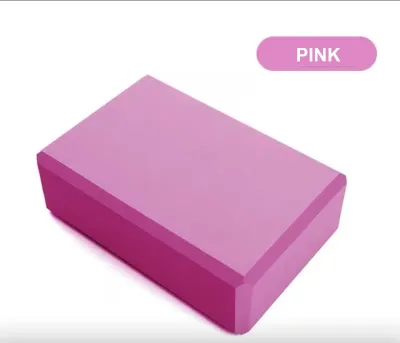
Prices are valid at publication and may change. Please refer to the product page for the latest price.
EVA foam is the most popular material due to its lightweight nature and cushioned feel. However, foam blocks vary significantly in quality. High-density, closed-cell EVA foam is highly recommended because it does not absorb moisture, making it resistant to sweat and easy to sanitize. Low-density foam blocks, often sold at very low prices, tend to squish under body weight, which compromises stability during balance-heavy exercises.
Cork blocks are significantly heavier and firmer than foam blocks, offering a solid, grounded feel. Cork has a natural texture that provides excellent grip, even when your hands are damp from sweat. This material is naturally antimicrobial, which is highly beneficial in Singapore’s humid environment. The primary trade-off is weight; cork blocks are less convenient to carry in a gym bag if you commute to a studio.
Bamboo and wooden blocks are the firmest options available, offering virtually zero compression. They are exceptionally durable and provide maximum stability for advanced practitioners who require unyielding support. However, they lack cushioning, which can cause discomfort when placed under sensitive areas like the sacrum, head, or knees. They are also the heaviest option and require careful handling to avoid damaging floors.
To verify the density of a block before buying, check the manufacturer’s specifications for weight and density ratings. A high-quality foam block typically weighs more than a cheap, low-density alternative of the same size. If you are shopping online, look for product descriptions that explicitly state “high-density closed-cell foam” or list the exact weight of the block. If the weight is not listed, it is often an indication of a lower-density, less stable product.
Singapore’s high relative humidity accelerates the growth of mold and mildew on porous materials. Closed-cell foam and properly sealed cork are the best choices for resisting moisture absorption. If you sweat heavily during your sessions, avoid open-cell foam blocks entirely, as they act like sponges, trapping moisture and bacteria inside the core, which quickly leads to persistent odors and material degradation.
Evaluating Dimensions and Ergonomic Features
Pilates blocks come in various sizes, and selecting the correct dimensions is crucial for maintaining proper body mechanics. Standard blocks typically measure approximately 23 cm x 15 cm x 7.5 cm, but specialized Pilates head blocks are often much thinner, ranging from 2.5 cm to 5 cm in thickness. The right size depends on your height, flexibility, and the specific exercises you perform.

Standard-sized blocks are highly versatile, providing three different heights depending on which side you rest the block on. These are ideal for sitting support, elevating the hips, or placing between the knees for inner thigh engagement. Thinner head blocks, on the other hand, are specifically designed to support the head and neck during supine exercises, ensuring the cervical spine remains in a neutral position without forcing the chin toward the chest.
Travel-sized blocks are smaller and lighter, making them easy to pack into a commuter bag. While convenient for on-the-go practice, their smaller surface area provides less stability. If you have larger hands or require substantial support for balance, a standard-sized block is a safer and more reliable choice for home or studio use.
Edge design is another critical factor that affects grip security and hand comfort. Look for blocks with beveled or rounded edges rather than sharp, square corners. Beveled edges distribute your body weight more evenly across your palms and wrists when you press down on the block, reducing pressure points and preventing the edges from digging into your skin.
Before purchasing, always verify the exact measurements on the product packaging or official website. Do not rely solely on terms like “standard size” or “universal fit,” as dimensions can vary by several centimeters between different brands. Accurate dimensions are especially important if you plan to use the block alongside other equipment, such as a Pilates reformer, where precise clearances are required.
Matching the Block to Your Practice Level
Your current skill level and the specific style of Pilates you practice should dictate the type of block you purchase. Beginners and advanced practitioners have different support requirements, and using the wrong type of block can hinder your progress or increase the risk of strain.
Beginners often require firmer, taller blocks to compensate for limited flexibility and core strength. A firm block acts as an extension of your limbs, allowing you to maintain proper alignment and balance without overextending your muscles. For instance, placing a firm block under your hips during seated exercises helps tilt the pelvis forward, reducing strain on the lower back.
Advanced practitioners may use blocks not just for support, but to add challenge and resistance to their workouts. Smaller, lighter blocks can be held between the hands or ankles to engage the deep stabilizing muscles of the core and limbs. For these exercises, a lightweight but highly durable foam block is often preferred over a heavy cork block, as it is easier to manipulate safely.
It is important to differentiate between mat Pilates modifications and reformer-adjacent floor exercises. Mat work frequently utilizes blocks for head alignment and seated support. If you are performing exercises next to a reformer or using resistance bands, ensure your block is stable enough to act as a reliable anchor point if required by your instructor. Never stand on a block or use it to support your full body weight unless the manufacturer explicitly certifies its load capacity for standing exercises.
Many fitness brands label their products as “professional” or “studio-grade” to justify a higher price point. You should verify these claims by checking the actual material specifications and user reviews rather than taking the label at face value. A genuine studio-grade block is built to withstand hours of daily use without losing its shape or hygiene properties, making it a worthwhile investment if you practice multiple times a week.
Finding Reputable Retailers and Verifying Authenticity in Singapore
To ensure you are buying a genuine, high-quality pilates block, it is best to purchase from established sporting goods stores, specialized yoga and Pilates studios, or official brand storefronts on major e-commerce platforms. Buying from reputable sources minimizes the risk of purchasing counterfeit or substandard products that fail to provide adequate support.
When shopping online, be cautious of unauthorized third-party sellers offering premium brands at suspiciously low prices. These products are often counterfeits made from cheap, low-density foam that compresses easily and degrades quickly. Red flags for unauthorized sellers include missing warranty information, a lack of local customer support, and vague product descriptions that omit material specifications.
If you are unsure about a block’s quality, look for physical retail locations in Singapore where you can examine the product in person. Visiting a store allows you to perform a physical squeeze test to assess the block’s firmness and feel its surface texture. It also gives you the opportunity to ask retail staff about the product’s specifications and return policies.
Before finalizing your purchase, review the retailer’s return and exchange policy. A reputable seller should offer a clear return window if the product arrives damaged or does not match the advertised specifications. This is particularly important when buying online, as it allows you to inspect the block’s density and construction quality at home before committing to keeping it.
Additionally, seek recommendations from local Pilates instructors or studio owners. Instructors have firsthand experience with various brands and can recommend durable options that withstand frequent use. Many reputable studios in Singapore also sell the exact blocks they use in their classes, which is an excellent way to ensure you are buying a product of proven quality.
Maintaining Your Block in a Humid Climate
Proper maintenance is essential for preserving the structural integrity and hygiene of your pilates block, especially in Singapore’s humid environment. Sweat, dust, and moisture can quickly accumulate on the surface, leading to bacterial growth and material breakdown if left uncleaned.
Always follow the manufacturer’s care label for specific cleaning instructions and chemical restrictions. For EVA foam blocks, a simple wipe-down with a damp cloth and a mild, non-abrasive soap is usually sufficient. Avoid using harsh chemical solvents, bleach, or alcohol-based cleaners, as these can dry out the foam, causing it to crack, crumble, or lose its slip-resistant texture.
Cork blocks require gentler care due to their natural composition. Clean them using a highly diluted mixture of water and white vinegar, or a specialized cork cleaning spray. Do not submerge cork blocks in water, as excessive moisture can penetrate the porous structure, leading to internal rotting and structural failure.
Thorough drying is the most critical step in maintaining your block. After cleaning, or after a sweaty workout, allow the block to air-dry completely in a well-ventilated indoor space. Never store a damp block in a closed gym bag, locker, or tightly sealed cupboard, as this creates an ideal breeding ground for mold, mildew, and unpleasant odors.
Keep your blocks out of direct sunlight when drying or storing them. Prolonged exposure to ultraviolet (UV) radiation can degrade the polymer chains in EVA foam, making it brittle and prone to flaking. Direct sunlight can also dry out cork blocks, causing them to crack and lose their natural elasticity.
Regularly inspect your block for visual and tactile signs of wear. Check for deep indentations that do not bounce back, crumbling edges, surface cracks, or persistent odors that remain after cleaning. If your block shows any of these signs, or if it feels noticeably softer and less supportive than when you bought it, replace it immediately to ensure your safety during practice.
Frequently Asked Questions (FAQ)
Can I use a standard yoga block for Pilates, or do I need a specific Pilates block?
While standard yoga blocks and Pilates blocks look similar, they often serve different functional purposes. Yoga blocks are typically thicker (around 7.5 cm to 10 cm) to help bring the floor closer in standing poses. Pilates blocks, particularly head blocks, are often much thinner (2.5 cm to 5 cm) and denser, designed specifically to support head and neck alignment during supine exercises without distorting the natural curve of the spine. You can use a standard yoga block for sitting support in Pilates, but for precise cervical alignment, a specialized, high-density Pilates block is highly recommended.
How do I know if a foam block is too soft for my body weight?
To assess if a foam block is too soft, perform a simple compression test. Press your thumb firmly into the center of the block. If your thumb easily sinks deep into the material, or if the block compresses by more than a quarter of its thickness under moderate hand pressure, it lacks the density required to support your body weight safely. A block that is too soft will wobble and deform during exercises, compromising your balance and increasing the risk of joint strain. If in doubt, refer to the manufacturer’s specifications for density or weight capacity.
Are eco-friendly materials like cork worth the higher price point?
Cork blocks are generally more expensive than foam blocks, but they offer distinct advantages that justify the cost for many practitioners. Cork is highly durable, naturally slip-resistant even when wet, and provides a solid, unyielding support that is excellent for balance. Its natural antimicrobial properties are also highly beneficial in Singapore’s humid climate. However, cork is heavier and less cushioned than foam. If you prioritize portability and a softer feel, high-density EVA foam is a practical choice; if you prioritize longevity, maximum stability, and natural materials, cork is worth the investment.
Community discussion
Share your experience or ask a question. Comments are reviewed before publication.