
Regular pool swimming is an excellent way to maintain cardiovascular fitness, especially in Singapore’s warm climate where local lap pools, condominium facilities, and public ActiveSG swimming complexes offer convenient access to the water. However, the very environment that makes swimming possible—chlorinated water, high ambient humidity, and intense ultraviolet (UV) radiation—presents a harsh challenge to swimming gear. Frequent swimmers often find their swimwear thinning, their goggles leaking, and their swim caps tearing within a few months of purchase. Selecting reliable gear is not merely about choosing a recognizable logo; it requires understanding the material science, construction techniques, and design features that distinguish durable training equipment from casual recreational wear. By focusing on verifiable manufacturing standards and material specifications, you can build a dependable kit that withstands daily exposure to pool chemicals and maintains its performance over hundreds of laps.
Evaluating Swimming Gear Brands: Core Criteria for Regular Pool Use
When evaluating swimming gear brands for frequent pool use, the primary consideration must be how well their products resist chemical degradation. Chlorine and chloramines, which are essential for maintaining pool hygiene, are highly corrosive to standard synthetic fibers and elastic compounds. A reliable brand designs its products with specialized materials engineered to withstand this constant chemical exposure. When researching brands, look for those that explicitly state the chemical resistance of their materials, such as utilizing chlorine-proof polyester blends in swimwear or high-grade liquid silicone in goggle gaskets.
Manufacturing consistency and quality control are equally critical indicators of a brand’s reliability. In mass-produced swim gear, minor variations in seam stitching, gasket molding, or strap thickness can lead to premature failure. Reputable brands maintain tight manufacturing tolerances, ensuring that every pair of goggles seals perfectly and every swimsuit seam remains intact under tension. You can verify this consistency by examining the uniformity of seams, the absence of excess molding flash on silicone components, and the smoothness of adjustment mechanisms.
Products mentioned in this guide
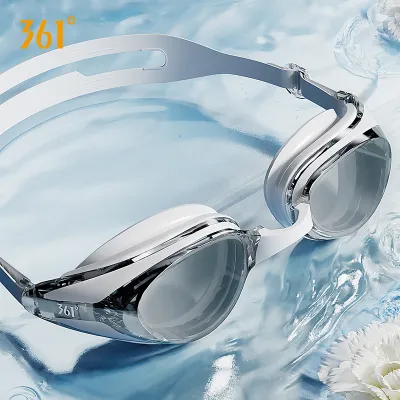
Prices are valid at publication and may change. Please refer to the product page for the latest price.
Finally, consider the brand’s local ecosystem, including the availability of replacement parts, warranty support, and authorized retail channels. For regular swimmers, the ability to purchase replacement goggle straps, nose bridges, or cap cases extends the lifespan of the primary equipment without requiring a complete repurchase. Brands that establish authorized service channels and clear warranty policies in Singapore provide a higher level of consumer protection. Purchasing through these authorized channels ensures you receive authentic products rather than counterfeit goods, which often flood online marketplaces and lack the material integrity of genuine gear.
Identifying Reliable Swimwear Brands for Frequent Pool Sessions
The longevity of training swimwear is almost entirely determined by its fabric composition. When assessing swimwear brands, the first step is to check the fabric composition label. Standard fashion swimwear typically relies heavily on elastane (often marketed as Spandex or Lycra) to provide stretch and a snug fit. While elastane offers excellent initial flexibility, chlorine rapidly breaks down its polyurethane bonds, leading to loss of elasticity, sagging, and eventual thinning of the fabric. For regular training, look for brands that offer swimwear made from 100% polyester or polyester-polybutylene terephthalate (PBT) blends. Polyester-PBT fabrics are highly resistant to chlorine degradation, retain their shape over hundreds of hours of pool exposure, and resist fading, making them the industry standard for daily training.

Stitching quality and seam construction are the next critical checkpoints. High-quality training swimwear utilizes flatlock stitching, a technique where the fabric edges are overlapped and stitched flat. This construction minimizes bulk, reduces chafing against the skin during repetitive swimming strokes, and distributes tension evenly across the seam. Examine the seams closely: reliable brands ensure there are no loose threads, skipped stitches, or uneven tension along the seam lines. Additionally, look for reinforced stitching at high-stress points, such as the attachment points of shoulder straps on one-piece suits or the drawstrings on swim briefs and jammers.
Fit retention and internal lining also distinguish premium training brands from budget alternatives. A dependable swimsuit should provide consistent compression that supports the muscles without restricting movement. Over time, inferior fabrics stretch out, causing the suit to drag in the water and compromise your hydrodynamics. Reliable brands design their suits with durable inner linings—often made of the same chlorine-resistant polyester fabric—to provide extra structure, opacity, and support. Ensure the lining is fully integrated and stitched securely to the outer shell to prevent bunching and shifting during your swim sessions.
Key Features to Look for in Dependable Goggle Brands
Goggles are perhaps the most personalized piece of swimming gear, and finding a reliable brand requires looking closely at lens technology and gasket design. The primary failure point for most goggles is the anti-fog coating. While almost all new goggles claim to be anti-fog, the durability of this treatment varies widely. Reliable brands use advanced application methods, such as integrating the anti-fog properties directly into the polycarbonate lens material or applying a cured, long-lasting chemical coating. When evaluating brands, look for those that provide clear instructions on how to maintain the anti-fog layer and offer compatible anti-fog reactivation sprays or solutions.
The gasket—the part of the goggle that contacts your face—is crucial for maintaining a watertight seal and ensuring comfort. High-quality goggle brands utilize hypoallergenic liquid silicone or thermoplastic elastomers (TPE) for their gaskets. Liquid silicone is highly flexible, conforms easily to various facial contours, and resists degradation from chlorine and facial oils. Avoid brands that use cheap foam gaskets, which degrade rapidly, harbor bacteria, and lose their sealing properties. The gasket should be molded seamlessly to the lens frame to prevent water from seeping through the joints.
Strap design and adjustment mechanisms also demand close inspection. A reliable goggle brand typically features a dual-strap design or a split strap that distributes pressure evenly across the back of the head, preventing the goggles from shifting during dives or turns. The adjustment buckles should be robust, easy to operate, and capable of locking the strap securely in place without slipping under tension. For swimmers using outdoor pools in Singapore, verifying that the lenses offer certified UV protection is essential to shield your eyes from intense solar radiation. Flexible frame designs that adapt to the bridge of the nose—either through interchangeable nose pieces or a self-adjusting flexible nose bridge—further ensure a customized, leak-free fit.
How to Identify Quality Swim Cap Brands for Daily Training
Swim caps serve multiple purposes: they protect your hair from chlorinated water, keep hair out of your face, and reduce hydrodynamic drag. The choice of material is the most significant factor in a swim cap’s durability and performance. Silicone is a highly suitable material for regular training caps. It is highly durable, resistant to tearing, hypoallergenic, and does not pull on the hair as much as other materials. Latex caps are thinner, lighter, and more breathable, making them popular for warm-water racing, but they are highly prone to tearing and degrade quickly when exposed to chlorine and sunlight. Lycra or spandex caps are exceptionally comfortable and easy to put on, but they are completely porous, allowing chlorinated water to saturate your hair, and they offer minimal drag reduction.
To identify a high-quality silicone swim cap, examine the thickness and reinforcement of the material. Reliable brands produce caps with consistent thickness throughout, avoiding thin spots that are vulnerable to puncturing by fingernails or hairpins. Look for caps with reinforced edges or a thicker band around the rim, which helps keep the cap securely in place and prevents it from rolling up during your swim. Some advanced brands offer molded silicone caps that are pre-shaped to match the natural curvature of the head, reducing wrinkles and drag.
Sizing and ergonomic design are also key indicators of a brand’s attention to detail. A standard swim cap may not comfortably accommodate swimmers with long hair, thick braids, or larger head sizes. Reliable brands recognize these differences and offer specialized sizing, such as extra-large or long-hair caps that feature additional volume at the back. When selecting a brand, verify that they provide detailed sizing charts and design variations to ensure you get a snug, comfortable fit that does not exert excessive pressure on your forehead or ears.
Building Your Shortlist: A Pre-Purchase Evaluation Checklist
Before purchasing your swimming gear, establishing a systematic evaluation checklist can help you filter out unreliable products and make an informed decision. Start by verifying the manufacturer’s specifications and care instructions. A reliable brand will provide detailed guidelines on how to rinse, dry, and store your gear to maximize its lifespan. For instance, swimwear should be rinsed in cold, fresh water immediately after use and dried flat in the shade, away from direct sunlight and heat sources. Avoid brands that do not provide clear care instructions or those that make unrealistic claims about maintenance-free durability.
Next, verify the authenticity of the products and the reliability of the retail channel. In Singapore, purchasing from authorized sporting goods stores, official brand boutiques, or verified online flagship stores guarantees that you are getting genuine products backed by manufacturer warranties. Be cautious of extremely low prices on open online marketplaces, as counterfeit swimming gear often uses inferior materials that degrade rapidly and may cause skin irritation or eye discomfort due to non-compliant chemical treatments.
Finally, look for patterns in long-term user feedback rather than relying solely on initial unboxing reviews. Seek out reviews from frequent swimmers, triathletes, or swim coaches who have tested the gear over several months of continuous use. Pay attention to comments regarding seam unraveling, goggle seal degradation, or swim cap tearing. A brand that consistently receives positive feedback for long-term durability and comfort is a strong candidate for your shortlist. By combining material verification, authorized purchasing, and real-world user feedback, you can confidently invest in swimming gear that supports your regular training routine.
Frequently Asked Questions (FAQ)
Do expensive swimming brands always guarantee better durability?
No, a higher price tag does not automatically translate to greater durability for regular training. Many premium swimming brands offer specialized, high-end gear designed specifically for competition. These competition-grade suits, often referred to as tech suits, are engineered for maximum hydrodynamics, muscle compression, and water repellency. However, to achieve these performance characteristics, they use delicate, lightweight materials that degrade very quickly in chlorinated water—sometimes lasting for only a dozen races. For regular training, mid-range gear constructed from durable, chlorine-resistant polyester blends is far more durable and cost-effective than expensive, competition-focused alternatives.
How often should regular swimmers replace their gear?
The replacement timeline for swimming gear depends on your swimming frequency and how well you care for your equipment. For a swimmer training two to three times a week, a high-quality polyester swimsuit typically lasts between eight to twelve months before showing signs of fabric thinning or loss of shape. Goggles generally need replacement every six to twelve months, primarily due to the gradual degradation of the anti-fog coating or micro-scratches on the lenses that impair visibility. Swim caps can last from six months to over a year; however, they should be replaced immediately if you notice any small tears, punctures, or sticky spots, which indicate that the silicone or latex is breaking down. Regular visual inspections for fabric thinning, brittle silicone, or leaking seals will help you determine when it is time to refresh your gear.

Community discussion
Share your experience or ask a question. Comments are reviewed before publication.