
Choosing the right resistance bands (弹力绳) for post-run recovery in Singapore requires balancing material durability, tension levels, and your specific physical needs. In a tropical climate where sweat and humidity are constant factors, selecting the correct band format can mean the difference between a soothing, restorative session and an frustrating workout that risks muscle strain. By focusing on light-to-medium tension and understanding how different band types target runner-specific tight spots, you can build an effective active recovery routine that keeps you moving comfortably.
Why Resistance Bands Aid Post-Run Recovery
After completing a demanding run along the East Coast Park or navigating the trails at MacRitchie Reservoir, your muscles are often tight, fatigued, and depleted. Dynamic movement with light resistance bands helps pump oxygenated blood to these tired tissues. This active recovery process assists in flushing out metabolic waste products, which can significantly reduce post-exercise muscle soreness and stiffness.
Running is a repetitive, linear movement that heavily taxes specific muscle groups, particularly the glutes, hip flexors, hamstrings, and calves. Resistance bands allow for multi-planar movement, enabling runners to activate and stretch these specific areas. For instance, lateral movements help engage the gluteus medius, a crucial stabilizer that often becomes inactive or tight during long-distance runs.
Products mentioned in this guide
![⭐[Sg Seller] Gym 11pcs/Set Exercise Resistance Bands Yoga Fitness Home elastic band Gym Kit Pull Rope gym equipment](https://img.lazcdn.com/g/p/146ed506a486217586a64ac32fd5c2c6.png_400x400q80.png_.webp)
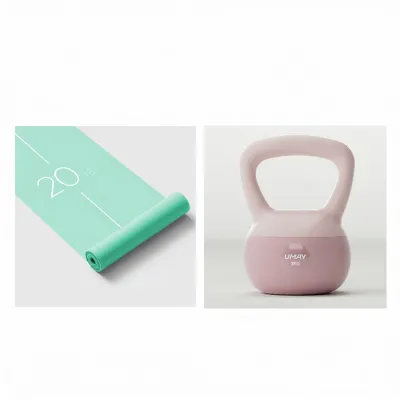
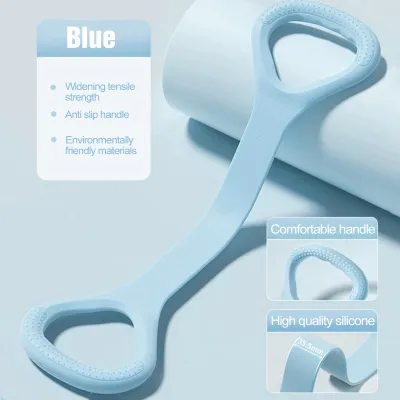
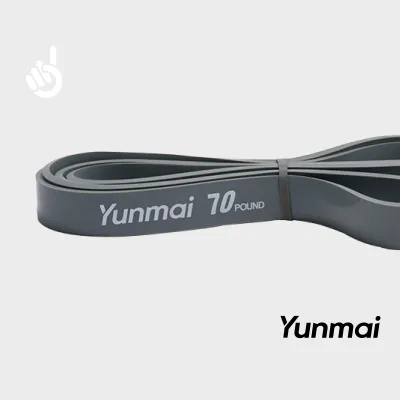
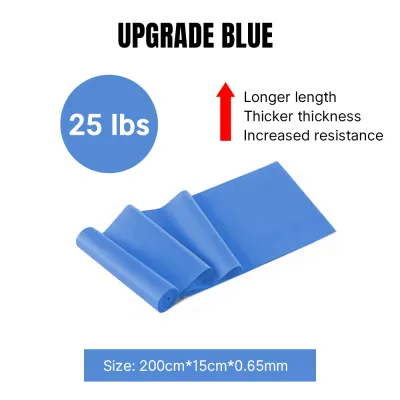
Prices are valid at publication and may change. Please refer to the product page for the latest price.
Traditional static stretching has its place, but holding a cold muscle in a stretched position immediately after a run can sometimes lead to micro-tears or joint instability. Active recovery using bands introduces a gentle, controlled load throughout the muscle’s range of motion. This dynamic tension co-activates opposing muscle groups, promoting functional mobility and joint stability rather than just temporarily lengthening muscle fibers.
Core Selection Criteria for Recovery Bands
The primary mistake runners make when purchasing bands for recovery is choosing high-tension options designed for strength building. Recovery requires light to medium tension. The goal is to facilitate movement and blood flow, not to induce further muscular hypertrophy or fatigue. A band that is too stiff will force other muscles to compensate, potentially leading to poor form and acute strain on already tired joints.

In Singapore’s tropical climate, sweat is inevitable. Latex bands offer excellent elasticity and are easy to wipe clean after a humid outdoor session, but they can pull on bare skin or roll up uncomfortably. Fabric bands, woven with elastic fibers, provide a wider, softer surface that stays in place against bare skin or running tights. However, they take longer to dry and require regular washing to prevent odor buildup from sweat.
The physical dimensions of the band dictate which recovery exercises are feasible. Short, wide bands (mini loops) are excellent for lower-body stabilization drills around the thighs or ankles. Long, thin loop bands (typically 1 to 2 meters in length) are necessary for deep, assisted hamstring and calf stretches where you need to anchor the band with your foot while lying down. Understanding these dimensional requirements prevents you from buying a band that cannot physically accommodate your stretching routine.
Comparing Band Types for Muscle Recovery
To build a comprehensive post-run recovery toolkit, it helps to understand the three primary band formats: mini loops, long loops, and tube bands with handles. Each format serves a distinct purpose in a runner’s recovery routine, targeting different muscle groups and movement patterns.
Selecting the wrong band format for a specific exercise can place undue stress on your joints. For example, using a heavy tube band with handles for lower-body lateral walks can force the knees inward if the resistance is poorly distributed. Matching the band format to the anatomical movement ensures that the resistance is applied safely and effectively.
Mini Loop Bands
Mini loop bands are short, continuous loops designed primarily for lower-body activation and stabilization. For runners, they are invaluable for targeting the lateral hip stabilizers and glutes through exercises like clamshells, lateral band walks, and lying glute bridges. These movements help correct muscle imbalances that often develop from repetitive forward running strides.
When selecting mini loops, look for options with anti-roll designs, which are common in fabric variants. Latex mini loops tend to roll into tight cords during movement, pinching the skin and concentrating pressure unevenly. Additionally, verify that the band has reinforced stitching or high-quality latex compounding to prevent sudden snapping during high-stretch movements.
While excellent for the hips and glutes, mini loops are highly limited by their short length. They cannot be used for full-leg hamstring stretches, upper-body mobility work, or chest openers. Attempting to overstretch a mini loop to accommodate these movements will exceed its material limits and likely cause it to snap.
Long Loop Bands
Long loop bands, often measuring around 104 centimeters flat, are the gold standard for deep, assisted stretching and mobility drills. Runners can loop one end around the arch of the foot while lying on their back to perform controlled hamstring, calf, and IT band stretches. The continuous loop allows you to adjust the tension simply by changing your hand placement along the band.
Because long loops are subjected to significant stretching forces, material thickness is a key safety factor. Thicker bands provide a more stable, predictable resistance curve, which is essential when performing slow, controlled mobility work. Inspect the band’s cross-section to ensure there are no uneven thin spots that could fail under tension.
Maintaining a secure grip on a long band is crucial, especially when your hands are sweaty after a run. Latex long loops can become slippery, requiring a firm wrap around the hand, which can sometimes restrict circulation. Fabric long loops or textured latex options offer superior grip, allowing you to relax your upper body while focusing on the lower-body stretch.
Tube Bands with Handles
Running is not just a lower-body sport; holding an upright posture for kilometers places significant stress on the core, shoulders, and upper back. Tube bands with comfortable foam handles are ideal for upper-body recovery exercises, such as chest openers, shoulder dislocates, and gentle standing rows. These movements help relieve the rounded-shoulder posture that many runners adopt when fatigued.
Safety is paramount when using tube bands, as they are under high tension. Inspect the connection points where the rubber tube meets the webbing of the handle. Look for reinforced metal carabiners or heavy-duty stitched sleeves rather than simple plastic plugs, which can pull out under load and cause injury.
While excellent for the upper body, handled tube bands are generally unsuitable for lower-body runner recovery. The handles are bulky and difficult to secure around the feet or ankles safely. Attempting to step on the thin rubber tubing can also damage the material against the tread of your running shoes, leading to premature wear and tearing.
Building a Condition-Based Shortlist
Your recovery band selection should reflect your current physical state and running volume. If you are in a high-mileage training block for a marathon, your muscles will be chronically fatigued and more susceptible to strain. In this state, opt for ultra-light resistance bands that prioritize gentle mobility over heavy activation. If you are in a maintenance phase, a medium-resistance band can help maintain joint stability.
Before purchasing any band, carefully review the manufacturer’s specifications regarding maximum stretch limits and load capacity. A high-quality band should clearly state its safe elongation limit (typically 3 to 4 times its resting length). Exceeding these limits increases the risk of material failure. Ensure the specifications align with your height and the specific exercises you plan to perform.
When sourcing bands in Singapore, consider local delivery times and return policies. Many international brands sell through local distributors or online marketplaces. Opting for sellers with local warehousing ensures faster shipping and easier returns if a band arrives with manufacturing defects. Additionally, check if the seller offers a warranty against snapping, which is a strong indicator of material quality.
Safety Checks, Maintenance, and Replacement Signals
Before every recovery session, take a few seconds to inspect your bands. Stretch the band slightly under a bright light and look for micro-tears, small punctures, discoloration, or dry-rot cracks. This is especially important for latex bands, which can degrade rapidly if exposed to sweat and friction. Never use a band that shows any signs of structural compromise, as a snap under tension can cause severe injury.
Singapore’s high humidity and ambient temperatures can accelerate the breakdown of both latex and fabric bands. Store your bands in a cool, dry place away from direct sunlight, which can cause UV degradation. Avoid leaving them in hot cars, balconies, or damp gym bags. If you use latex bands, applying a light dusting of talcum powder occasionally can prevent them from sticking together and dry-rotting.
Resistance bands are consumable items with a finite lifespan. You should replace your bands immediately if you notice any loss of elasticity, permanent stretching, sticky surfaces, or visible fraying on fabric edges. Even without visible damage, regular runners who use their bands multiple times a week should consider replacing latex bands every 12 to 18 months to ensure material integrity and safety.
Frequently Asked Questions (FAQ)
Can I use the same resistance bands for strength training and post-run recovery?
While it is physically possible to use the same bands, it is generally not recommended unless you own a multi-pack with varying resistance levels. Strength training requires high-tension bands to stimulate muscle growth, whereas post-run recovery demands very light resistance to promote blood flow without adding fatigue. Using a heavy strength band for recovery can strain tired muscles and lead to injury. A multi-pack allows you to safely transition from heavy resistance on cross-training days to light tension on recovery days.
Are fabric resistance bands better than latex for post-run recovery?
Fabric bands are often preferred for lower-body recovery because they do not roll up, pinch the skin, or pull on leg hair, making them highly comfortable for bare-skin use. However, latex bands offer a more consistent and versatile stretch, making them better suited for full-body mobility work and long-loop stretching. Latex is also easier to sanitize after a sweaty workout. Your choice should depend on whether you prioritize comfort against the skin (fabric) or versatility and ease of cleaning (latex), while always checking product labels for material allergies.
How long should a post-run resistance band recovery session last?
A typical post-run recovery session using resistance bands should last between 10 to 15 minutes. This duration is sufficient to perform 3 to 4 targeted mobility or activation exercises without overworking fatigued muscles. Focus on slow, controlled movements, holding stretches for 20 to 30 seconds while maintaining deep, steady breathing. Always listen to your body’s signals; if you experience sharp pain, joint discomfort, or excessive fatigue, stop the session immediately and consult a physiotherapist or qualified sports professional.
Community discussion
Share your experience or ask a question. Comments are reviewed before publication.