
Selecting the right tennis accessories is a critical step in optimizing your performance on the court, especially when navigating the unique playing conditions of Singapore. Tecnifibre has established a strong reputation for producing highly technical gear, ranging from advanced polyurethane-infused strings to specialized luggage and high-absorption grips. However, the effectiveness of these accessories depends heavily on how well they align with your individual skill level, physical needs, and local environmental factors. A beginner seeking comfort and arm protection requires a vastly different setup than an advanced tournament player looking for maximum control and durability. By understanding the technical specifications of these products and matching them to your playing style, you can make informed decisions that enhance your comfort, protect your equipment, and elevate your overall game.
Matching Tecnifibre Strings to Your Skill Level and Court Surface
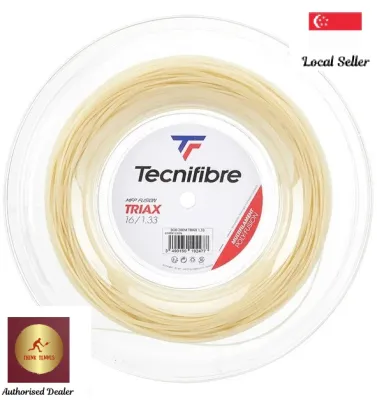
The stringbed is the engine of your tennis racket, and selecting the correct string construction is paramount to achieving your desired balance of power, control, and comfort. Tecnifibre is widely recognized for its diverse range of string technologies, which generally fall into two primary categories: multifilament and polyester. Multifilament strings are constructed from thousands of microfibers bound together, often infused with polyurethane to enhance elasticity and shock absorption. This construction closely mimics the playability of natural gut, offering excellent power and a soft feel that minimizes the shock transmitted to the player’s arm. For beginners, intermediate players, or anyone recovering from arm injuries, multifilament strings are highly recommended because they help generate depth with less physical effort.
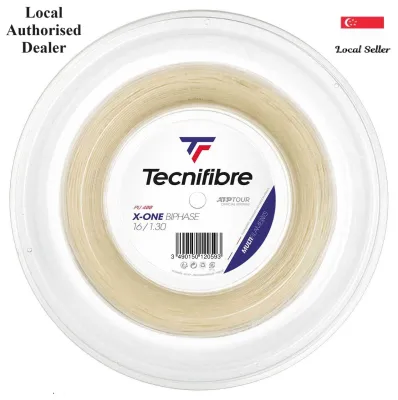
In contrast, polyester strings (often referred to as co-polyester or monofilament) are made from a single, solid polyester strand. This design results in a much stiffer stringbed that prioritizes control, spin potential, and durability over comfort and power. Polyester strings are designed specifically for advanced players with fast, fully developed swings who can generate their own power and require a low-powered stringbed to keep the ball within the court boundaries. If a beginner uses a full bed of polyester strings, they may struggle to find depth and risk developing arm strain due to the high stiffness of the material.
Products mentioned in this guide
![Tecnifibre Mens Team Shorts [4 Colours]](https://img.lazcdn.com/g/p/4c478270f3fbcc71222c73620d37f3c3.jpg_400x400q80.jpg_.webp)
![Tecnifibre Court Tennis Ball [3 balls in a tube x 4]](https://img.lazcdn.com/g/p/651c92cf06f71b561e1a489e9ad38f29.jpg_400x400q80.jpg_.webp)
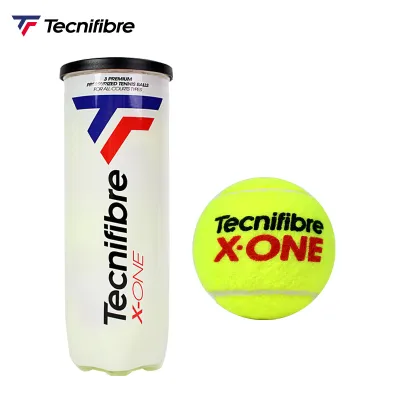
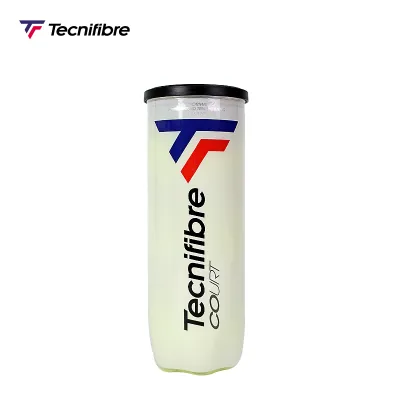
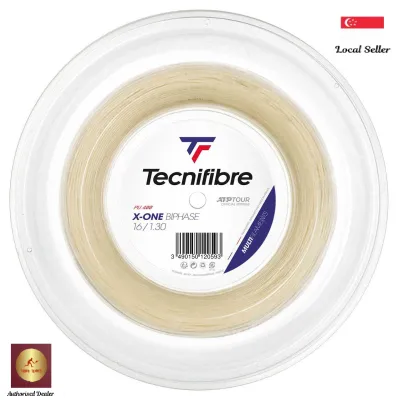
Prices are valid at publication and may change. Please refer to the product page for the latest price.
When selecting strings, players must also pay close attention to gauge thickness and tension recommendations, which are typically printed on the product packaging. String gauge refers to the thickness of the string, usually ranging from 15 (thickest) to 18 (thinnest). Thinner gauges (such as 17 or 18) offer enhanced feel, comfort, and spin potential because they bite into the ball more effectively, but they are more prone to breaking. Thicker gauges (such as 15 or 16) provide greater durability and tension stability, making them suitable for frequent string breakers. Tension is measured in pounds or kilograms, with most rackets specifying a recommended range, such as 50 to 60 pounds (approximately 23 to 27 kilograms). Lower tensions within the recommended range provide more trampoline effect, resulting in more power and comfort, while higher tensions offer a crisper feel and greater control.
In Singapore’s tropical climate, high temperatures and humidity can accelerate tension loss in tennis strings. Polyester strings tend to lose their tension and elasticity relatively quickly under these conditions, resulting in a “dead” feeling that requires more frequent restringing even if the strings have not broken. Multifilament strings can also absorb moisture over time, which may slightly alter their playability and durability. To mitigate these environmental effects, players should store their rackets in a cool, dry place and avoid leaving them in hot environments like car trunks.
For players seeking a balance between the comfort of multifilaments and the control of polyesters, a hybrid setup is an excellent option. This involves installing a durable polyester string in the mains (the vertical strings that experience the most friction) and a soft multifilament string in the crosses (the horizontal strings). This configuration provides a blend of spin, control, and arm comfort. Because hybrid stringing requires precise execution and an understanding of how different materials interact, players should consult a qualified professional stringer. A professional can recommend specific tension adjustments—such as stringing the polyester mains slightly looser than the multifilament crosses—to ensure optimal performance and prevent uneven stress on the racket frame.
Selecting Tecnifibre Grips and Overgrips for Comfort and Control
The grip is your only direct physical connection to the tennis racket, making it a crucial factor in shot precision and hand comfort. Tecnifibre offers both replacement base grips, which wrap directly around the wooden or polyurethane handle of the racket, and overgrips, which are thin layers wrapped over the base grip. Choosing the right grip material is particularly important in Singapore, where high humidity and intense heat lead to heavy perspiration during play.

When selecting overgrips, players must choose between tacky and absorbent materials based on their personal sweat levels and tactile preferences. Tacky overgrips feature a sticky surface coating that provides a highly secure, locked-in feel for players who do not sweat excessively. This stickiness helps prevent the racket from twisting in the hand during off-center hits. However, in extremely humid conditions, a tacky grip can quickly become slippery once saturated with sweat. For players who experience heavy perspiration, absorbent overgrips are a highly effective option. These grips feature a dry, soft, felt-like texture designed to draw moisture away from the skin, maintaining a reliable, slip-resistant surface even during long, intense matches in the heat.
Ensuring the correct grip size is another essential step in preventing hand fatigue and injury. Players can check the grip size marking on the racket’s butt cap, which typically ranges from L1 (smallest) to L5 (largest). A grip that is too small requires the player to squeeze the handle excessively hard to prevent twisting, which can lead to forearm strain and tennis elbow. Conversely, a grip that is too large limits wrist snap and maneuverability. If a player finds themselves between sizes or needs to slightly enlarge their handle, they can apply specialized build-up tape or a heat-shrink sleeve to the bare handle before installing a new base grip.
Recognizing when to replace your grips is vital for maintaining optimal control and hygiene. Overgrips are designed to be temporary and should be replaced frequently. Visual indicators that an overgrip needs changing include fraying, discoloration, tearing, or a worn-down texture. Tactically, if the grip begins to feel slippery, loses its cushioning, or no longer absorbs sweat effectively, it is time for a replacement. Base grips last significantly longer than overgrips but still degrade over time. Players should inspect their base grip for permanent compression, where the bevels of the handle become rounded, or for a complete loss of shock absorption. If the base grip emits an unpleasant odor or feels damp even after drying, it should be replaced to protect the underlying handle from moisture damage.
Sizing and Organizing Tecnifibre Tennis Bags
A high-quality tennis bag is essential for protecting your valuable rackets and organizing your gear for transit. Tecnifibre designs bags in various sizes and configurations, typically categorized by the maximum number of rackets they can hold, such as 3-pack, 6-pack, 9-pack, or 12-pack models. Selecting the right size depends on your playing frequency, the amount of gear you carry, and your typical mode of transportation.
For recreational players who carry only one or two rackets, a tennis backpack or a compact 3-pack bag is often sufficient. These options provide enough space for your rackets, a can of balls, a water bottle, and minor personal items. Intermediate and advanced players who carry multiple rackets (to account for string breakage during play) along with a change of clothes, towels, shoes, and toiletries will benefit from a 6-pack or 9-pack bag. Tournament players who require extensive gear, including multiple backup rackets, specialized training aids, and nutrition, typically opt for a 12-pack bag, which features multiple large compartments for systematic organization.
One of the most critical features to look for in a tennis bag is thermal protection. Singapore’s intense tropical heat can severely impact tennis equipment; high temperatures cause strings to lose tension rapidly and can even warp graphite racket frames if they are exposed to extreme heat for prolonged periods. Premium Tecnifibre bags often feature dedicated racket compartments lined with thermal protective materials. These specialized linings act as a barrier against external temperature fluctuations, helping to preserve string tension and protect the structural integrity of your rackets during transit or while sitting court-side.
Ergonomics and carrying comfort are also key considerations, particularly for players who commute via public transport in Singapore. Traditional large shoulder bags can be bulky and difficult to maneuver on crowded buses or MRT trains. For commuting players, a tennis backpack or a bag equipped with dual padded backpack straps is highly advantageous. These designs distribute the weight evenly across both shoulders, reducing strain on the back and neck. When evaluating a bag, check for adjustable, heavily padded straps and breathable mesh back panels, which help minimize heat buildup against your body during your commute.
Evaluating Dampeners and Essential Minor Accessories
While strings, grips, and bags are the primary accessories every player needs, smaller items like vibration dampeners and sweatbands play a supporting role in customizing your playing experience. Understanding the actual function of these minor accessories helps players avoid common misconceptions and select items that genuinely contribute to their comfort on the court.
Vibration dampeners are small rubber, silicone, or plastic inserts placed between the main strings, just below the lowest cross string. A common misconception is that these devices prevent tennis elbow or reduce the physical shock transmitted to the player’s arm. In reality, scientific studies and manufacturer specifications indicate that dampeners only mute the high-frequency acoustic vibration—the “ping” sound—created when the ball contacts the stringbed. By converting this sound into a solid, low-pitched “thud,” dampeners alter the sensory feedback of the shot, which many players perceive as a softer, more comfortable feel. However, they do not alter the actual stiffness of the stringbed or reduce the low-frequency shock that travels up the racket frame into the arm.
When choosing a dampener, players should check for physical compatibility with their racket’s string pattern. Standard button-style dampeners fit snugly between the two center main strings and are easy to install, though they can occasionally fly off during off-center hits. Longer, worm-style dampeners weave through multiple main strings and secure with clips at the ends, offering a more secure fit and a higher degree of sound muting. Players should experiment with different styles to find the acoustic feedback they prefer, keeping in mind that using a dampener is entirely a matter of personal preference.
Other minor accessories, such as wristbands, sweatbands, and accessory pouches, offer practical convenience during matches. In Singapore’s humid climate, high-quality cotton or synthetic wristbands are highly effective at stopping sweat from running down the forearm and saturating the racket grip. Headbands help keep sweat out of the eyes, maintaining clear vision during critical points. Additionally, small accessory pouches within your tennis bag are invaluable for keeping small essentials—such as keys, transit cards, coins, and spare overgrips—organized and easily accessible, preventing them from getting lost in larger compartments.
Verifying Authenticity and Sourcing in Singapore
As a premium brand, Tecnifibre products are highly sought after, which unfortunately makes them a target for counterfeit manufacturers. Purchasing counterfeit strings, grips, or bags not only results in poor performance and durability but can also lead to physical discomfort or equipment damage. Ensuring that you purchase genuine products requires a combination of careful inspection and sourcing from authorized channels.
When inspecting Tecnifibre gear, look for key indicators of authenticity. Genuine products feature clean, precise branding with no spelling errors, misaligned logos, or bleeding colors on the packaging. Authentic tennis bags exhibit high-quality construction, characterized by straight, even stitching, durable zippers that glide smoothly, and robust materials. Many genuine Tecnifibre products, particularly strings and rackets, come with official packaging that includes unique batch codes, holographic security tags, or scratch-off verification codes. Counterfeit items often lack these security features, use cheap plastic packaging, or emit a strong chemical odor from low-grade adhesives and synthetic materials.
To guarantee authenticity, players in Singapore should purchase their gear through authorized sports retailers, established tennis specialty shops, or club pro shops. These physical stores source their inventory directly from official distributors, ensuring product quality and providing reliable customer support. For online purchases, stick to official brand storefronts or highly rated, verified sellers on major ecommerce platforms. Avoid purchasing from unverified third-party sellers on online marketplaces who offer products at prices that seem unrealistically low.
Be vigilant against common red flags when shopping. If a seller is offering premium Tecnifibre strings or bags at a fraction of their standard retail price, the product is highly likely to be counterfeit. Other warning signs include listings with generic or low-resolution product images, sellers who cannot provide clear warranty information, and packaging that arrives damaged, unsealed, or missing standard labels. By prioritizing authorized sources and carefully verifying product details, you can ensure that your investment in Tecnifibre accessories delivers the high performance and durability the brand is known for.
Frequently Asked Questions (FAQ)
How often should I replace my Tecnifibre overgrips and base grips?
Overgrips should generally be replaced every 4 to 10 hours of play, or as soon as they lose their slip-resistant properties, show visible wear, or become heavily discolored. In Singapore’s hot and humid climate, sweat and moisture accelerate the breakdown of grip materials, requiring more frequent changes to maintain control. Base grips are much more durable and typically last between 6 to 12 months, depending on how often you play and whether you protect them with a regularly changed overgrip. Replace the base grip immediately if it feels permanently compressed, loses its cushioning, or emits an odor.
Do Tecnifibre vibration dampeners prevent tennis elbow?
No, vibration dampeners do not prevent or cure tennis elbow. They are designed solely to mute the high-frequency sound and vibration of the strings upon ball impact, altering the acoustic feedback to create a quieter feel. The low-frequency shock that contributes to tennis elbow is not affected by dampeners. To prevent or manage tennis elbow, players should focus on maintaining proper stroke technique, ensuring their racket grip is the correct size, using softer strings (like multifilaments) at lower tensions, and consulting a certified coach or medical professional.
Can I mix Tecnifibre strings with other brands in a hybrid setup?
Yes, you can successfully mix Tecnifibre strings with other brands in a hybrid setup. Hybrid stringing is a common practice where different strings are used for the mains (verticals) and crosses (horizontals) to combine their unique benefits. For example, you might pair a durable polyester string from another brand with a soft Tecnifibre multifilament string to achieve a balance of control and comfort. When creating a hybrid setup, it is important to match the string gauges and adjust tensions appropriately to avoid uneven stress on the racket frame. Consulting a professional stringer is highly recommended to ensure a safe and effective configuration.
Community discussion
Share your experience or ask a question. Comments are reviewed before publication.