
Working out in a compact Singapore apartment, such as a typical Housing & Development Board (HDB) flat, requires a careful balance of fitness efficiency, spatial awareness, and neighborly consideration. Ankle weights are an excellent tool for adding resistance to bodyweight exercises without the bulk of dumbbells or barbells. However, not all ankle weights are suited for tight, shared living spaces. The ideal apartment-friendly ankle weights must be exceptionally compact, virtually silent during movement, and gentle on delicate flooring materials like parquet, vinyl, or polished tiles.
When selecting fitness gear for a small home, every square centimeter matters. Traditional gym equipment can quickly clutter a room, while noisy workouts can strain relationships with downstairs neighbors. By focusing on specific design elements—such as low-profile materials, secure fastening systems, and noise-dampening exteriors—you can maintain an effective strength-training routine right in your living room or bedroom. This guide will help you navigate the key factors to consider when choosing ankle weights that deliver a challenging workout while keeping your home organized and your neighbors happy.
What Makes Ankle Weights Suitable for Small Apartments?
To find the perfect fitness accessories for a high-density living environment, you must look beyond basic weight specifications. In an HDB flat or a compact condominium, your workout space often doubles as your home office, living room, or bedroom. Therefore, any equipment you introduce must integrate seamlessly into a multi-functional environment without causing disruption or clutter.
Products mentioned in this guide
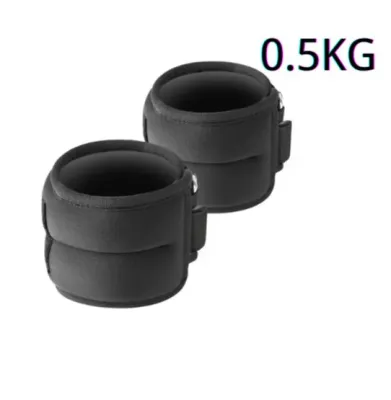
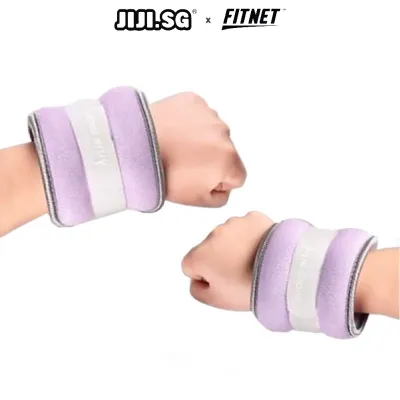
![🇸🇬 [In Stock]Womens Pilates wrist and ankle weights wearable arm and leg weights (1 lb each) for yoga dance Pilates cardio and walking](https://img.lazcdn.com/g/p/9e694d05bf87bf697057b0fbf4ed73e3.jpg_400x400q80.jpg_.webp)
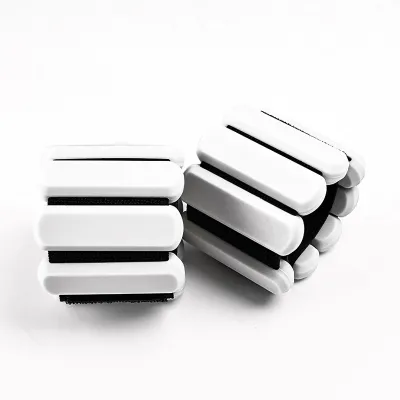
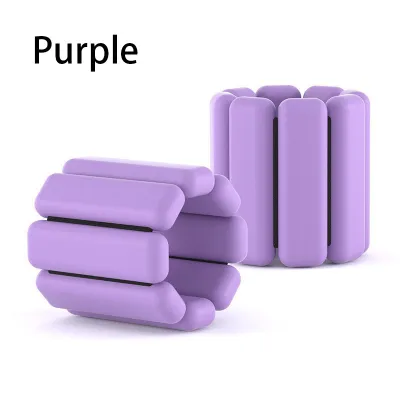
Prices are valid at publication and may change. Please refer to the product page for the latest price.
Noise reduction is the primary consideration for anyone exercising in an upper-floor apartment. Structural noise, which occurs when physical objects impact the floor, travels effortlessly through concrete slabs and can sound incredibly loud to the neighbors living directly beneath you. Traditional ankle weights filled with loose metal beads or sand can create a distinct rustling or clanking sound with every leg lift. If a weight accidentally slips or is dropped onto a hard floor, the resulting impact can cause a sudden, disruptive thud. Choosing weights with soft, impact-absorbing outer layers helps mitigate this risk, ensuring your early morning or late-night workouts remain entirely private.
Storage footprint is another critical factor when living in a home with limited closet space. Unlike a dedicated home gym where equipment can sit out permanently, apartment workouts require gear that can be quickly packed away out of sight. Ideal ankle weights should be highly compact, allowing them to fit into shallow drawers, under-bed storage boxes, or small baskets. Bulky, rigid weights that cannot bend or stack easily take up valuable real estate and contribute to visual clutter, making your living space feel cramped even when you are not exercising.
Finally, you must protect your home’s interior surfaces. Many Singapore apartments feature beautiful but delicate flooring, such as polished parquet, luxury vinyl tiles (LVT), or glossy ceramic tiles. During floor-based exercises like donkey kicks, fire hydrants, or leg raises, your ankles—and consequently, your ankle weights—will repeatedly come into contact with the ground. If your weights feature exposed metal buckles, rough nylon seams, or hard plastic adjusters, they can easily scratch, scuff, or chip these surfaces over time. Selecting gear with smooth, non-abrasive outer materials ensures your floors remain pristine, preserving your home’s aesthetic and rental deposit.
Comparing Materials: Which Ankle Weights Are Quietest?
The materials used to construct ankle weights directly influence their noise level, durability, and overall bulk. Understanding how different internal fills and external casings perform in a quiet home environment will help you make an informed decision that suits your specific living situation.

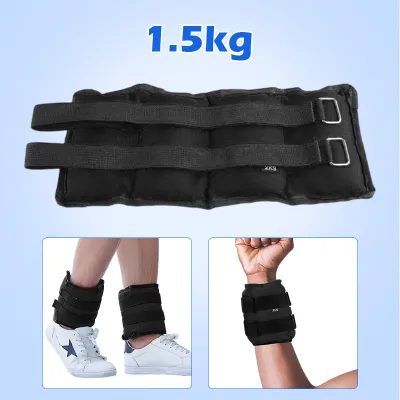
Traditional sand-filled fabric weights are widely available and generally budget-friendly, often costing between S$15 and S$30. These weights typically feature a neoprene or heavy-duty nylon sleeve divided into several stitched pockets filled with iron sand or small metal pellets. While they are soft and conform comfortably to the shape of your ankle, they tend to be quite bulky, especially as you increase the weight. The sand inside can shift during movement, which not only creates a soft rustling sound but can also lead to uneven weight distribution. Over time, the constant friction of the sand against the inner seams can cause the fabric to wear thin and tear, resulting in fine sand spilling across your clean floors—a scenario that is incredibly tedious to clean up on textured tiles or parquet.
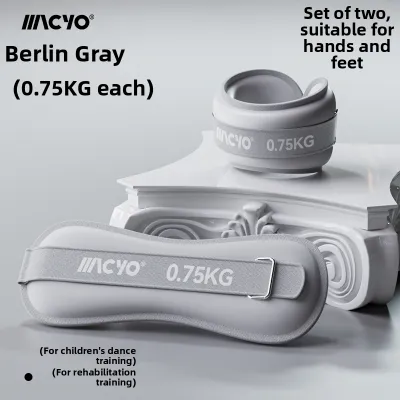
Silicone-coated solid metal weights represent a modern, highly streamlined alternative. These weights consist of solid steel or iron rectangular bars encased in a thick, seamless layer of medical-grade silicone. Because the metal is entirely enclosed in dense silicone, there are no moving parts to shift or rattle, making them completely silent during use. The silicone exterior also provides a soft, grippy texture that prevents the weights from sliding down your legs, while simultaneously acting as a protective bumper for your floors. Furthermore, their ultra-slim profile means they take up a fraction of the physical space of sand-filled alternatives, making them exceptionally easy to stack and store in a small drawer.
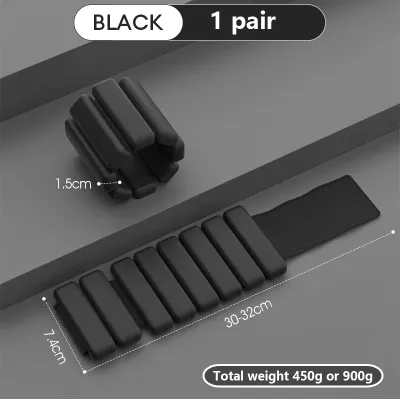
Adjustable or modular ankle weights offer a highly versatile solution for those who want to progress in their strength training without buying multiple pairs of weights. These designs typically feature a fabric strap with individual pockets where you can slide solid metal weight inserts in or out to customize the resistance. While highly space-saving, you must pay close attention to the build quality of these modular systems. If the pockets are too loose, the metal inserts can clank together or slide around during dynamic movements, creating distracting noise and an unstable feel. To ensure a quiet workout, look for modular designs that feature tight, secure closures—such as heavy-duty Velcro flaps or zippered compartments—that lock each weight insert firmly in place.
Matching Weight and Design to Your Indoor Space
Selecting the right ankle weights involves more than just picking a material; you must also match the physical design and weight of the gear to the constraints of your indoor workout area and your personal fitness level.
Clearance requirements are a major spatial constraint in small apartments. When performing exercises like lateral leg raises, standing hamstring curls, or core-focused bicycle crunches, you are often working in a narrow gap between your bed and the wardrobe, or in the small space between your sofa and the television console. Bulky, thick ankle weights can significantly increase the outer diameter of your lower legs, reducing your physical clearance. This increases the risk of accidentally kicking a wall, scraping against furniture, or knocking over home decor. Opting for low-profile, sleek weights—ideally those under two centimeters in thickness—allows you to maintain a natural, unrestricted range of motion even when exercising in tight corners.
The strap mechanism is another design element that affects both usability and home safety. Most ankle weights utilize a hook-and-loop (Velcro) fastening system, which is highly recommended for apartment use. Velcro allows for quick, micro-adjustments to ensure a snug fit, preventing the weights from sliding and chafing against your skin. While ripping Velcro apart can make a loud sound, the actual workout remains completely silent. In contrast, buckle systems—especially those made of hard plastic or metal—can protrude from the side of the strap. During side-lying exercises, these buckles can press painfully into your ankle bone or scratch the floor beneath you. If you prefer a buckle system for its mechanical security, ensure the buckle is fully recessed or covered by a thick protective sleeve.
Comfort and breathability are particularly important in Singapore’s warm, tropical climate. Exercising indoors can quickly lead to heavy sweating, especially if you prefer to work out with a fan rather than running the air conditioning. Traditional fabric weights made of neoprene or nylon tend to absorb sweat, body oils, and moisture. Over time, this trapped moisture can lead to bacterial growth, resulting in persistent, unpleasant odors that are difficult to wash out. For a more hygienic and low-maintenance option, silicone-coated weights are highly superior. Silicone is completely non-porous and waterproof, meaning it will not absorb sweat. After a vigorous workout, you can simply wipe them down with a damp cloth or sanitize them with a quick spray, keeping your gear fresh and odor-free without the need for frequent machine washing.
Pre-Purchase Checklist for Apartment-Friendly Gear
Before finalizing your purchase from an online marketplace or a local sporting goods store, use this practical checklist to verify that your chosen ankle weights are truly compatible with your apartment lifestyle.
First, verify the manufacturer’s exact physical dimensions. Do not rely solely on product photos, which can often make weights look sleeker than they are in reality. Check the product specifications for the length, width, and thickness of the bands. If you have smaller ankles, ensure the strap can tighten sufficiently without overlapping to the point of becoming bulky or loose.
Second, inspect the weight distribution of the design. High-quality ankle weights distribute the weight evenly across the entire length of the strap. Avoid designs where the weight is concentrated in one large, heavy block, as this can create an awkward center of gravity, put unnecessary strain on your ankle joints, and increase the likelihood of the weight shifting and making noise during movement.
Third, check the return and exchange policies of the retailer. Because comfort, fit, and material feel are highly personal, you want the flexibility to return the weights if they do not fit securely around your ankles or if the outer material feels too abrasive against your skin. This is especially important if you plan to wear them directly on your bare skin rather than over leggings or long socks.
Finally, read through user reviews with a specific focus on apartment-related feedback. Instead of just looking at the overall star rating, search the review section for keywords such as “quiet,” “noise,” “floor,” “slip,” or “apartment.” Feedback from other apartment dwellers will give you honest insights into whether the weights rattle, scratch floors, or emit strong chemical odors when unboxed.
Frequently Asked Questions (FAQ)
Can ankle weights damage HDB flooring during workouts?
Yes, certain types of ankle weights can damage delicate flooring if used without proper care. Weights with exposed metal buckles, hard plastic adjusters, or rough, abrasive fabrics can easily scratch polyurethane-coated parquet, luxury vinyl tiles, or polished marble during floor exercises. Additionally, high-impact movements where your feet repeatedly hit the ground can cause scuffs or even hairline cracks in ceramic tiles over time. To prevent any damage, always perform your workouts on a high-density TPE or rubber exercise mat that is at least six millimeters thick to act as a protective buffer. Choosing weights with soft silicone or smooth fabric casings will also significantly reduce the risk of surface scratches.
How do I store ankle weights to save space in a small bedroom?
To keep your small bedroom organized and free of tripping hazards, utilize vertical storage solutions or hidden spaces. You can hang your ankle weights on heavy-duty S-hooks inside your wardrobe, or use an over-the-door organizer with deep pockets to keep them off the floor. Alternatively, store them flat inside a shallow plastic bin that slides easily under your bed or sofa. To preserve the integrity of the materials, always store your weights in a cool, dry place away from direct sunlight, as prolonged exposure to UV rays and high humidity can degrade elastic straps, weaken Velcro hook-and-loop systems, and cause silicone coatings to become sticky over time.
Community discussion
Share your experience or ask a question. Comments are reviewed before publication.