
Finding the right badminton grip in Singapore’s hot and humid climate is essential for maintaining control over your racket and preventing slippage during intense rallies. The ideal overgrip is not a one-size-fits-all product; instead, it depends heavily on your personal sweat levels, playing frequency, and tactile preferences. While some players prioritize a sticky, locked-in feel, others require maximum moisture absorption or extra cushioning to prevent blisters. By understanding how different materials perform under humid conditions and learning how to verify authentic products, you can make an informed decision that directly supports your style of play.
Decoding Overgrip Materials: Tacky, Dry, and Towel Options
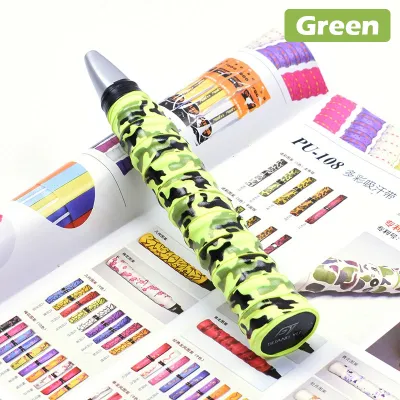
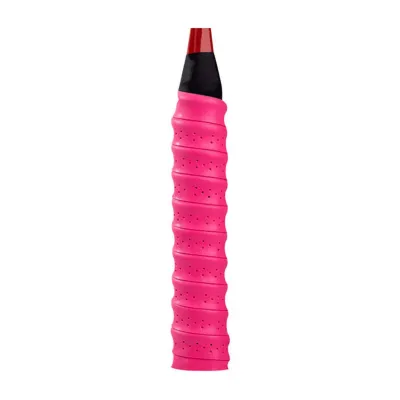
Polyurethane (PU) grips with a tacky finish are designed to offer a high-friction, sticky surface that adheres closely to your hand. This style is highly favored by players who want a secure hold with minimal grip pressure, allowing for quick finger adjustments and precise racket control. However, in high-humidity environments, a tacky grip can quickly lose its stickiness once saturated with sweat, making it best suited for players with low-to-moderate hand perspiration or those playing in air-conditioned halls.
Dry-finish PU overgrips, on the other hand, feature a velvety, matte texture that feels soft to the touch. These grips are engineered to absorb moisture gradually without becoming slick, maintaining a consistent feel even as your hands begin to sweat. They are an excellent middle-ground option for players who dislike the wet feel of a saturated tacky grip but do not want the bulk of a towel grip.
Products mentioned in this guide
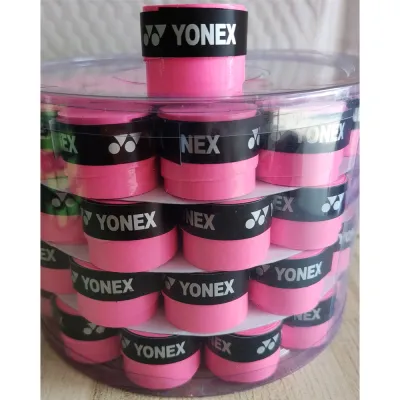
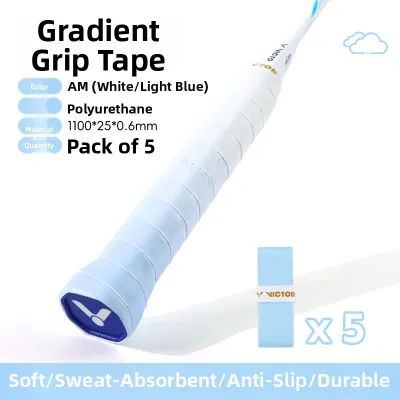
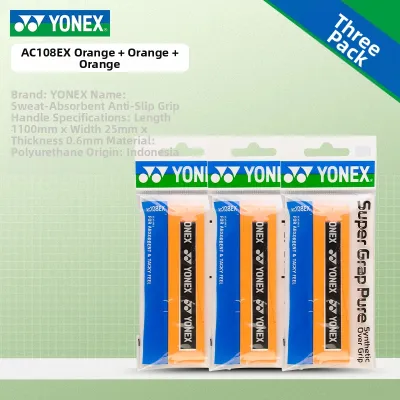
![[SG Ready Stock] Yonex Premium Badminton Pickleball Tennis Racket Grip Tape sweat & shock absorption grip wrap anti-slip Sports](https://img.lazcdn.com/g/p/adf16b151b395cfca056e21fcdb0af0e.png_400x400q80.png_.webp)
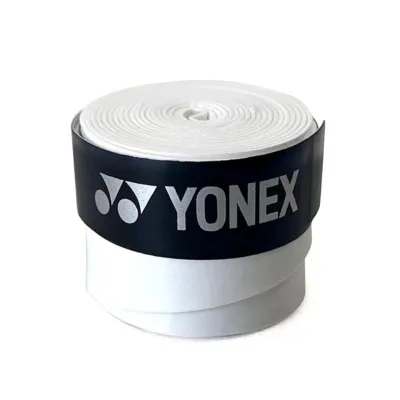
Prices are valid at publication and may change. Please refer to the product page for the latest price.
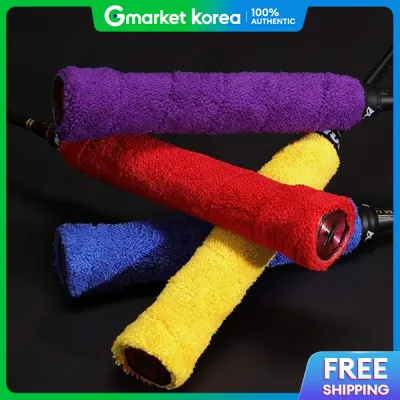
Towel grips, made from cotton-based terry cloth, offer the highest level of moisture absorption. They function like a towel, soaking up heavy sweat directly from your palms, which is why they are incredibly popular among competitive players and heavy sweaters in tropical climates. The trade-off is that towel grips add significant bulk to the handle, require frequent replacement to prevent bacterial growth and odor, and lack the cushioning of PU alternatives.
The thickness of your overgrip plays a critical role in how the racket feels in your hand. Standard overgrips typically range from 0.5mm to 0.7mm in thickness, providing a thin layer that preserves the bevels of the wooden handle for precise finger placement and maximum feedback. Extra-thick options, which can exceed 0.7mm or feature built-in foam strips, offer superior shock absorption and vibration dampening, making them ideal for players seeking comfort or those trying to increase their overall handle size.
Prioritizing Performance: Sweat Control, Durability, and Comfort
Managing moisture is often the primary challenge for badminton players in Singapore. When evaluating a badminton grip for sweat control, look for specialized moisture-wicking treatments or perforated designs that allow air to circulate and help sweat evaporate. A grip’s absorption limit determines how long it can maintain its traction before it must be dried or replaced; once a material is fully saturated, its structural friction drops, leading to racket twisting during off-center hits.

Durability is determined by the material’s density and its resistance to abrasion. Players who use aggressive finger-dragging techniques—often shifting their grip between forehand and backhand positions—will wear down the surface layer of an overgrip much faster. High-density PU grips resist peeling and tearing along the edges, whereas lower-quality materials may begin to flake or disintegrate after just a few sessions, leaving sticky residue on your hands.
Extended training sessions and repetitive impact can strain your hand muscles and lead to painful blisters. To maximize comfort, evaluate the foam density of the grip and how well it dampens vibrations traveling up the racket shaft. Some overgrips feature beveled edges that create a seamless, ridge-free wrap, while others utilize a raised center strip to provide a textured, ergonomic contour that fits naturally into the creases of your fingers.
Evaluating Brands and Avoiding Counterfeits in Singapore
When shopping for a badminton grip, choosing products from established sports manufacturers ensures a baseline of quality control and material consistency. Reputable brands invest in research and development to create polyurethane formulations that balance tackiness, durability, and sweat absorption. While generic, unbranded grips may appear cost-effective, they often suffer from rapid degradation, poor adhesive backing, and inconsistent thickness.
Due to the popularity of major badminton brands, counterfeit overgrips are common on online marketplaces and unauthorized retail channels. To protect yourself, carefully inspect the packaging for high-quality printing, correct spelling, and official holographic security seals. Many authentic brands include scratch-off verification codes on the back of the packaging, which you can enter on their official websites to confirm the product’s legitimacy.
Purchasing your grips from authorized physical sports stores or official online flagship stores is the most reliable way to guarantee authenticity. If you are testing a new grip type or material, start by purchasing a single roll to evaluate its performance on the court. Once you find a model that suits your sweat level and playing style, upgrading to multi-packs or bulk rolls (often sold in packs of 3, 12, or 30 for around S$10 to S$30) offers significant cost savings per unit and ensures you always have a fresh replacement ready in your gear bag.
Application, Maintenance, and Replacement Indicators
Applying an overgrip correctly is essential for achieving a consistent feel and preventing premature wear. Start at the bottom of the handle, securing the tapered end of the grip with a small piece of adhesive, and wrap upward while maintaining firm, even tension. Overlap each turn by approximately 2mm to 3mm to ensure a smooth surface; overlapping too much will make the handle excessively thick and round, obscuring the handle bevels. Secure the top of the grip tightly with the provided finishing tape, ensuring it does not interfere with your thumb placement on the cone.
Knowing when to replace your overgrip is key to maintaining optimal performance and hygiene. Rather than waiting for a specific number of weeks, look for clear physical signs of degradation. A complete loss of tackiness, peeling surface layers, frayed edges, or a hardened, compressed texture all indicate that the material can no longer absorb shock or provide adequate friction. Additionally, if the grip begins to emit an unpleasant odor or shows dark discoloration from sweat and dirt, it should be replaced immediately to prevent bacteria from transferring to your hands or damaging the underlying base grip.
Unused polyurethane overgrips are sensitive to environmental conditions and can degrade even before they are applied to a racket. To prevent them from drying out, oxidizing, or losing their adhesive properties, store your spare grips in a cool, dry place away from direct sunlight and extreme humidity. Keeping them sealed in their original airtight packaging or a resealable plastic bag inside your racket bag will preserve their freshness and ensure they perform as intended when you finally wrap them.
Frequently Asked Questions (FAQ)
Can I apply an overgrip directly onto the bare wooden handle?
Applying an overgrip directly onto a bare wooden handle is not recommended. Overgrips are designed to be thin and do not provide sufficient cushioning or shock absorption on their own, which can lead to hand fatigue and blisters. Furthermore, wrapping an overgrip directly on wood allows sweat to seep through the thin material and penetrate the wooden handle, causing it to rot, splinter, or weaken over time. Always maintain a proper base replacement grip or use a specialized cushion wrap underneath your overgrip to protect the wood and ensure comfortable play.
What are the visual signs that my overgrip needs immediate replacement?
You can identify a worn-out overgrip by looking for thinning or bald spots in the high-friction zones where your fingers and palm rest. Fraying or peeling along the wrapped seams is another clear indicator that the material’s structural integrity has failed. Visually, a dirty, discolored surface that has turned grey or brown from sweat absorption indicates that the grip is fully saturated and can no longer manage moisture effectively, signaling that it is time for a fresh wrap.
Will adding a thicker overgrip change my racket's balance and swing weight?
Yes, adding a thicker overgrip or wrapping multiple layers will alter your racket’s overall weight distribution. Because the grip is located at the very bottom of the racket, adding mass to the handle shifts the balance point downward, making the racket feel more headlight. While this can increase maneuverability and quicken your defensive reactions, it may slightly reduce the power of your smashes. It is best to experiment with different thicknesses to find a balance that offers comfortable cushioning without compromising your preferred swing dynamics.
Community discussion
Share your experience or ask a question. Comments are reviewed before publication.