
When golfing in Singapore’s intense tropical climate, your gear is constantly battling extreme moisture. Between sudden monsoonal downpours and persistent relative humidity that regularly exceeds 80 percent, a standard towel can quickly become a soggy, mildew-scented liability. To keep your clubfaces clean and your hands dry, you need a towel designed to perform under these specific atmospheric conditions.
The most effective golf towel material for Singapore’s humid weather is a lightweight, microfibre waffle weave. This synthetic fabric engineered with a textured pattern offers the optimal balance of rapid moisture absorption, deep cleaning capability, and exceptionally fast drying times. Unlike traditional natural fibres, it resists trapping moisture and organic debris, which significantly reduces the risk of mould and unpleasant odours between rounds.
Choosing the right towel involves understanding how different fabrics interact with tropical humidity and how to maintain them to ensure long-lasting performance. By evaluating material composition, weave structures, and practical design features, you can keep your equipment in peak condition even during the wettest days on the course.
Products mentioned in this guide
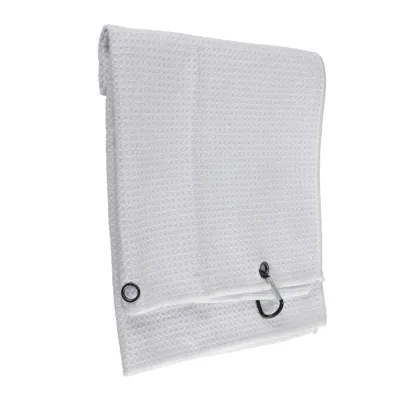
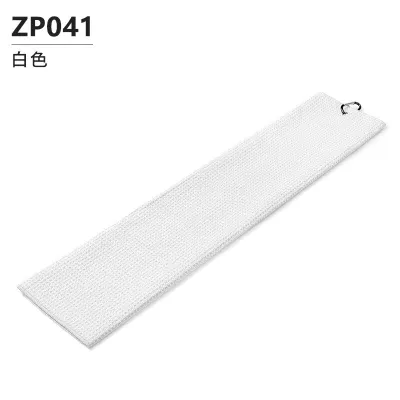
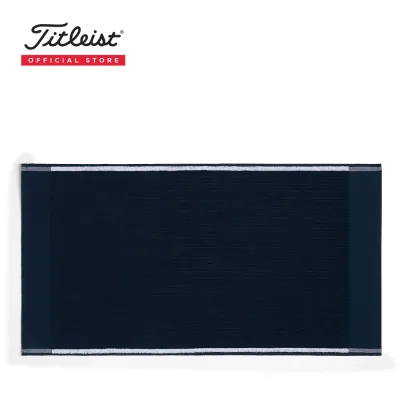
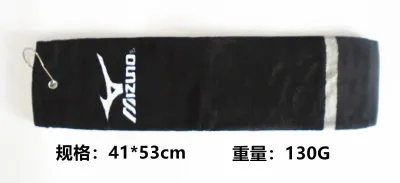
Prices are valid at publication and may change. Please refer to the product page for the latest price.
How Singapore's Tropical Climate Affects Your Golf Towel
Playing golf in Singapore means preparing for a climate characterized by high temperatures, relentless humidity, and sudden, heavy rainfall. Whether you are navigating the fairways of Sentosa or practicing at a local driving range, the air is almost always saturated with water vapour. This high ambient moisture level prevents standard fabrics from drying naturally while they are clipped to your golf bag, leaving them damp for hours at a time.
A perpetually wet golf towel is highly counterproductive to your game. When a towel remains saturated, it loses its ability to lift mud, grass clippings, and sand from your clubface grooves. Instead of cleaning, a damp towel merely smears wet dirt across the face, which can interfere with ball contact and spin control. Furthermore, wiping your hands or club grips with a wet towel transfers moisture to those surfaces, increasing the risk of the club slipping during your swing.
Beyond performance issues, a damp towel in a warm, humid environment becomes a prime breeding ground for microbes. The combination of moisture, heat, and organic matter—such as sweat, grass oils, and soil—accelerates the growth of mould, mildew, and bacteria. This microbial activity quickly produces a strong, musty odour that can transfer to your hands, your golf bag, and your other gear.
To combat these challenges, a golf towel used in Singapore must meet a demanding set of criteria. It must possess high initial absorbency to dry wet grips and clean messy clubheads instantly, yet it must also feature high breathability and a low moisture-retention profile to dry rapidly in humid air. Finding a material that balances these opposing properties is key to maintaining a clean, hygienic, and effective setup.
Comparing Common Golf Towel Materials for High Humidity
To find the best option for tropical conditions, it is essential to compare how different towel materials behave when exposed to constant moisture. The three most common choices on the market are microfibre, traditional cotton terry cloth, and waffle-weave synthetics or hybrids. Each material has distinct physical properties that dictate how quickly it absorbs water, how fast it dries, and how well it resists mould.

Microfibre Towels
Microfibre is a synthetic material typically composed of a blend of polyester and polyamide. The individual fibres are split during manufacturing, creating a vast network of microscopic, star-shaped channels. This split-fibre structure relies on capillary action to draw water, sweat, and fine dirt particles deep into the fabric rather than simply pushing them around the surface.
One of the greatest advantages of microfibre in a humid climate like Singapore’s is its lightweight and thin profile. Because the synthetic strands are incredibly fine, the fabric does not require a bulky, dense weave to achieve high absorbency. The reduced thickness allows air to flow through the material much more freely, which significantly accelerates the evaporation process even when the surrounding air is highly humid.
Additionally, microfibre is exceptionally gentle on delicate surfaces. If your golf clubs feature matte finishes, dark PVD coatings, or carbon-composite crowns, a high-quality microfibre towel will clean them without leaving fine scratches. The synthetic fibres are also highly durable, meaning they can withstand frequent washing cycles without shedding lint or losing their structural integrity over time.
Cotton and Terry Cloth
Cotton terry cloth is the traditional material used for household towels and many classic golf towels. It is highly valued for its natural softness, familiar plush feel, and excellent initial water absorption. When you first step onto the course, a thick cotton towel feels substantial and easily wipes away sweat or moisture from your hands and grips.
However, cotton is a natural cellulose fibre that absorbs water by swelling and trapping moisture directly within its core. In Singapore’s high-humidity environment, this internal moisture retention becomes a major drawback. Cotton fibres hold onto water molecules tenaciously, and without dry air or direct sunlight, a thick cotton towel can remain damp for an entire day or longer. This prolonged dampness creates an ideal environment for mould spores to colonise the fabric.
While cotton is generally not recommended as a primary towel for humid climates, it may still be acceptable under specific conditions. For example, if you prefer the feel of natural cotton, you can use it successfully by carrying multiple smaller towels and rotating them during your round. You must also commit to washing them immediately after every game to prevent mildew from setting in, making this a higher-maintenance choice for tropical golfers.
Waffle Weave and Hybrid Blends
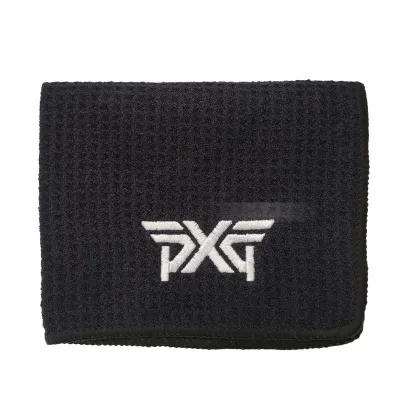
Waffle-weave towels feature a unique, recessed square pattern that resembles a kitchen waffle. This structural design is not merely aesthetic; it vastly increases the overall surface area of the towel compared to a flat-weave fabric of the same dimensions. The raised ridges and sunken pockets allow air to circulate freely through the material, which dramatically speeds up evaporation.
Many modern waffle-weave golf towels are made from hybrid blends, combining polyester and polyamide or cotton. These blends aim to capture the best of both worlds: the soft, comfortable feel of natural fibres and the quick-drying, durable characteristics of synthetics. A polyester-polyamide waffle weave is particularly effective in tropical conditions, as it leverages both the capillary action of microfibre and the high-airflow structure of the waffle pattern.
The textured ridges of a waffle weave also serve as excellent scrubbing tools. When you need to clean dried mud from your golf shoes or scraped soil from your irons, the recessed pattern acts like a gentle scraper, lifting stubborn dirt out of tight spaces without the need for harsh chemicals or abrasive brushes. This dual-action capability makes waffle-weave hybrids highly versatile for on-course maintenance.
What to Check on the Label: Specs and Features for Tropical Golf
When shopping for a golf towel in Singapore, you should look beyond eye-catching designs and examine the product label for specific technical details. Understanding the fabric composition, weight, and attachment features will help you select a towel that performs reliably in wet and humid conditions.
First, check the fabric composition tag to verify the exact material blend. For optimal quick-drying performance, look for a synthetic blend that is predominantly polyester mixed with polyamide, typically in an 80/20 or 85/15 ratio. Avoid towels labeled simply as “microfibre” without a detailed blend breakdown, as low-quality polyester-only towels often lack the capillary action needed for effective cleaning and can feel slippery when wet.
Second, pay close attention to the towel’s weight, which is measured in grams per square meter (GSM). While an ultra-plush, heavy towel (above 400 GSM) might feel luxurious, it will trap water and remain heavy and wet throughout a humid round. Instead, opt for a medium-to-lightweight towel, ideally between 250 and 350 GSM, or a waffle-textured option. These weights provide sufficient absorbency to clean your gear while remaining light enough to dry quickly when suspended from your bag.
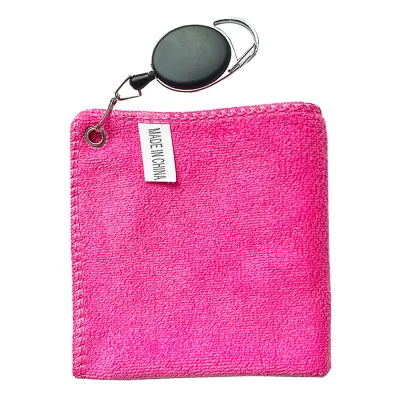
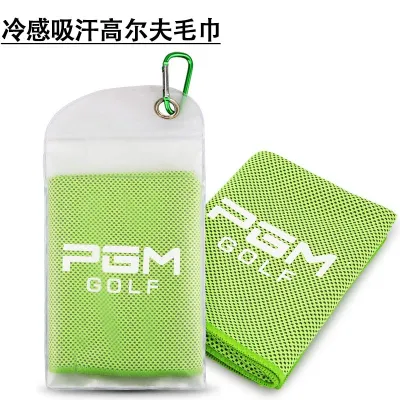
Third, evaluate the attachment mechanism. A high-quality golf towel should feature a sturdy, rust-resistant carabiner, a heavy-duty metal grommet, or a secure magnetic clip. In Singapore’s wet weather, fairways and buggy paths are often damp or muddy. Keeping your towel securely suspended off the wet grass, away from puddles, and off the floor of the golf cart is essential to prevent it from soaking up ground moisture.
Finally, look for manufacturer labels that mention specialized finishes, such as antimicrobial treatments or moisture-wicking technologies. These chemical or physical treatments can help inhibit the growth of odour-causing bacteria and mould on the fabric. However, keep in mind that these treatments are supplementary; they work best when paired with a naturally fast-drying base material like a microfibre waffle weave.
Routine Care and Storage to Prevent Mould and Mildew
Even the best golf towel will succumb to mould and unpleasant odours if it is not cared for properly after a round. Establishing a simple, consistent routine for cleaning and storing your towel will preserve its absorbency, prevent bacterial buildup, and significantly extend its useful lifespan.
The most critical step in caring for your golf towel is immediate post-round handling. When you finish your game, never leave a damp towel stuffed inside a zipped compartment of your golf bag or locked in a hot car boot. The high temperatures and lack of ventilation in these spaces create an artificial greenhouse effect, allowing mould and mildew to multiply rapidly within hours. Always remove the towel from your bag as soon as you return home.
If the towel is damp but not heavily soiled, hang it up to dry in a well-ventilated, shaded indoor area or on an outdoor balcony. Avoid hanging synthetic microfibre towels in direct, intense sunlight for extended periods, as prolonged UV exposure can degrade the synthetic fibres over time. Ensure the towel is completely dry before folding it or placing it back into storage.
When it comes to washing your golf towel, follow specific guidelines to protect its performance. Machine wash the towel using a standard, mild liquid detergent. Crucially, strictly avoid using fabric softeners or dryer sheets. These products leave a thin, waxy silicone coating over the fibres, which clogs the microscopic channels in microfibre and severely reduces its water absorbency. Air drying is highly recommended, but if you use a tumble dryer, select a low-heat setting to prevent the synthetic fibres from melting.
Over time, even well-maintained towels will eventually show signs of wear. If you notice a persistent sour or musty odour that remains even after a thorough wash, visible black mould spots that cannot be removed, or a stiff, scratchy texture that no longer absorbs water, it is time to replace the towel. Keeping a fresh, high-performing towel on your bag ensures your clubs stay clean and your hands remain dry for every shot.
Frequently Asked Questions (FAQ)
Is it safe to leave a damp golf towel in the car boot in Singapore?
No, it is not safe or advisable. Singapore’s high ambient temperatures can cause the inside of a closed car boot to heat up rapidly, creating a hot, humid, and unventilated chamber. This environment accelerates the growth of mould, mildew, and bacteria on a damp towel, leading to strong, musty odours and premature fabric rot. Always remove your towel from your vehicle immediately after your round and hang it up to dry.
How often should I wash my golf towel during the rainy season?
During the rainy season, you should wash your golf towel after every single round if it becomes wet or soiled. The increased moisture on the course means the towel will likely remain damp for longer periods, raising the risk of bacterial growth. If you only play occasionally or use the towel dry, wash it at least once a week to remove accumulated sweat, hand oils, and environmental dust.
Community discussion
Share your experience or ask a question. Comments are reviewed before publication.