
The ideal hand gripper for a compact HDB flat is one that balances adjustable resistance, quiet operation, and a minimal storage footprint. Because space is at a premium in modern Singapore apartments, a single adjustable gripper often outperforms a bulky set of fixed-weight alternatives, allowing you to build grip strength without cluttering your living area. Selecting the right tool ensures you can maintain a consistent training routine right from your living room sofa or study desk without disrupting your household.
Comparing Hand Gripper Types for Compact Spaces
When space is limited, the design of your fitness equipment directly impacts how often you use it. Adjustable resistance grippers are highly practical for HDB living because they pack multiple weight levels into a single frame. By turning a simple dial or adjusting a tension spring, you can increase the difficulty as your strength improves. This single-unit design eliminates the need to buy, store, and organize a whole rack of different strength tools.
Fixed resistance models offer a more traditional, straightforward experience. These grippers feature a simple metal spring and two handles, offering a highly durable build with virtually no moving parts to wear out. However, because the resistance is set, you must purchase a new, heavier gripper once you outgrow the current one. For a small flat, this means accumulating a collection of metal tools that require dedicated storage space over time.
Products mentioned in this guide
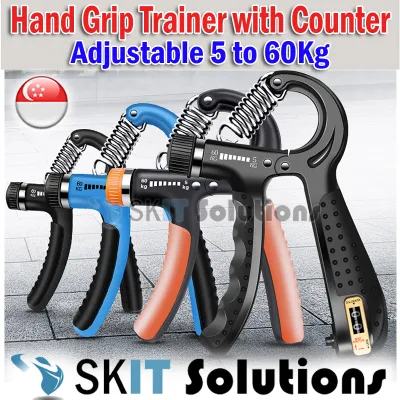
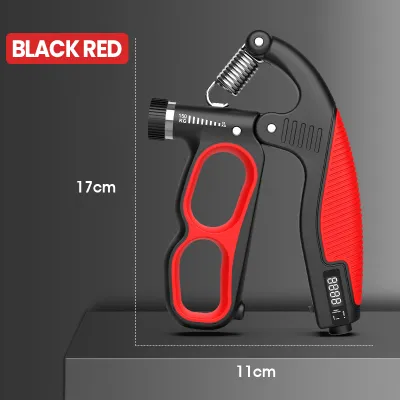
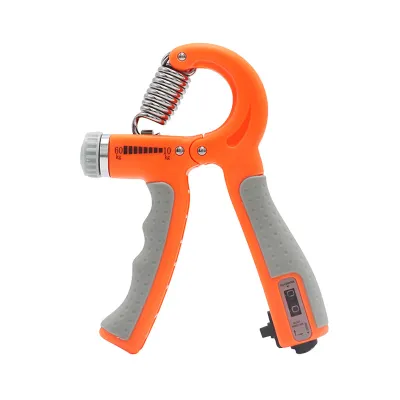
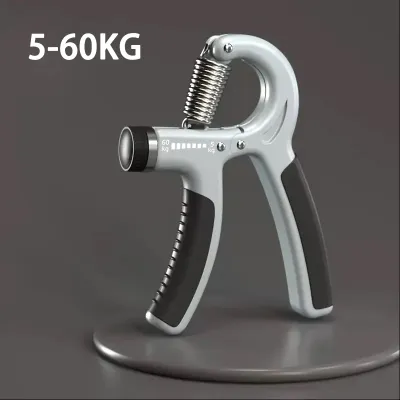
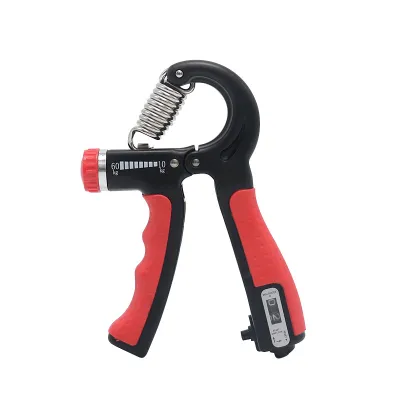
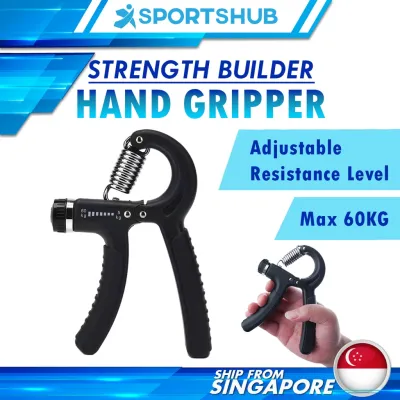
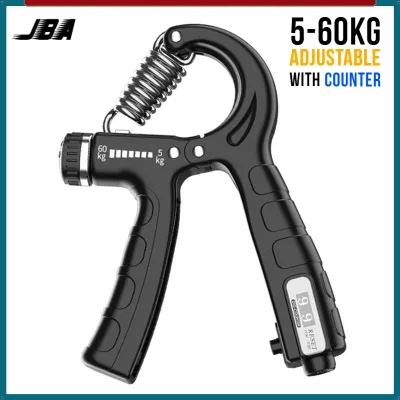
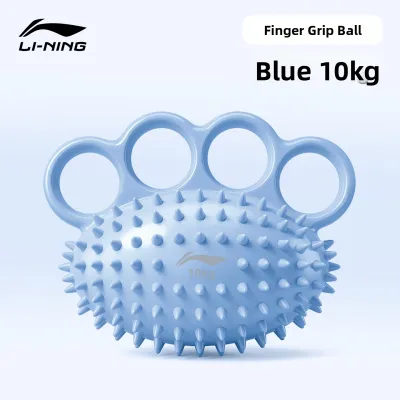
Prices are valid at publication and may change. Please refer to the product page for the latest price.
Counting and digital grippers add a layer of convenience by tracking your repetitions automatically. These devices feature either a mechanical counter at the base of the handle or a small digital screen that registers each complete squeeze. This feature is excellent for keeping your workouts streamlined, as you do not need to keep a physical notebook or your phone nearby to log your sets. If you choose a digital model, check the battery requirements and ensure the screen is sufficiently protected from moisture.
Finger exercisers are specialized tools that allow you to compress individual spring-loaded keys with each finger. While they do not build overall crushing grip strength as effectively as standard grippers, they are invaluable for targeted rehabilitation or preparing for specific sports like sport climbing. Their incredibly small size makes them easy to slip into a desk drawer, making them a highly discreet option for quick micro-workouts during remote work hours.
Key Selection Factors for HDB Environments
Living in close proximity to neighbors in an HDB estate requires mindfulness regarding noise. Standard metal grippers can produce a sharp, metallic clanking sound when the handles meet, which can easily carry through thin walls or open windows during quiet hours. To maintain neighborly harmony, prioritize grippers designed with rubberized stops, plastic bushings, or coated springs that dampen sound. A quiet gripper allows you to squeeze in a workout late at night or early in the morning without waking up your household.

Storage footprint is another critical consideration when every square meter counts. Look for grippers that feature a locking mechanism, which keeps the handles compressed and flat when not in use. This simple feature allows the tool to slide easily into shallow desk drawers, storage boxes, or even a small pouch. Some models also include built-in hanging loops, allowing you to hang them on wall hooks behind doors or inside utility closets to keep your surfaces completely clear.
Singapore’s warm and humid climate makes sweat-resistant, non-slip handles essential for safety and floor protection. Dropping a heavy metal gripper onto homogeneous floor tiles or vinyl laminate can cause permanent chips, scratches, or cracks. Selecting a gripper with textured rubber, silicone sleeves, or high-density foam wraps ensures a secure hold even during intense, sweaty sessions. These materials not only protect your floors from accidental drops but also provide a more comfortable, ergonomic grip that reduces skin chafing.
Matching Resistance Levels to Your Home Goals
Determining your starting resistance does not require professional gym equipment or expensive testing. You can assess your baseline grip strength by attempting to close a standard entry-level gripper or by observing how easily you carry heavy household items, such as full grocery bags or water pails. If you can easily close a gripper for more than fifteen repetitions with proper form, the resistance is too low for building strength and should be adjusted upward.
Utilizing adjustable dials is the most efficient way to implement progressive overload in a small home setting. Instead of switching to a completely new piece of equipment, you can make micro-adjustments to the tension dial to gradually challenge your muscles. This adjustability also makes the gripper highly versatile for shared households, allowing family members with different strength levels to use the exact same tool by simply resetting the dial to their preferred tension.
While grip training is highly convenient, it is crucial to recognize the signs of overtraining to prevent injury. The forearms and wrists contain numerous delicate tendons that can easily become inflamed from repetitive strain. If you experience persistent joint pain, stiffness in the morning, or a sudden drop in your squeezing performance, these are clear indicators that your muscles need rest. When these signs appear, reduce the resistance level immediately or incorporate dedicated rest days into your weekly routine.
Practical Usage and Storage in Small Flats
One of the greatest advantages of hand grippers is their ability to blend seamlessly into passive daily activities. You do not need to set aside a dedicated workout hour or clear a space on your living room floor to train. Instead, you can perform sets while watching television, waiting for your laundry cycle to finish, or during short breaks between remote work tasks. This passive integration makes it incredibly easy to stay consistent with your training without disrupting your daily schedule.
Safe storage is paramount, especially in households with young children or curious pets. Heavy-duty spring grippers carry a high amount of tension and can easily pinch small fingers or paws if handled incorrectly. Always store your grippers in a designated drawer, a high shelf, or a closed cabinet out of reach. Keeping them in a dry, ventilated space also helps protect the internal components from moisture buildup.
Basic maintenance checks will prolong the lifespan of your equipment and keep it operating smoothly. Periodically inspect the spring for any signs of hairline cracks, rust, or structural wear that could compromise safety. If the gripper begins to squeak during use, apply a single drop of silicone lubricant to the spring joint and wipe away any excess. This simple step prevents annoying noises and ensures the metal components remain protected against the humid Singapore air.
Frequently Asked Questions (FAQ)
Can I use a hand gripper every day?
While forearm muscles are resilient and recover relatively quickly, training with high-resistance hand grippers every day is generally not recommended. Your tendons and connective tissues require more recovery time than muscle fibers to adapt to the stress of heavy squeezing. To avoid overuse injuries like tendonitis, limit intense grip workouts to three or four times a week, allowing at least one day of active rest between sessions.
Do hand grippers help with forearm size?
Hand grippers can contribute to forearm muscle hypertrophy, provided you apply the principles of progressive overload. To stimulate muscle growth, you must train with a resistance level that challenges you within the moderate repetition range of eight to twelve repetitions, rather than performing endless light squeezes. However, because grippers primarily target crushing grip, you should eventually combine them with wrist curls and extensions for comprehensive forearm development.
How do I clean my hand gripper after sweaty sessions?
To maintain hygiene and prevent material degradation, wipe down the handles with a damp cloth and a mild soap solution after every workout. Avoid using harsh chemical solvents or alcohol-based cleaners, as these can dry out and crack rubber, silicone, or foam handle wraps over time. Once cleaned, dry the gripper thoroughly with a clean towel to prevent moisture from settling on the metal spring and causing rust.
Community discussion
Share your experience or ask a question. Comments are reviewed before publication.