
Finding the ideal golf mask for men in Singapore requires balancing physical comfort, UV protection, and swing mobility. With the tropical sun beating down on local courses, a reliable face cover is essential to prevent sunburn and long-term skin damage. The ideal mask is not a one-size-fits-all solution; it is the one that matches your specific facial structure, integrates seamlessly with your existing golf gear, and remains breathable through 18 holes of high humidity. By focusing on verified fabric specifications, structural designs, and fit adjustments, you can select a high-performing mask that keeps you cool and focused on your game.
Identifying the Right Style of Golf Face Mask
Selecting the right style of golf face mask is the first step toward ensuring comfort during a four-hour round. The three primary designs available are neck gaiters, half-masks, and balaclavas, each offering distinct advantages and trade-offs in terms of coverage and mobility.
Neck gaiters are highly versatile options that cover the entire neck and can be pulled up over the nose and ears. They provide comprehensive sun protection for the back of the neck, which is often highly exposed when leaning over to putt or tee up. However, because they cover a larger surface area, they can trap more heat if the fabric is too thick. Some golfers also find that standard gaiters can slide down during a vigorous swing if they lack integrated ear loops or adjustable toggles.
Products mentioned in this guide
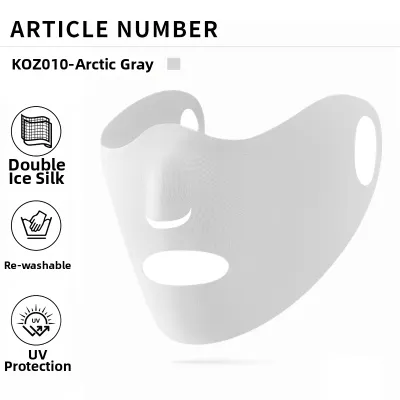
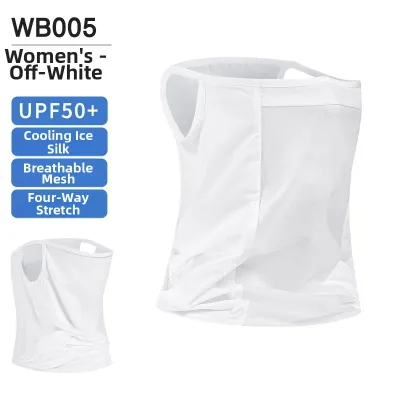
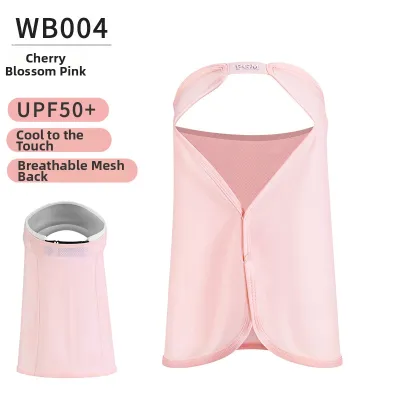
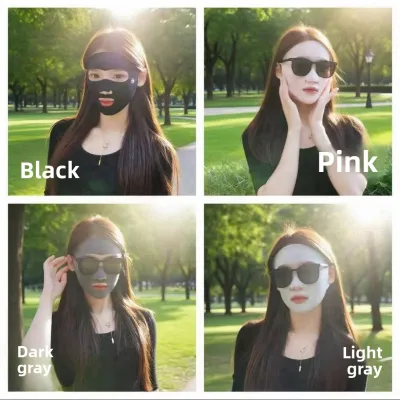
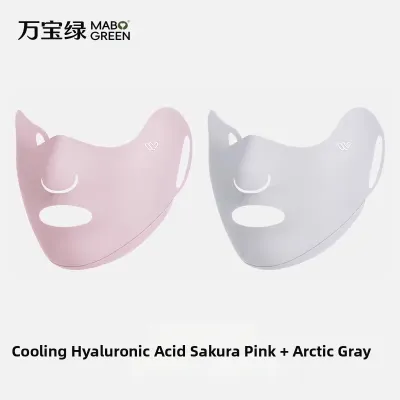
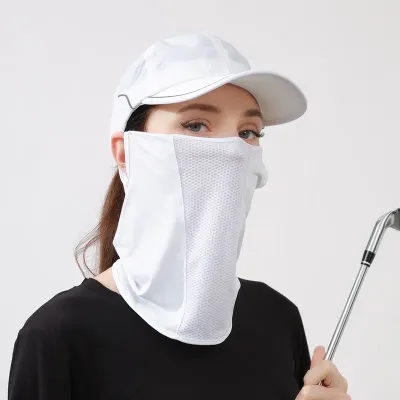

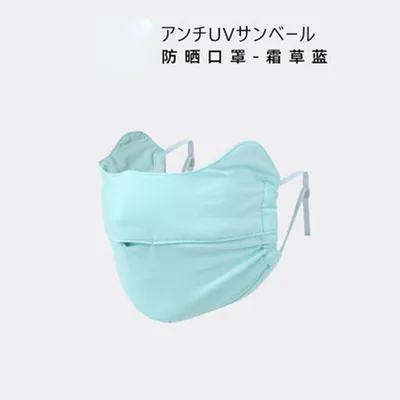
Prices are valid at publication and may change. Please refer to the product page for the latest price.
Half-masks focus specifically on the lower face, typically securing behind the ears with loops or straps. This design is highly secure and unlikely to shift when you turn your head or complete a full driver swing. While they offer excellent facial coverage and are generally cooler than full gaiters, they leave the lower neck exposed. Golfers who choose half-masks must pair them with a high-collared polo shirt or apply sunscreen to the neck area.
Balaclavas offer the most extreme coverage, wrapping over the head, neck, and face, leaving only a small opening for the eyes. While they provide maximum defense against UV rays, they are generally too restrictive and hot for Singapore’s climate. Most local golfers find them uncomfortable for regular play, though they may appeal to players seeking absolute protection during peak UV hours.
When evaluating these styles, consider how they interact with your golf cap, visor, and sunglasses. A mask that is too thick can push your sunglasses off your nose bridge or cause the temples of your glasses to pinch against your head. Look for low-profile designs that lay flat against your skin, allowing your sunglasses to sit naturally and your cap to fit securely without creating uncomfortable pressure points.
Essential Performance Features for the Course
To ensure your mask provides genuine protection without hindering your performance, you must look closely at the technical specifications of the fabric and construction.

The primary purpose of a golf mask is sun defense, so always check the product label for a verified Ultraviolet Protection Factor (UPF) rating. A rating of UPF 50+ is the industry standard for excellent protection, blocking approximately 98% of harmful UVA and UVB rays. Avoid masks that claim general sun protection without a specific UPF rating, as standard polyester or cotton blends may let significant amounts of UV radiation penetrate the fabric.
Breathability and moisture-wicking capabilities are equally critical. Golfing in warm weather means sweating, and the fabric must actively pull moisture away from your skin to the outer layer of the mask, where it can evaporate quickly. Look for synthetic blends such as polyester-spandex or nylon-spandex. These materials are naturally hydrophobic, meaning they do not absorb water, keeping the mask lightweight even when you are perspiring heavily.
High-quality golf masks often feature specialized ventilation zones around the mouth and nose. These can take the form of laser-cut breathing holes, mesh panels, or structured fabric chambers. These zones allow your exhaled breath to escape easily, which is critical for preventing hot air from rising and fogging your sunglasses during a crucial shot.
Repetitive head movements during a round can cause friction between the mask and your skin. Seamless edges or flatlock stitching prevent chafing along your jawline and neck. Additionally, look for fabrics treated with anti-odor or antimicrobial finishes, which help prevent the buildup of bacteria and unpleasant smells over a long day on the course.
Adapting to Singapore's Tropical Course Conditions
Playing golf in Singapore presents unique environmental challenges, specifically high humidity and sudden weather changes, which demand specific mask features.
Singapore’s relative humidity often hovers above 80%, which severely limits natural sweat evaporation. In these conditions, heavy or tightly woven fabrics quickly become waterlogged, heavy, and difficult to breathe through. Prioritize ultra-lightweight fabrics, often labeled as “ice silk” or “cool-touch” synthetics, which feel cool against the skin upon contact and promote rapid airflow.
Some masks utilize specialized cooling technologies where the fabric fibers are infused with microscopic cooling agents or designed with flat cross-sections that maximize surface area for heat dissipation. While these do not replace air conditioning, they provide a noticeable cooling sensation when wet with sweat or water, helping to regulate your skin temperature on hot afternoons.
Sudden tropical downpours are common on local courses. If your mask gets wet, it should not sag, stretch out of shape, or restrict your breathing. A high spandex content, typically 10% to 15%, ensures the mask retains its shape and elasticity even when damp. Quick-drying properties mean that once the rain stops and the sun reappears, your mask will dry within a few holes.
Verifying Fit, Sizing, and Compatibility
A mask can only protect you if it fits correctly. A poorly fitting mask will either slip down during your swing or pinch your face, causing unnecessary distractions.
Do not rely on generic “one-size-fits-all” or simple S/M/L labels without checking the manufacturer’s physical measurement charts. Measure your face width from ear to ear across the nose bridge, as well as your neck circumference. A mask that is too tight will pull on your ears and restrict your jaw movement, while a mask that is too loose will slip down during your backswing.
Look for masks with adjustable ear loops or a rear drawstring toggle. These features allow you to customize the tension, ensuring a snug fit that adapts to your facial movements. A contoured nose bridge, sometimes featuring a flexible metal or plastic strip, is highly beneficial for securing the top of the mask and preventing gaps where warm air can escape upward.
When shopping on local online marketplaces or sports retail sites, verify the seller’s return and exchange policies. Because face masks are personal hygiene items, some retailers do not accept returns once the packaging is opened. Look for sellers that offer clear sizing guarantees or physical retail locations in Singapore where you can inspect the material and fit before committing to a purchase. Expect to pay anywhere from S$15 for basic models to S$45 for premium, highly adjustable technical masks.
Care and Maintenance for Lasting Performance
To maintain the integrity of the UPF protection and moisture-wicking treatments, proper care is essential to extend the lifespan of your golf mask.
Hand washing in cold water is highly recommended to preserve the delicate synthetic fibers. If you prefer using a washing machine, place the mask in a mesh laundry bag and select a gentle cycle with cold water. This prevents the fabric from stretching or snagging on other garments.
Avoid using harsh chemical detergents, bleach, or fabric softeners. Fabric softeners leave a thin, waxy coating on the fibers, which clogs the microscopic pores of moisture-wicking fabrics, drastically reducing their breathability and performance. Use a mild, liquid sports detergent instead.
Never put your technical golf mask in a clothes dryer. The high heat can melt or degrade the elastic spandex fibers, causing the mask to lose its shape and fit. Instead, gently squeeze out excess water without wringing tightly, and hang the mask to air dry in a shaded, well-ventilated area. Avoid direct sunlight during drying, as prolonged exposure to intense UV rays while wet can prematurely degrade the fabric’s elastic properties.
Frequently Asked Questions (FAQ)
Can I wear a golf face mask with a standard golf cap and sunglasses?
Yes, you can comfortably wear a golf face mask with a standard cap and sunglasses by using proper layering techniques. Start by putting on the face mask first, ensuring it sits comfortably over your nose and ears. Next, put on your golf cap, positioning the brim over the top edge of the mask to help hold it in place. Finally, slide your sunglasses on. To prevent your lenses from fogging, tuck the top edge of the mask slightly under the lower rim of your sunglasses, or choose a mask with a contoured nose bridge that channels your breath downward and outward rather than upward toward your eyes.
How often should I replace my sun protection face mask?
You should replace your sun protection face mask when you notice visible signs of wear or a decline in its performance features. Over time, repeated stretching, washing, and exposure to sweat and UV radiation will degrade the fabric. Key indicators that it is time for a replacement include thinning fabric, loose or stretched-out ear loops, a loss of elasticity that causes the mask to slip frequently, or persistent odors that do not wash out. Generally, if you play golf once or twice a week in Singapore’s intense climate, a high-quality mask should be replaced every six to twelve months to ensure you are still receiving the rated UPF protection.
Community discussion
Share your experience or ask a question. Comments are reviewed before publication.